

If you're thinking about starting a diet to shift a few extra pounds, don't cut protein out.
We don't mean protein sachets or meal-replacement shakes, either. They can lead to short-term weight loss, but they're rarely balanced, not especially enjoyable and, crucially, they don't always build good eating habits—so they're hard to stick to long term and are not recommended for extended use.
Here are some ways to look after your waistline day to day while eating a wide variety of foods and choosing the right ones.
For weight loss, there's no secret: you need to reduce your calorie intake, especially from carbohydrates and fats—but that doesn't mean banning them. Protein, however, doesn't need to be cut back. Here's why.
What's good about protein is that, on the one hand, some protein-rich foods (white meat, fish, eggs, pulses) are low in calories, even though protein provides 4 kcal/g just like carbohydrates. On the other hand, the body has no dedicated protein reserve: unused amino acids are oxidised or excreted, but an overall calorie surplus, including from protein, can encourage fat storage. Some protein is used to build and repair tissues—especially muscle—and the rest is used for energy or simply excreted. So an adequate protein intake, alongside a moderate calorie deficit and regular physical activity, can help limit muscle loss; muscle loss during a low-calorie diet is linked first and foremost to the overall energy deficit.

Protein contributes to satiety, which can help some people stick to their diet more easily, without feeling they have to avoid meals out with friends. Small bonus: digesting protein uses a little more energy, so it leads to a slight extra calorie burn. Nothing dramatic, but it can add up over time. Protein also matters for the body's defences, although it is mainly in cases of undernutrition that immune defences can be weakened.

One caveat: as with sugars and fats, we need protein; the key is choosing good sources and getting the right amount—neither too much nor too little.
So it's not about serving yourself a slab of red meat at every meal: occasionally is fine, but in moderation. Go for lean proteins instead—those lower in fat—to avoid taking in too much fat.
- In practice, choose white meat over red: chicken, turkey or rabbit.
- That said, beef and pork aren't necessarily off the menu—it depends on the cut. A 5% fat beef mince, for example, is lean and high in protein; check the percentage on the pack. Roast beef, veal escalopes and lean ham are also good options.
- Avoid cheese, which is high in protein but also high in fat; opt instead for plain 0% yoghurts and fromage frais, a good source of protein with no added fat and no added sugars—the lactose naturally present in milk is still there.
- Eggs are an excellent source of protein: you can have them several times a week, preferably soft-boiled or hard-boiled rather than fried, which adds fat.
- With fish, almost anything goes. At the start of your diet, favour lean fish to get weight loss going, then gradually reintroduce oily fish, which are excellent sources of protein and omega-3. Shellfish can be eaten without a shred of guilt: from scallops and lobster to prawns, they're low in fat and packed with protein.
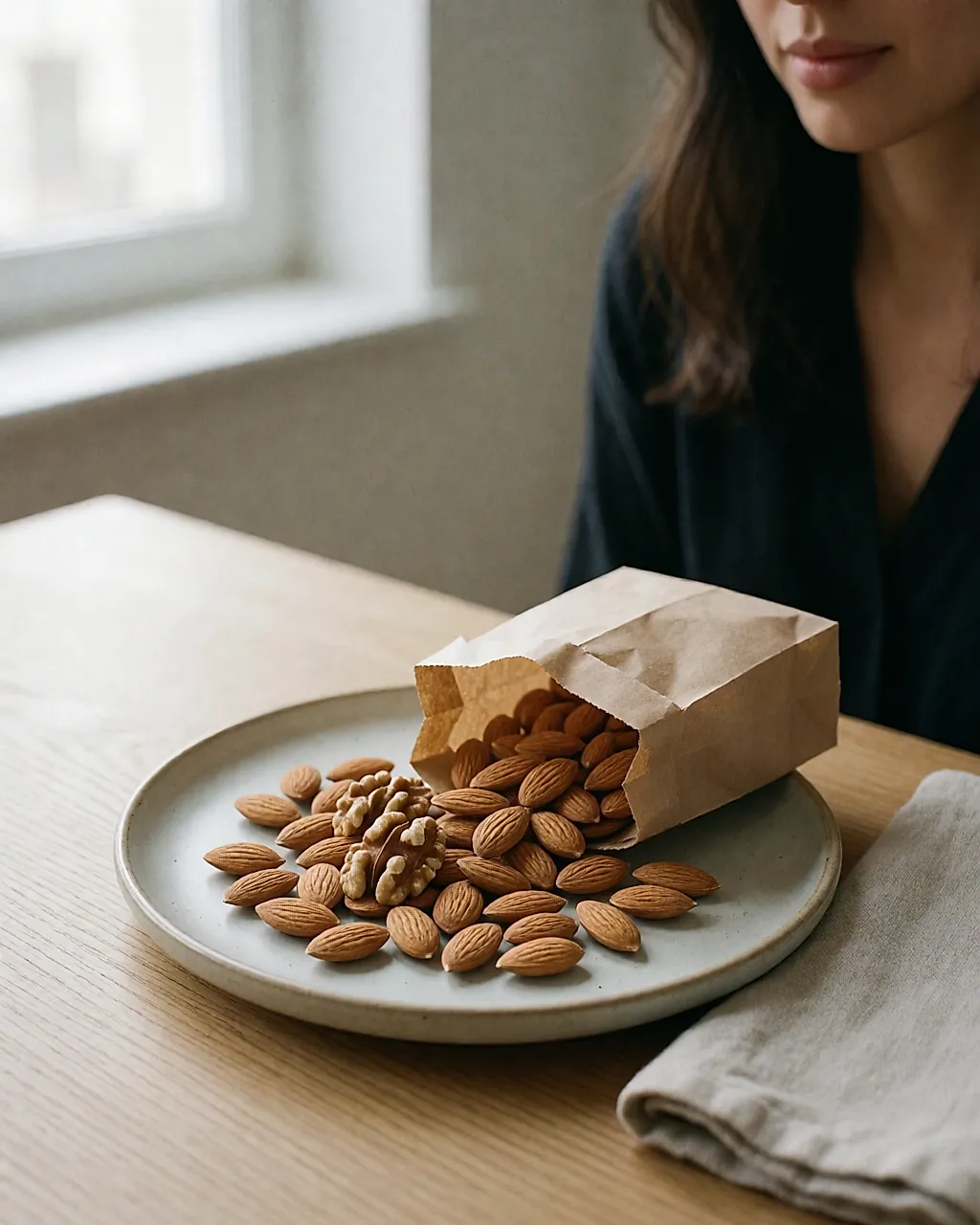
- Finally, think about including plant proteins: pulses (lentils, chickpeas) are low in fat and high in fibre, and they're needed for a balanced diet anyway. Soya is one example, and there are plenty of others: almonds and other nuts are rich in protein but also in fat. Generally speaking, combining pulses with grains is a winning protein duo.
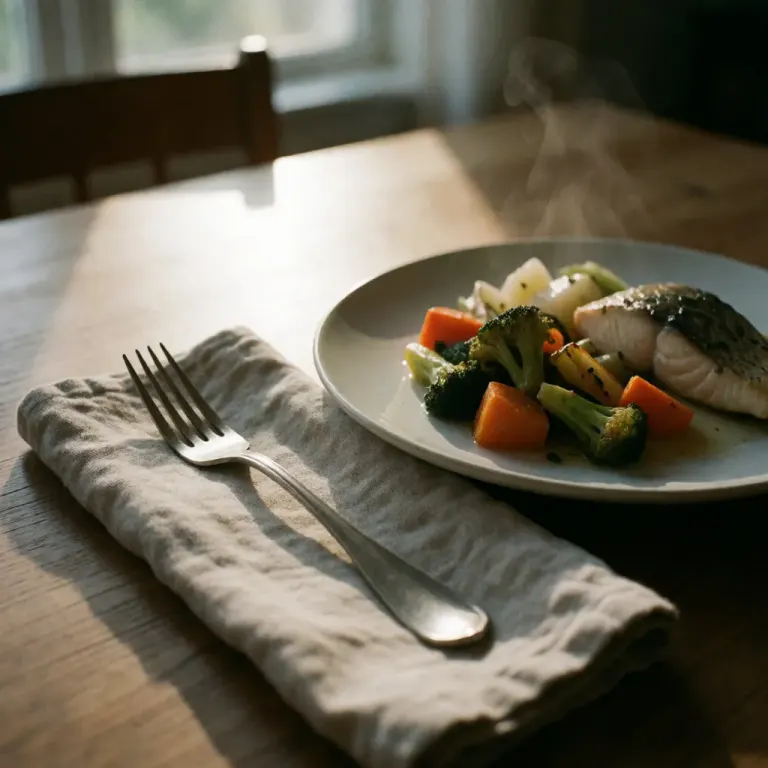
Also worth noting: how you cook matters. Fish and meat are better cooked in foil parcels, grilled or roasted rather than fried. Avoid rich, fatty sauces. Think about steaming, which preserves flavour and is a healthy cooking method.
Daily protein needs are calculated in relation to body weight. For a healthy adult, common guidance is around 0.8 g per kilogram of body weight per day. For a woman weighing 55 kg, that's about 44 g of protein a day. In practice, if you're unsure about your intake, speak to a healthcare professional: a GP or registered dietitian can advise you.
For reference: a plain yoghurt provides around 5 g protein, an egg 6 g, 100 ml milk 3 g, 100 g white meat around 30 g, a soya steak 15 g, a lean beef patty 20 g, as does a portion of salmon, 150 g fromage frais 10 g, while 200 g lentils provide 15 g protein.
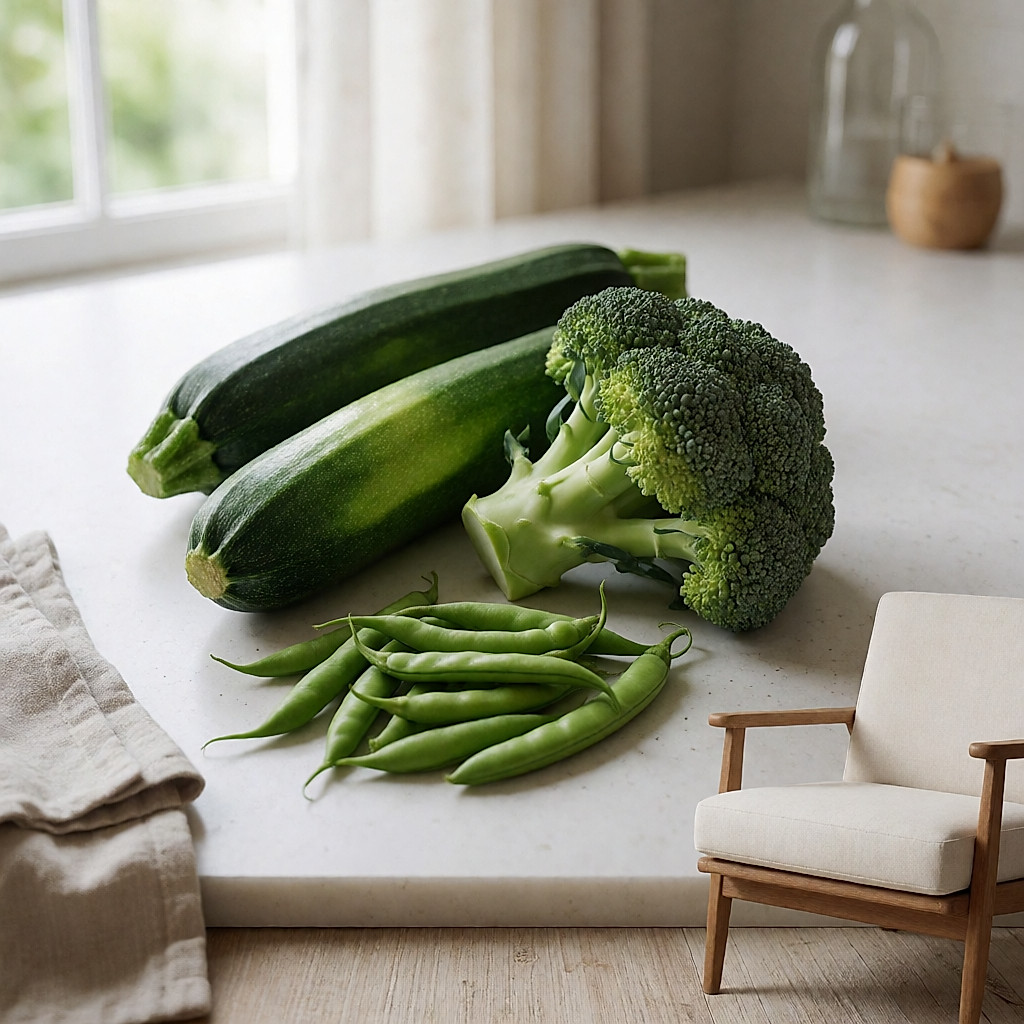
Of course, your diet won't be made up of protein alone: losing weight is one thing, but you don't want to risk deficiencies. So don't forget vegetables. Choose green ones at the start of your diet, then whatever you fancy—no need to restrict them.
Fruit is essential too. To get weight loss started, you might prefer lower-sugar fruits at first—a practical pointer rather than a rule—but in general they remain low in calories and shouldn't be restricted.
Grains are better when you choose wholegrain versions: the same goes for pasta, rice and bread.
Rather than frying everything, add a tablespoon of plant oil to salads and dishes, varying the type: walnut, olive, olive and rapeseed, sunflower, grapeseed. Unsaturated fats are essential for the body.
Finally, if you get peckish between meals, skip pastries, chocolate, biscuits and sweets; reach for a piece of fruit or some raw veg to crunch, or even a handful of nuts or dried fruit or a slice of wholegrain bread (but not the whole loaf!).
People on diets often ban anything labelled high-calorie, try to do too much too soon, and don't think enough about the effect such restrictions can have on the body and mood. Losing weight is one thing; losing it well is another. If you want to lose weight while keeping your energy up and reducing the chance of putting it back on, you need to choose foods wisely—starting by not neglecting protein. It fuels the body and muscles, contributes to satiety, and can help preserve muscle mass when intake is adequate. Good reasons not to cut it out.

Budget
On a budget, plant proteins and eggs are usually the most affordable: expect to pay around £1–£2 for a tin of pulses, £2–£4 for a block of tofu, and £2–£4 for six eggs. For fish, budget £10–£25 per kilo depending on the species, and £10–£20 per kilo for white meat. Prices vary widely according to origin, whether it's organic, how it's preserved (fresh or frozen) and where you shop: compare supermarkets, markets, butchers and specialist shops, as frozen fish and dried pulses are often the cheapest way to get an equivalent amount of protein.
Sources
- NHS, The Eatwell Guide, nhs.uk/live-well/eat-well/ (UK healthy eating guidance).
- EFSA (European Food Safety Authority), Dietary Reference Values for protein, 2012.


Comments
Your opinion matters: rate the article, react and reply to comments.
Comments are moderated; AI-assisted comments are flagged. Text emoticons (8-), :-), <3…) are automatically shown as images.