

Protein is part of the foundations of a balanced diet — a need to meet, never a diet goal. When you are losing weight, how much you need is a conversation to have with a professional, not something to settle on a forum at three in the morning.
The practical step is small: a little protein at each meal rather than one big Sunday meal and nothing afterwards. Eggs, fish, poultry, pulses, tofu, cottage cheese — there is nothing dramatic on that list, which is exactly why it lasts. Some situations, such as kidney disease, pregnancy or older age, shift these benchmarks: in those cases, you ask a professional rather than guess.
Muscle holds up better when you use it
A resistance band, two water bottles, a chair, a wall: the kit for strength training often fits in the corner of a living room. The aim is not to become a bodybuilder, but to send your body a clear signal — these muscles are still useful, so keep them. Cardio has plenty going for it, but it does not send that message in the same way.
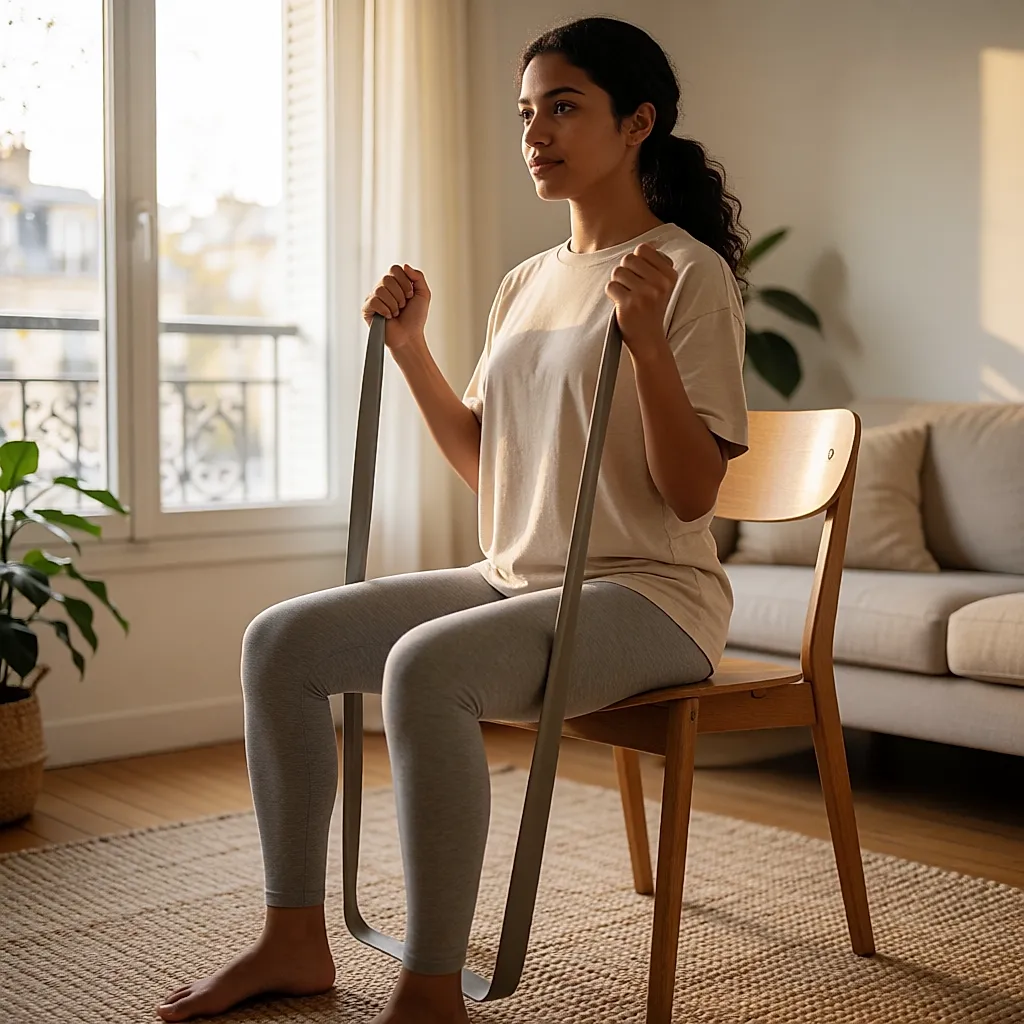
Many people suggest two sessions a week, adjusted to your starting point, fatigue and any pain. In practice, the key point is this: simple, controlled and progressive movements done regularly beat three hours in the gym in January followed by eleven months of silence. After pregnancy, an injury or years away from exercise, a physiotherapist or qualified instructor can help you build the basics without injury.
The case for a slower pace
What you lose matters less than how fast you lose it. The figures often quoted sit around 0.5 to 1% of body weight per week — a rule of thumb, not a law set in stone. A gentler pace gives the body time to draw on its fat stores and preserve more lean mass.

Highly restrictive programmes and promises of 'a dress size down every week' have one thing in common: they bring the number down fast, and the consequences play out elsewhere. This is not a matter of willpower; it is biology.
Skin remembers the pace
This is the unfair part. Skin has its own tempo, and no one consults it before starting a diet. Its elasticity depends on factors you do not choose — age, genetics — and others that can be managed or avoided: how fast you lose weight, hydration, sun exposure and smoking. Skin that has carried 10kg of extra weight for years will not tighten back in a few weeks.

That is no reason to do nothing. Drinking enough water, protecting your skin from the sun, sleeping, and above all giving weight loss time: these are the things that genuinely help. Moisturisers provide comfort, which already counts. But be sceptical of promises of dramatic firmness: no cream replaces a sensible pace and maintained muscle.
When to speak to a professional. Rapid, unintentional weight loss, dizziness, fatigue that doesn't go away, changes to your periods or a difficult relationship with food are reasons to seek medical advice, not details to work around. A GP or dietitian can adapt the pace and your intake to your situation — and that is often where the final result is really decided.
The shape you are in two years from now will not depend on the number on day one, but on what is left around it: muscle that has held on, skin that has had time, and a way of eating you can keep up on a rainy Tuesday evening. It is hard to say more: what happens next also depends on your body and its history.


Comments
Your opinion matters: rate the article, react and reply to comments.
Comments are moderated; AI-assisted comments are flagged. Text emoticons (8-), :-), <3…) are automatically shown as images.