
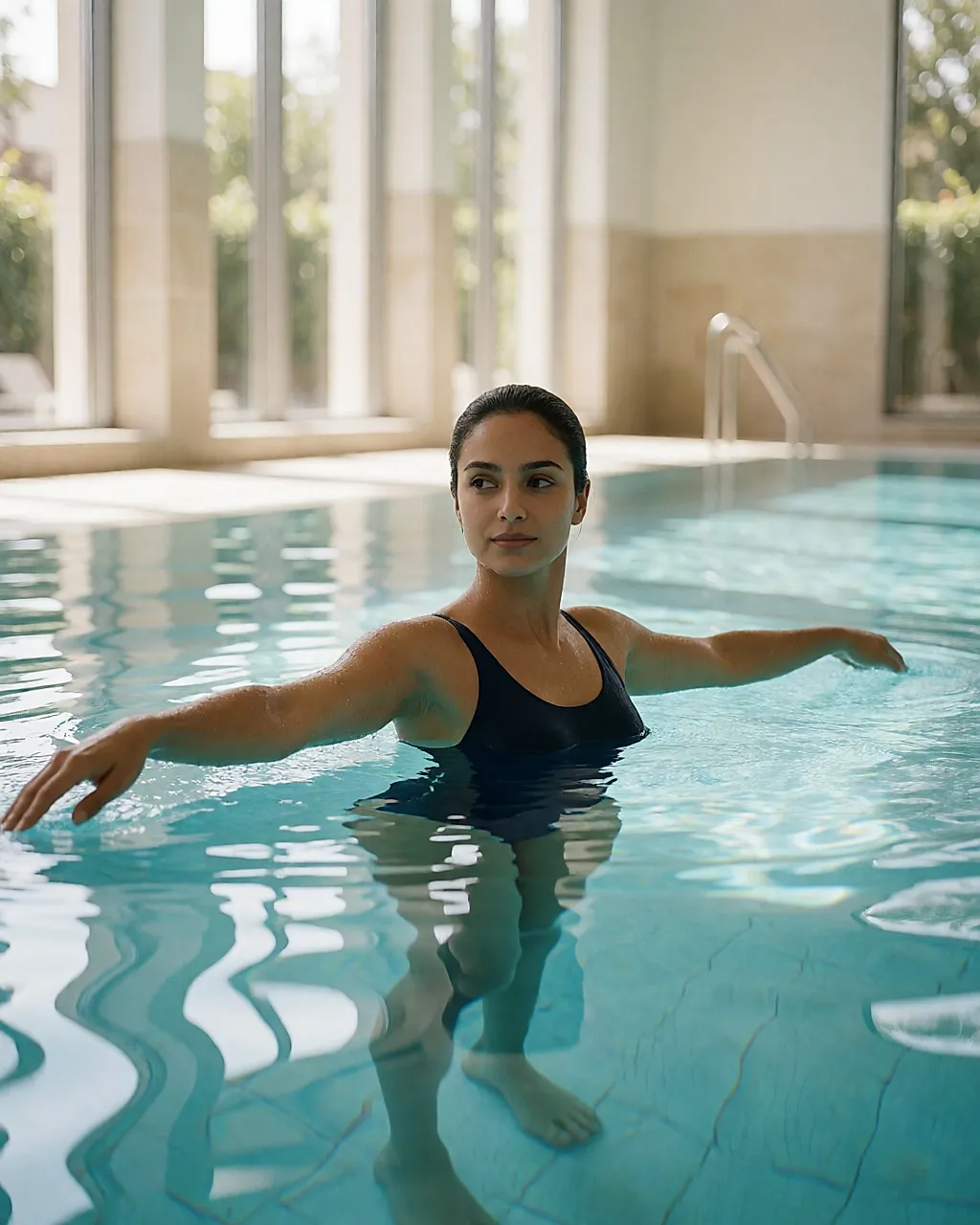
Are you looking for an activity your body can handle without complaint, and that makes you want to come back the following week? Aqua aerobics, also called water fitness or aqua fitness, takes place in the pool at your own pace, with no jumping and no jarring landings.
Why the water changes everything
In a pool, you almost float. Archimedes' principle is at work: the water supports you, so you can keep moving without the impact of the ground. In practice, it is one of the few forms of exercise that works all your muscles while sparing your joints.
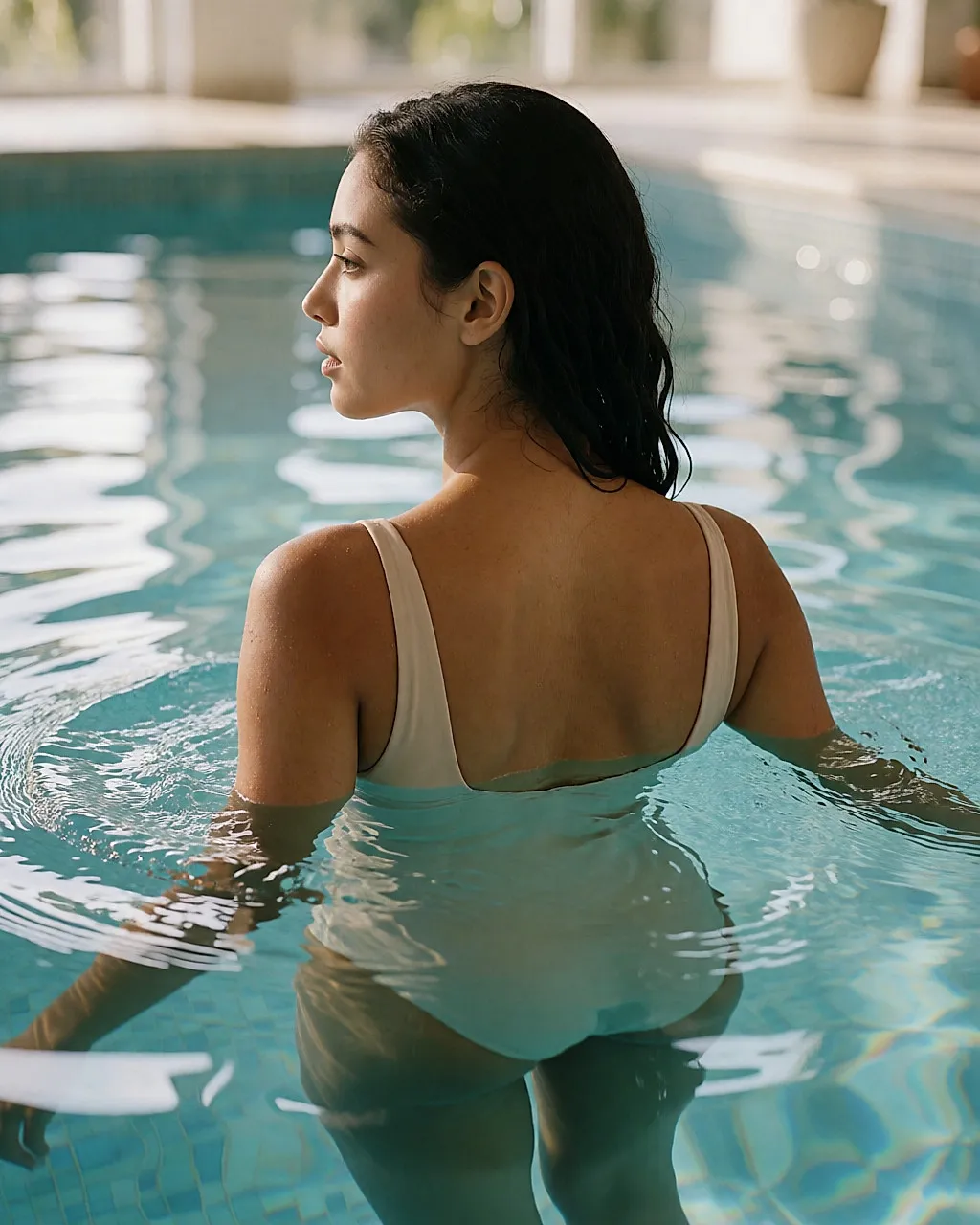
Water also exerts pressure that increases with depth. This pressure gradient helps blood flow back from the veins towards the heart. More broadly, regular physical activity - in water or on land - is one of the habits that help you look after your heart and sleep better.
One myth worth setting aside: aqua aerobics will not banish cellulite on its own. It counts towards your overall energy expenditure, just like walking or cycling.
A gentle sport is not the same as a risk-free one. If you are pregnant, have recently had surgery, have poorly controlled blood pressure or a heart condition, speak to a GP, midwife or specialist before you start. In the water, fatigue is less noticeable; begin with short sessions.
What a session actually involves
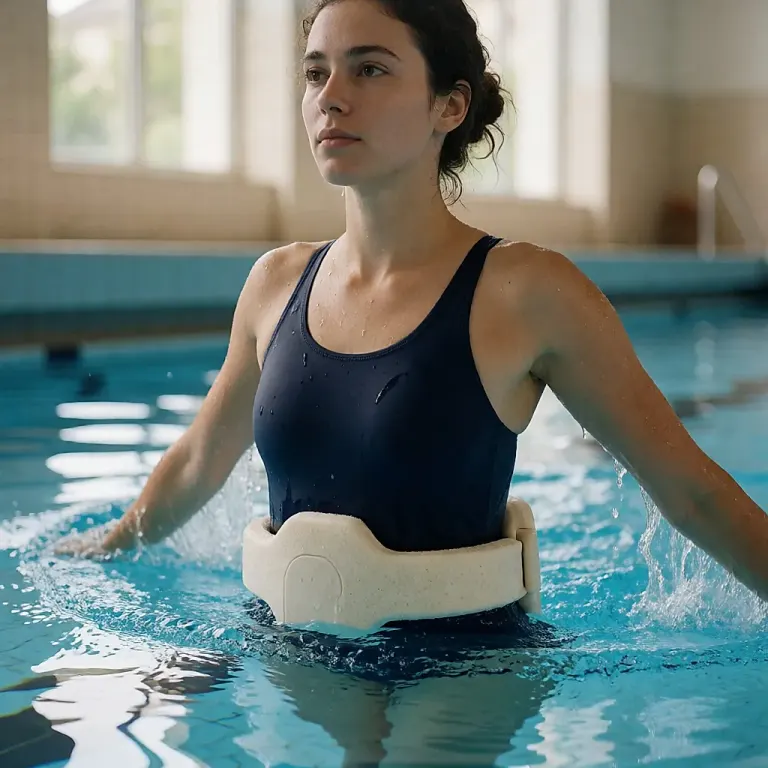
Classes often last 45 minutes to an hour, warm-up included. You alternate arm, leg and core work, often with equipment such as a float belt, pool noodles and foam dumbbells. Many people aim for two sessions a week and sometimes add walking.
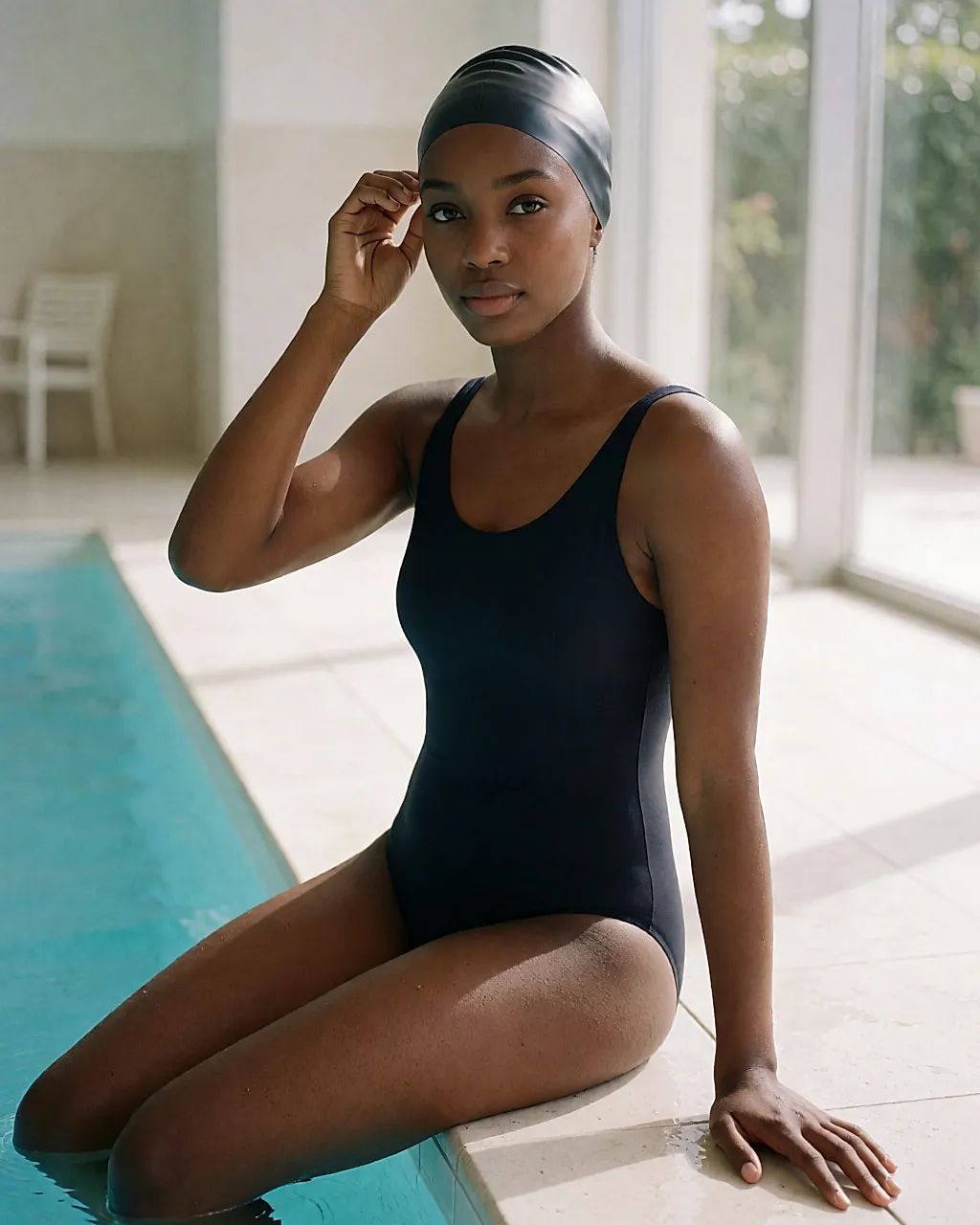
For kit, the essentials are simple: a swimsuit you feel comfortable in and a good silicone swim cap. For swimwear, OEKO-TEX Standard 100 sets limits for unwanted substances according to defined thresholds. Bear in mind that most swimsuits are still made from synthetic fibres, which are difficult to recycle. Better to choose a chlorine-resistant piece you will wear for a long time than to buy three summer swimsuits.

Cost
Aqua aerobics remains one of the cheaper ways to exercise, especially at a council-run pool.
- Council pool: expect roughly £4 to £8 for an adult swim depending on the area, often less for residents or with an annual membership.
- Club or leisure centre class: expect around £8 to £20 for an instructor-led session; ten-session cards and quarterly passes bring the unit price down.
- Health club or spa: from around £20 per session, with day passes considerably higher.
- What changes the price: location, instructor, time of day, session length and whether you pay as you go or by membership.
- Where to find it: council pool, a club affiliated to Swim England, Scottish Swimming or Swim Wales where available, a gym with a pool, or a spa.
Sources
- World Health Organization, WHO Guidelines on physical activity and sedentary behaviour, 2020.
- UK Chief Medical Officers, UK Chief Medical Officers' Physical Activity Guidelines, 2019.
- NHS, Exercise and physical activity guidance.
- Swim England, aqua fitness and pool-based exercise information.

Comments
Your opinion matters: rate the article, react and reply to comments.
Comments are moderated; AI-assisted comments are flagged. Text emoticons (8-), :-), <3…) are automatically shown as images.