
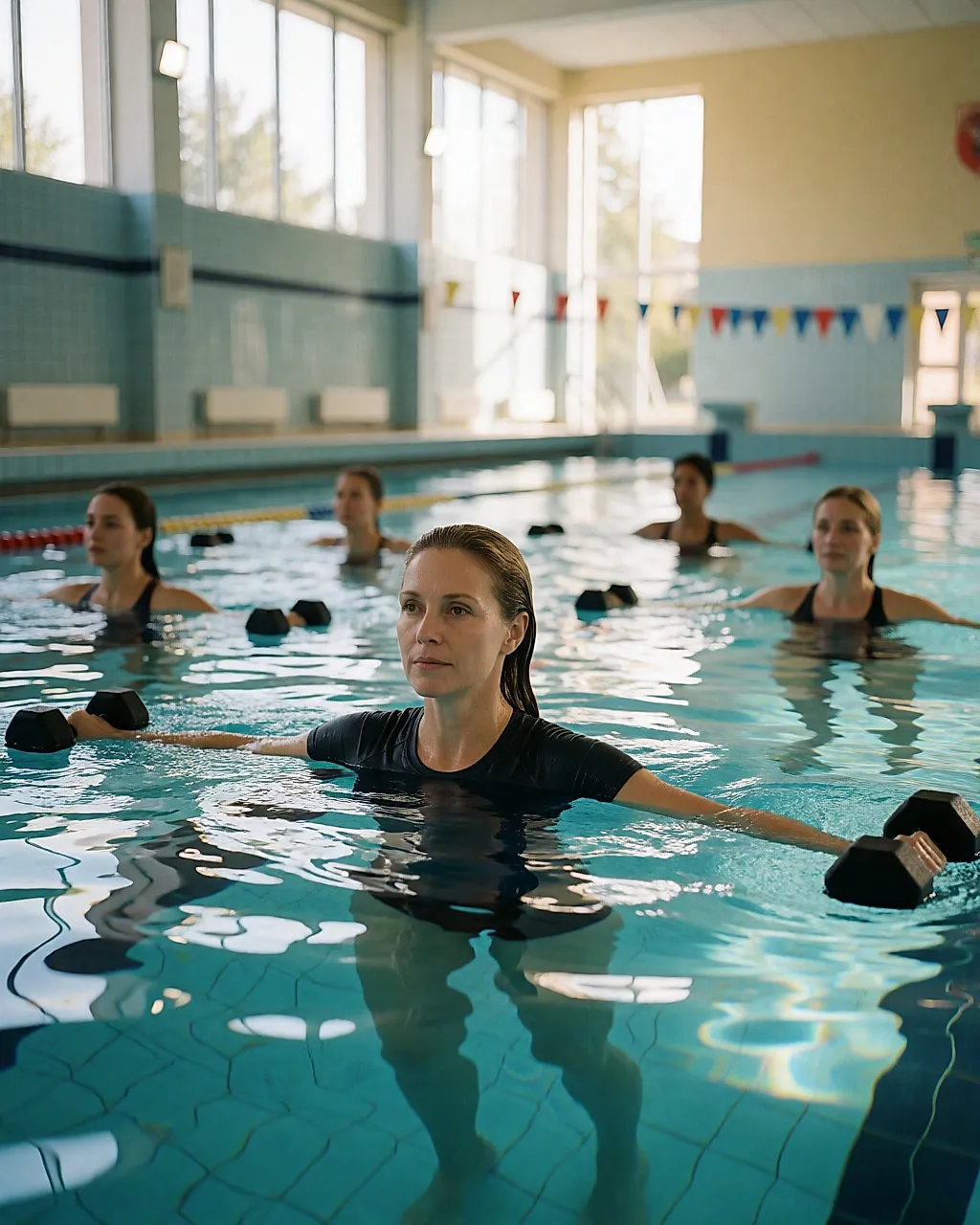
You’ve been promised that aqua aerobics melts away weight without hurting your joints, and that you leave the pool more toned than when you got in. There’s some truth in that — and a lot to qualify. It’s a genuine appointment with your body, as long as you don’t ask it to do what it can’t. Let’s take a calm look, with no empty promises.
What the water really does for your body
The moment you get into the water, every movement changes. Water is much denser than air: it resists the smallest step in place, the smallest arm movement. You may not notice it at the time, and yet every action demands an effort the ground wouldn’t ask for. Your body works, without your joints having to carry your full weight.
Thanks to buoyancy (Archimedes’ principle), the load on your knees, hips and back falls significantly. Current data suggest that aquatic activity is generally well tolerated by people who struggle with high-impact exercise: nagging tendon problems, fragile lower backs, returning to exercise after a long break. Nothing spectacular there: you expend energy, you work your thighs, glutes, abs, back and shoulders, and your cardiovascular endurance improves over time.
When it comes to energy expenditure, be wary of round numbers. A well-run 45-minute session often falls within a range of a few hundred calories, but everything varies: intensity, starting level, water temperature, body shape. A class where you chat more than you move isn’t worth as much as a circuit with no downtime.
In practice, remember this: aqua aerobics maintains fitness; it doesn’t replace a varied diet, or support if you’re aiming to lose weight in a lasting way. As for cellulite, it depends on several factors, and no single activity makes it disappear. Talk to a healthcare professional or a qualified exercise professional if you want to set a realistic goal.
A session that leaves you a little sore the next day is normal. Pain that persists, joint discomfort that settles in, or unusual breathlessness should prompt you to seek medical advice. Water can sometimes mask fatigue: drink water during the session and never hold your breath to get through an exercise.
A rhythm to keep up the pace
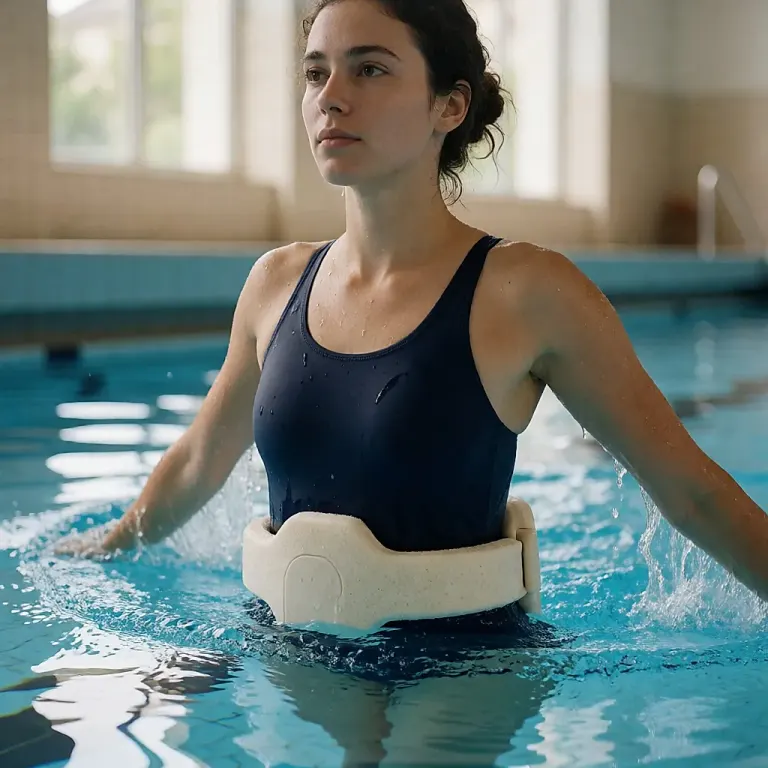
In practice, many participants aim for one or two sessions a week, adjusting according to your level, alongside the 150 minutes of moderate activity a week recommended by health authorities. Many council pools run aqua aerobics sessions at lunchtime or in the evening, and equipment — flotation belts, foam dumbbells, float boards — is often provided.
Group classes have a real advantage: the music, the group and the rhythm hold your motivation in place when it starts to slip during solo workouts.
Pregnancy: staying active, with the right support
Being active during pregnancy is not a contraindication in itself when the pregnancy is progressing normally. In the water, the bump feels lighter, and many expectant mothers find real comfort there. You should, however, get the go-ahead from your midwife or doctor, avoid pools that are too warm, and report contractions or any fluid loss straight away. Sessions dedicated to pregnant women, supervised by a trained professional, remain the best option.

Budget
- Entry to a council pool: expect around £3 to £7 per session, often less with a resident discount.
- Group classes at a leisure centre or studio: expect around £8 to £18 per session, with class passes or annual options (often £200 to £500).
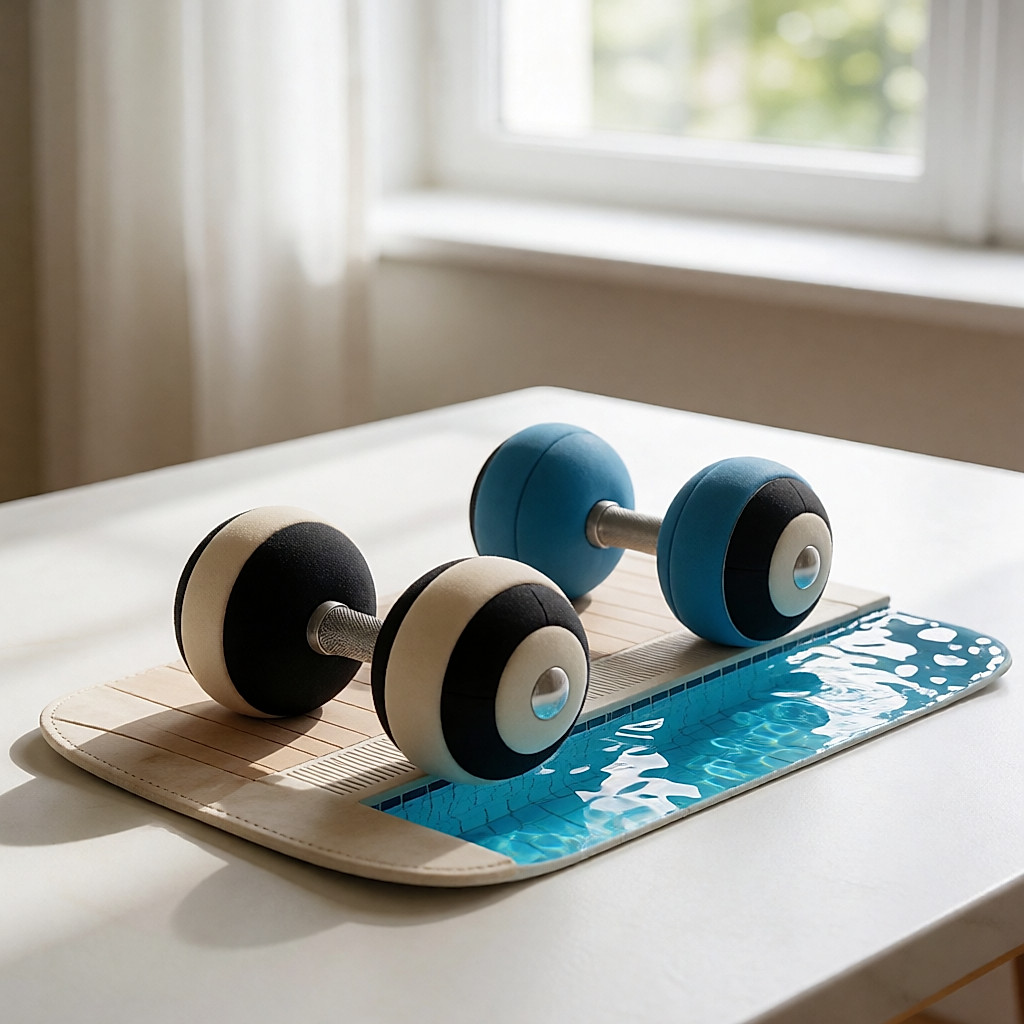
- Kit: a one-piece swimsuit, swim cap and goggles from around £30; a flotation belt or foam dumbbells are usually available to borrow on site.
On the kit front, you could also look at swimsuits made from recycled polyamide or swim caps made from natural rubber: these are credible options, provided you check the actual composition and where the textile comes from rather than trusting a vague claim on the label. These rough figures vary by city, by the type of provider (public, community or private) and by the level of supervision. Community clubs are often the most affordable.
Sources
- World Health Organization, WHO Guidelines on Physical Activity and Sedentary Behaviour, 2020.
- UK Chief Medical Officers, UK Chief Medical Officers’ Physical Activity Guidelines, 2019.
- NHS, Physical activity guidelines for adults.
- NICE, guidance on promoting physical activity.

Comments
Your opinion matters: rate the article, react and reply to comments.
Comments are moderated; AI-assisted comments are flagged. Text emoticons (8-), :-), <3…) are automatically shown as images.