
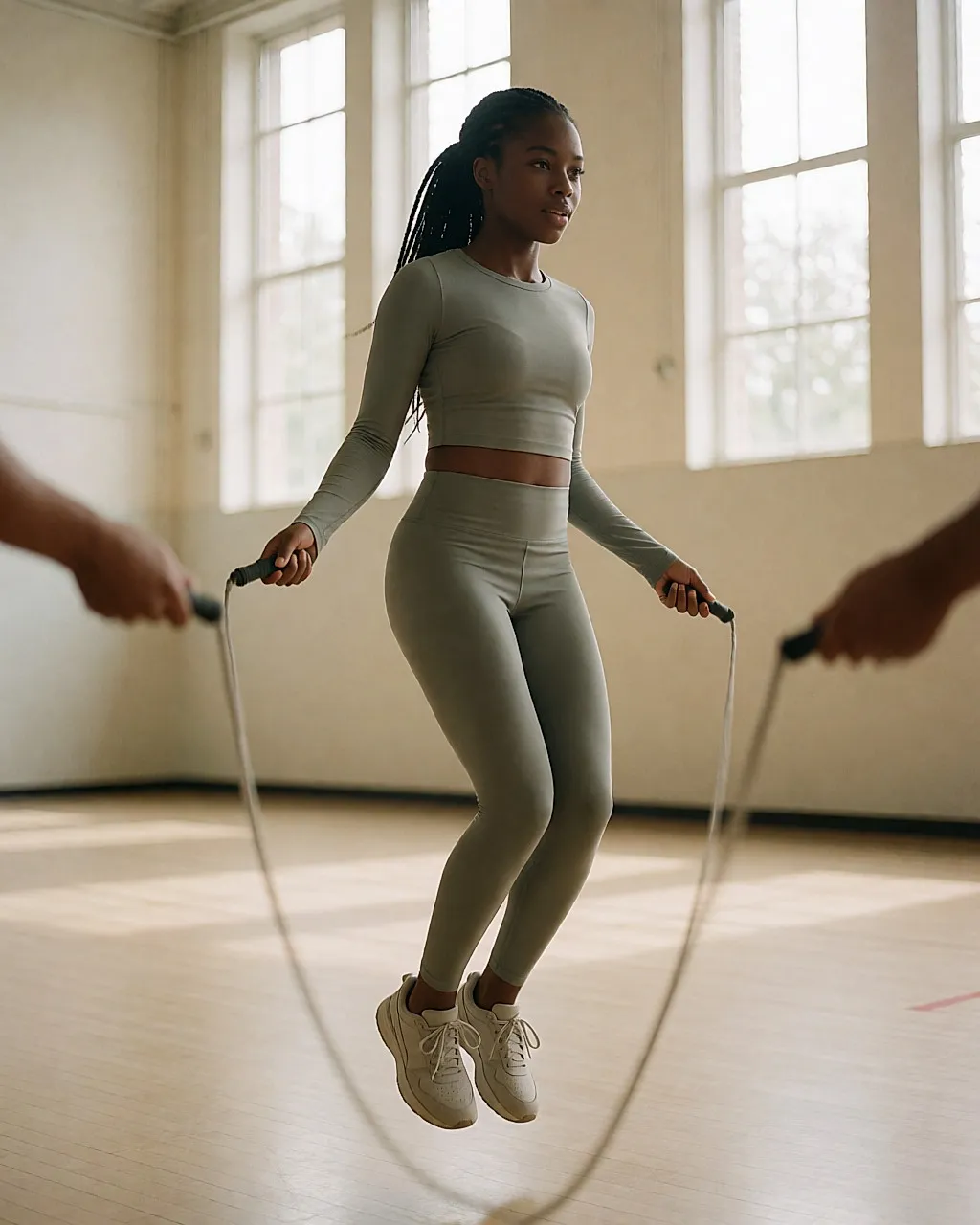
Have you ever come across one of those videos where two ropes turn in opposite directions, and a team jumps in, out, and through a series of jumps and figures? That's Double Dutch. Behind the spectacular effect is a complete, codified sport that works your heart, coordination and team confidence. Good news: you can start without much kit, as long as you build up gradually.
Two ropes, one rhythm, one team
The principle can be explained in one sentence, but it is experienced as a group. Two turners spin two ropes in opposite directions; one or two jumpers enter the rhythm, jump, cross over, exit and throw in figures. In competition, there are usually three events: compulsory figures, freestyle and speed. In speed, everything happens in a very short time — often two minutes — with as many jumps as possible on the clock.
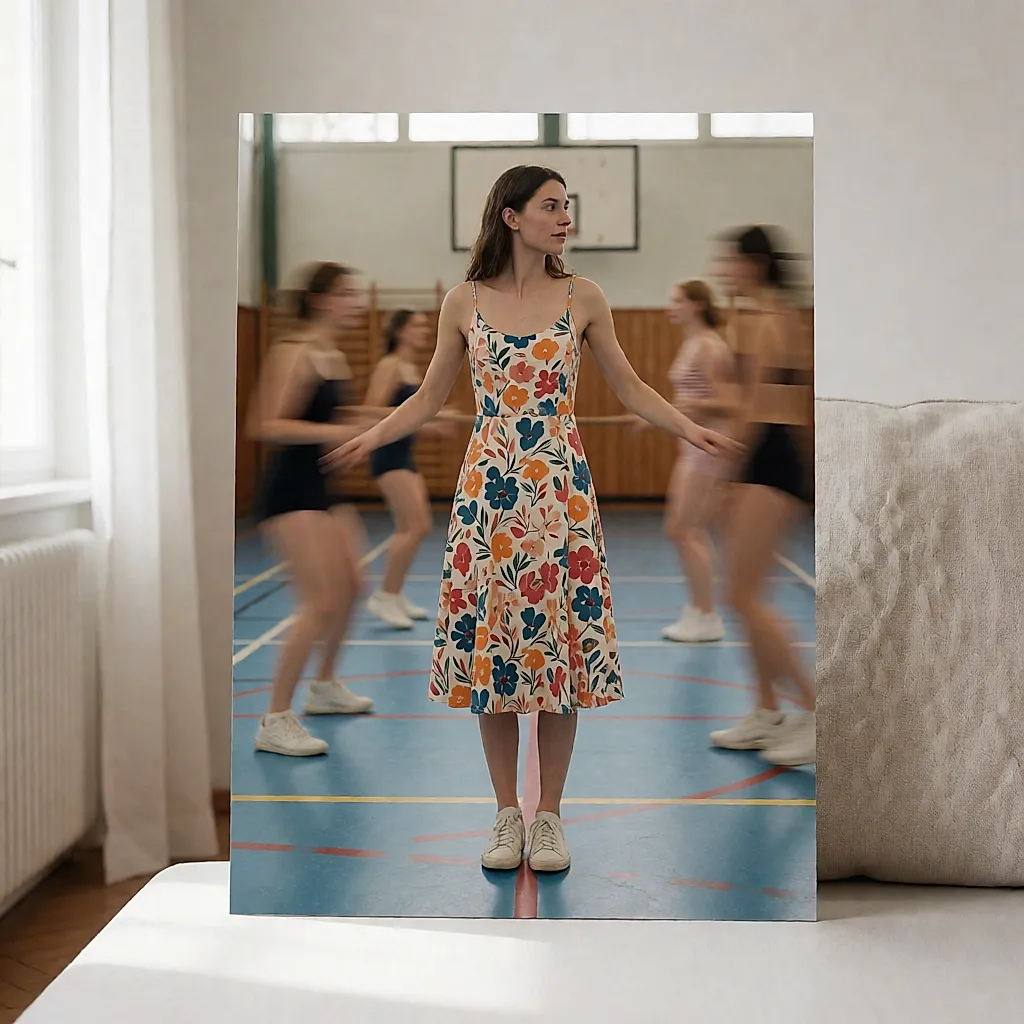
What gives the discipline its flavour? The interdependence between bodies: your move depends on your neighbour's, and vice versa. There's no room for a lone star. It's a sport of listening as much as legs.
Where does Double Dutch come from?
The practice comes from the United States. It is thought to have emerged in the wake of Dutch settlers in New York around the 17th century, as a street game. In the 1970s, it became more structured: the American Double Dutch League turned the game into an organised sport, with rules, clubs and competitions.
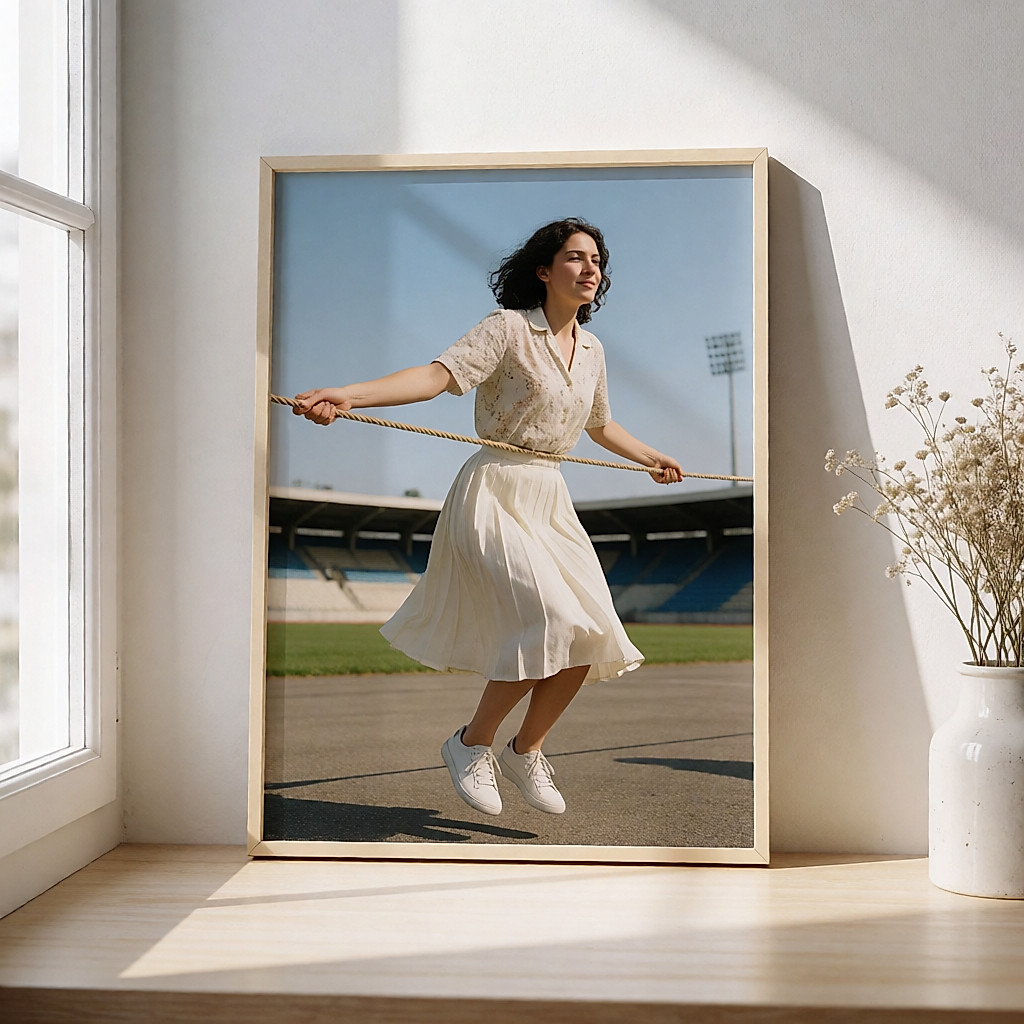
In France, Double Dutch arrived in the 1980s, led by groups of young people in the Paris suburbs. The French Double Dutch Federation was created in 1990 and helped raise the sport's profile. Today it remains a niche activity, but it lives on in clubs, schools, and at battles or demonstrations. Girls and boys both find a place in it, even though teams are often mixed, sometimes all-female depending on the setting.
What rope skipping does for your body
Current evidence suggests that regular endurance activity helps maintain heart, lung and metabolic health. Skipping is a cardiovascular and respiratory workout, involving impact and changes of pace: it works the calves, thighs, glutes and core.
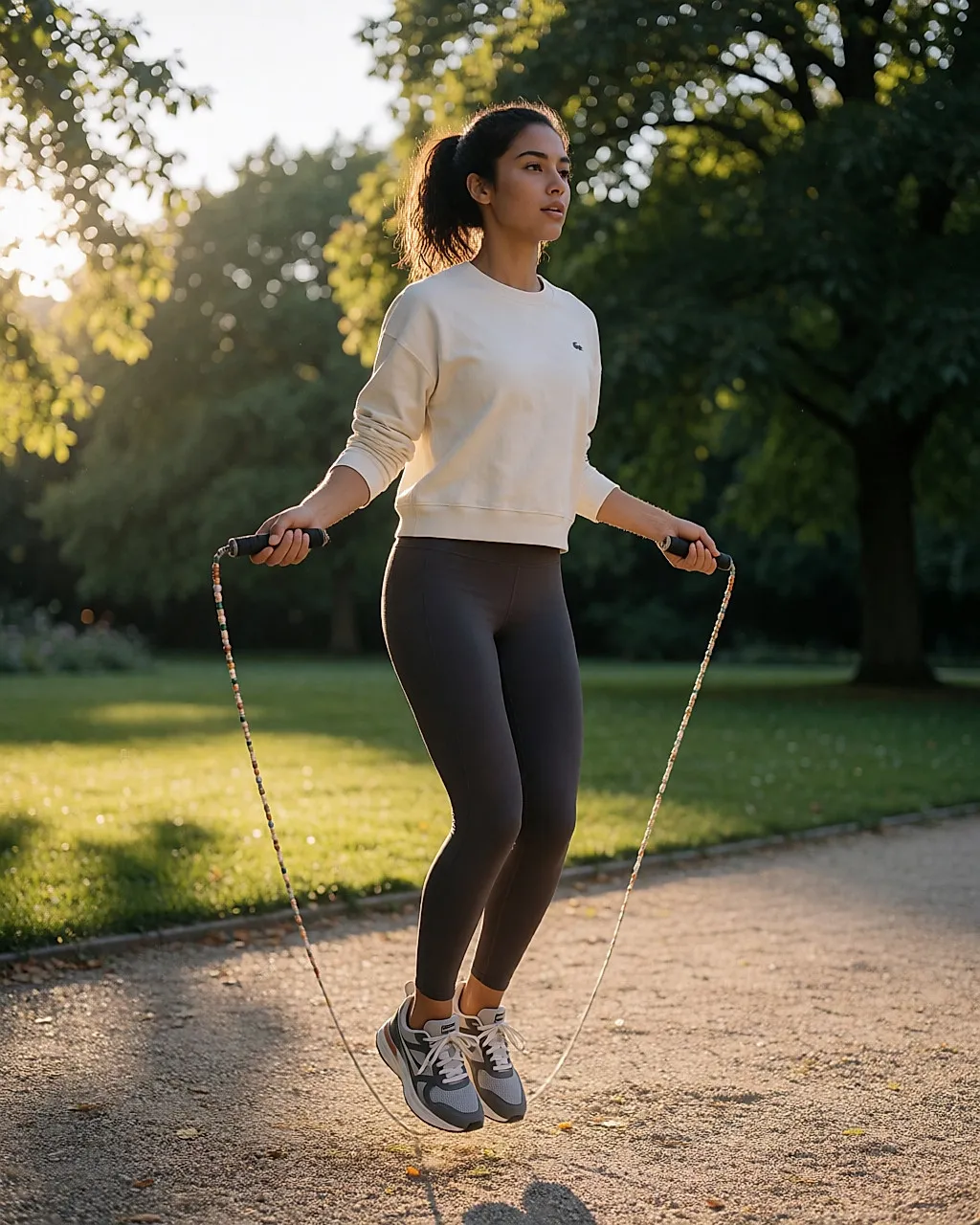
In practice, Double Dutch can therefore count towards your physical activity budget. The World Health Organization (WHO) recommends that adults get 150 to 300 minutes of moderate activity a week, or 75 to 150 minutes of vigorous activity, plus muscle-strengthening exercise twice a week. You don't have to do it all through Double Dutch: a few minutes several times a week is already better than a sedentary lifestyle, which remains a risk factor we can act on.
Be careful, though: skipping is not without risk. Repeated impacts can tire your ankles, knees or back if you increase too quickly. Prevention means warming up, wearing cushioned shoes, choosing a surface that isn't too hard and progressing slowly. If you have a heart condition or joint pain, are pregnant, or have any doubt about your fitness, it is advisable to speak to a healthcare professional before starting.
Start with 5 to 10 minutes, alternate skipping and walking, and stop if you feel pain, dizziness or unusual breathlessness. A trained instructor at a club remains the best way to learn entries and exits without getting injured.
How to get started without losing motivation
Look for a club near you, or a school sports association. To start on your own, an adjustable rope is enough to work on rhythm. Basic figures — two-foot jumps, alternating jumps, crossovers — are first repeated without a rope, then standing still, then moving. Consistency matters more than intensity: three 15-minute sessions a week already make a difference. You can also vary things with an individual skipping rope, which is easier to fit between classes.
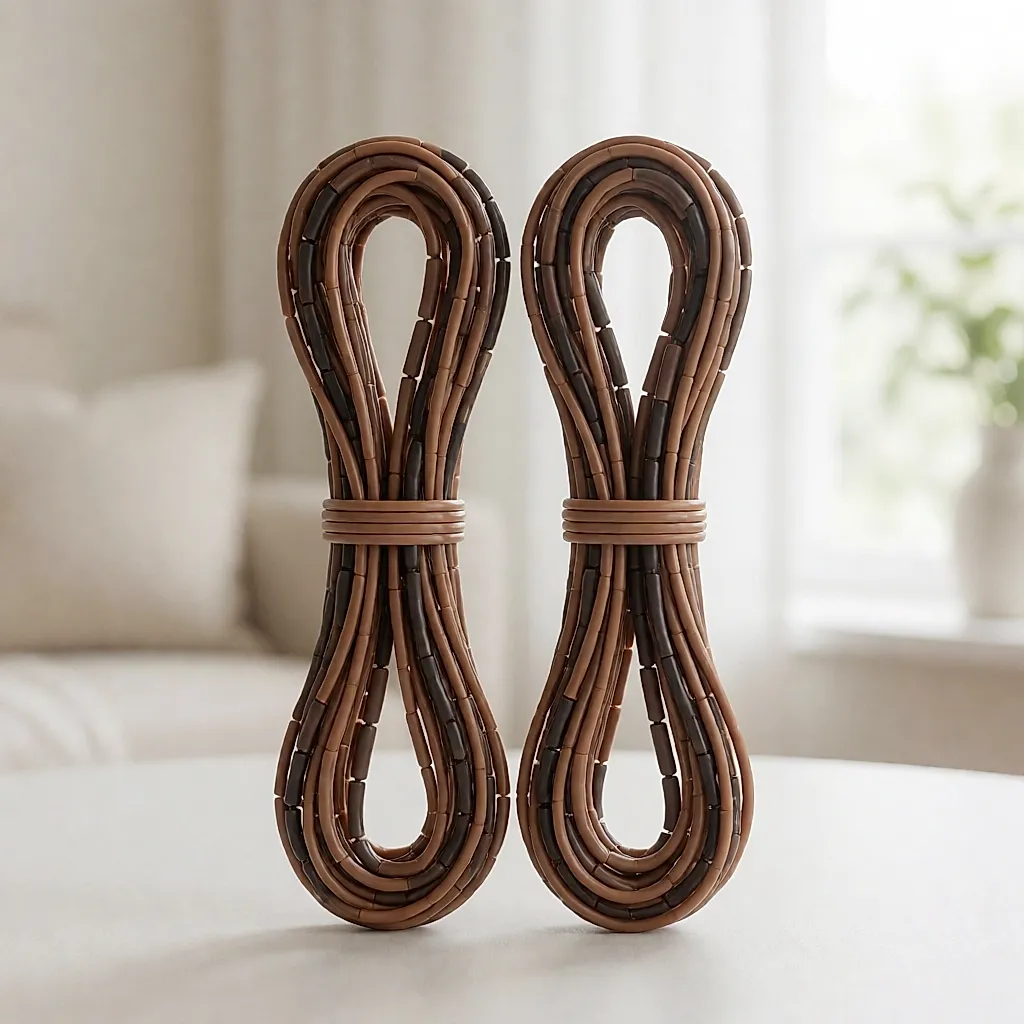
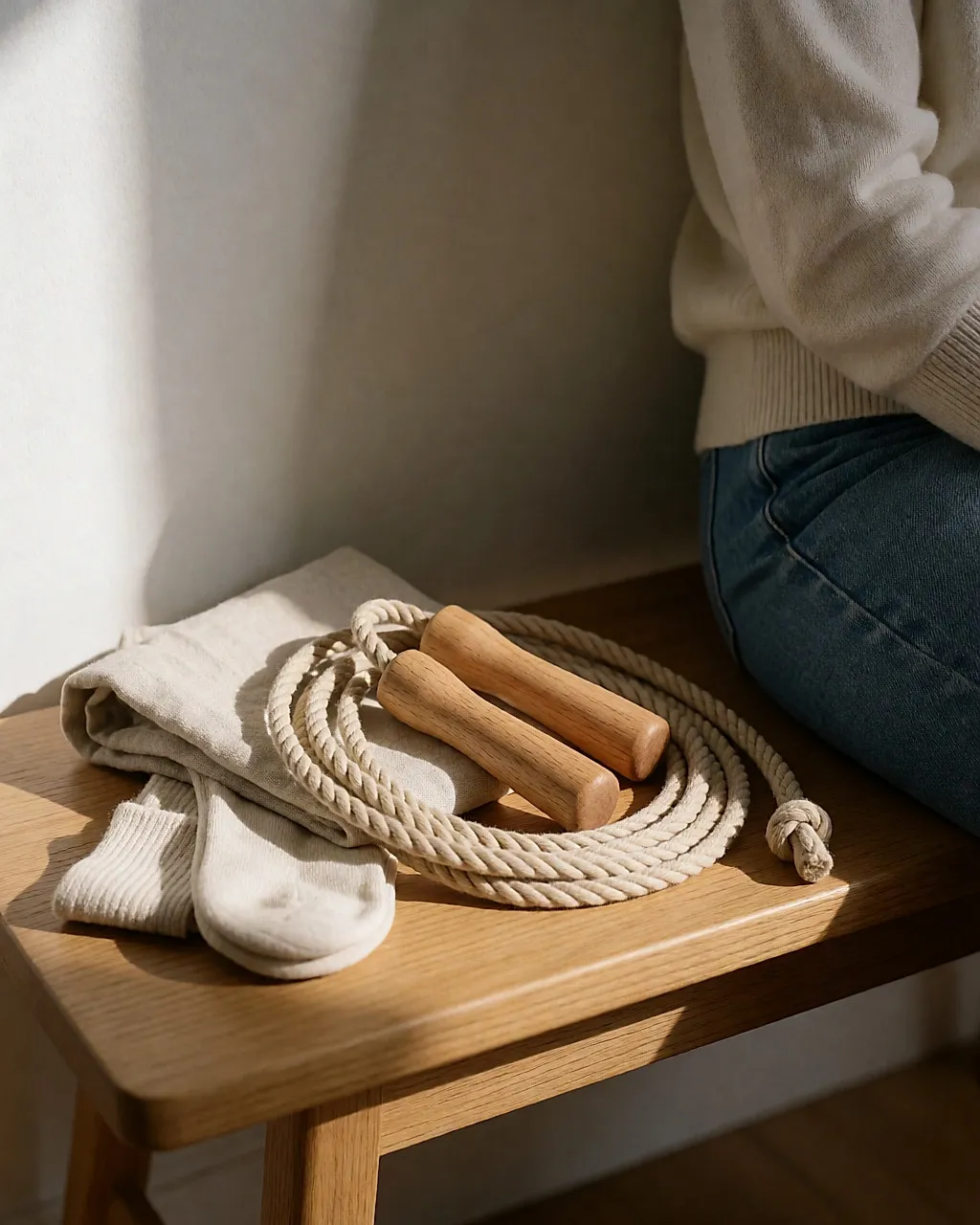
When it comes to kit, look at length, material and adjustment system. For speed, beaded or PVC ropes remain the standard, because they turn quickly and mark the rhythm. If you want to limit plastic, there are braided cotton ropes with wooden handles — a compromise to know about, as they are less suited to speed events. Check the composition and whether you can replace a handle rather than buying a whole new set.
Budget
In the UK, expect to pay around £5 to £20 for a simple individual rope, and £20 to £50 for a pair of Double Dutch ropes. General-purpose trainers often cost between £40 and £120; there's no need to aim high-end at first. Club membership usually ranges from £50 to £200 a year, sometimes less at a council-run club. One-off workshops or sessions often cost around £10 to £30 each.
These ranges depend on brand, materials, level and location. You'll find equipment at sports superstores, specialist shops, clubs or online. For a more considered purchase, choose an adjustable, repairable rope without unnecessary packaging: it cuts waste and lasts longer.
Sources
- World Health Organization (WHO), recommendations on physical activity for health.
- Santé publique France, "Physical activity and sedentary behaviour" dossier.
- American Double Dutch League, history and rules of the discipline.
- French Double Dutch Federation, introduction to Double Dutch and competitions.

Comments
Your opinion matters: rate the article, react and reply to comments.
Comments are moderated; AI-assisted comments are flagged. Text emoticons (8-), :-), <3…) are automatically shown as images.