

Day-to-evening looks: volume, fabrics and contrast
You spot a red-carpet photo and save it without thinking, convinced you've found THE look. Then two days later, in front of your open wardrobe, you realise none of your pieces look like that. We've all been there, haven't we? The good news is that a look that lands rarely owes its success to the price of the pieces. It owes everything to a clever balance: a readable silhouette, two fabrics that speak to each other, one detail that breaks the symmetry. That's the grammar we're going to unpick here, without a patronising lecture and with a real budget in hand.
The golden rule of volume and fabric
Before you try to copy a look you've seen in a photo, start by observing the volumes. Either it's loose on top and slim on the bottom, or the other way round, but never both at once, or you risk drowning your silhouette. This principle is even more true for evening outfits, where the drape of the fabric does all the work. Once you've got that base, count the fabrics: you need one soft against the skin (knit, wool, satin) and another that contrasts sharply (leather, raw denim, metal). For colours, two shades maximum, plus a small accent to brighten the whole thing.
If you apply this method, any outfit spotted in a magazine or on a screen becomes reproducible with what you already own. The secret to a polished look isn't piling on designer pieces, but getting the proportions right.
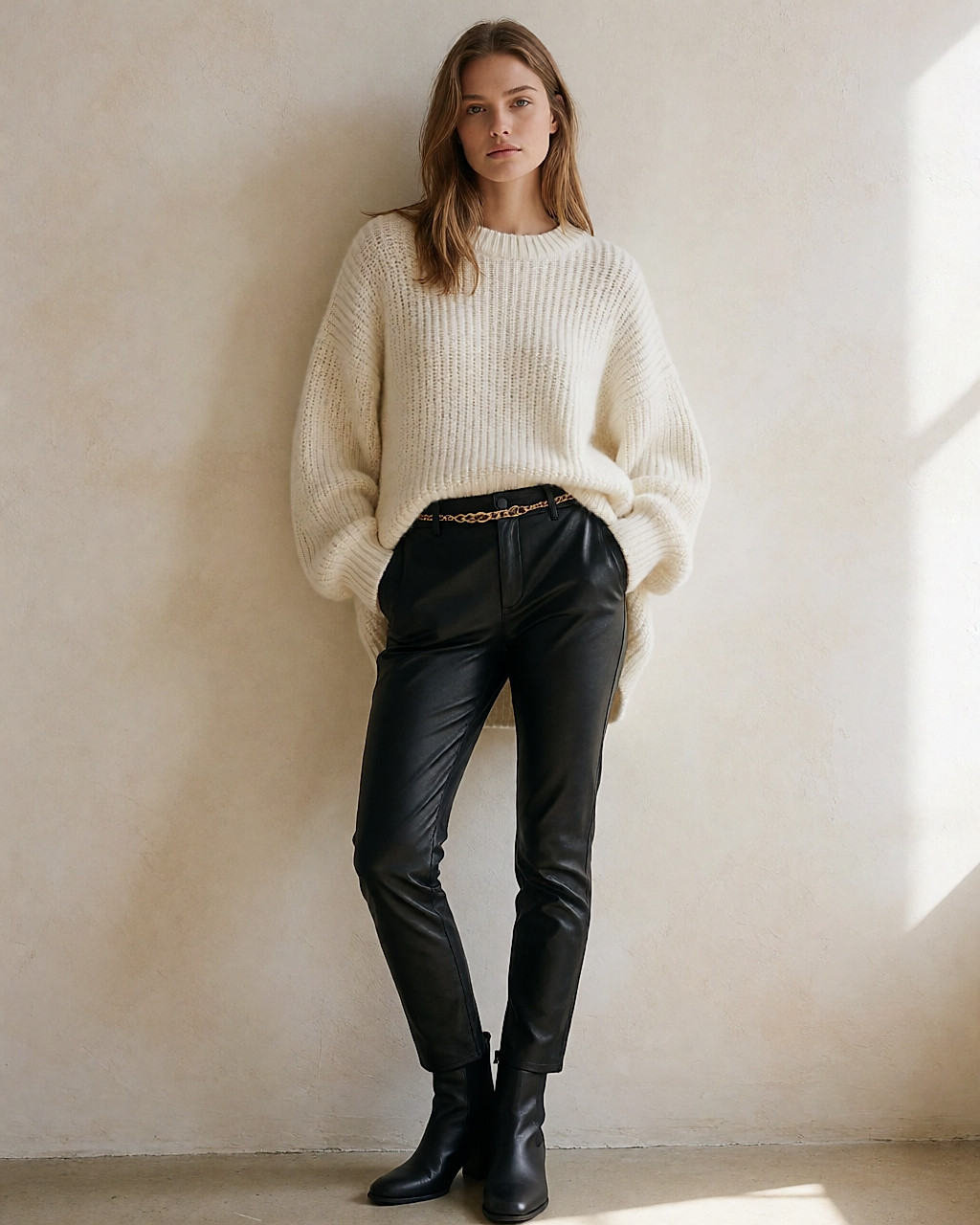

Evening: black, but not boring
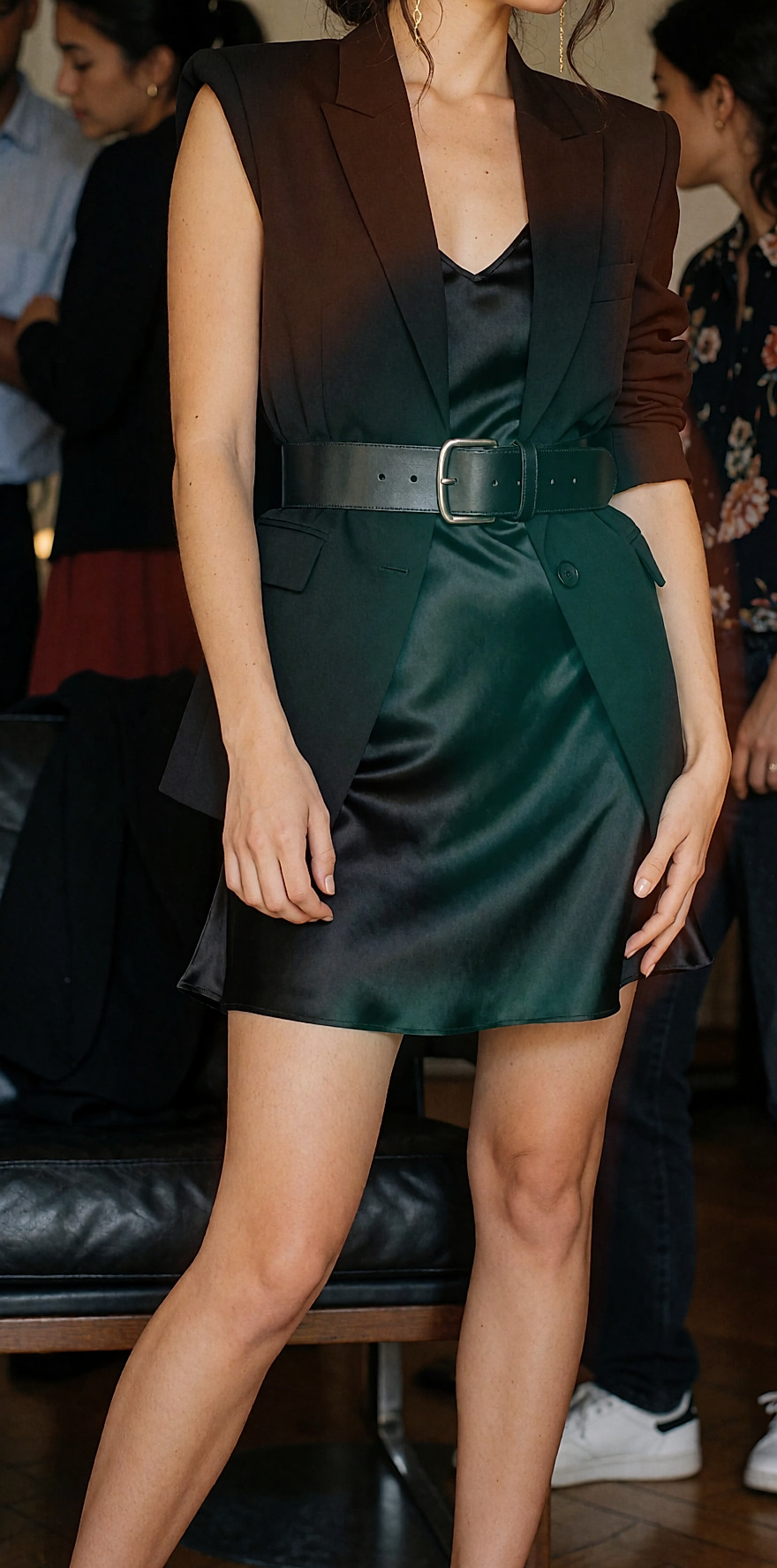
The fitted little black dress slipped under a soft leather jacket and tall boots remains the formula that never fails. In recent seasons, the catwalks have shown more slip dresses and draped dresses than second-skin styles, while the oversized jacket happily replaces the fitted cut. The move that changes everything is adding a belt or a jacket with structured shoulders. It breaks the line and stops the whole thing from getting boring in an overly sensible all-black look. A discreet print slipped into the outfit or a satin texture is enough to wake up the silhouette without shouting.
Why not go for a draped dress rather than an overly fitted piece? Draping brings movement and lets the outfit breathe, which makes it far more elegant at an evening event where you're standing for a long time.


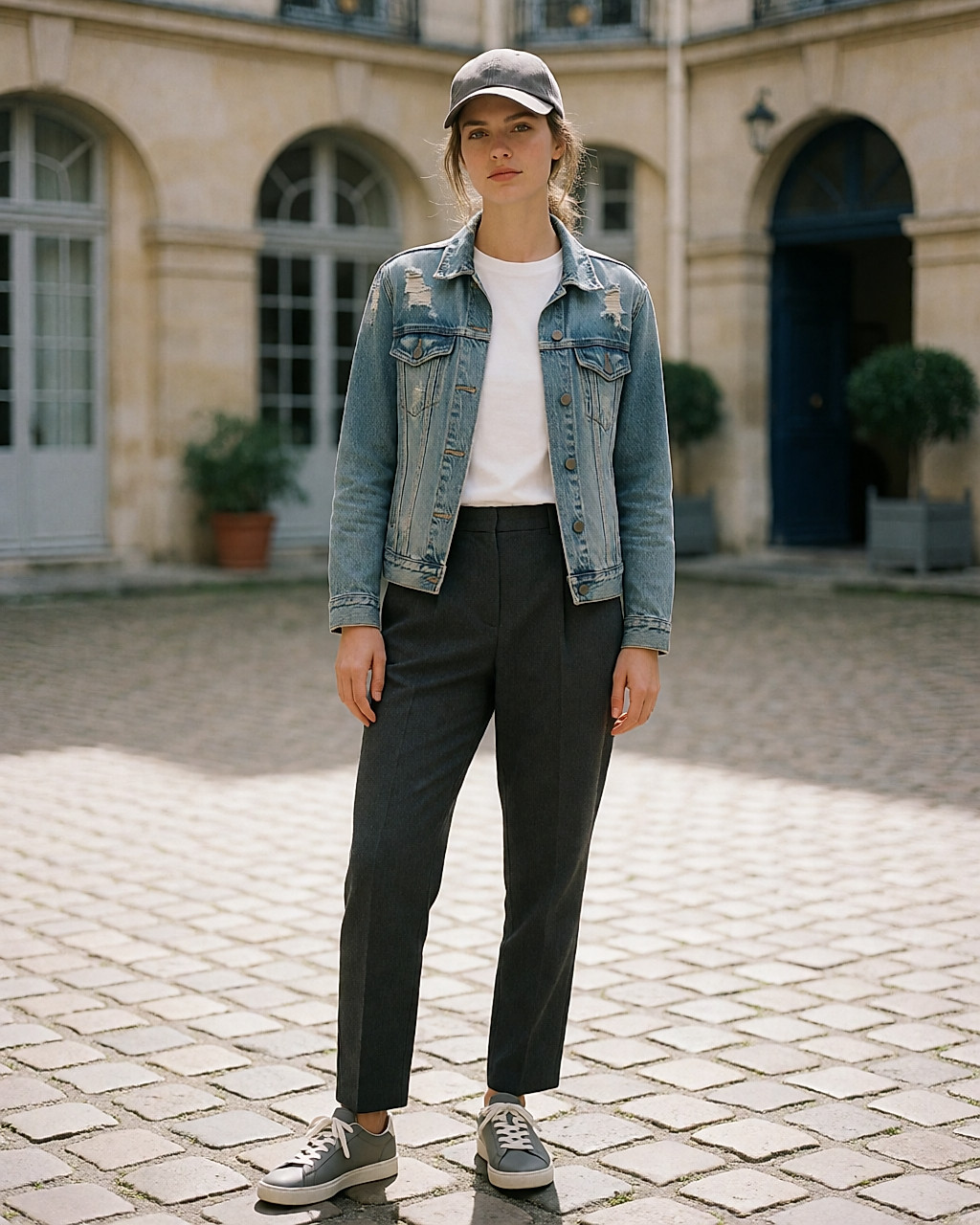
Daytime: polished grunge
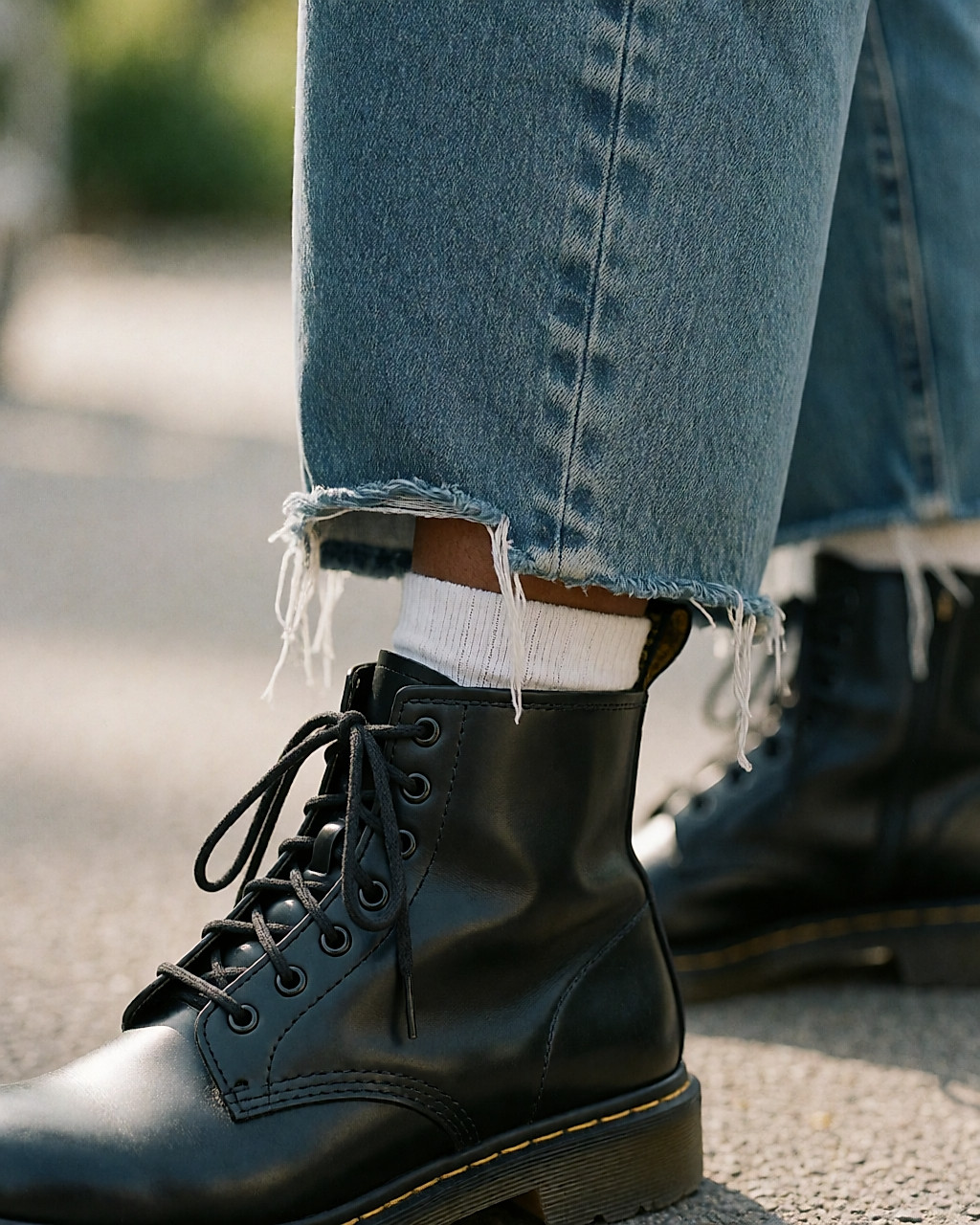
Washed or slightly ripped loose jeans, a Breton top, a leather jacket and a cap to finish. The trap with this kind of look is piling on three distressed pieces at once: one is enough, the rest stay clean. It's that controlled imbalance that gives the 'I didn't try' air, even though you did, a little. Remember to balance the drape: the looser the bottom, the closer to the body the top should stay. A street look that forgives a lot, as long as you don't pile on all the outward signs.
The other trap is wanting to wear everything in the same colour, which kills the personality of the look. Raw jeans with a white top remains a good move next to a black leather jacket.

The chic/street contrast
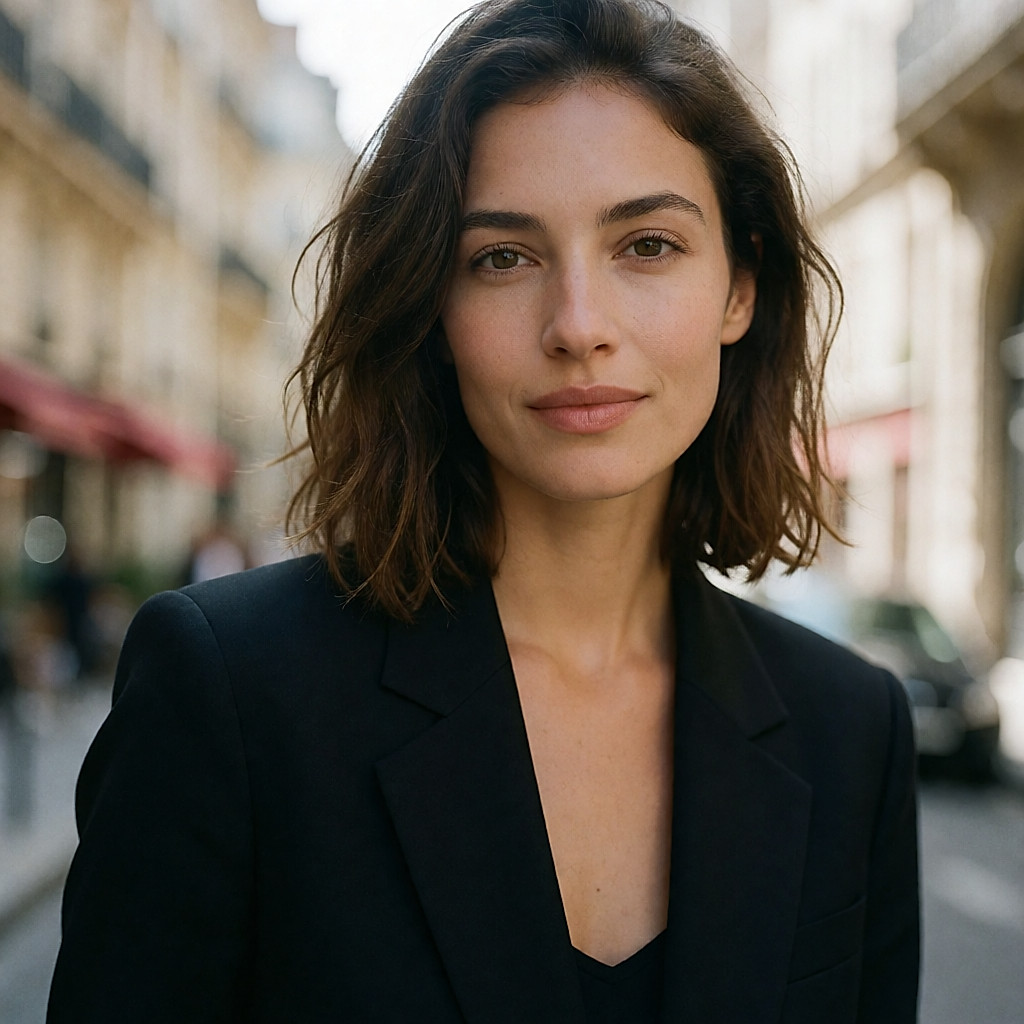
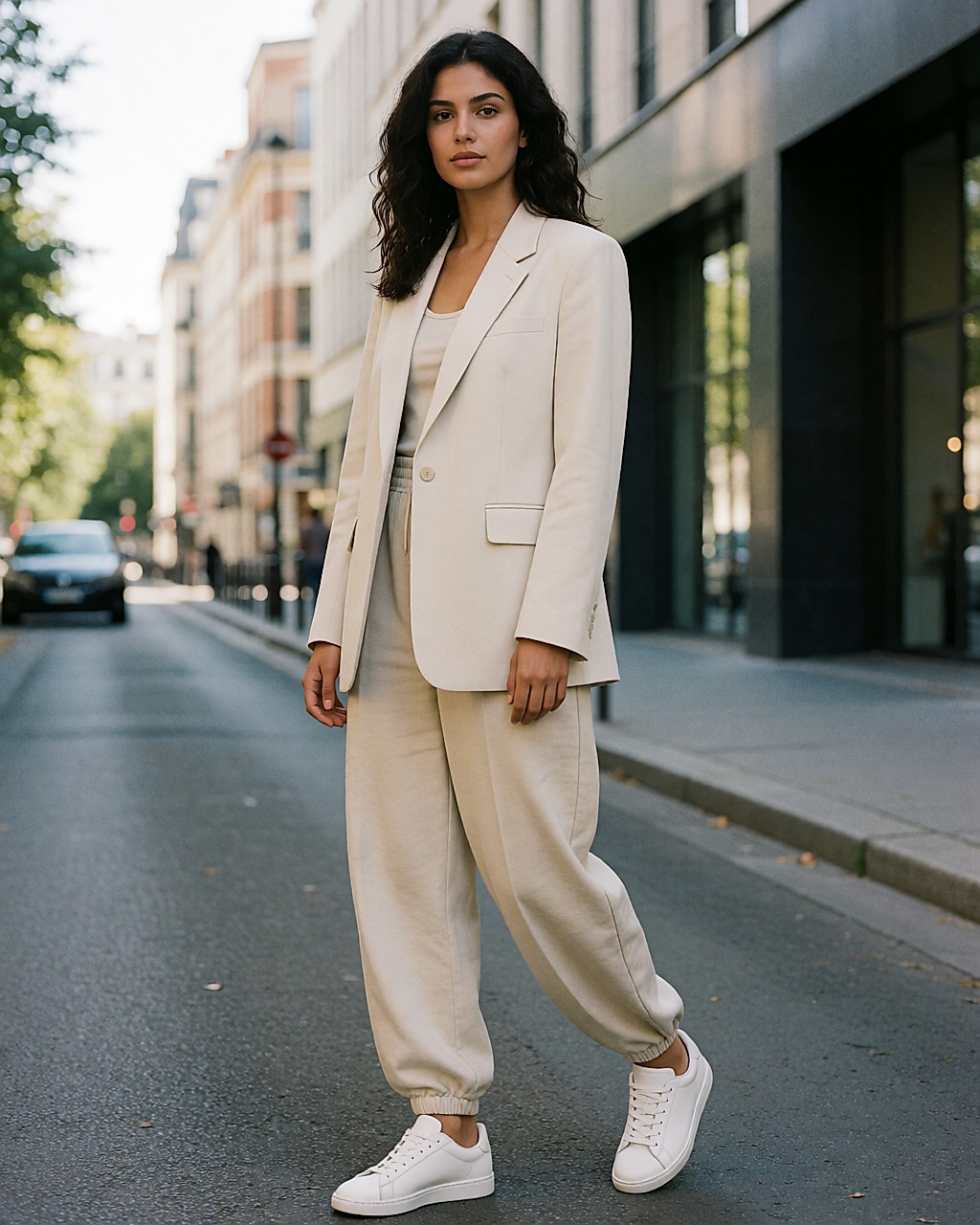
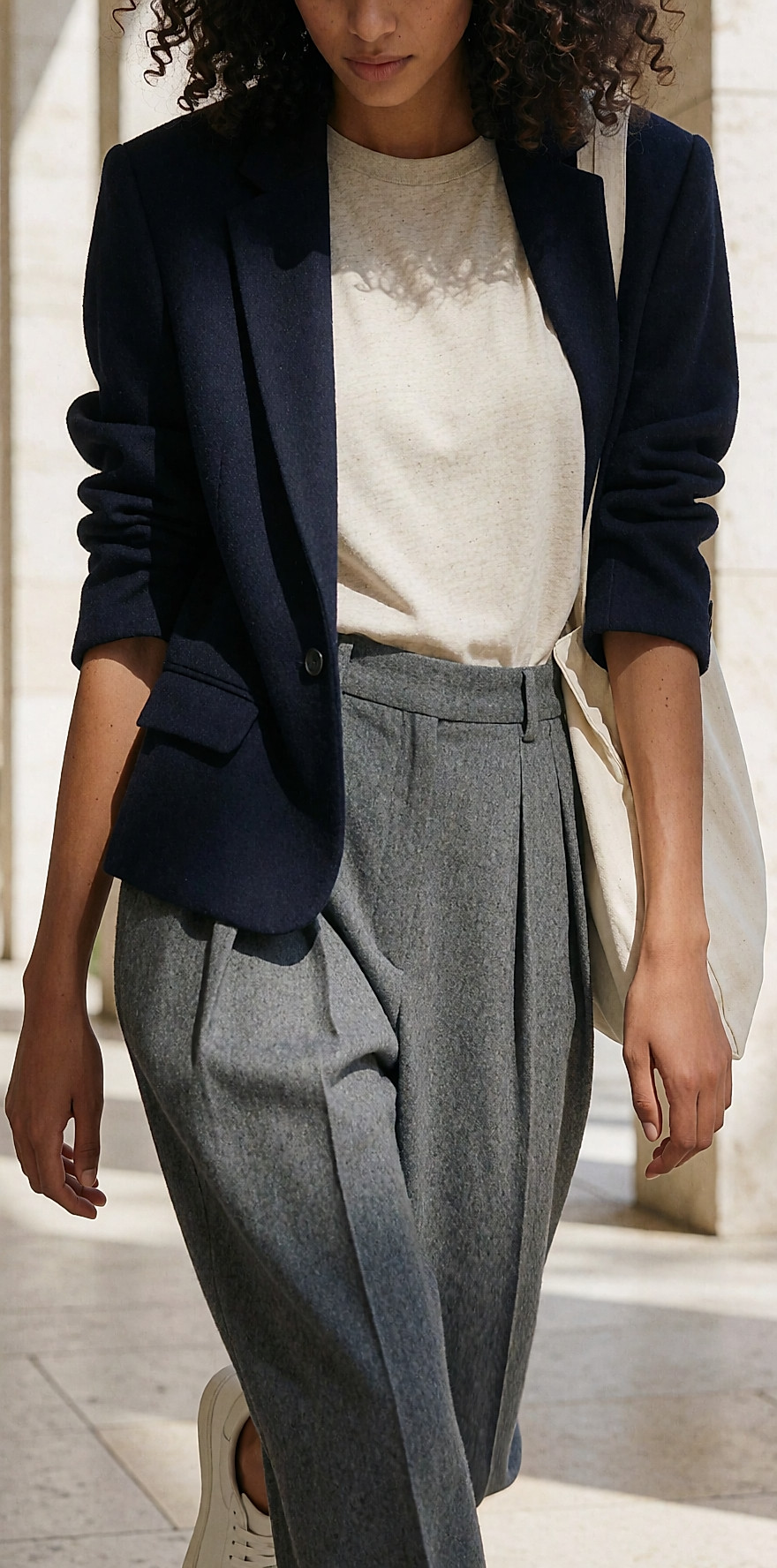
The classic 'polished meets casual': an immaculate tailored jacket over shorts, or a structured blazer over wide-leg joggers. The principle is very simple: take something very smart and dress it down. A pair of clean trainers, and you have a daytime look that also works for after-work drinks. It's the easiest layering to adopt when you're starting out because it allows for mistakes. The tailored jacket rescues everything; that's its strength.
And yes, daring to wear a structured blazer over shorts in summer is an excellent alternative to a dress for summer evenings. It's up to you whether you prefer it with wide pleated trousers for a more formal look, or with shorts to break the seriousness.
Leather and tie-dye: the girly-rock mix
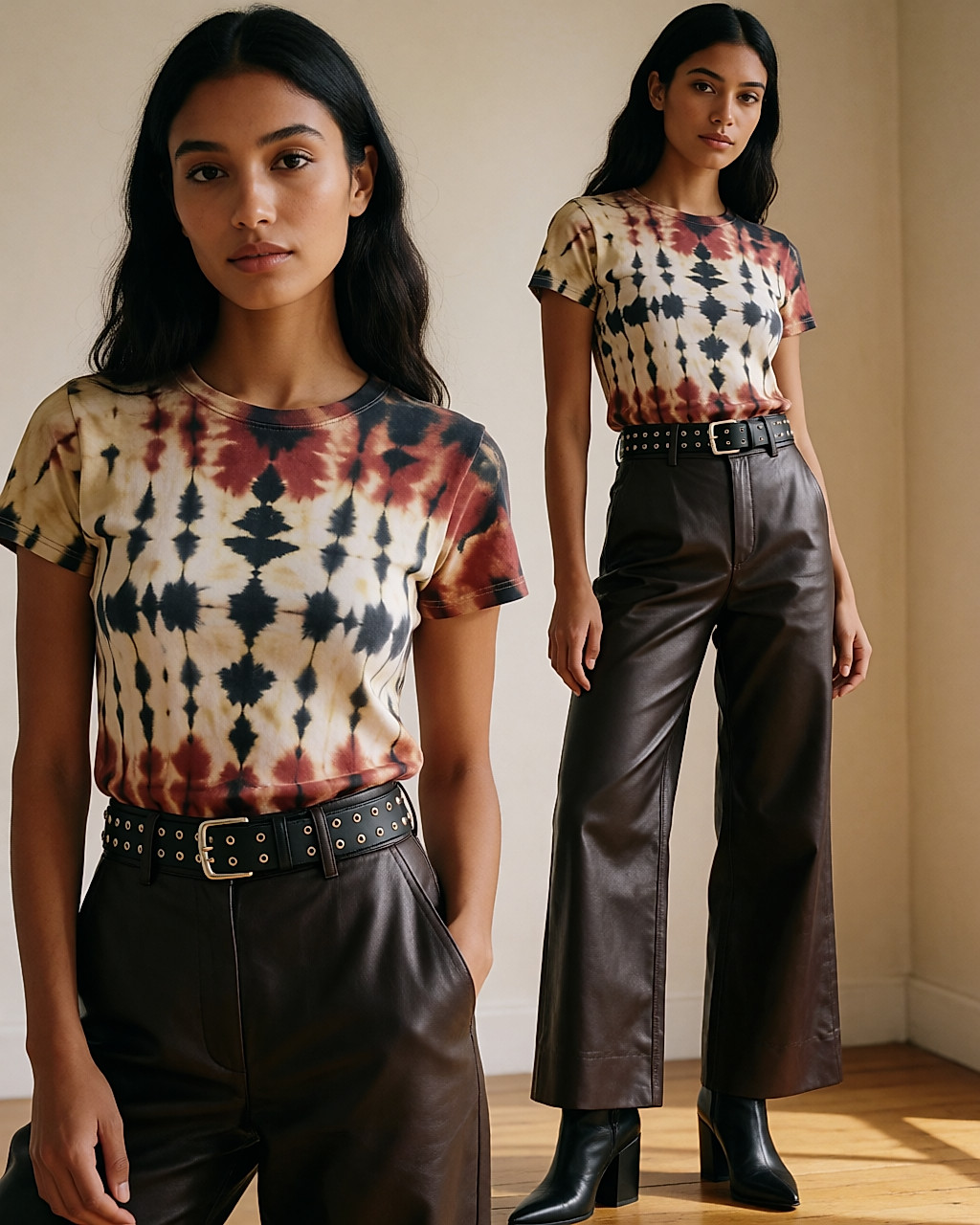
High-waisted leather skinny trousers with heeled ankle boots and a tie-dye T-shirt cinched with a studded belt still works. But if you want a less dated version, swap the skinny trousers for wide-leg leather trousers (or a pleated faux-leather midi skirt), while keeping the tie-dye top to break the overly sensible feel. One 'edgy' element, studs, chain, metal, and you stop there. Beyond that, the look becomes a costume.
Tie-dye brings a touch of colour and whimsy that wakes up leather that's too dark. It's the perfect contrast between a very fashion-forward piece and a basic of all basics.

The belted shirt dress: the timeless piece that forgives everything
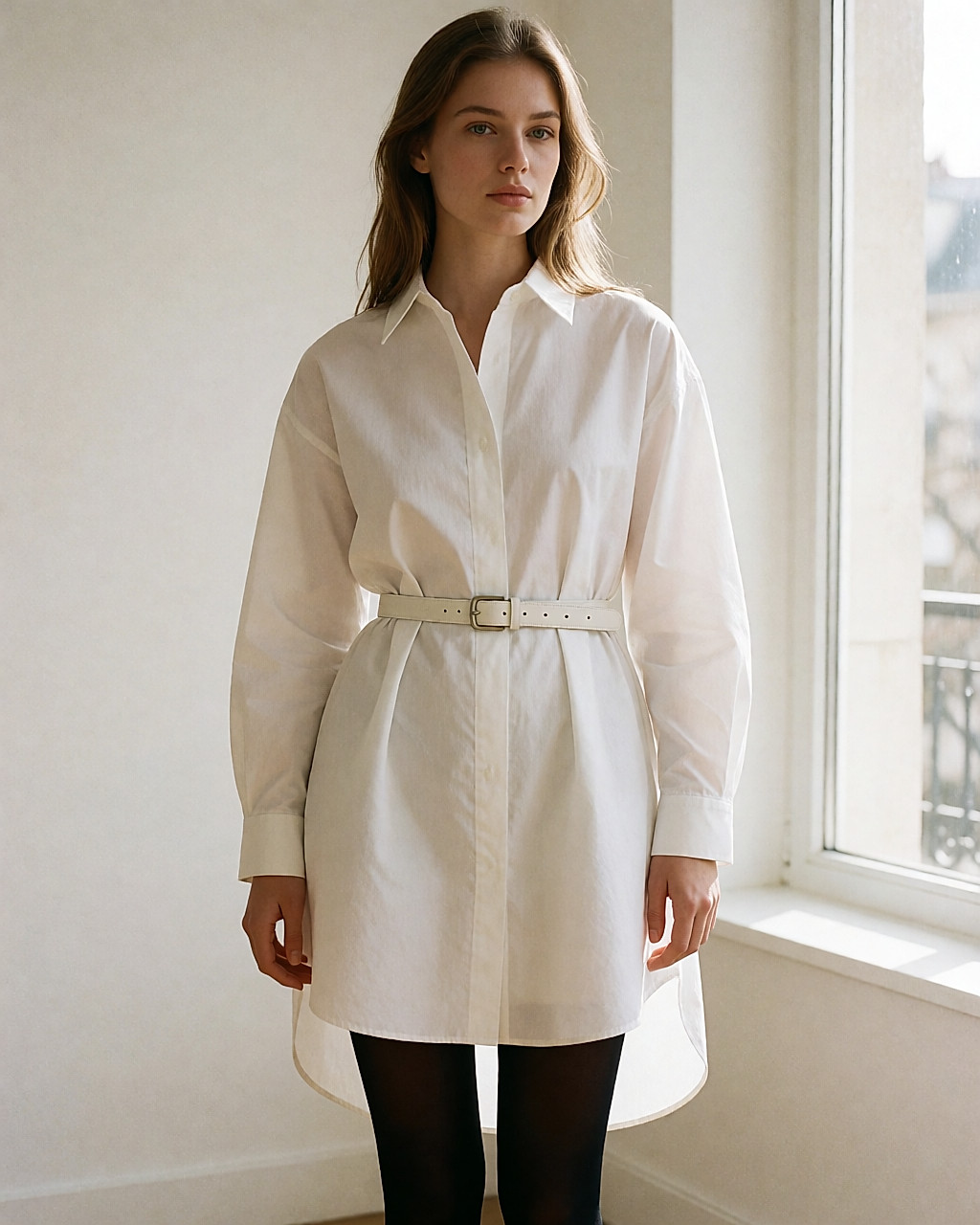
White, loose, belted at the waist, with opaque tights and a pair of heels. It can suit many body shapes, provided you adjust the length and the belt, and it ages very well season after season. What makes the difference isn't the brand, it's the drape of the fabric. A clean hem and a pressed collar change a look more than a luxury label. It's the basic piece to keep in a capsule wardrobe.
With it, there's no need to chase complicated accessories. A fine necklace or a pair of discreet earrings is enough to create an elegant look for the office. It's the safe bet you bring out again and again without ever getting it wrong.
Wearing colour when you have a pale complexion or red hair
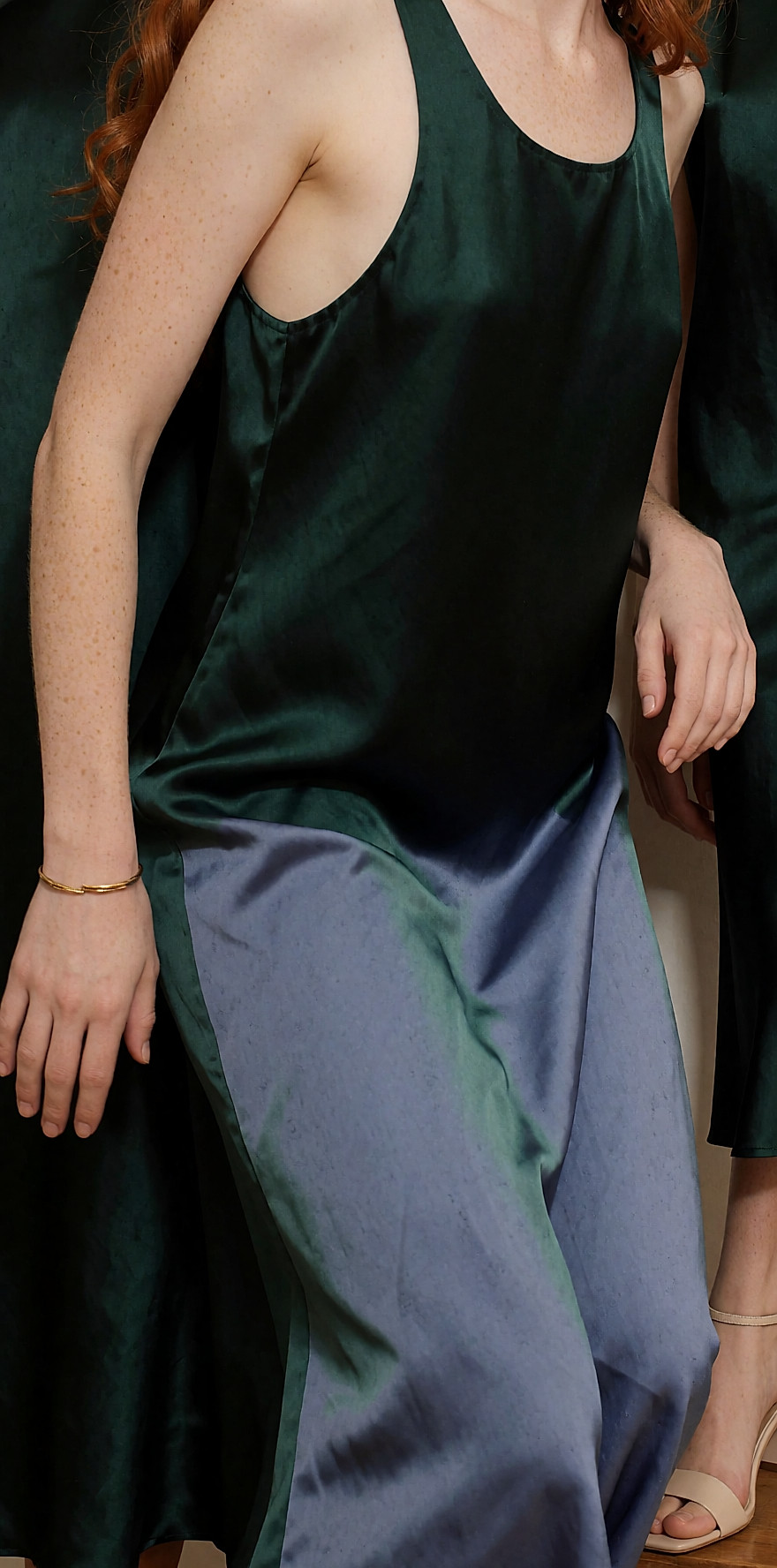
Emerald green, deep red, burnt orange. These shades wake up a pale complexion, provided you don't mix them with three other colours at the same time. Take one statement piece, accessorise with gold heels or a piece of metallic jewellery, and let the rest stay neutral. A print can also serve as a pretext: with a pattern, it becomes the accent itself, and the rest of the outfit just has to stay discreet.
Why do these colours work on a pale complexion? Because they create a contrast that brightens the face without washing it out. Only go for a full-colour look if you embrace its very bold side.
Before you buy, test three things. One: does the piece go with at least three outfits you already own? Two: can the fabric survive ten machine washes, or will it need dry cleaning every time? Three: can you have it altered by a tailor (hem, waist) rather than wearing it 'almost right'? It's this last point that separates a garment that looks chic from one that looks new.
Budget
In the UK, expect indicative ranges that vary widely depending on fabric, cut and origin.
- Leather jacket: £50 to £130 in new faux leather, £170 to £520 in new real leather, £70 to £210 for quality second-hand. Real leather ages and develops a patina over time; some faux leathers can flake more quickly depending on their quality and care.
- Ankle boots or tall boots: £50 to £170. Heel height and sole quality account for most of the difference.
- Loose or raw jeans: £25 to £85. Beyond that, a variable part of the price may reflect the brand, but also the quality of the denim, origin, cut or manufacturing.
- Evening dress: £35 to £170, and £35 to £80 per day to rent a designer piece.
- Tailored jacket: £50 to £170. Allow £15 to £35 for alterations to nip it in at the waist.
- Common alterations: £8 to £22 for a hem, £13 to £30 for a waist.
What makes prices vary is the raw material (leather vs faux leather, wool vs polyester), where it is made and the distribution channel. Where to find what? For real leather and quality knitwear, second-hand — charity shops, resale platforms between individuals, consignment shops — often offers the best value. A decent faux-leather jacket can be found at supermarkets or online at a low price, while for real leather, it is better to turn to a specialist shop, a vintage shop or second-hand platforms. For evening, renting avoids tying up a large sum in a dress worn twice. And for basics like the Breton top, shirt dress or T-shirt, supermarkets and mid-range high-street brands do the job without breaking the bank.
A final point: never copy a whole look. Steal an idea, a contrast of fabrics, a colour, a cut, and keep the rest for yourself. That is where it becomes your style rather than a costume. So, which one will you choose?


Comments
Your opinion matters: rate the article, react and reply to comments.
Comments are moderated; AI-assisted comments are flagged. Text emoticons (8-), :-), <3…) are automatically shown as images.