

Fitness: a truly all-round discipline!
You know the tune by heart: moving is good for body and mind. The trouble is that when it comes to choosing how, we often go round in circles. Cardio or strength? A group class or a solo session with headphones firmly in? What if one type of exercise could bring together almost all the benefits of a balanced programme?
That is where fitness comes in. Behind this rather catch-all word lies a surprisingly complete discipline, combining breath, strength and flexibility. Current evidence suggests that regular physical activity looks after the heart, muscles and bones, and also supports sleep and mood — without needing to chase unrealistic goals. Enough to help you ease in gently. The only question is where to start.
Three elements, one session to build
Fitness is not a single sport; it is a toolbox you open according to the energy you have that day. Three families come up most often: cardio work, strength training, and mobility or recovery time. Do you have to fit it all into the same week? Not necessarily. The idea is to alternate, so you are not always working the same areas or tiring the same joints.
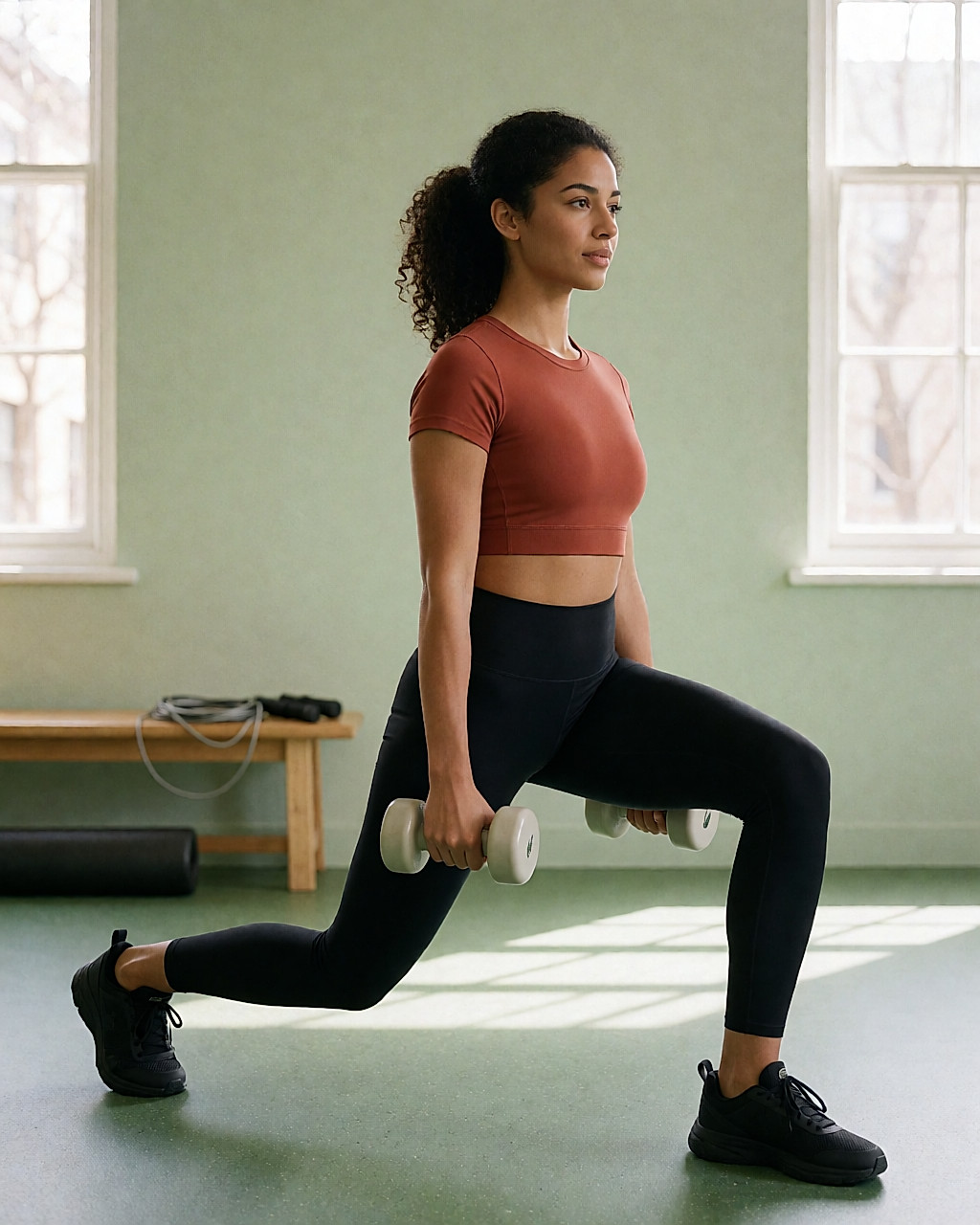
Think of it like a well-balanced meal: a little of each, but not all at once. Some weeks will be more cardio, others more strength, and that is not a failure. What matters is consistency over time, not one day's performance.
Cardio: getting your breath used to effort
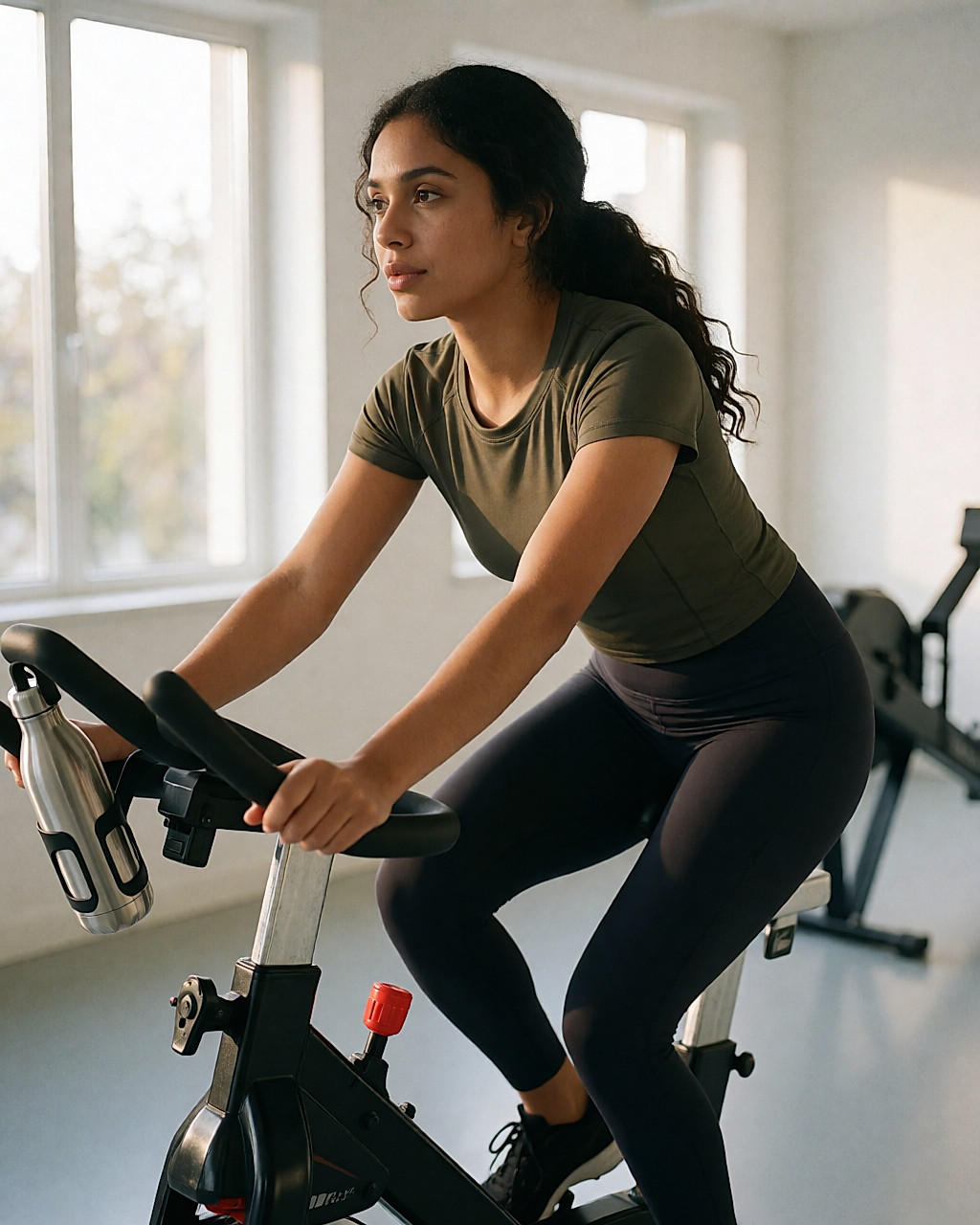
Here, the aim is to raise your heart rate and breathing gently. Treadmill, bike, rowing machine, dance classes, interval sessions: there is no shortage of formats. The goal is not to exhaust you in an hour, but to get your body used to a sustainable effort, broken up by recovery time.
The World Health Organization recommends at least 150 minutes of moderate activity per week for adults, which can easily be split into five 30-minute sessions. How do you know if you are going at the right pace? At a moderate rhythm, you can talk, but not sing. If you can no longer string three words together, ease off — that is not laziness, it is good sense!
Strength training: building strength properly
This time, the point is to maintain and develop muscle mass. We tend to think first of arms or abs, but the back, hips and legs matter just as much. They are what carry us, help us get up and keep us balanced as we age. Resistance machines, free weights, bands or simply body weight: see what appeals to you.
Two criteria matter more than the number of repetitions: load and posture. At the gym, a fitness instructor can show you the settings and correct a movement before it becomes a bad habit. A valuable helping hand at the start, and not only for beginners.

Stretching and breathing: the part we skip
We often finish with a few stretches and some slow breaths, already in a hurry to leave. Yet those minutes are not only for relaxing: they help restore comfortable range of movement and recover better after effort. A few sessions a week are enough to start with.
Gentle yoga, a guided breathing session or a trip to the pool when your gym has one: see what feels good for you. In the water, recovery feels almost effortless, and the body stretches gently — a real pleasure after a demanding session.

On your own or in a class?
Another advantage of fitness: you choose your format. Turn up with your headphones and follow your programme on the machines, or join a class led by an instructor — both are equally worthwhile. A class brings structure, rhythm and that collective motivation which makes all the difference on low-energy days; a solo session gives you more flexibility in your schedule.
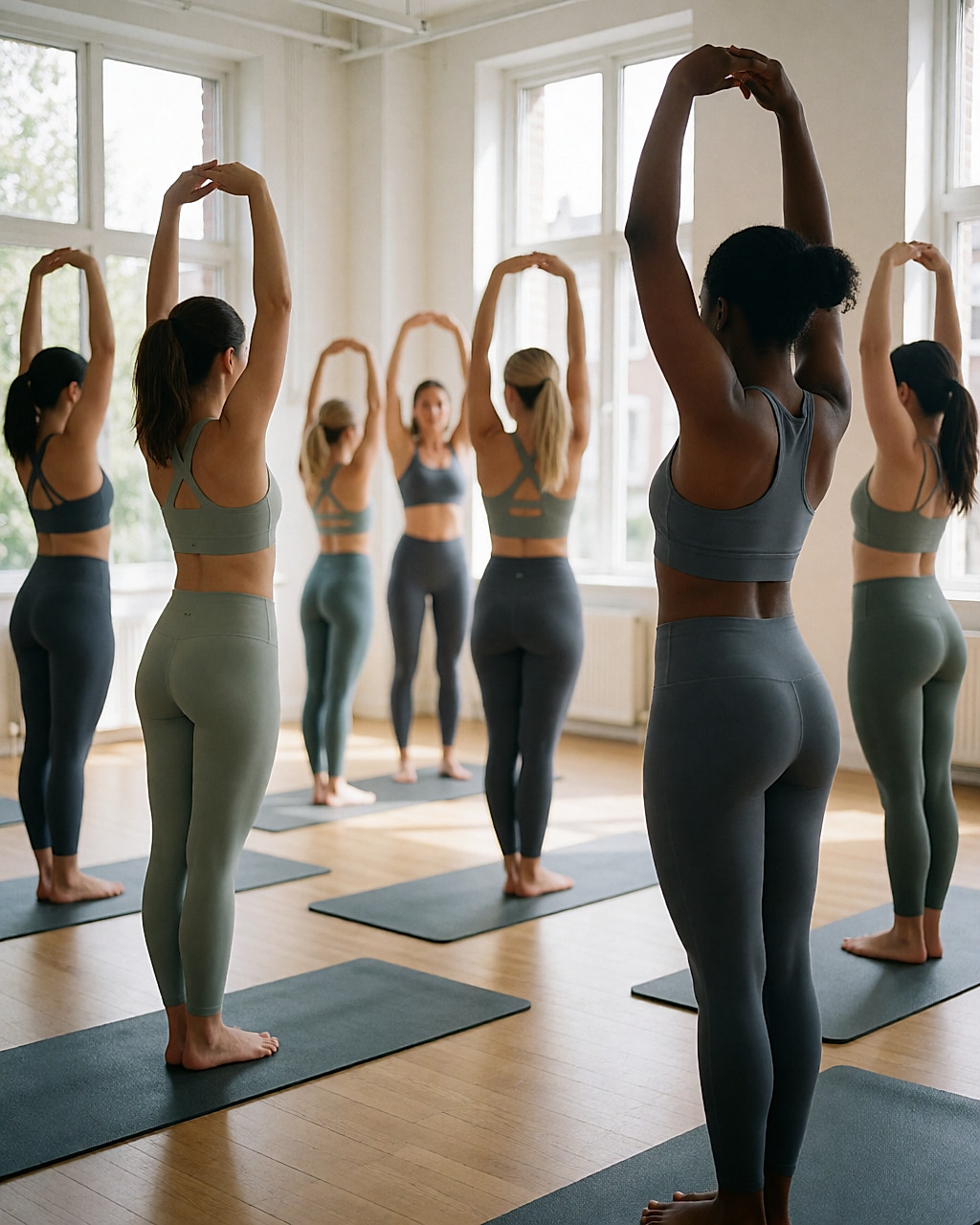
For many people, alternating prevents boredom. And let's admit it: some weeks you need someone to tell you what to do, and others you would rather just be alone with your breath.
Before restarting activity after a long break, an injury or pregnancy, or if you have a chronic condition, speak to a healthcare professional. This consultation is not a hurdle: it helps tailor intensity to your situation and history. Persistent pain deserves a diagnosis from a healthcare professional rather than one more session.
Budget
For gyms, expect around £30 to £60 a month for a chain membership in a large city, sometimes £20 to £40 in a less densely populated area or with an annual contract. Council-run or community gyms often come in between £15 and £35 a month, with less equipment but a gentler price. The price varies according to city, access times, whether group classes are included and the type of contract.
If you prefer to try before committing, pay-as-you-go sessions are usually between £10 and £25, and personal training around £40 to £80 per session. Apps and online subscriptions often cost between £10 and £20 a month — handy if you train at home, provided you have the space and a little equipment.
Where can you find all this? Chain gyms, council gyms, local sports clubs, online platforms and, for strength work, a few dumbbells or resistance bands bought from a supermarket or online. And don't forget the free options: running outdoors, council-run outdoor fitness trails, bodyweight exercises. Some gyms offer a trial session, so ask at reception.
In practice, remember this: fitness is valuable above all for its variety. Cardio, strength, flexibility and recovery complement one another, and it is this combination that makes the routine sustainable over time. You do not need to be sporty already to start, or to try everything in the first week. One session, then another, and you will adjust calmly at your own pace — and that is rather motivating!
Sources
- World Health Organization — Physical activity, fact sheet.
- Santé publique France — Physical activity, topic page.
Food supplements do not replace a varied, balanced diet and a healthy lifestyle.




Comments
Your opinion matters: rate the article, react and reply to comments.
Comments are moderated; AI-assisted comments are flagged. Text emoticons (8-), :-), <3…) are automatically shown as images.