

A beautiful bust: how to look after yours
We often forget about them, yet what a part they play in our silhouette and our everyday comfort. Breasts are made of glands and fat — not one single muscle. That is why they sag so easily, marked by the years, by pregnancy, by weight gained and lost. So how do we look after them, practically, day to day? Here is our guide.
As you will have gathered: with no muscle to hold them up, the support comes from the skin, the connective tissue and Cooper's ligaments. In other words, once those supports slacken, the breasts follow. Sagging depends on many factors, though — age, pregnancy, weight changes, smoking, genetics — not on the skin alone. So let us look after this area with simple, consistent habits.
Cool water, straight away
First habit: skip scalding baths and showers, and finish every shower with a cool jet of water over the chest. We know — in winter it takes some nerve — but it also feels good. A cool jet of water can leave skin feeling fresh and toned. In practice there is no need to stand there for hours: a few seconds of properly cool water is enough to make a difference.
Be careful not to turn it into a test of endurance, though: a stream of cool-to-temperate water, never icy, is more than enough. Consistency is what counts, not intensity.
Moisturise — but wisely
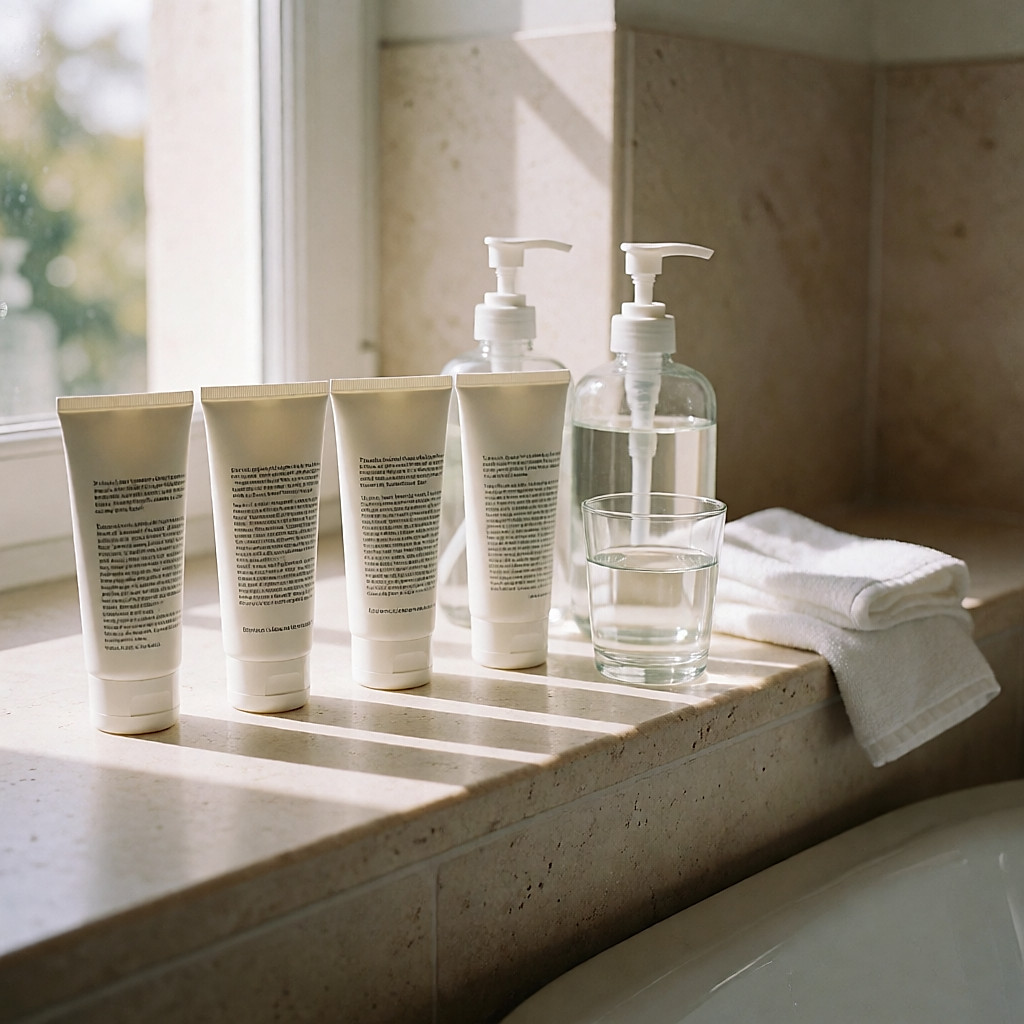
This is an area we often neglect, and yet our chest needs hydrating too. Choose a product formulated specifically for the décolletage, better suited to this finer skin, or a natural plant oil — sweet almond, jojoba — if your skin tolerates it. Massage brings comfort, but let us be honest: it does not reposition the breasts. It nourishes the skin, full stop.
On the natural side, organic or solid formulas are winning more and more fans, but they can leave a whitish film and be harder to spread. If that texture makes you use smaller amounts, the real protection drops. Better a product you actually use, even a conventional one, than a perfect formula left in the cupboard. Finally, some formulas promise a tightening, firming effect: treat these as cosmetic comfort, not as remodelling.

Apply morning and evening, after washing, massaging lightly in circles — skip the nipples, never mind the perfect routine. Do not forget the neck and shoulders, which carry the décolletage too, and pat dry rather than rubbing.

The sun: public enemy number one
Breasts really are very sensitive: the skin that supports them is extremely thin and has to carry the weight of the bust every single day. Sun and UV rays attack that skin, ageing it and causing small brown spots — and breasts are far from immune.
So you still want to get them out? In that case, it means being slathered in sunscreen of SPF 30 minimum, reapplied every two hours, and never during the strongest hours, between midday and 4pm. A broad-spectrum sunscreen on bare, exposed décolletage is the reflex to build on every sunny day.
The bra: an ally worth choosing carefully
A bra supports the bust day to day and helps the skin carry its weight. It is far from a pointless accessory. That said, choose it with care, and avoid wearing padded styles every single day: some can trap heat and moisture and feel less comfortable on certain sensitive skins. So alternate with cotton styles — the best choice for sensitive skin.
For a fuller bust, go for wide straps and well-placed underwiring — non-wired styles also do the job perfectly well, contrary to what you often hear. And do not forget: a bra that rides up at the shoulders is a bra that is simply not doing its job.
Be kind to your body — and to your weight
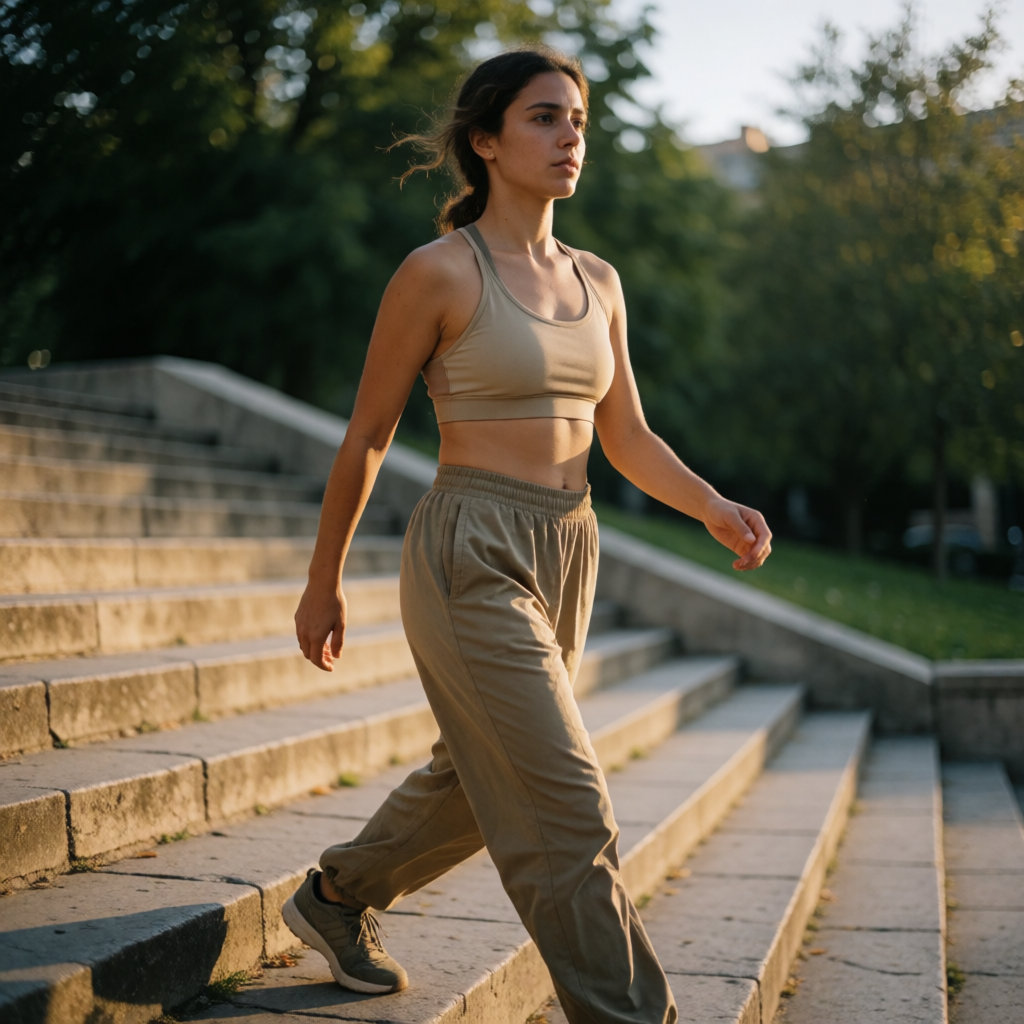
High-impact sport, repeated diets, poor nutrition: none of it does your bust any favours, that is certain. Look after your body and your health, gently. Love intense exercise? Then get yourself a dedicated sports bra with excellent support. Cotton or a breathable technical fabric for sensitive skin, and a bra matched to the intensity of the workout — that is the winning combination.

And above all, try to keep your weight as stable as you can. Yo-yo weight loss and gain takes a real toll on the bust, loosening the skin and sometimes causing small stretch marks. Not terribly glamorous, we admit.
Tone it, yes — transform it, no
It is worth knowing that there are small daily exercises which, done regularly, can tone the area. For example, press your two palms together at chest height, or do the same movement squeezing a tennis ball: repeat, pressing firmly, for about ten minutes. Working the pectorals builds the muscle underneath — better posture, a feeling of firmness, a straighter carriage. In practice it is far from useless, but it will not lift the breast tissue itself.

Swimming is another good one to adopt — excellent for the bust and for the figure in general. Along with strengthening the back and shoulders, as yoga or walking do, it improves posture. Smoking, meanwhile, speeds up skin ageing and damages collagen: giving up remains one of the most useful things you can do for your skin overall. Finally, gym resistance machines for the chest and shoulders are good allies — ask for advice on how to use them, on sets, weights and positioning.

Keep an eye out, without panicking
Keep an attentive eye on your breasts: any change in the nipple or persistent pain deserves a professional opinion. Screening and follow-up depend on your age and your risk factors — talk to a healthcare professional. Being aware of what is normal for you does not replace medical advice; it complements it.

A breast that changes shape, feels tight or stays painful will not be sorted out with a cream. Comfort measures — hydration, light massage, proper support — work alongside the skin; they never replace an examination. If in doubt, get it checked.

Budget
There is no mandatory budget for looking after your bust: a dedicated cream or oil usually costs between £15 and £40, a good bra between £20 and £60, a sports bra between £25 and £60, and a face-and-décolletage sunscreen between £10 and £30. Prices vary with the ingredients, the brand and where you buy; pharmacies, beauty retailers and lingerie shops with trained fitters remain safe bets for a proper fitting and advice suited to your shape. On the fitness side, budget around £20 to £50 a month for a gym, often with the option of a trial before you commit.
Sources
- NHS — breast screening.
- NHS — sunscreen and sun safety.
- Cancer Research UK — sun, UV and cancer.
- World Health Organization — ultraviolet radiation and health.
Food supplements do not replace a varied, balanced diet and a healthy lifestyle.


Comments
Your opinion matters: rate the article, react and reply to comments.
Comments are moderated; AI-assisted comments are flagged. Text emoticons (8-), :-), <3…) are automatically shown as images.