
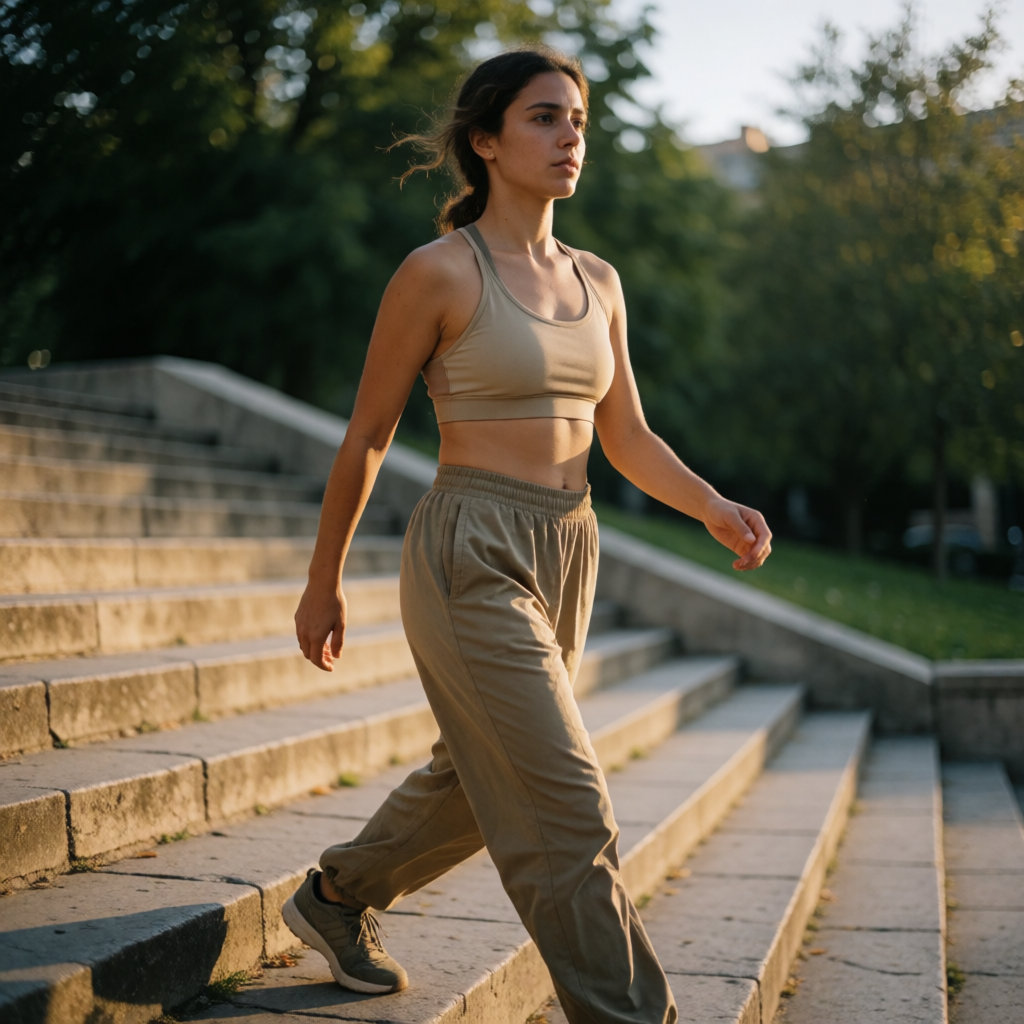
You might think of exercise as something for twenty-somethings with brand-new knees. In reality, it's often the opposite: it's as the years add up that moving becomes truly valuable. Without being used, muscle mass and strength gradually decline with age. Exercise won't turn back the clock, but it can slow the changes that can still be slowed.
What we know, and what we don't yet know: the benefits of regular activity are well documented, while the ideal dose for each person is still being refined. That's why ageing better through exercise isn't wishful thinking; it's more like a project you start early and keep tending. And the good news: it doesn't require an air-conditioned gym or fluorescent activewear.
What movement changes in the body
A muscle that is used is maintained. It's the first line of defence against sarcopenia, the age-related muscle loss that gradually erodes independence—and it's probably the most convincing argument when you're still hesitating.
When it comes to bones, the principle is the same: use them and they get stronger. Walking, stairs and carrying light loads slow mineral loss—a key point when it comes to osteoporosis. Your heart benefits too. Endurance exercise keeps the pump in shape and helps stabilise blood pressure, which tends to rise with age and is a cardiovascular risk factor you can genuinely influence.
There's also what you can't see: an active muscle takes up glucose more effectively. In people at risk, regular activity therefore helps lower the risk of type 2 diabetes. Then there's balance and stability—working on your balance, ankles and core helps prevent falls, an important issue after 65.
The World Health Organization offers a useful benchmark: 150 to 300 minutes of moderate activity a week, plus at least two sessions of muscle-strengthening exercise. Don't panic—it can be spread across the day in small chunks, without trying to fit a two-hour block into an already packed schedule.

Which exercise should you choose?
Walking comes first, and not by chance: it can be done anywhere, needs no equipment and only requires a good pair of shoes. Nordic walking adds upper-body work. Cycling keeps your heart fit while being kind to your joints, whether on the road or on an exercise bike—and with electric assistance, you can adjust your effort on low-energy days.
In water, the whole body works without compression. Swimming is particularly complete, and aqua aerobics combines endurance and tone. As for gentle exercise—yoga, tai chi, Pilates—it works on balance, flexibility and mood, at your own pace.
And if you enjoy tennis, dancing or hiking? Keep going! What matters is sticking with it over time, not ticking the 'senior' exercise box. That's the difference between a habit that takes root and a New Year's resolution.

Progress without injury
Warm up for a few minutes, progress in stages and leave a rest day between intense efforts. And pay attention to signals that are nothing like ordinary muscle soreness: chest pain, unusual breathlessness, dizziness, palpitations. These need medical advice, not a permanent stop to movement.
If you live with a chronic condition, take medication, or are starting again after years away, speak to your GP or a qualified exercise professional. An exercise referral scheme can point you in the right direction—there's no glory in going it alone when the right support changes everything.
You don't need a full medical before walking for twenty minutes a day. However, medical guidance is useful if you have heart disease, diabetes, significant osteoarthritis or repeated falls. No exercise programme replaces advice from a healthcare professional.
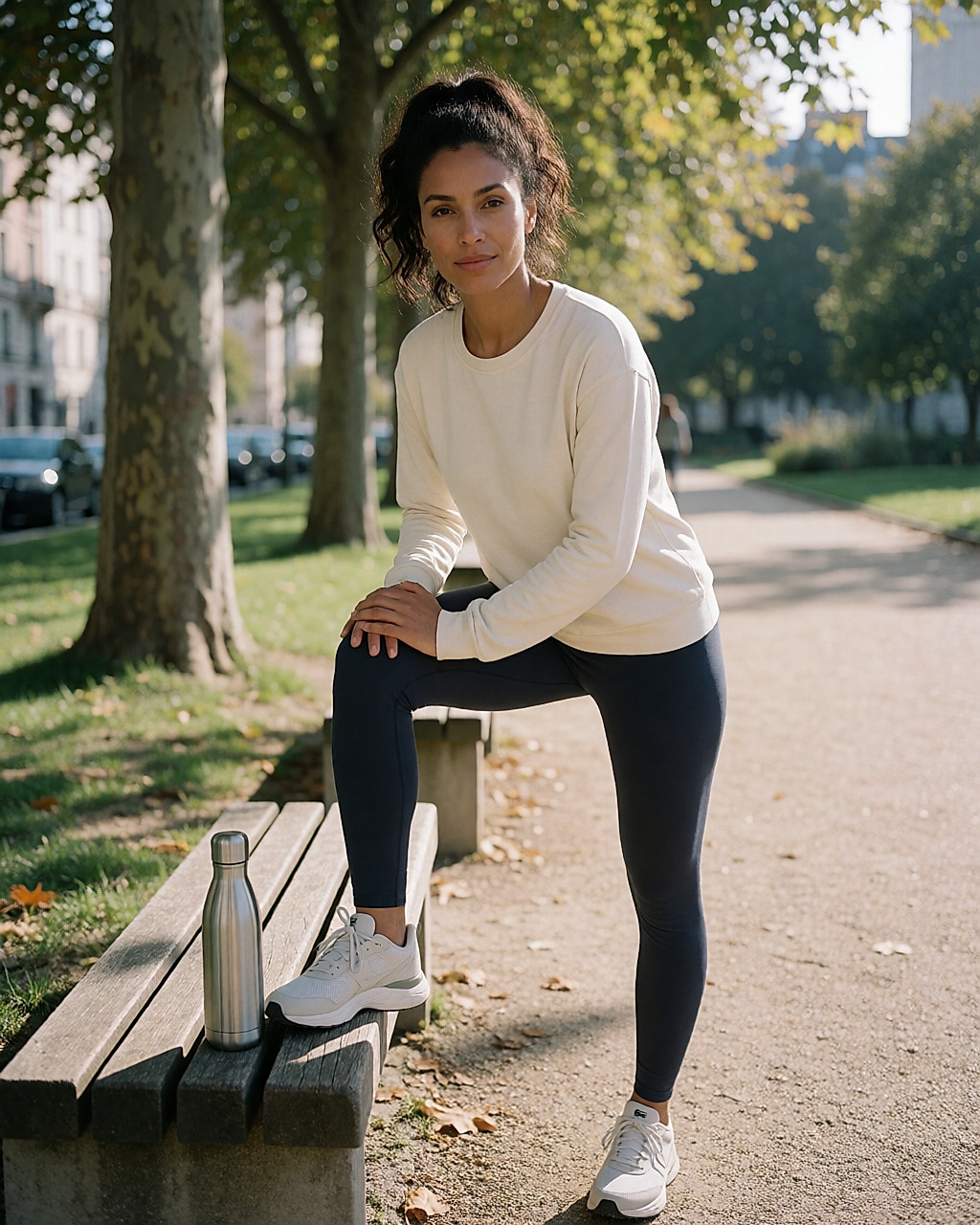
What about supplements?
The urge to buy a multivitamin or an 'anti-muscle-loss' product to support your efforts is common. Current evidence suggests that, without a diagnosed deficiency, these supplements make no decisive difference. A supplement can't do the work of a muscle that contracts.
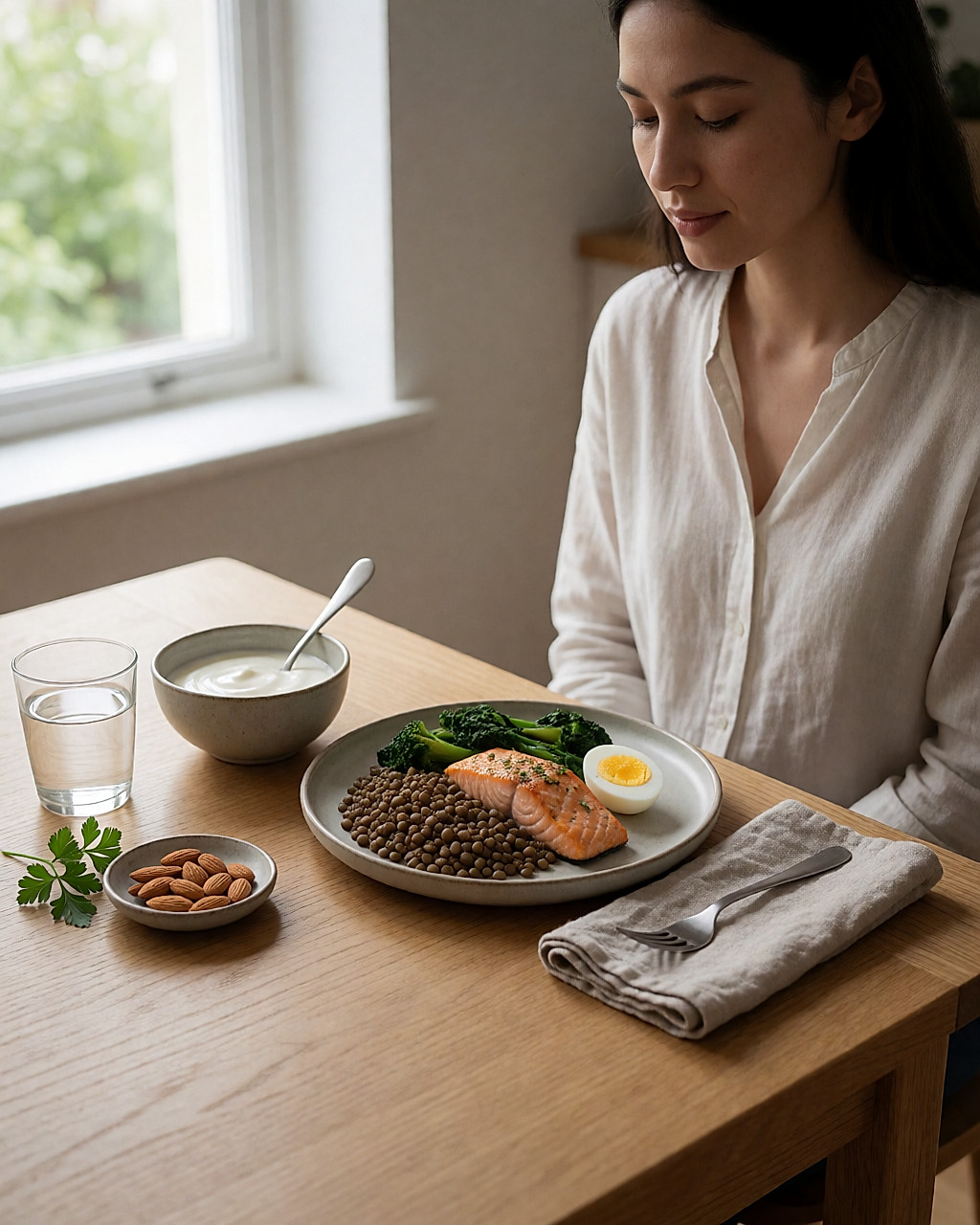
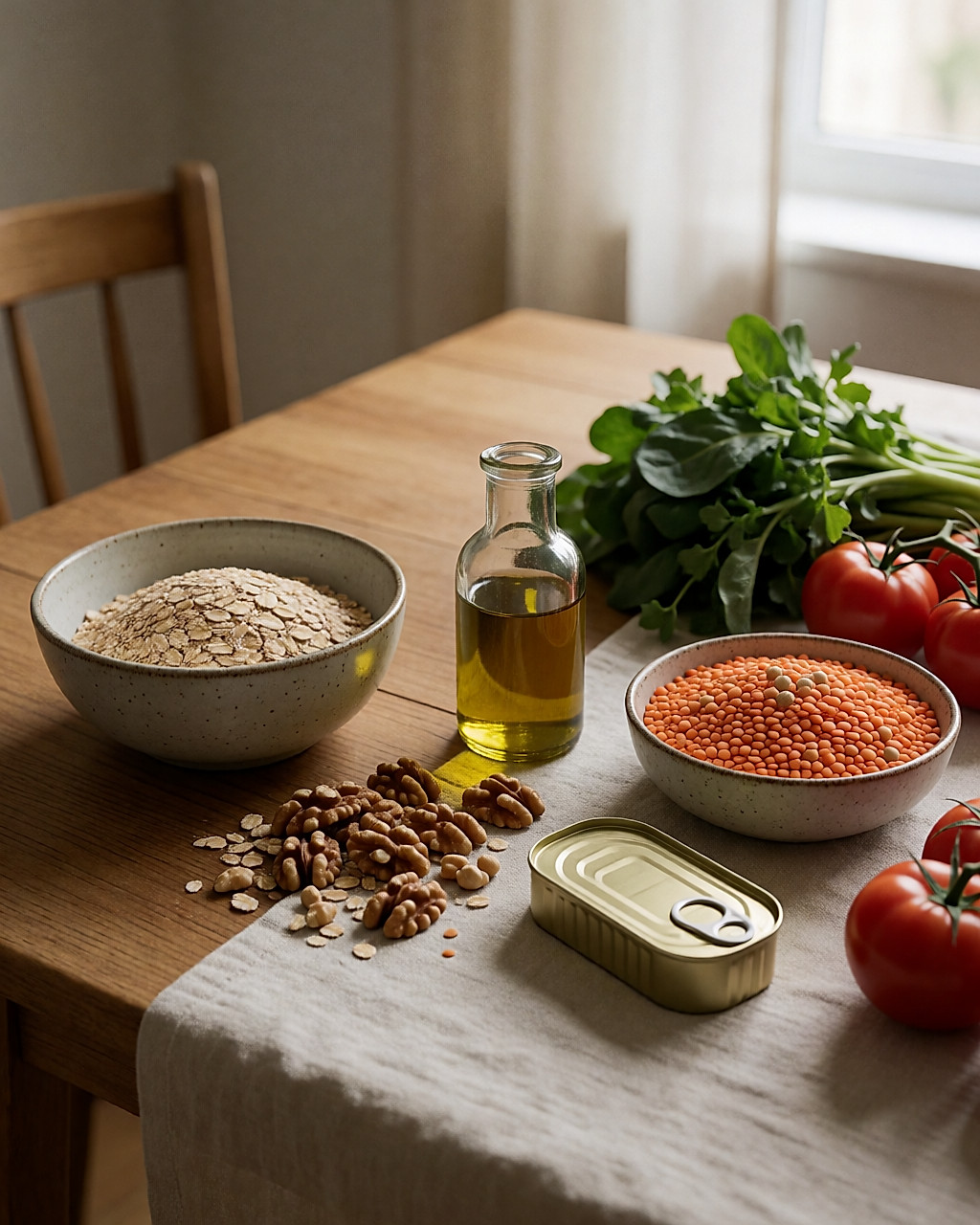
Three pillars are enough: protein at every meal, calcium and vitamin D intake checked, and enough energy to keep going. A blood test and medical advice can show whether a supplement is useful—not an advertisement. In practice, remember this: food first, supplements second.
Budget
Budget-wise, getting active again often costs less than you'd think, especially if you buy second-hand. Walking shoes: expect to pay between £45 and £115 depending on brand and terrain. A pair of Nordic walking poles costs between £25 and £80. A yoga mat made from natural rubber, PVC-free, costs around £18 to £55.
For a bike, a serviced second-hand model costs between £130 and £430; with electric assistance, budget more like £800 to £1,800. A swimming pool or gym membership is usually £20 to £60 a month, often with a discounted rate for local residents. A club membership costs between £70 and £220 a year.
What affects the cost: the city, the model you choose, maintenance. For walking and gentle exercise, you can usually get started for under £100. Which is to say that the main investment is still the time you give yourself.
Sources
- World Health Organization, Guidelines on physical activity and sedentary behaviour, 2020.
- Santé publique France, Physical activity and sedentary behaviour, topic overview.
- ANSES, Food supplements, topic overview.
- Inserm, Physical activity, sport and health, topic overview.
Food supplements do not replace a varied, balanced diet and a healthy lifestyle.



Comments
Your opinion matters: rate the article, react and reply to comments.
Comments are moderated; AI-assisted comments are flagged. Text emoticons (8-), :-), <3…) are automatically shown as images.