
You have probably heard the line: eat a varied diet and that’s all there is to it. In reality, things are a little more nuanced – particularly when you are standing in front of the supplements shelf, wondering which one to choose and whether you really need to take one every morning. Let’s work through it, without overpromising.
Discreet helpers, not medicines
Contrary to what people sometimes assume, a vitamin does not give you energy. Its role is different: it helps your body use energy by taking part in very specific chemical reactions. There are 13 essential vitamins – four fat-soluble (A, D, E and K) and nine water-soluble (the B vitamins and vitamin C). In practice, a varied and balanced diet is the first place to look; a daily supplement is not automatically necessary for everyone.
Vitamin A for vision and skin
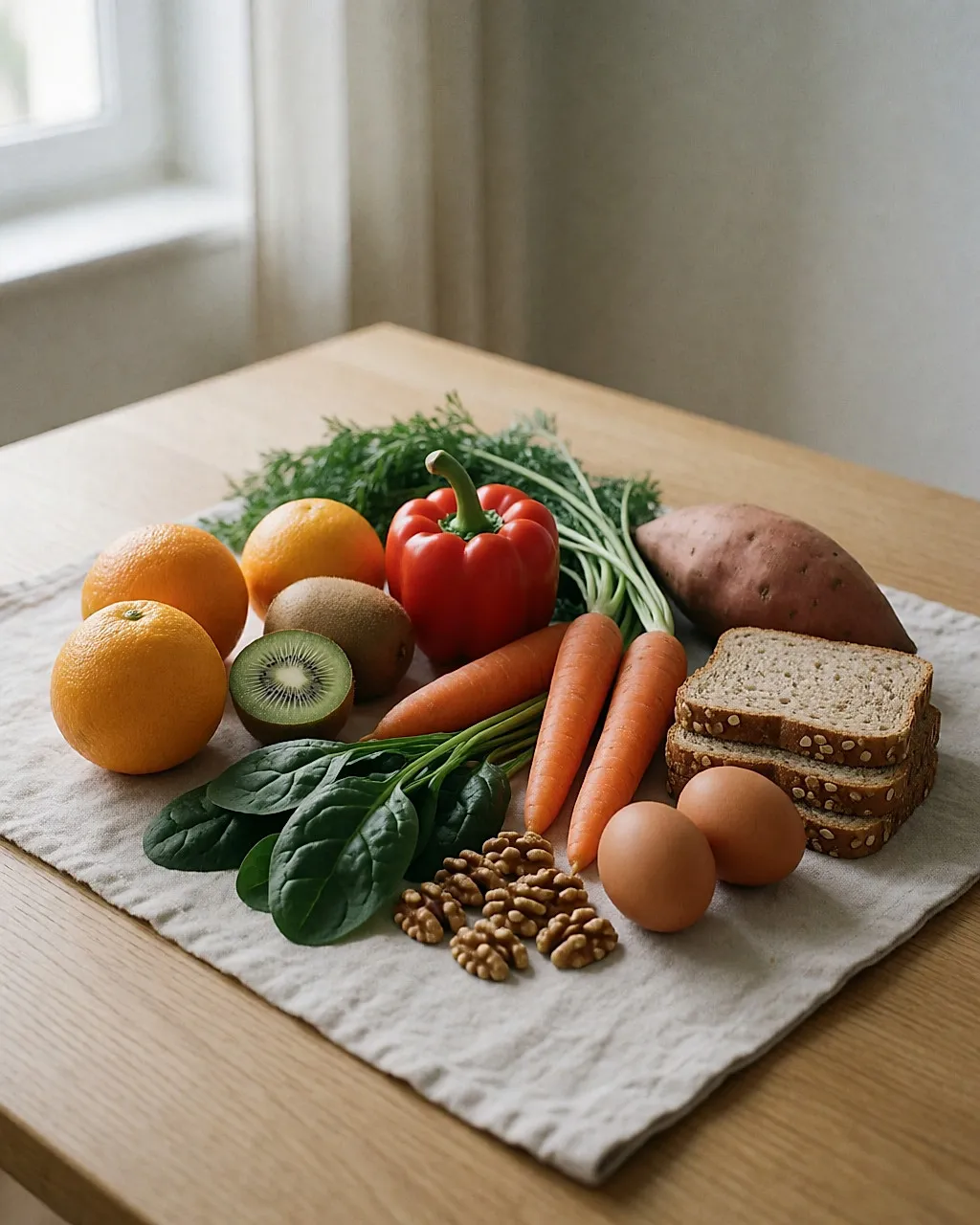
Vitamin A is involved in the visual cycle, especially for seeing in dim light, and in the renewal of skin and mucous membranes. At the table, retinol comes from animal products – liver, eggs, butter and cheese – while carotenoids are found in orange or dark green plant foods: carrots, sweet potato, squash and spinach.

The B vitamins and metabolism
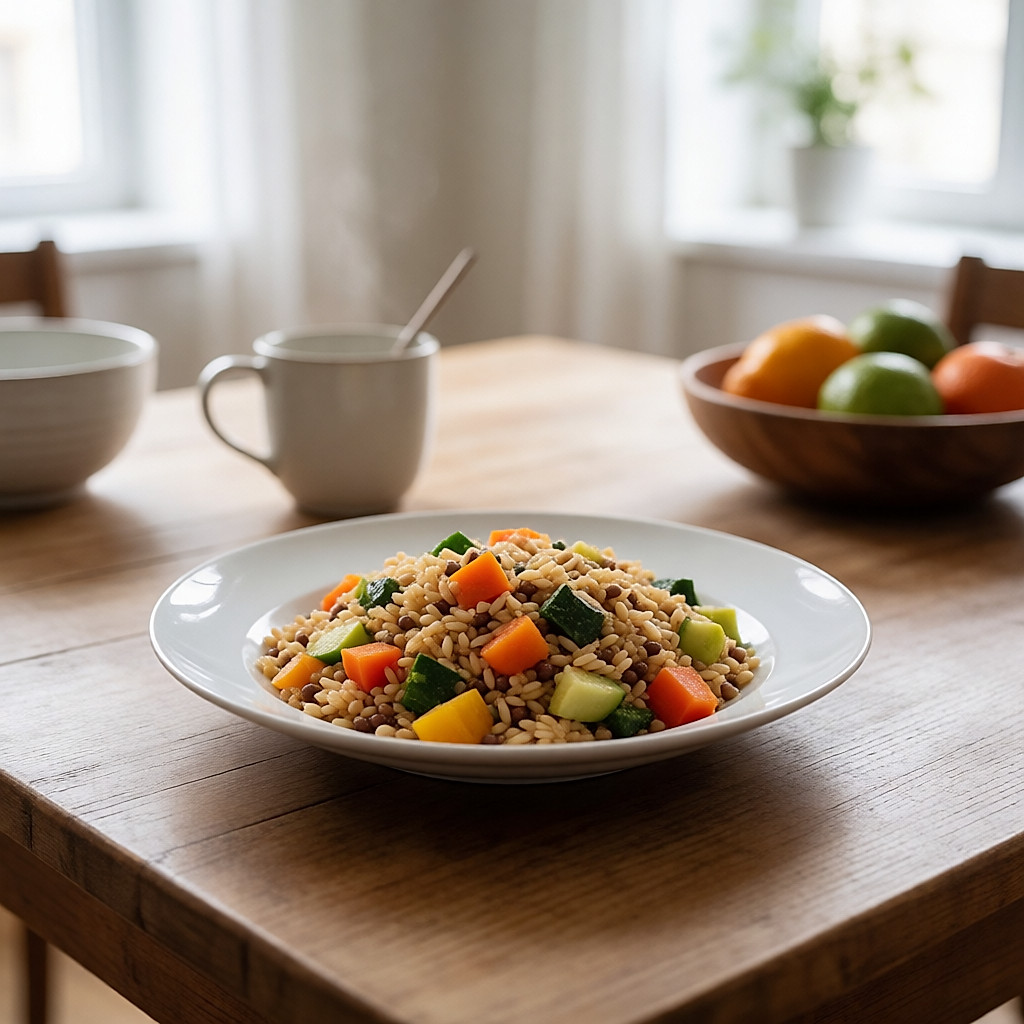
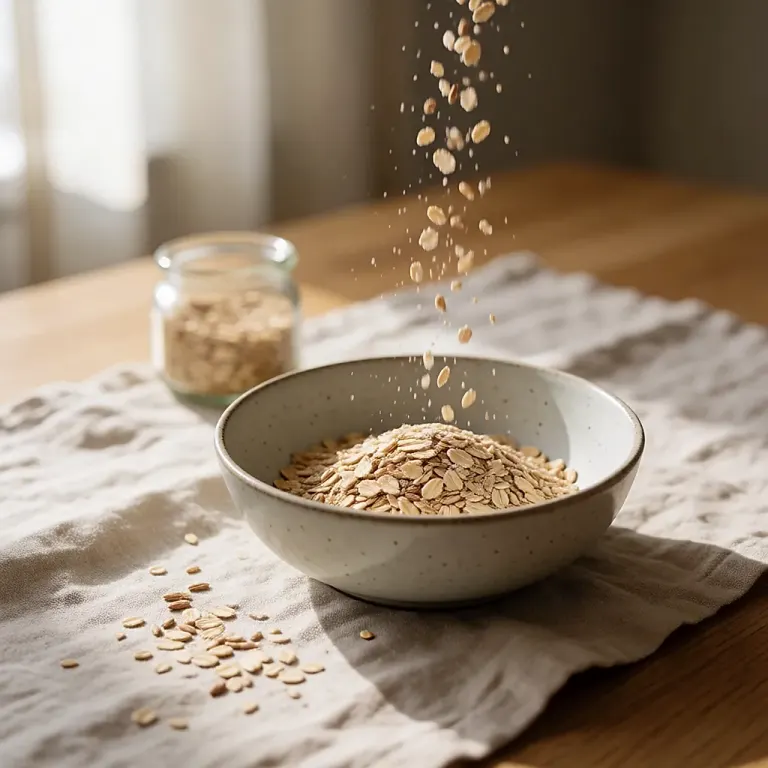
B1, B2, B3, B6, B9 and B12 each have their own role, often in turning food into energy or in the working of the nervous system. B12 deserves a separate mention, because it is found almost exclusively in animal products. If you follow a vegan diet, it is worth paying attention to B12 and asking a healthcare professional whether fortified foods or a supplement are appropriate for you. For the rest, wholegrains, pulses, meat, eggs, dairy products and nuts do the job.

What vitamin C really does
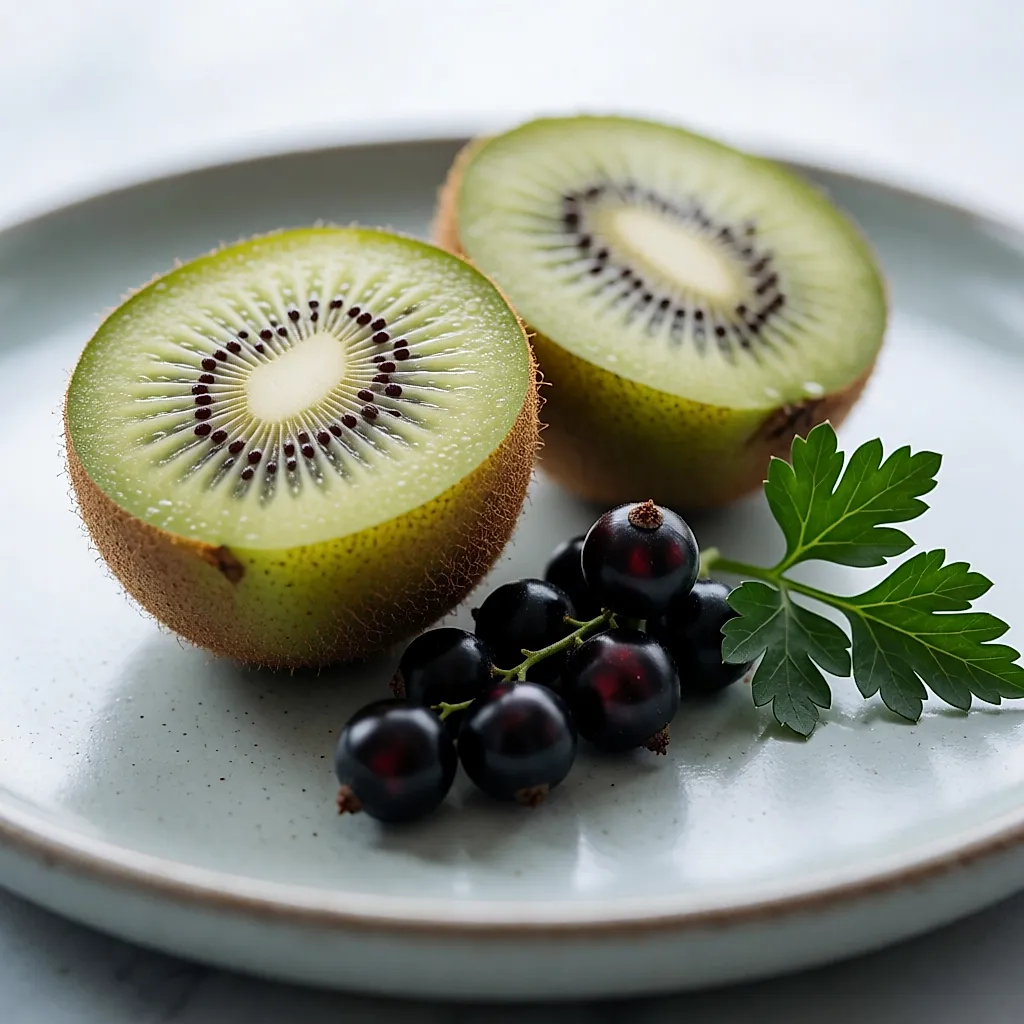
Vitamin C has several roles: it supports collagen synthesis, helps the body absorb iron from plant foods and supports immune defences. What about colds? The evidence is not clear enough to promise a benefit. You will find it in citrus fruits, kiwi, blackcurrants, red pepper, broccoli and parsley. It is sensitive to heat, so think raw or short cooking. And no, salmon and tuna do not provide notable amounts.
Vitamin D is the real exception
Vitamin D is made by the skin when it is exposed to UVB, and it is needed for calcium absorption and strong bones. The catch is that sunlight varies greatly with the season and latitude: in the UK, skin synthesis can be lower in the darker months. Food sources include oily fish, eggs, fortified dairy products and mushrooms exposed to UV. If you are considering a daily vitamin D supplement in autumn and winter, ask a healthcare professional whether it is appropriate for you. If you have a specific concern, speak to a healthcare professional rather than prescribing it yourself.

Vitamin E and the limits of the evidence
Vitamin E is an antioxidant and protects cell membranes. It is found in vegetable oils, nuts, almonds, seeds and avocado. The evidence on vitamin E supplements is not strong enough to recommend them, and high doses should not be taken without medical advice. In practice, food sources are the first place to look.

What we know and what we do not yet know: a varied and balanced diet is the first place to look for most adults. If you are worried about a deficiency – B12 if you follow a vegan diet, or vitamin D depending on season and personal profile – a blood test may be needed; ask a healthcare professional. And a supplement is never trivial: it can interact with a treatment you are already taking. Before taking one long term, speak to a healthcare professional.
Cost
Supplements are available from pharmacies, health and beauty retailers, supermarkets, health food shops and online. As a rough guide, a month’s supply can cost anything from a few pounds to around £15, depending on the dose, number of doses, form (capsules, drops, chewable tablets) and label. Own-brand supermarket products are often cheaper than specialist supplements, while organic or vegan versions, glass bottles or refill packs often cost a little more. If you have a diagnosed deficiency, a prescription may be possible; prescription charges and exemptions vary.
Food supplements do not replace a varied, balanced diet and a healthy lifestyle.


Comments
Your opinion matters: rate the article, react and reply to comments.
Comments are moderated; AI-assisted comments are flagged. Text emoticons (8-), :-), <3…) are automatically shown as images.