

When summer approaches, it often means beach holidays. And beach holidays mean sun... But you need to be very careful in the sun to look after your skin, because overexposure can, in the long term, cause skin cancer. These are, of course, extreme cases, but unfortunately they are becoming more common, which is why prevention matters.
So let's try to understand how skin reacts to the sun. In the skin, certain cells called melanocytes respond to sun exposure and, more specifically, to ultraviolet rays by releasing a coloured substance: melanin. This substance is responsible for the skin's pigmentation, which can happen more or less quickly. As for the sun, there are two types of UV rays that are particularly important.
UVA rays act quickly on skin colour — they give you a tan by the evening — and are partly responsible for skin allergies and skin ageing. UVB rays act more slowly on tanning; they are the main cause of what we call sunburn. They also cause changes to DNA and can, over time, lead to skin cancers.
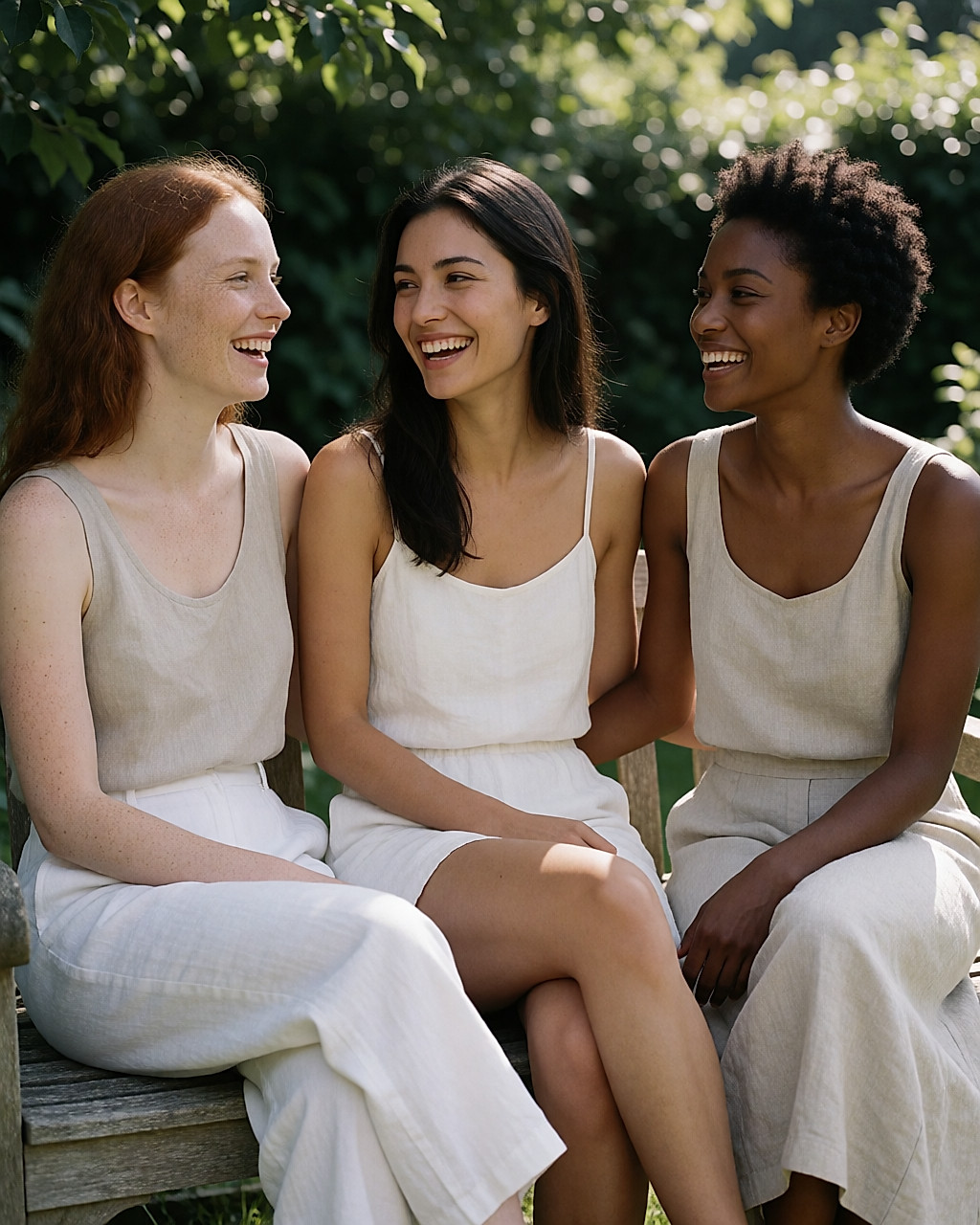
The skin's reaction to sun exposure varies from person to person, depending on their skin type — that is, how their melanin is distributed. There are in fact several skin types, classified as follows.
Type I, or Celtic type: the skin is very fair, as are the eyes (often blue) and hair (often red). People with type I skin find it almost impossible to tan, and they always burn. They have little melanin, which lets UVA and UVB rays through.
Type II, or Nordic type: the skin is fair (sometimes with freckles), as are the hair (usually blonde or brown) and eyes. Type II skin tans slightly and often burns.
Type III, or Caucasian type: the skin is normal to dark, with brown hair and eyes. Type III skin tans gradually, without major sunburn.
Type IV, or Mediterranean type: the skin, hair and eyes are dark. Type IV skin tans very deeply and rarely burns.
There are also skin types V and VI, also called brown and black skin types. Although they are more resistant to the sun, these people are not immune and can also get sunburn. In this case, melanin is very dark and concentrated, and lets very little UVA and UVB through. Skin cancers are also often diagnosed later in these groups, because the lesions are less visible.
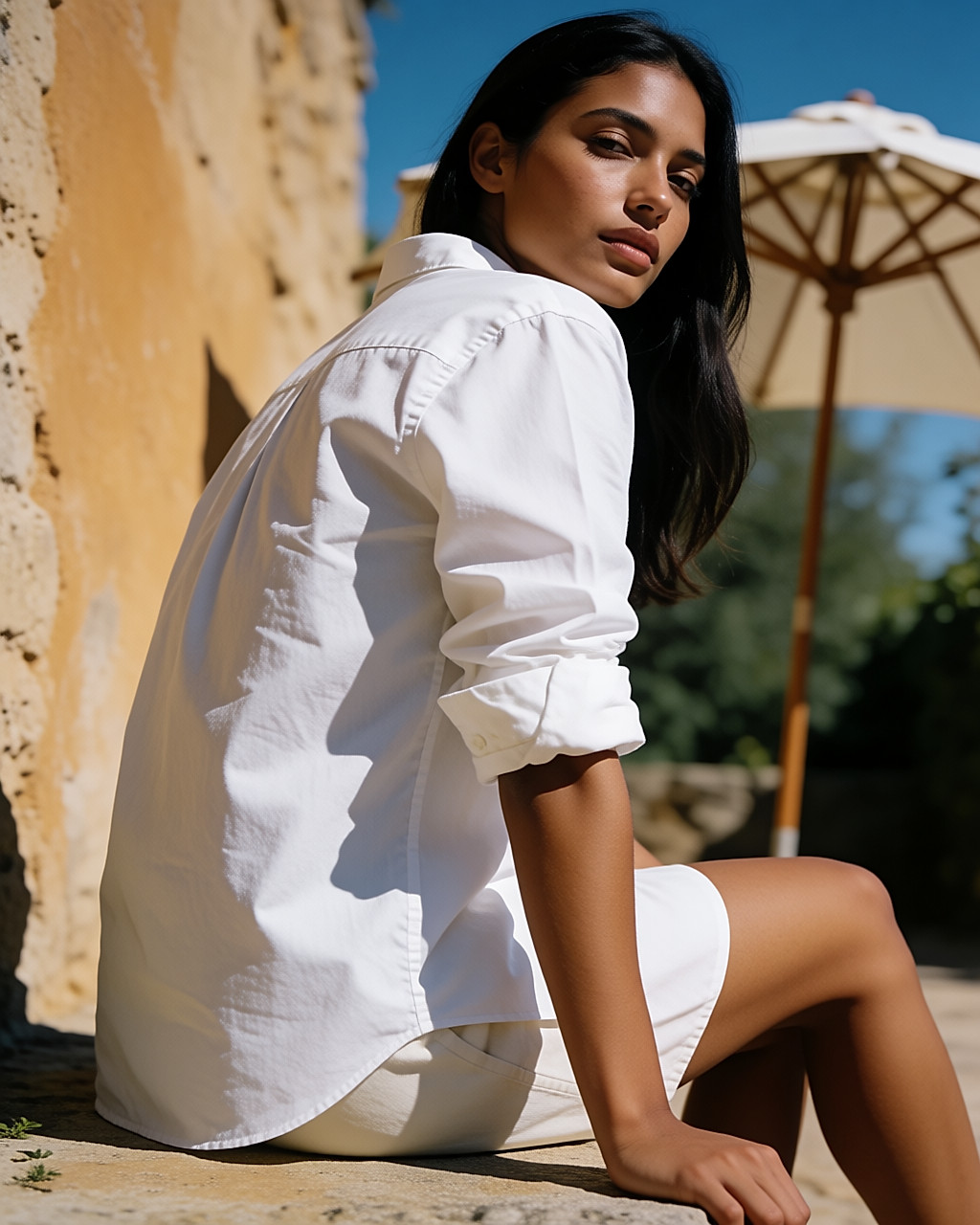
Melanin changes gradually across skin types: the darker it becomes, the less ultraviolet radiation it lets through. In other words, the shade of your tan already says a lot about your sensitivity to the sun. Each skin type therefore needs particular care: the fairer your skin, the higher the protection factor should be. In practice, choose a suitable SPF, apply enough of it and reapply, to avoid sunburn and burning.

A quick practical note on what this factor really tells you. SPF 30 filters around 97% of UVB, and SPF 50 around 98%. The difference looks small on paper; it matters over a full day of exposure. In the UK and across Europe, recommendations also call for a UVA protection factor of at least one third of the SPF, often indicated by the circled UVA logo.
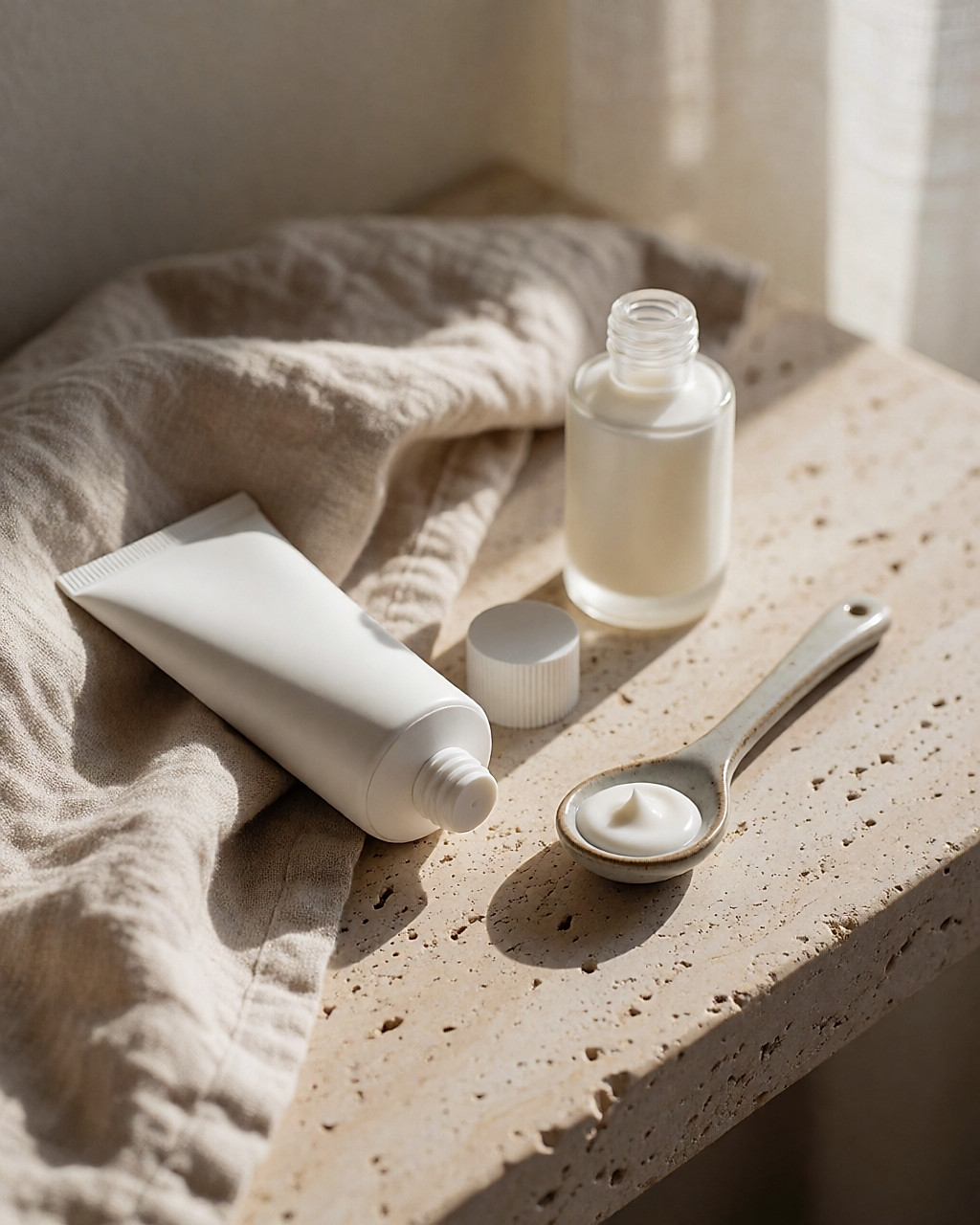
So, whatever your skin type, do apply sunscreen regularly when you are out in the sun — even if you have taken a course of supplements rich in pigments and antioxidants before your holiday. Even though they may prepare the skin for the sun, they are in no way a shield or a sunblock. And be wary of so-called 'sun preparation' supplements: health authorities remind us that they are no substitute for sunscreen.

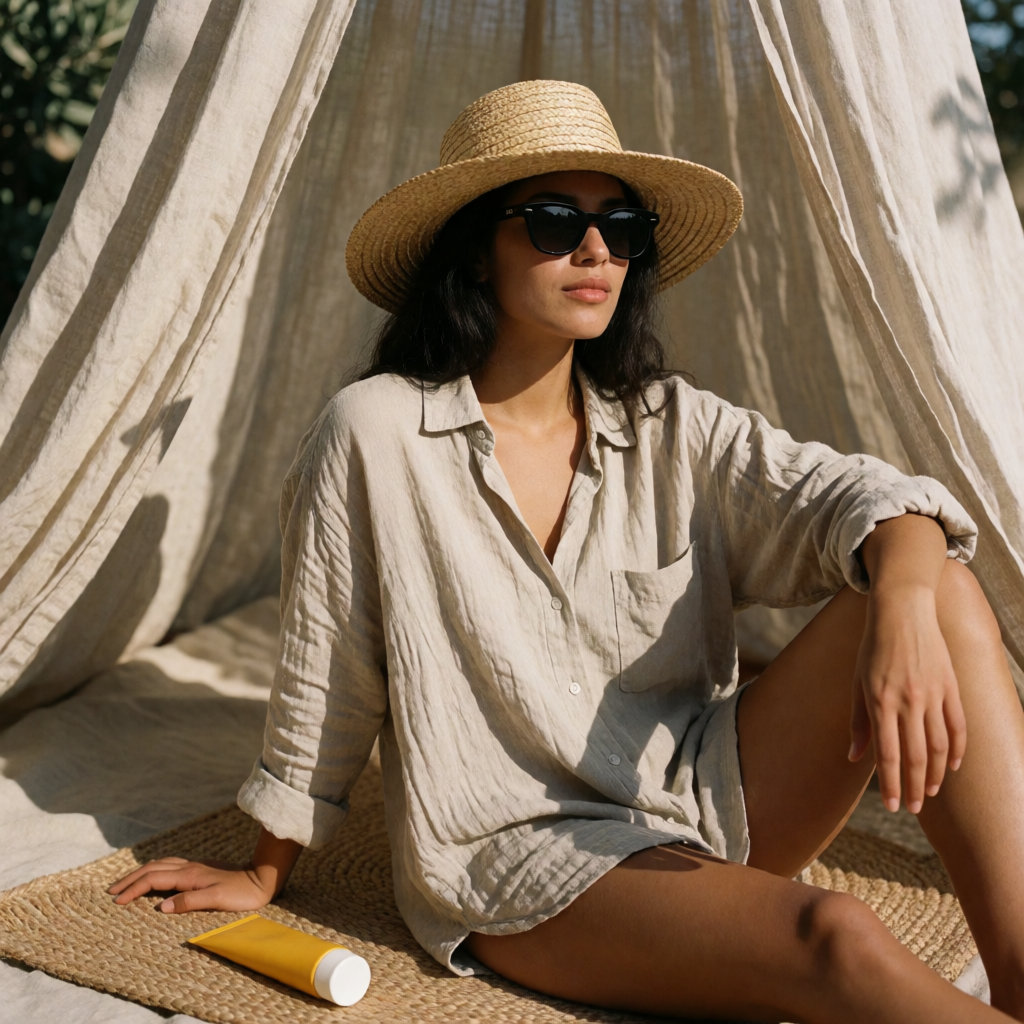
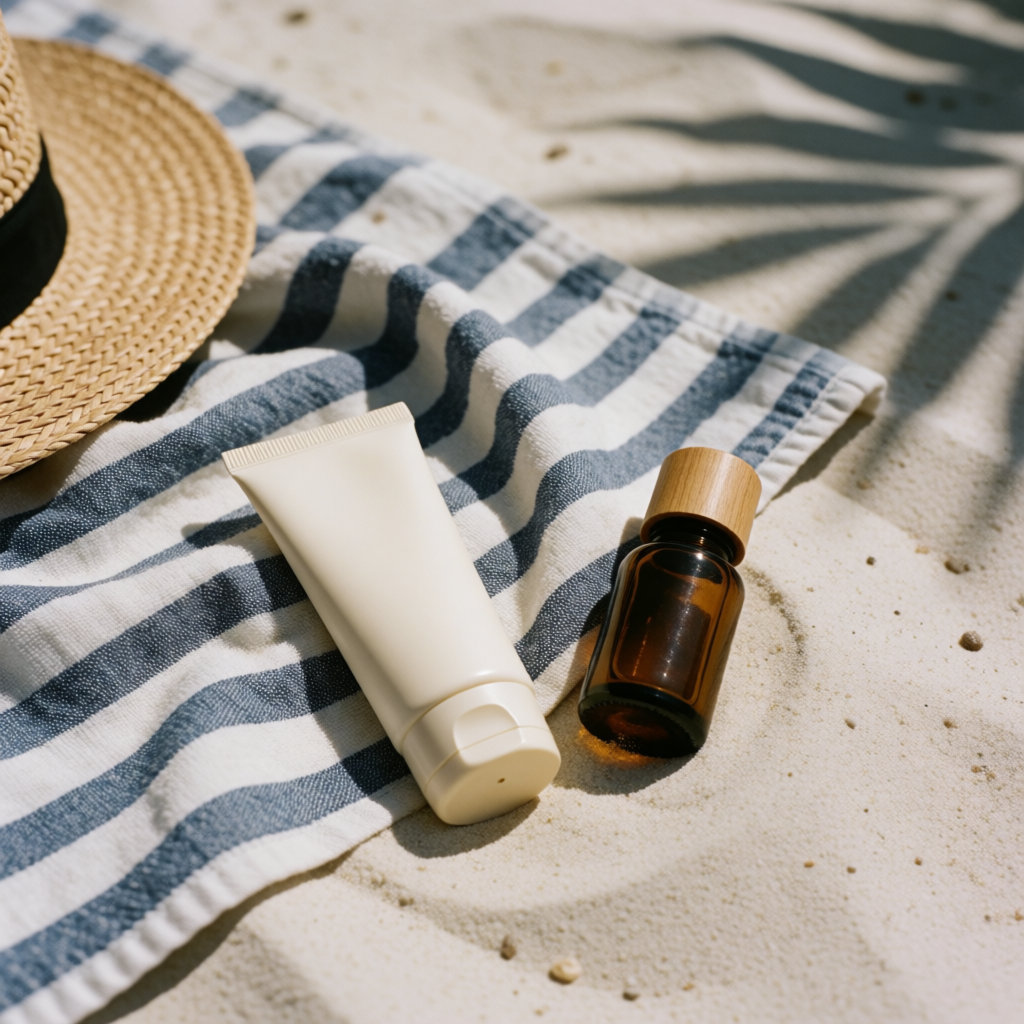
Covering clothing is often more effective than sunscreen that has been applied poorly — a hat, sunglasses and a T-shirt do much of the work. To prepare your skin, focus on simple steps: moisturise, avoid the hottest hours, apply enough sunscreen and reapply every two hours, including under a cloudy sky. If you are unsure about your skin type or a lesion that is changing in appearance, speak to a healthcare professional or your dermatologist: they can best advise you.
Budget
For sunscreen, expect around £6 to £12 for a 50 ml bottle of SPF 50 from a supermarket, and more like £15 to £30 for a lighter-finish product from a pharmacy or specialist suncare range. Prices rise with texture (face fluid, children's format) and water-resistant formulas; 200 ml family sizes often sit around £15 to £25. For UV-protective clothing, budget £20 to £50 depending on brand and coverage. A hat and sunglasses remain the best-value buy in the kit.
Sources
- Santé publique France — Preventing the effects of the sun on health, accessed in 2026.
- Institut national du cancer — Skin cancers: what you need to know, accessed in 2026.
- World Health Organization — Ultraviolet (UV) radiation, accessed in 2026.
- European Commission — Recommendations on sunscreen products, accessed in 2026.
Food supplements do not replace a varied, balanced diet and a healthy lifestyle.


Comments
Your opinion matters: rate the article, react and reply to comments.
Comments are moderated; AI-assisted comments are flagged. Text emoticons (8-), :-), <3…) are automatically shown as images.