

Autumn: 5 everyday habits to support your defences
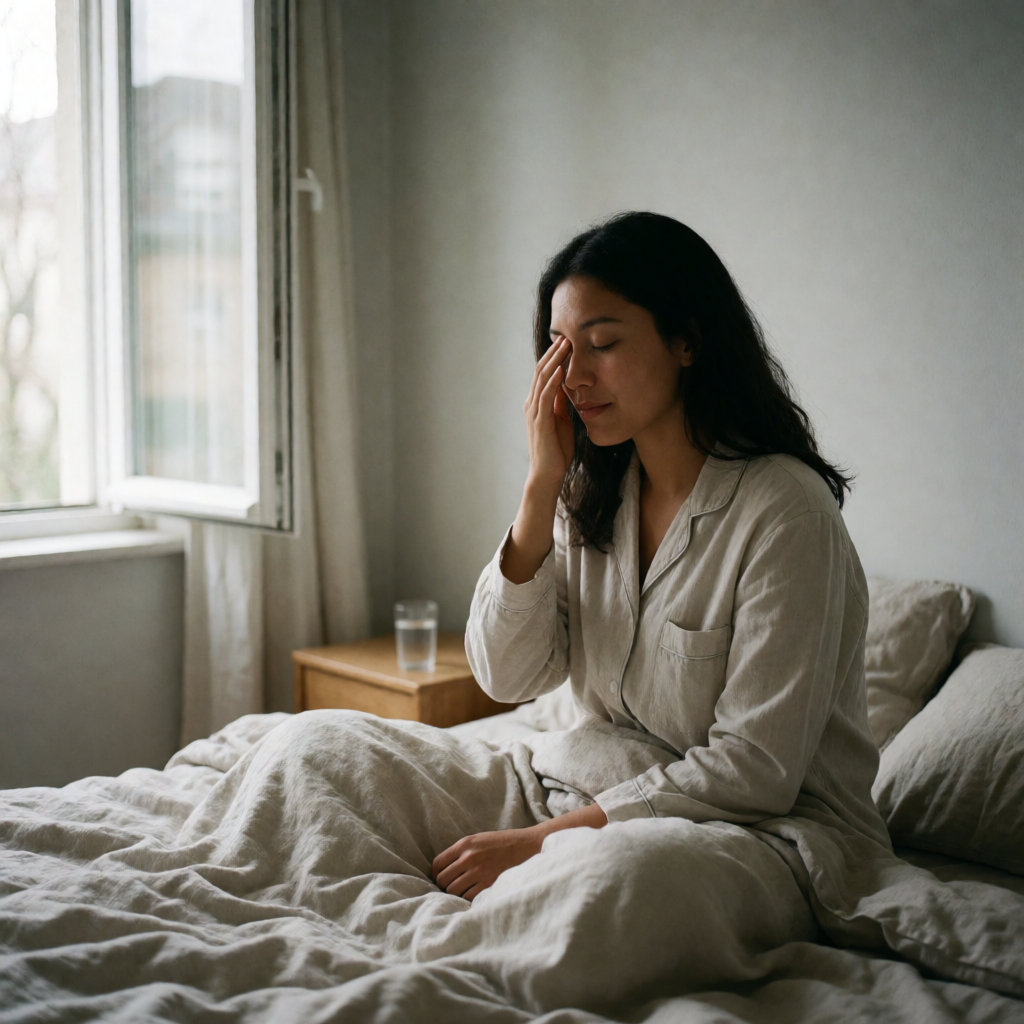
The first cold of the season always lands at the worst possible moment, usually the day before a busy week. You start wondering what you could have done differently — taken something, changed your plate, slept more? Yet there is no secret product to track down. What we do know is that the habits you repeat daily often matter more than a routine started in a panic. So we looked at what genuinely holds up, and what is better left to a health professional.
What 'supporting your defences' actually means
Immunity is not a muscle you can pump up on demand, and you should be wary of articles that promise the opposite. Current evidence suggests that a steady foundation — consistent sleep, fresh air, movement, a varied diet, hydration — helps your body do its job when it meets a virus. Nothing dramatic, as you will have gathered, but that is precisely what tends to work.
Remember this: five modest habits kept up for three weeks — the timeframe we are using here as a practical marker — are better than a heroic effort abandoned after four days. This is not about performance but repetition, which changes everything about how you approach it. For each habit below, we give you the essentials: how long, how often, and above all how to keep it alive when motivation dips.
1. A fixed wake-up time, not a perfect bedtime
You cannot control when you fall asleep: stress, screens and noise all interfere without warning. Your wake-up time, however, is yours — and it is what resets your body clock. Once that anchor is solid, evenings become more predictable, tiredness arrives earlier and getting up stops feeling like a fight.
It takes no time at all: it is a schedule, not an activity. Keep it every day, weekends included; in practice, aim to stay roughly regular, within about half an hour. A big weekend lie-in can disrupt the rhythm for some people. To check whether the habit is taking hold, note your wake-up time for a few days: rough regularity is already a good sign. Be aware, though: repeated night waking, loud snoring or weeks of daytime sleepiness are not things to fix on your own. Speak to your GP.
2. Air your home regularly
Open the windows wide, even when it is cold. A few minutes is enough to refresh the air in a living space, and it is exactly the kind of detail we forget once autumn sets in. UKHSA guidance on ventilation recommends letting fresh air in regularly to reduce the spread of respiratory infections, and mechanical ventilation does not remove the need for opening a window now and then. In practice: air regularly, opening the windows for a few minutes several times a day — UKHSA recommends frequent air renewal.
The trap here is not willpower: it is forgetting. The most effective solution is to attach the opening to a habit you already have — your morning coffee, getting home from work, the moment you put your keys down. If you have to remember it, you will forget; if it is welded to something else, it eventually happens on its own. And for those who heat their homes heavily, it is also the move that freshens the room.
3. Walk regularly, at your own pace
The WHO recommends that adults get 150 to 300 minutes of moderate activity a week — the equivalent of around 20 to 40 minutes a day, spread however you like. A daily walk does that work. Regularity is a useful marker, but any activity counts towards your weekly total.
In practical terms, those 20 to 40 minutes are enough, either in one go or across two journeys, ideally with a walk every day — the realistic goal being simply not to leave a day at zero. The best indicator is not one day's score but the trend over several weeks: if you walked twice a week last month and four times a week now, that is already a win. Walking in the cold just calls for an extra layer, not extra effort.
4. A seasonal plate, no counting
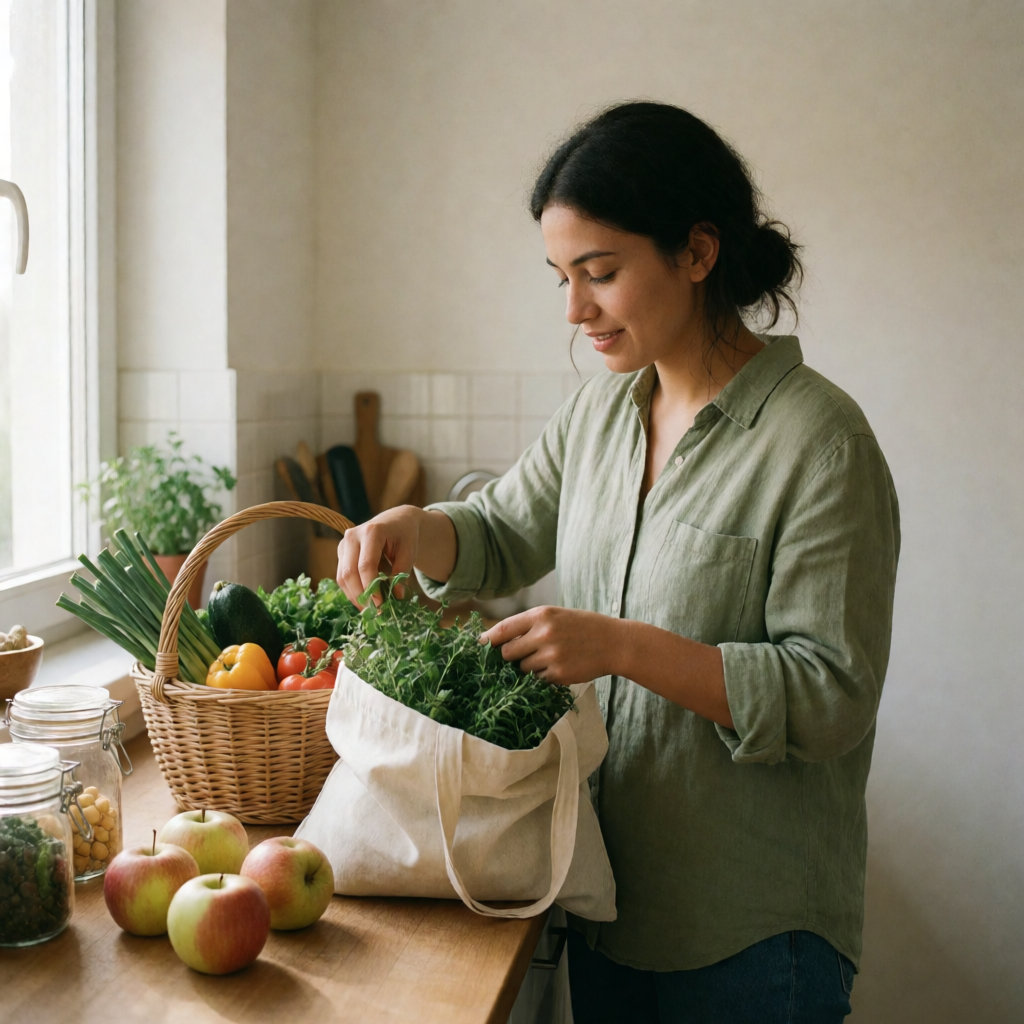
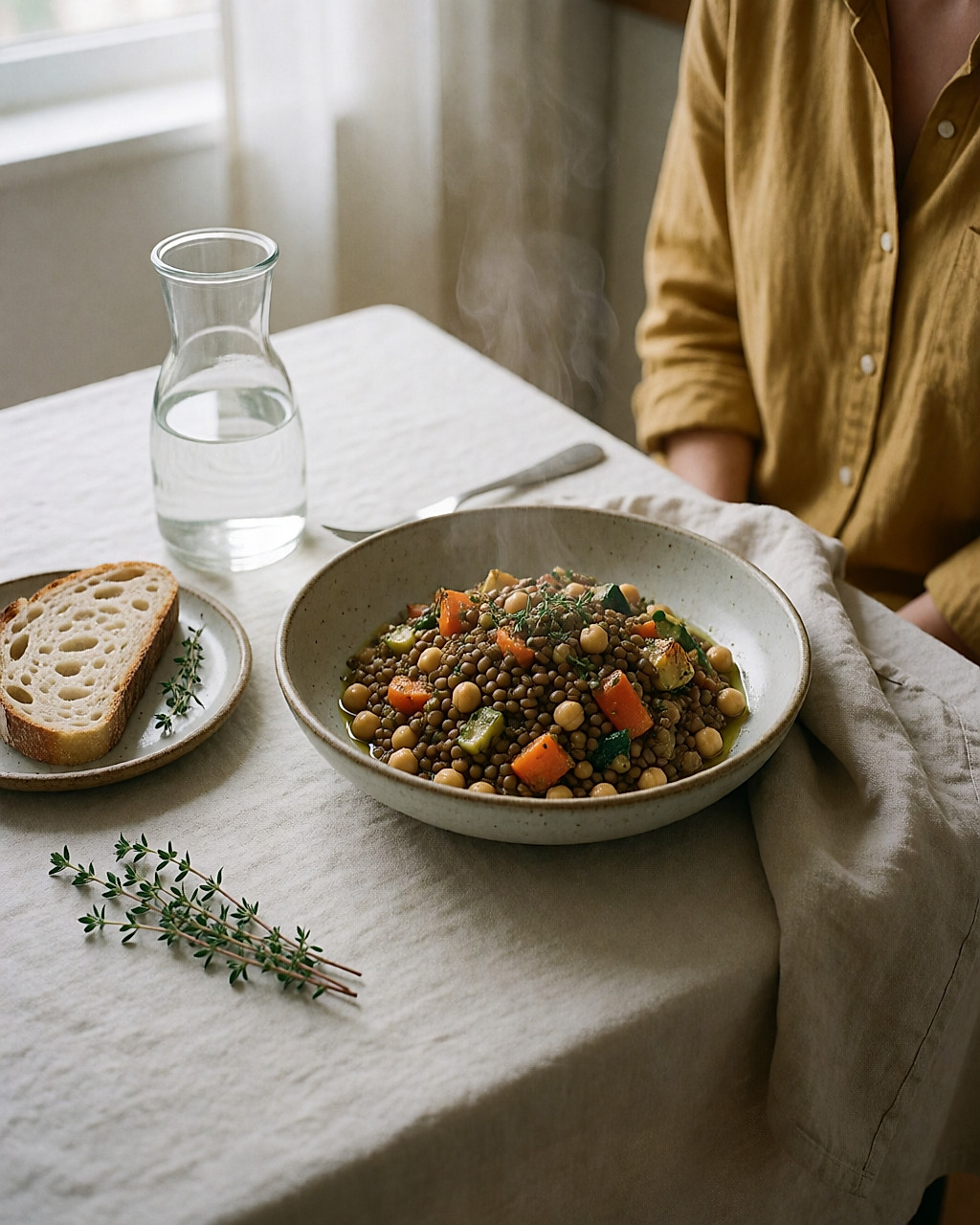
Root vegetables, pulses, fibre: that is the backbone of an autumn plate that keeps you full without feeling like a diet. Think carrots, beetroot, parsnips, celeriac, and for plant protein, lentils, chickpeas and dried beans. UK guidelines put adult fibre needs at around 30g a day, and many of us get far less — there is no need to change everything at once. Increase gradually and drink more alongside it, or you may end up with uncomfortable bloating.
The real secret to a regular plate is not the recipe, it is the logistics. In practice, many people set aside about 45 minutes on Sunday to prepare a few meals for the week. In your basket, try alternating root vegetables and pulses from week to week — no counting, weighing or keeping a diary. That kind of simplicity is what survives a busy November.
5. Drink up, herbal teas included
UK guidance is around six to eight glasses of fluid a day, which for many women works out at about 1.5 litres, adjusted for activity, temperature and central heating. Autumn is exactly when we drink less without noticing: thirst becomes quiet, and we compensate without thinking with tea or coffee — which, at normal consumption, do count towards fluid intake.
The most reliable method is also the simplest: fill a bottle in the morning, empty it by the evening, keep it on your desk or in your bag. Thirst and urine colour remain simple cues, and water with meals naturally adds to the total. For herbal teas, choose loose leaves or tea bags rather than individual capsules or pods, and look for a recognised organic certification such as Soil Association. It guarantees production standards, not an effect on your health — better to say that plainly. In the evening, avoid tea if you are sensitive to caffeine, swapping it for a caffeine-free infusion.
Budget
Eating seasonally, airing your home and drinking enough do not have to cost much — but three purchases soon add up, and prices really do vary from one retailer to another:
- Herbal teas: around £3 to £8 per 100g loose, from a health food shop or refill store; £3 to £6 for a box of about 20 bags in a supermarket, more like £5 to £10 in a specialist shop, where the choice is wider.
- Dried pulses: £2 to £4 per kilo loose, often cheaper than tinned — provided you eat them regularly, otherwise the saving disappears.
- Water bottle: £15 to £40 for stainless steel depending on capacity and range, £10 to £25 for glass with a protective sleeve. You will find them in supermarkets, health food shops or online.
Prices vary by city, packaging and range, of course. Buying loose or in bulk becomes genuinely worthwhile when you use most of it without leaving it at the back of the cupboard.
If you only keep two habits this week
A fixed wake-up time and a daily walk. Why these two rather than the other three? Because they are free, they stack together, and they depend on neither motivation nor a purchase — which is exactly what makes most resolutions fail. A heroic burst creates a peak of enthusiasm, then a stop; those 20 minutes of daily walking settle in without much effort.
The idea is not to pile on all five habits at once, but to choose two, keep them for three weeks — the timeframe we are using here as a practical marker — then add another once the first two hold steady. It is less glamorous than an express plan, admittedly, but it stands up to the first rainy Sunday. There is nothing to buy for these two: just schedules and steps, repeated long enough that they stop requiring effort.
No supplement replaces a diagnosis, treatment or vaccination. If you live with a long-term condition, take medication, or become unwell often, speak to your GP or pharmacist: they can assess your actual risk, not a tip read here.
Sources
- UKHSA — Ventilation to reduce the spread of respiratory infections
- World Health Organization — WHO Guidelines on physical activity and sedentary behaviour, 2020
- NHS — How to get more fibre into your diet
- NHS — Water, drinks and hydration
- NHS — Sleep and tiredness
- NHS — Flu vaccine
Food supplements do not replace a varied, balanced diet and a healthy lifestyle.

Comments
Your opinion matters: rate the article, react and reply to comments.
Comments are moderated; AI-assisted comments are flagged. Text emoticons (8-), :-), <3…) are automatically shown as images.