
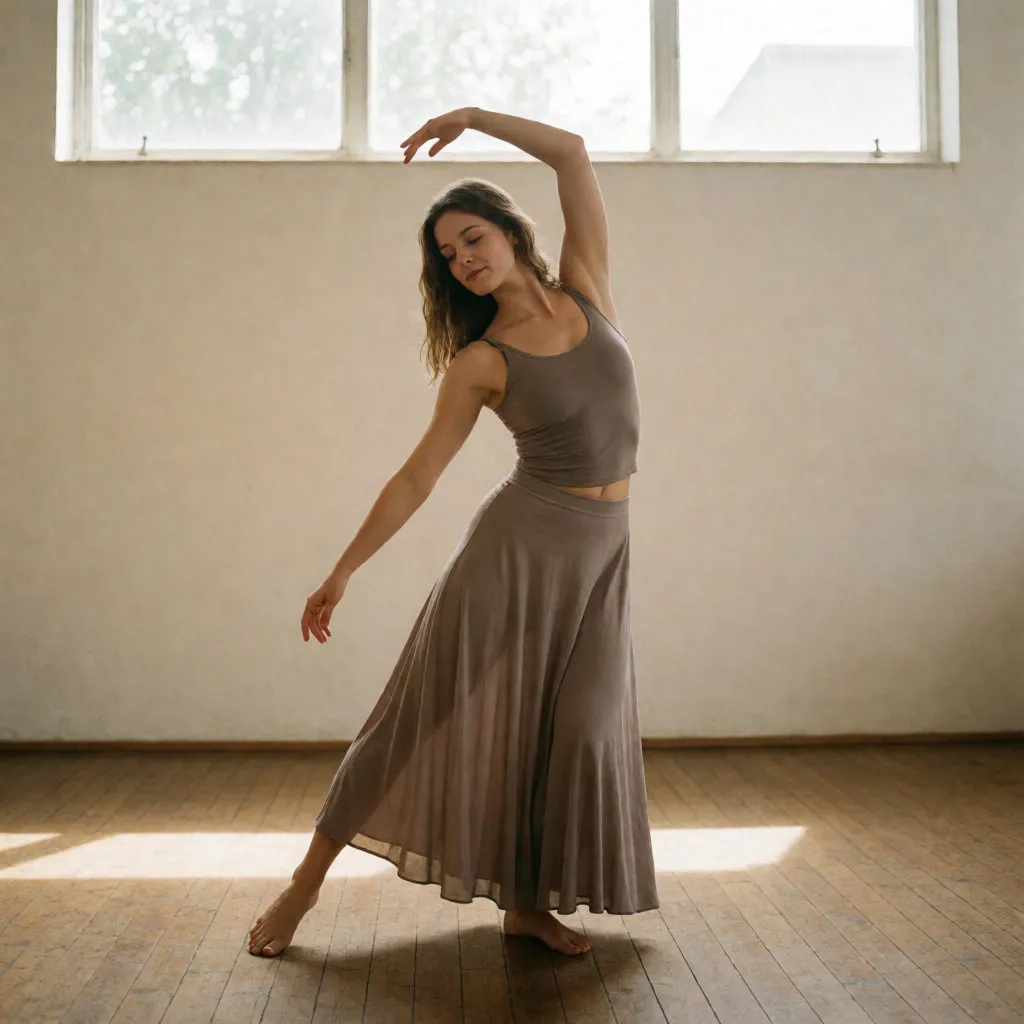
Belly dancing just a gentle sway? Not at all! It is a complete workout that works every muscle in the body: the head, arms, torso, stomach, hips, knees and legs are constantly engaged during the sequences. In these isolated, out-of-sync movements, the muscles alternate between tension and release, which makes them more supple and more toned. The result? You sculpt your waist, tone your stomach, build your abs, shape your arms and strengthen your back muscles, all to haunting, mesmerising melodies! Another advantage of belly dancing is that these hip movements gently work the muscles of the stomach and pelvis: blood circulation is stimulated, and you leave a session feeling lighter. As well as all its physical benefits, it is a dance that releases emotions, encourages relaxation and fulfilment by making you aware of every part of your body; you learn to know it better and gain confidence!
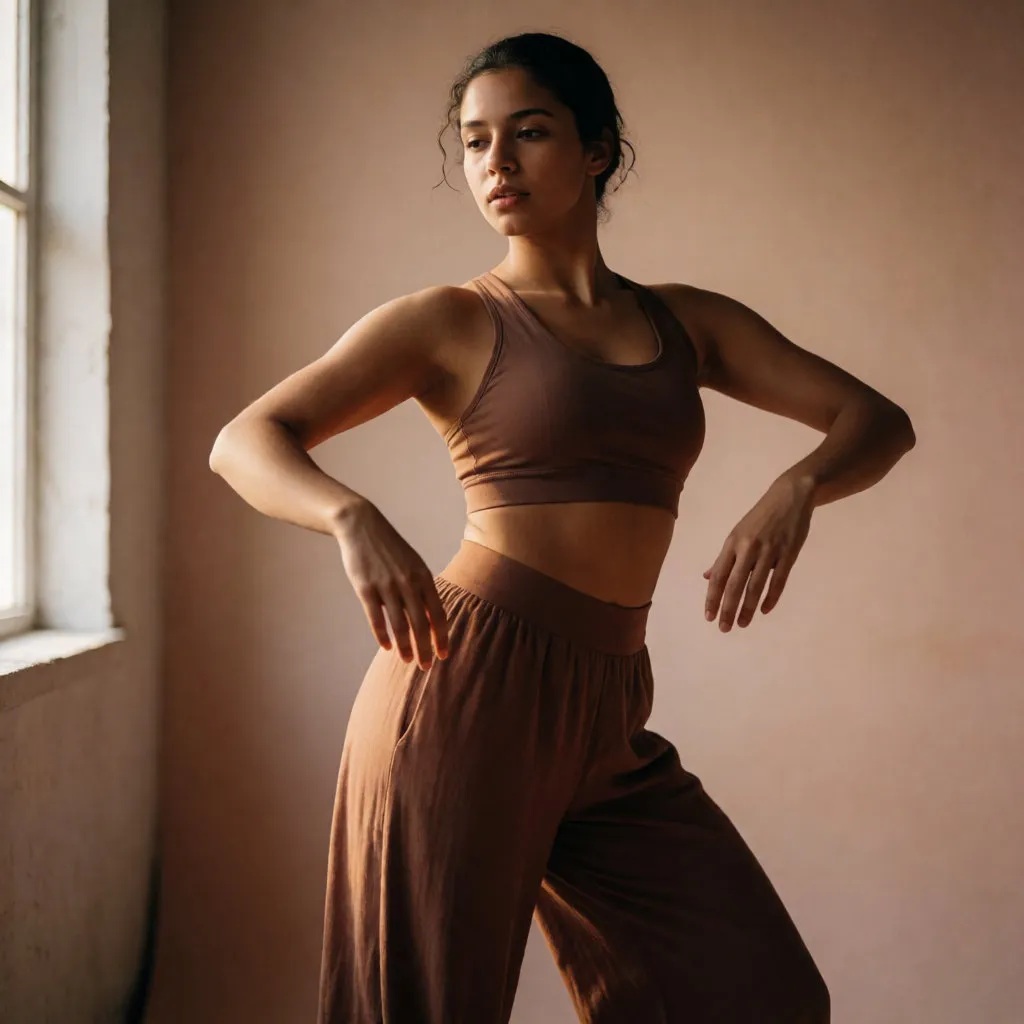
We imagine it as languid, all veils and Middle Eastern melodies. In truth, belly dancing gets the body moving from head to toe. What if you were looking for a discipline that is both gentle and demanding? Just like hip-hop, African, Indian or modern jazz dance, belly dancing is a real sport that allows you to burn between 200 and 500 calories an hour. Fascinating, captivating, sensual, 'belly dance' is very much a discipline in its own right which, practised regularly, will help you tone your figure. A graceful, poetic dance, to become aware of your whole femininity...
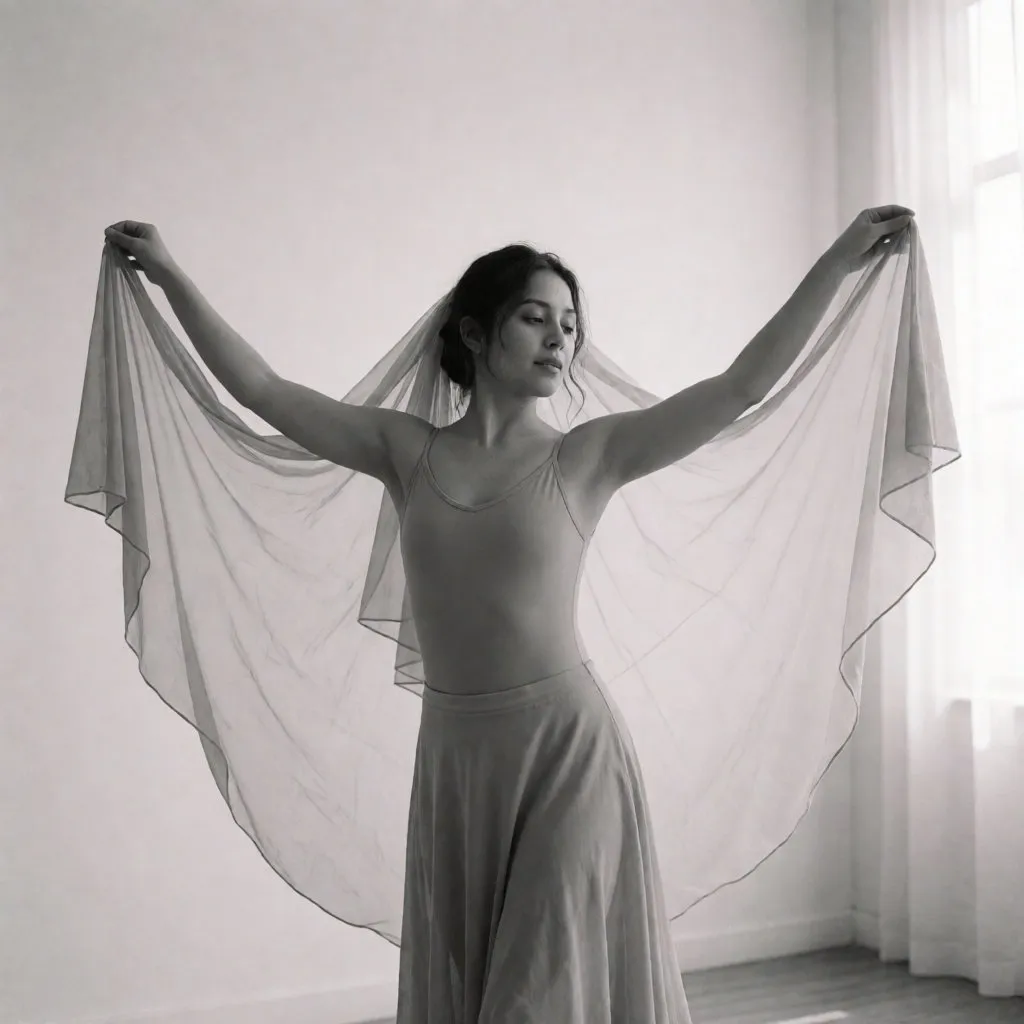
In classes and workshops, among the most widespread styles, you will come across 'Sharki', 'Baladi' and 'Saidi'. 'Sharki' is the classic belly dance style. Popularised in the mid-20th century, it has its roots in older dances, particularly in Egypt. The movements are broad and fluid, making it a very airy dance. 'Baladi' is the people's dance, developed in Egypt in the early 20th century. The pelvis is grounded, the arm movements stay close to the torso and head, and express, in a sustained and slowly revealed way, the dancer's sensitivity, emotion and passion. 'Saidi' is the folk dance of southern Egypt. Accompanied by the mizmar, a Middle Eastern wind instrument with a very distinctive sound, this dance stands out for its powerful, precise hip movements.
On the downside, be aware that belly dancing is known to cause some aches in dancers, especially back pain when sessions come thick and fast. Nothing alarming: rest, warmth and a little gentleness often ease the discomfort, and if the pain persists, speak to a healthcare professional without delay. Belly dancing is practised at very different ages and levels, for pleasure — and especially for those who want to become more flexible and make peace with their curves.
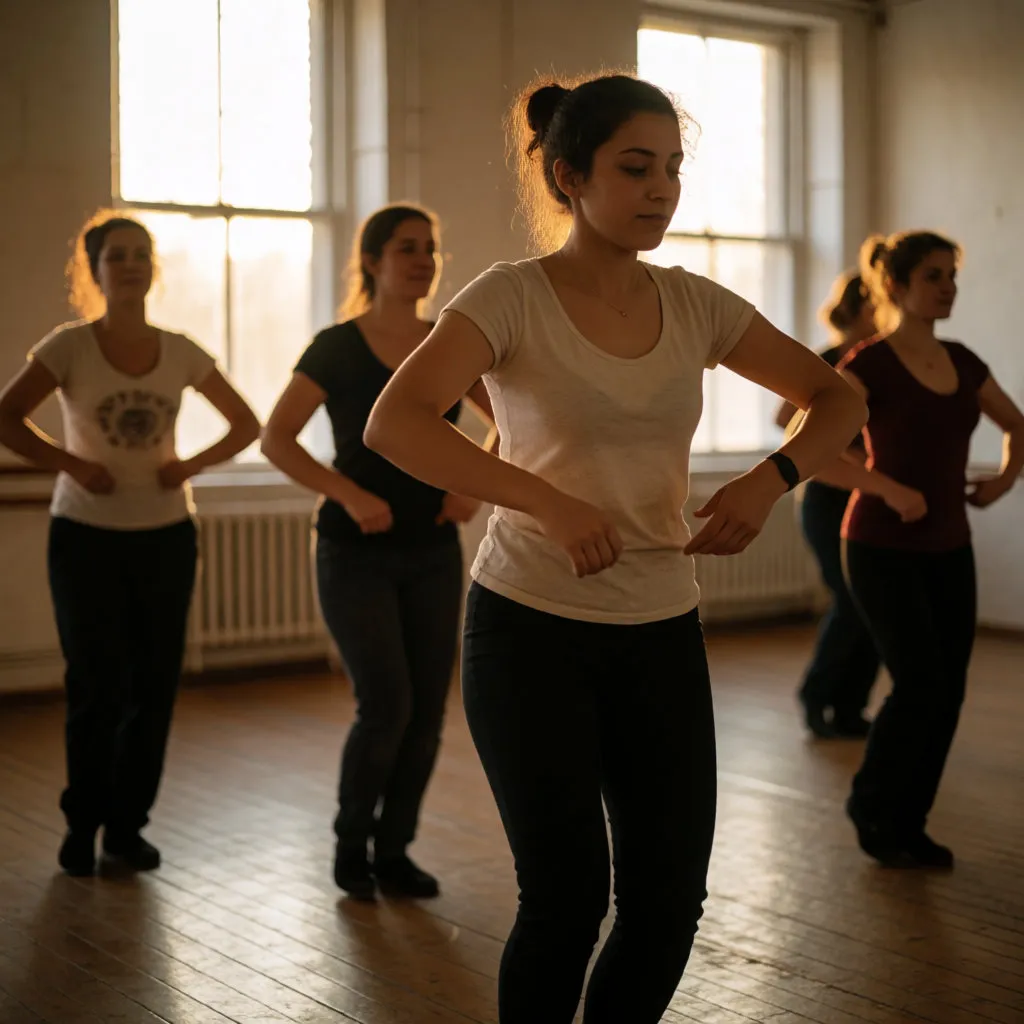
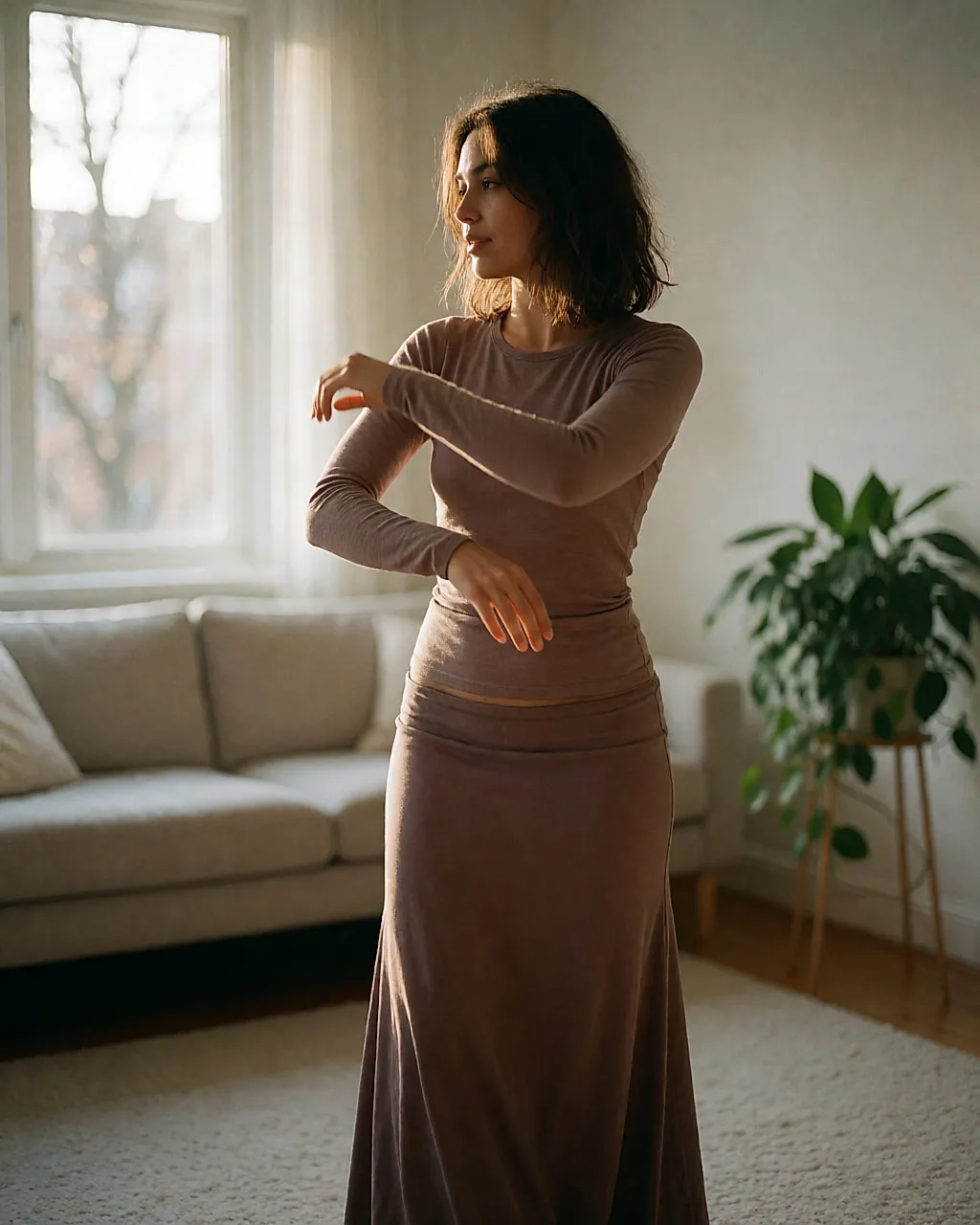
To find a class near you, it is often enough to try your local community hall or neighbourhood association; online directories of dance schools, starting with those run by federations, remain a good place to start: check the details before you sign up. If you are still hesitating, remember that belly dancing welcomes complete beginners and experienced dancers alike, for fun as much as for fitness. A gentle way to reconnect with your body and your femininity.
Budget
Expect to pay around £9–£18 for a drop-in class at a school or community association, and more like £13–£35 for a regular class at a private studio; ten-class passes often bring the per-class price down to £7–£13. A weekend workshop usually costs between £45 and £105. Clothing and accessories — long skirt, sequinned belt, soft shoes — cost between £25 and £90 to buy. Prices vary by city, teacher's reputation and venue (community hall, dance centre, private studio); always ask the price of a trial class before committing.
Sources
- World Health Organization — Physical activity guidelines for health, 2020.
- Santé publique France — Physical activity and health: recommendations, 2024.
- Ainsworth et al., Compendium of Physical Activities, 2011.

Comments
Your opinion matters: rate the article, react and reply to comments.
Comments are moderated; AI-assisted comments are flagged. Text emoticons (8-), :-), <3…) are automatically shown as images.