
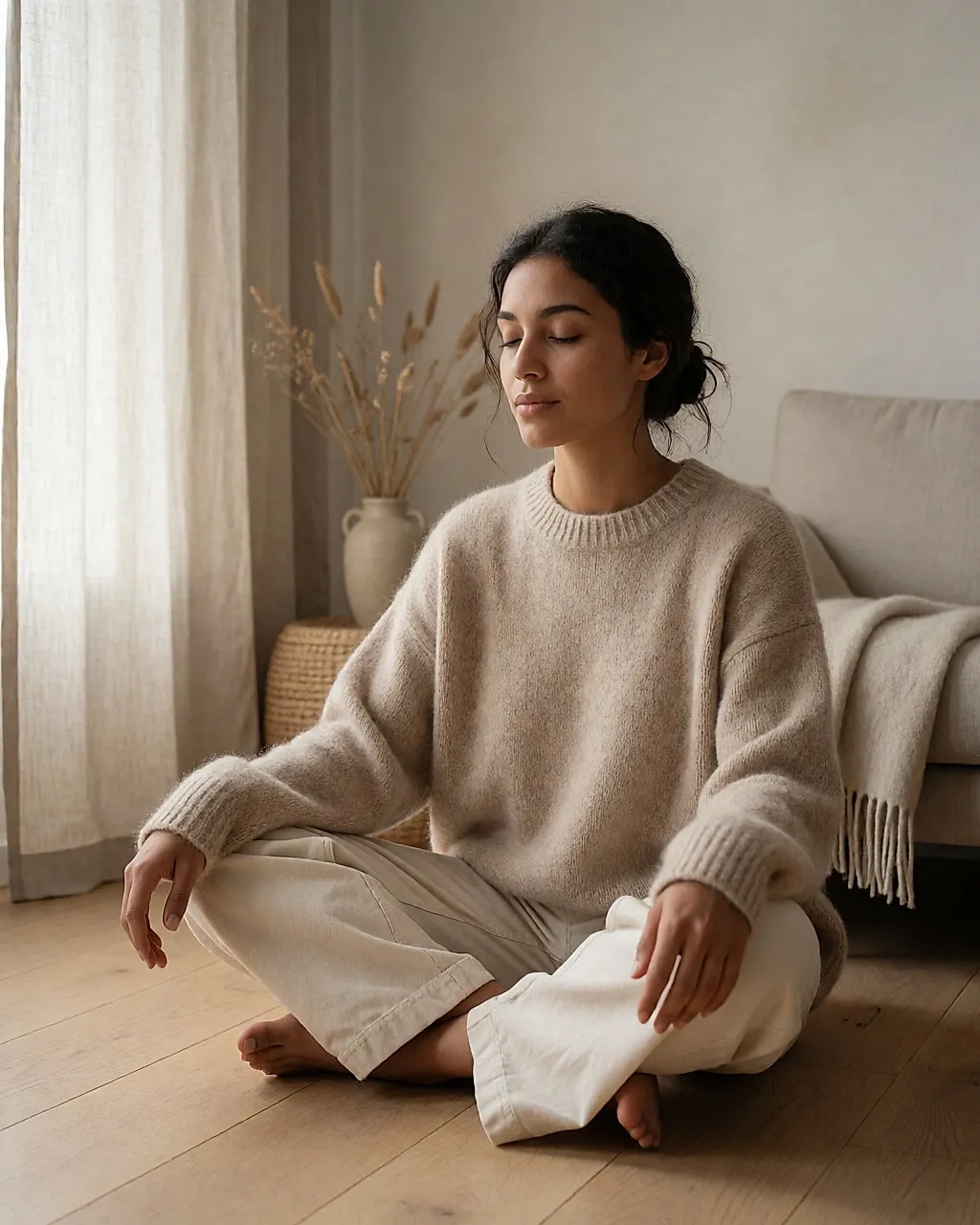
You know that moment: jaw clenched, shoulders creeping up towards your ears, breath going shallow, three minutes before an interview. Your body registers the pressure long before your head finds the words. Sophrology suggests flipping the order — start with breathing and physical sensation, and let the mind catch up afterwards.
A method born in 1960, built around prevention
It was the neuropsychiatrist Alfonso Caycedo who laid its foundations in 1960. The principle fits into a few lines: slow breathing, muscular relaxation, visualising calming images, then a look back at what happened in the body during the exercise. Nothing flashy, then — but regular practice. The logic isn't a million miles from tai chi or qigong: slow, repeated movements that help settle the nervous system.
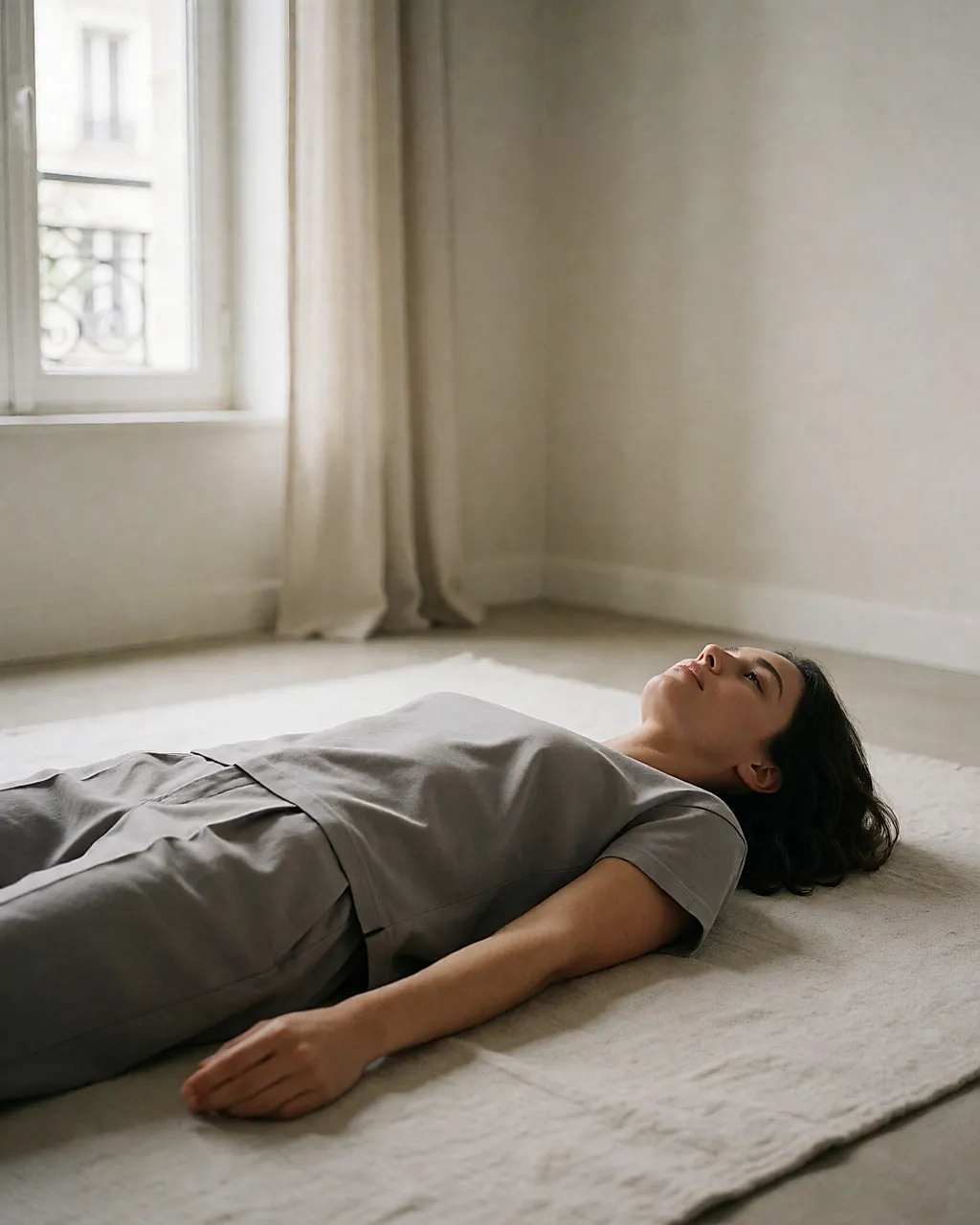
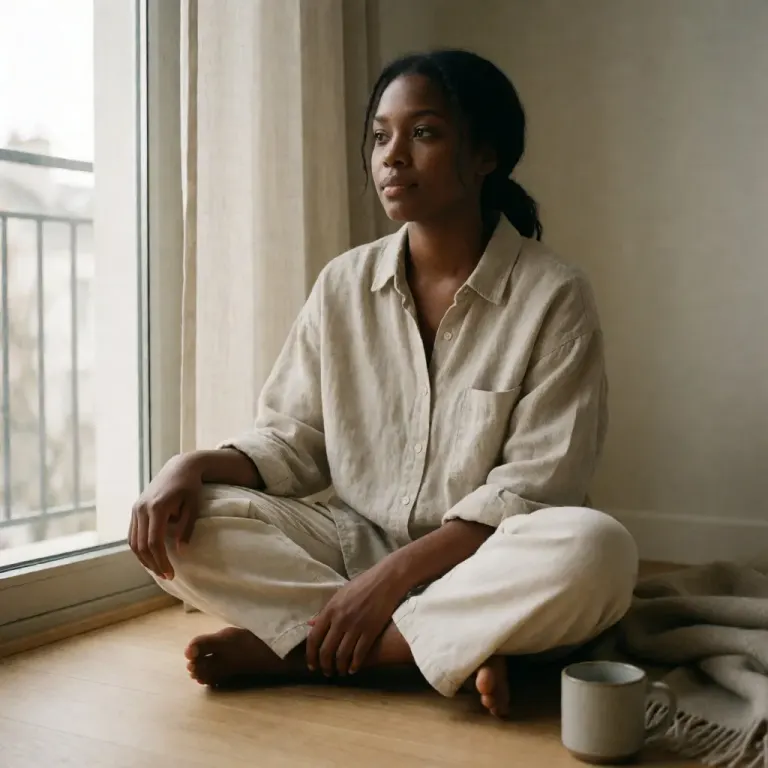
In practice, a sophrology session feels like a small ritual lasting a few minutes, done sitting, standing or lying down. No equipment needed: just somewhere nobody will talk to you for ten minutes.
What we know, and what we don't yet
Relaxation techniques have a documented effect on how people experience stress and anxiety, and literature reviews agree on that point. Research looking specifically at sophrology is thinner and of mixed quality: many studies are small, with no robust comparison group.
In plain terms: sophrology isn't a treatment. It can sit alongside care from a professional, support falling asleep, help you wind down after a tense day. It never replaces medical advice — particularly if anxiety is taking hold, if sleep is deteriorating over the long term, or if pain appears without explanation.
Sophrology doesn't diagnose anything and doesn't replace treatment. In the UK, "sophrologist" isn't a protected title and the profession isn't statutorily regulated, so anyone can use the name. Before you commit, ask about their training (which school, how long), how many years they've been practising, and whether they belong to a professional body with a code of ethics. And for any symptom that lingers, your GP is the starting point.
One thing to try tonight
Sit with your back straight, feet on the floor. Breathe in through your nose for a count of four, then breathe out slowly for a count of six. Repeat five times, without forcing it. Then scan your body mentally, from your feet up to the base of your neck, and simply notice what's tight, what's heavy, what's warm. Finish by spending thirty seconds thinking about a moment when you felt good. It's short, and it's enough to tell whether the approach speaks to you.

The body isn't a machine
Plenty of articles still promise effortless weight loss. That shortcut deserves correcting. Current evidence suggests very restrictive diets are hard to sustain over the long term, and that chronic stress can influence eating behaviour: snacking, sugar cravings, skipped meals. Working on your emotions is therefore one lever among several — not a magic wand.
If you want to change your relationship with food, talk to a professional: your GP or a registered dietitian. Sophrology can support that work, but it can't carry it alone.

Learning it: alone, in a group, online
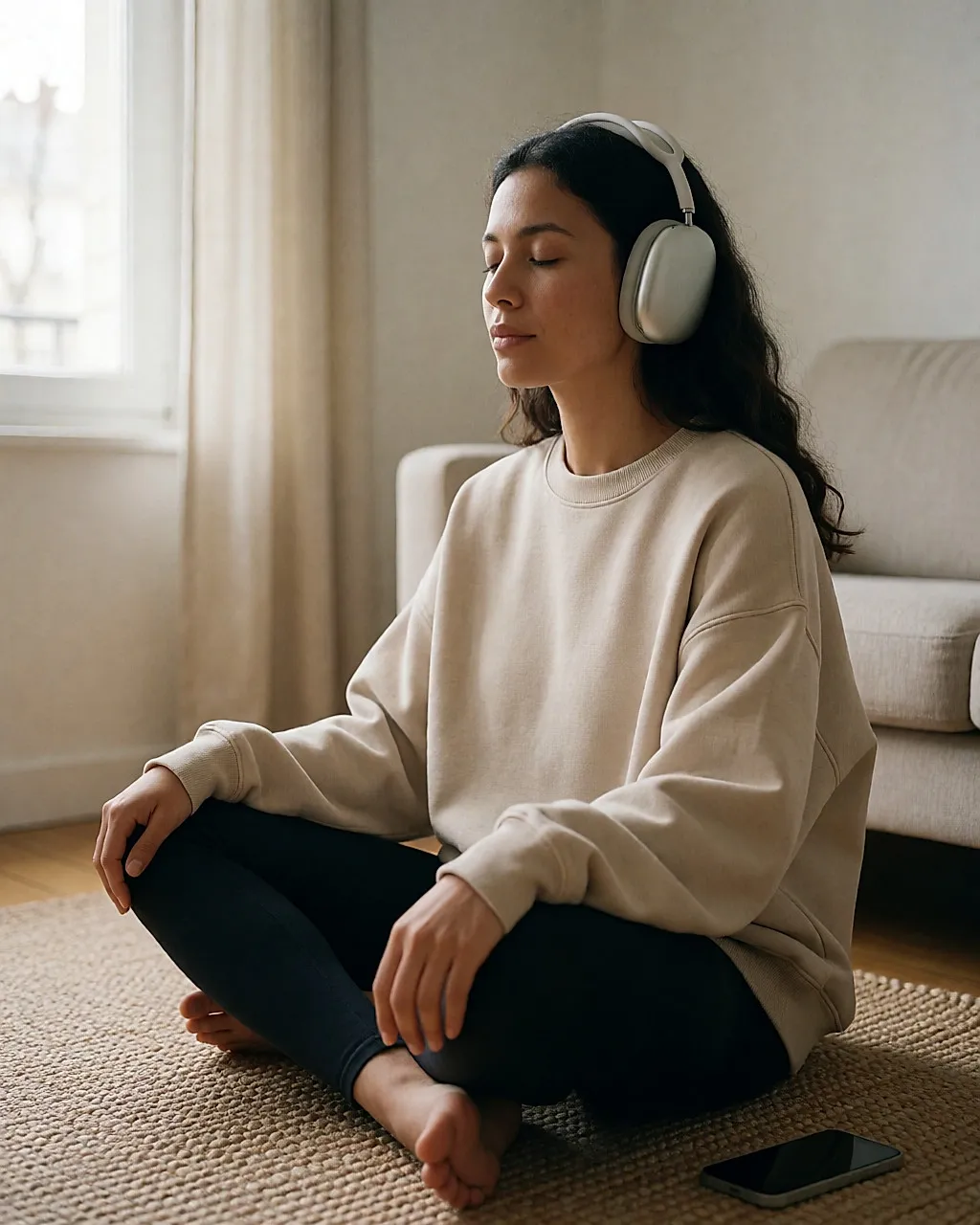
Three options, depending on your budget and your schedule. Group sessions, run by a charity, a community centre or a practitioner, are a good way in and usually last an hour. One-to-one sessions let the content be tailored to a specific situation. And books and guided audio recordings let you practise at home, which helps if you live far from a big city or work irregular hours.
Cost
Budget £50 to £90 for a one-to-one session, often £60 to £70 in larger cities and more in London. Group sessions tend to sit between £10 and £30, with block bookings of ten often discounted. Online, prices follow in-person rates, sometimes slightly less.
Sophrology books cost between £8 and £20; audio guides and apps range from free to around £15 a month. A cheaper, lower-waste route: public libraries lend plenty of guides and relaxation CDs free of charge, which saves buying something you might not stick with. If you do buy, favour a printed book on FSC or PEFC certified paper where the label is shown on the cover.
Worth knowing: the NHS doesn't routinely fund sophrology. Some private health insurance policies and cash plans include a wellbeing allowance covering a few sessions — check the terms before you book, and bear in mind that regular practice matters more than the number of appointments.
Sources
- NHS, pages on stress, anxiety and relaxation, nhs.uk.
- NICE, guidance on generalised anxiety disorder and panic disorder in adults, nice.org.uk.
- World Health Organization, "Anxiety disorders" fact sheet, who.int.

Comments
Your opinion matters: rate the article, react and reply to comments.
Comments are moderated; AI-assisted comments are flagged. Text emoticons (8-), :-), <3…) are automatically shown as images.