
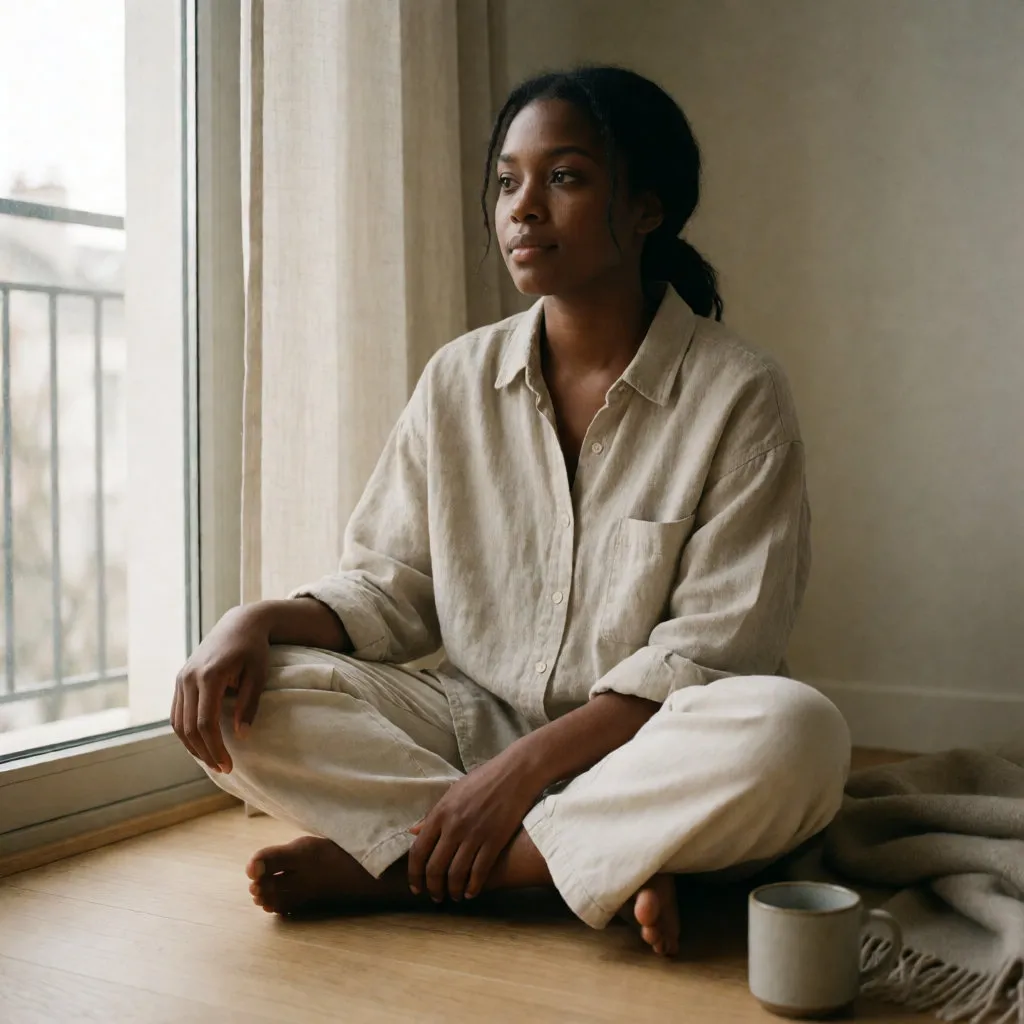
That breath that catches high in your chest, shortening the moment something starts to play on your mind: it's the body's first reflex under stress — and it's also what keeps restlessness ticking over instead of settling it. The good news is that it can be retrained. No equipment, no medication, and just a few minutes a day to find a fuller breath and real release.
What we know, and what we don't yet
Breathing is unusual in that it is one of the few automatic processes you can steer at will. By breathing slowly and deeply, you engage the parasympathetic nervous system — the one that slows your heart rate. Current evidence suggests a drop in felt anxiety and a better tolerance of everyday pressures, without claiming to treat anything.
What isn't yet precisely known: how big the long-term effects are, and why some people respond far better than others. What we do know is that short, snatchy breathing tends to travel with tension. It's worth remembering, too, that sustained stress is a risk factor for sleep and blood pressure; breathing stays one useful building block, not a treatment on its own.
In practice, here's what to remember
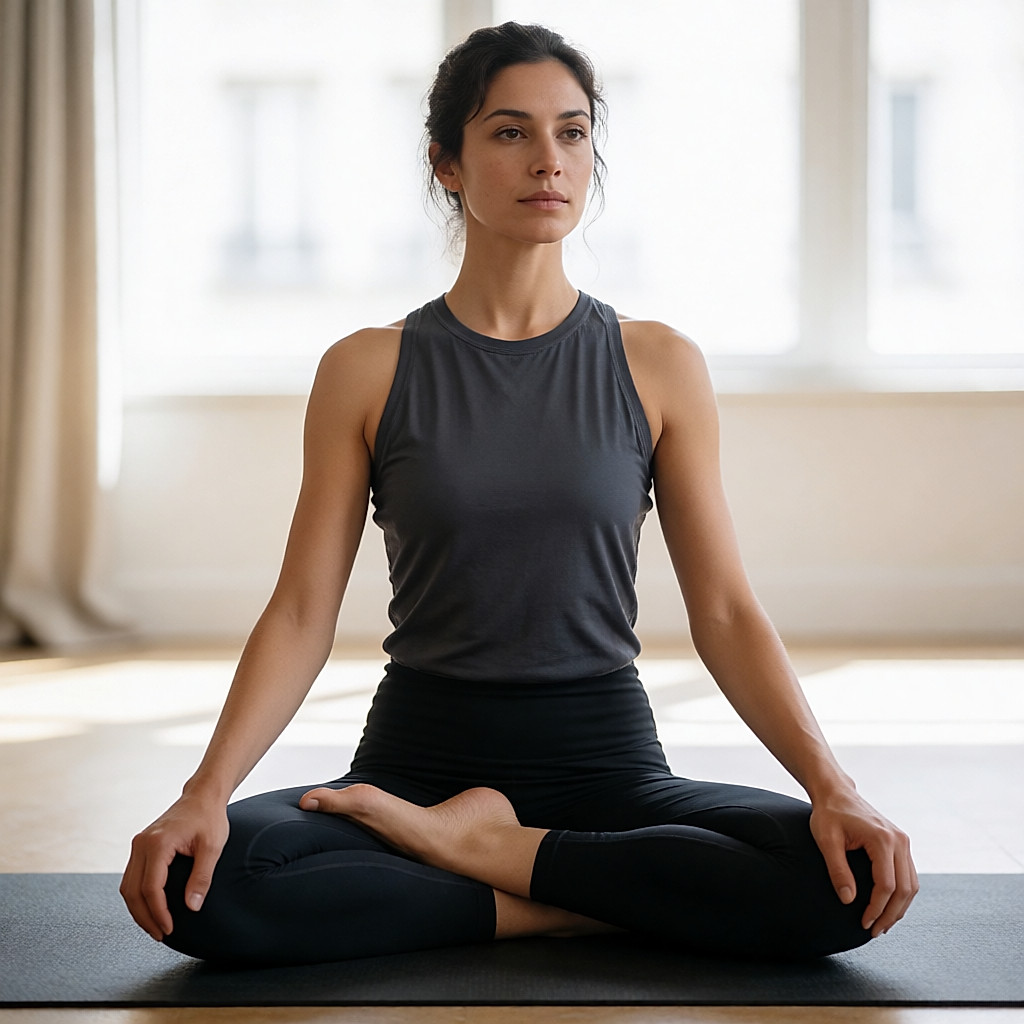
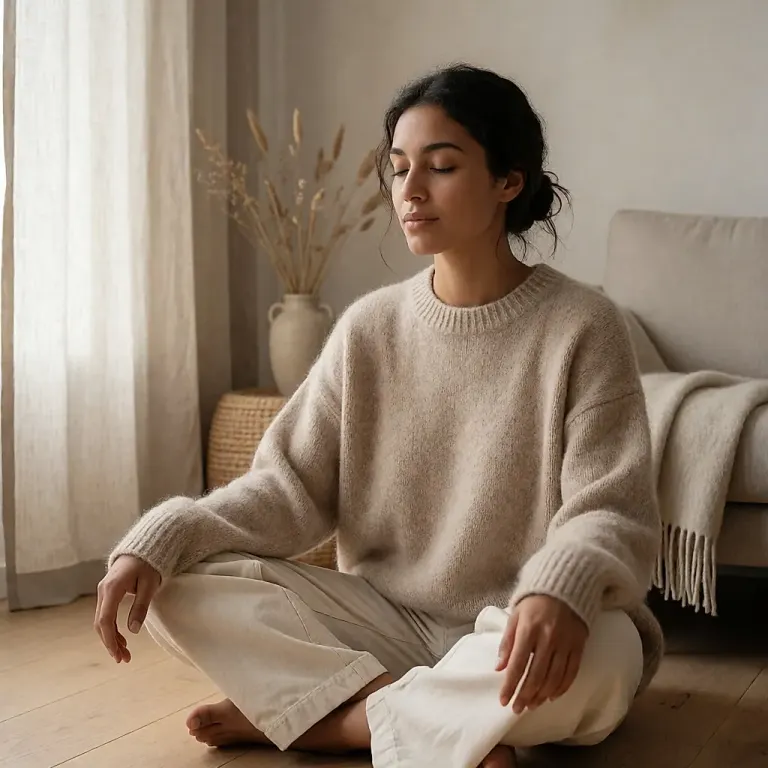
Sit or lie down, back straight, one hand on your belly, the other on your chest. Breathe in through the nose, letting the belly expand, over a count of four; then breathe out for longer, over six, letting the belly fall back. It's the long exhale that counts: it empties the lungs and lets tight muscles go.
Aim for five to ten minutes, once or twice a day. The best-known variation, called heart coherence, is practised on a steady rhythm of five seconds in and five seconds out, for a few minutes, three times a day. Singers, actors and athletes have trained on this gesture for generations, to steady the voice and tame stage nerves.
New breathlessness, chest pain, dizziness or palpitations don't get sorted out by breathing exercises. Speak to a healthcare professional: these signs deserve investigation, not an exercise.
Where to learn it
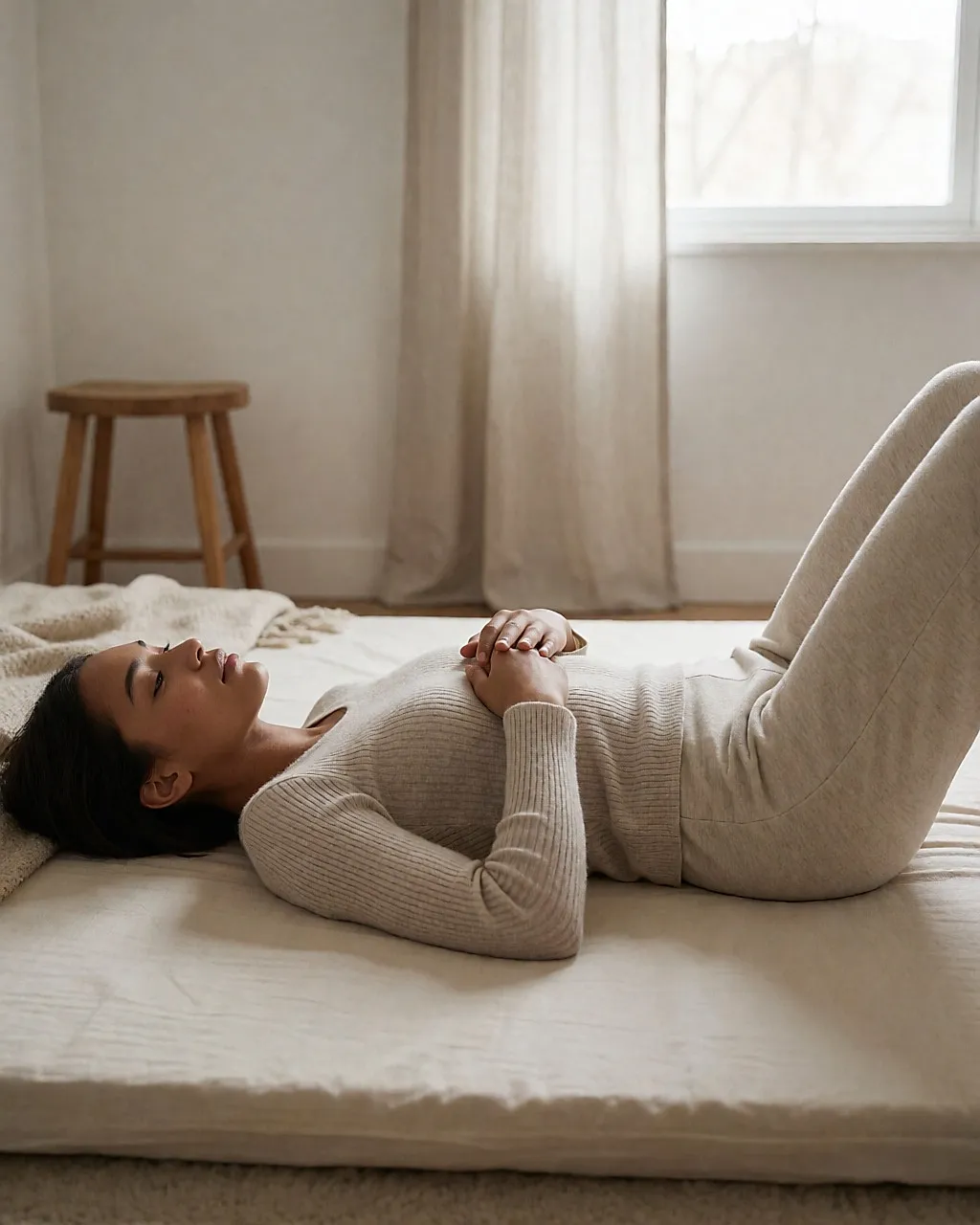
Yoga and sophrology make it their backbone, with postural work that helps you feel the movement of your belly. You'll also find guided sessions in mental preparation, in sport, or with a psychologist trained in cognitive behavioural therapy. For everyday prevention, free audio is often enough — as long as you pick a voice and a pace that don't set your teeth on edge.
Budget
On price, expect around £12 to £20 for a yoga class in a studio, with far friendlier rates on annual passes; the differences come down to the city, the group or one-to-one format, and how long you commit for.
- Yoga in a studio: roughly £12 to £20 per class, or an annual membership that often works out better value than paying session by session.
- Sophrology, individual session: more like £50 to £80 with an established practitioner; some private health insurance policies reimburse part of it, so check with yours.
- Guided app: free version widely available, paid options usually between £4 and £10 a month.
- Free audio and video: NHS pages, podcasts, online yoga channels — more than enough to get started without spending a penny.
The idea is to start for free, then pay only if you need a framework and proper guidance. In practice, ten minutes of mindful breathing at home is often worth more than a premium subscription you'll never open.
Sources
- World Health Organization (WHO), Q&A on stress, who.int
- NHS, "Breathing exercises for stress", nhs.uk
- Mind, information on stress and mental health, mind.org.uk
- NICE, guidance on managing stress and anxiety, nice.org.uk


Comments
Your opinion matters: rate the article, react and reply to comments.
Comments are moderated; AI-assisted comments are flagged. Text emoticons (8-), :-), <3…) are automatically shown as images.