

Summer niggles: simple steps to a stress-free holiday
A sandal that rubs, a burn creeping across your shoulders, that little itch that settles in late evening… Let's be honest: summer has a knack for turning a perfect day into a bit of a bodily muddle. Usually nothing dramatic, but everything is decided in the minutes that follow: what you do — and, above all, what you avoid doing — changes how the day ends. Here's a quick round-up of warm-weather niggles, with one golden thread: prevention.
Jellyfish stings: salt water, nothing else
You come out of the sea with that burning sensation on your forearm, and your first instinct is often the wrong one: rinse with fresh water. Classic mistake! Fresh water makes the stinging cells left on the skin burst and release more venom. The right response is sea water — or saline solution, if you have some to hand. Rinse gently, without rubbing or scratching, and above all without touching the filaments with bare hands: tweezers will do the job. Rinse again with salt water until the pain eases, then apply an antiseptic.
Old wives' remedies — urine, alcohol, vinegar — are not supported in every situation, and can even make the irritation worse. If the sting affects the face or torso, or if a general reaction starts within minutes (hives, swelling, breathing difficulty), don't hesitate: call 999 or 112.

Mosquitoes: prevention before the spray
The tiger mosquito has become established across much of southern Europe, and it bites mainly during the day — including on garden holidays. Mosquito nets, long clothing, emptying standing water (saucers, buckets, watering cans): these steps matter just as much as repellent applied to the skin. Among the active ingredients recognised by health authorities are DEET, IR3535, icaridine and citriodiol. Formulas with citronella essential oil may help, but only for a short time.
A word of caution: a 'natural' product is never harmless. Essential oils are not recommended for young children or during pregnancy — in practice, choose covering clothing and a mosquito net for these groups. If a bite itches, a soothing gel may bring relief. See a doctor if the area swells a lot, becomes hot or spreads.
Blisters: don't pop them
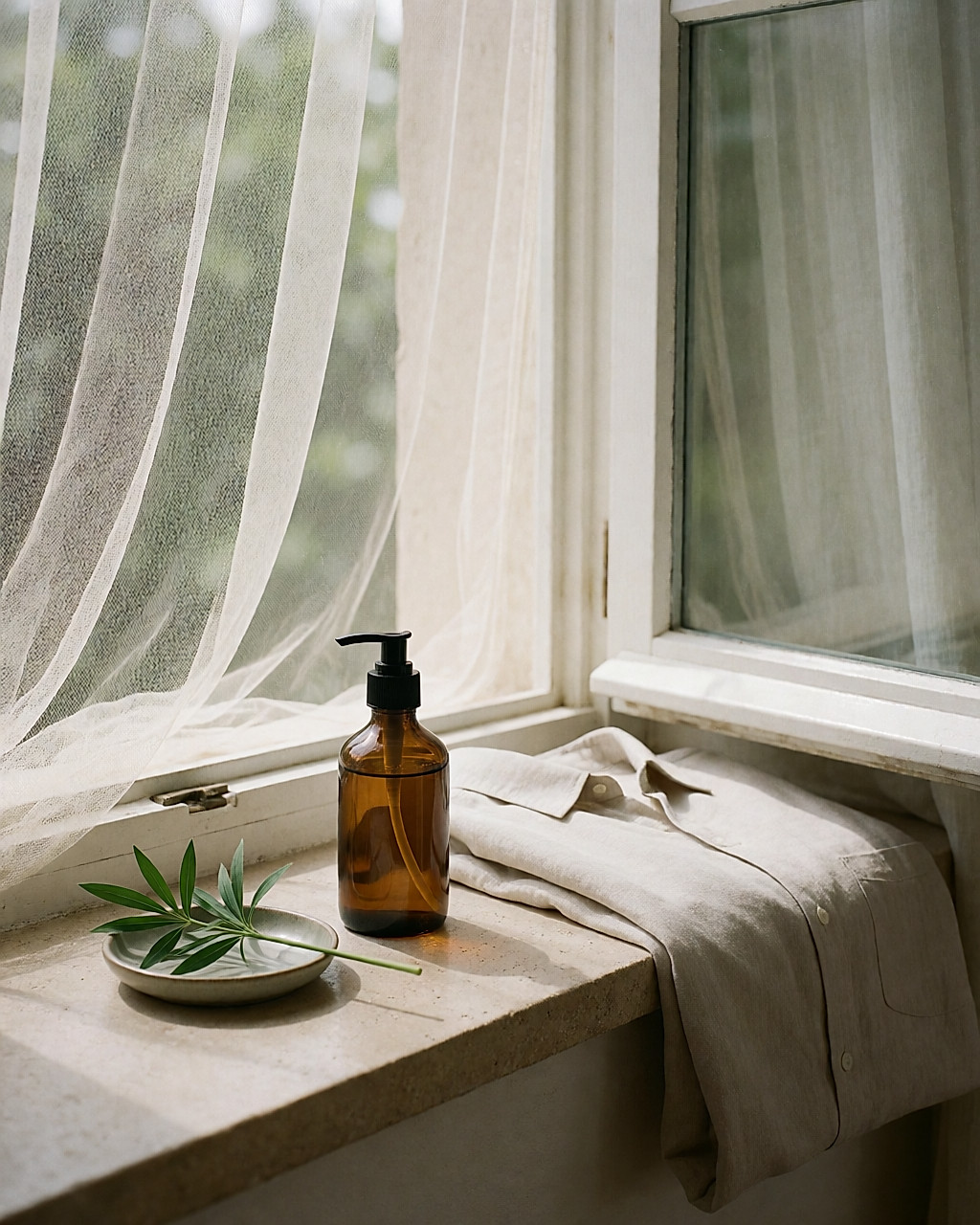
New shoes, sand, sweat: feet soon suffer, and a blister is a bit like a sterile dressing the skin makes for itself. So leave it intact, and resist the temptation to pierce it. Cover it with a hydrocolloid plaster or a protective gel to reduce friction, and change it as soon as it comes loose. If the blister opens on its own, clean with soap and water, then protect it.
Redness that spreads, local heat, pus? That's a sign of infection: see a pharmacist or GP without delay.
Sunburn: prevention first
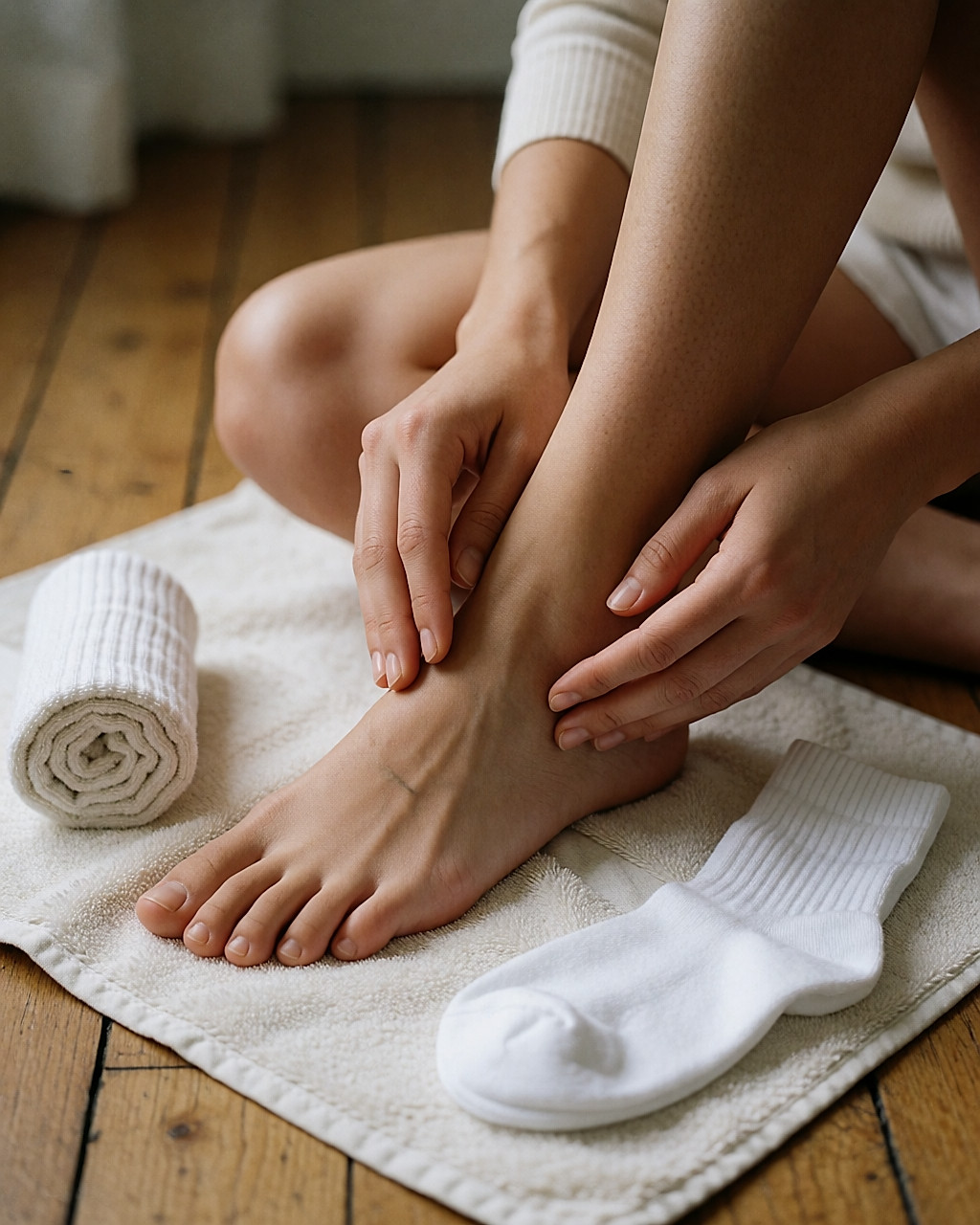
Let's be honest: no cream protects 100%. What works is the combination. A high factor — SPF 50 for first exposures and fair skin — applied generously every two hours, and reapplied after every swim or after sweating. Seek shade between 12pm and 4pm, cover up, and keep in mind that sunburn in childhood increases the risk of melanoma later. This isn't to scare you; it's so that cream isn't your only line of defence.
On the product side, an organic label such as Cosmos Organic certifies that a formula meets the standard of the same name — not its efficacy. What matters most is the stated SPF and the UVA mark. For the environment, a tube or refill is more low-waste than a pump bottle. Already burnt? Cool the skin, drink water, apply an emollient cream. No ice, butter or toothpaste — those are false good ideas. Extensive blistering, fever or feeling unwell: seek medical advice.
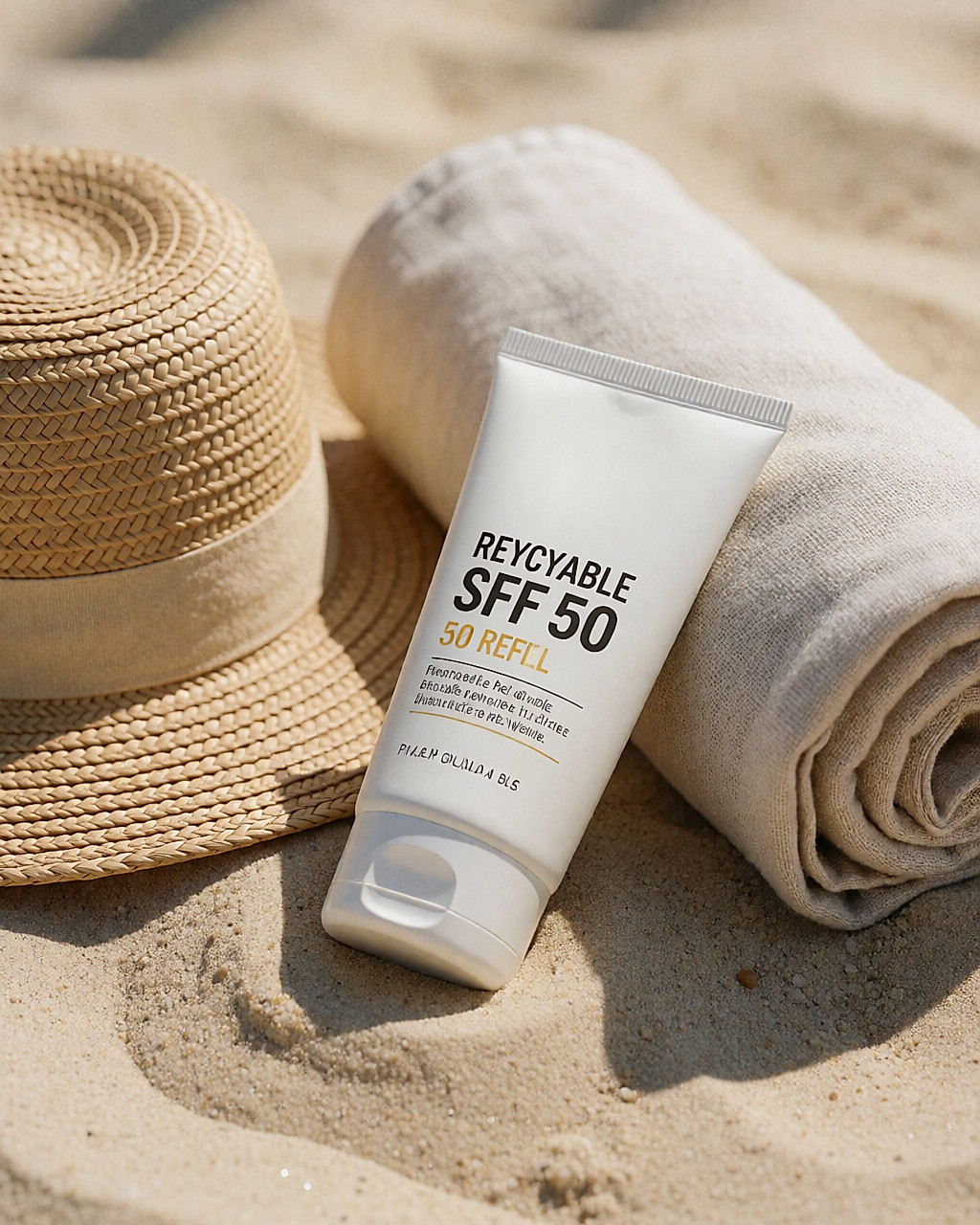
The quiet beach-bag habit: keep a small kit in your beach bag. Antiseptic sachets, tweezers, gauze, hydrocolloid plasters, a repellent, an after-bite gel, an emollient cream. Nothing more: the rest is decided case by case, with your pharmacist.
Dehydration: drink before you're thirsty
The body loses water without you noticing — especially in the sun, even in the shade, even in the water. Dry mouth, dark urine, headaches, dizziness: these are signals not to ignore. Move into the shade and sip regularly. Babies, older people and athletes are most at risk — and alcohol makes dehydration worse, which isn't the most fun holiday reminder, but it is a useful one.
Heat exhaustion and heatstroke: don't confuse them
Heat exhaustion is when the body gets too hot and can no longer regulate itself: headache, nausea, a hot face, drowsiness. Move to a cool place, put your head and neck under cold water, rehydrate — and call NHS 111 if symptoms persist or affect a child. In practice, a cool room and a glass of water are always better than a little head cold that lingers for three days.
Heatstroke goes further: confusion, very hot skin, loss of consciousness. This is a life-threatening emergency — call 999 or 112 and move the person into the shade while you wait for help. To avoid it: a hat, light loose clothing, plenty of water, a nap in the shade. And never leave anyone in a parked car, even for two minutes.
The takeaway
There's no magic formula for a niggle-free holiday, just a handful of simple steps that, once adopted, become second nature. Rinse with salt water, don't pop a blister, choose combined sun protection, keep a water bottle within reach. The rest — itchy bites, creeping burns — is managed with common sense and, when needed, advice from a health professional, without turning it into a drama. Happy holidays, and don't forget your hat!
Budget
For the beach kit, expect around £8 to £22 for an SPF 50 sunscreen depending on size and range, £7 to £18 for a mosquito repellent, £4 to £10 for a box of hydrocolloid plasters and £4 to £13 for an after-bite soothing gel. Antiseptic sachets and gauze remain a few pounds. Prices vary by city, format, ingredients and where you buy — pharmacy, beauty retailer, supermarket or online.



Comments
Your opinion matters: rate the article, react and reply to comments.
Comments are moderated; AI-assisted comments are flagged. Text emoticons (8-), :-), <3…) are automatically shown as images.