
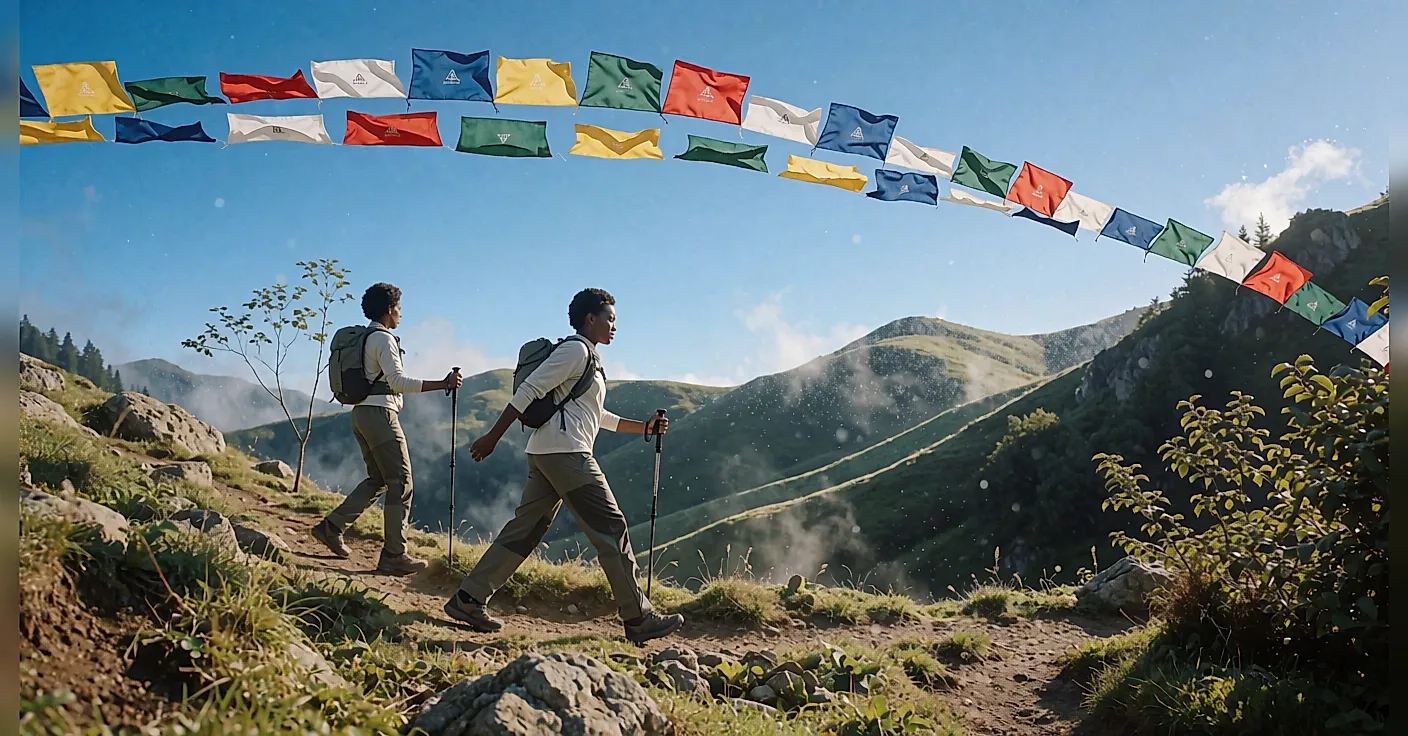
Some holidays don't feel like other holidays. Trekking — from the Dutch trekken, to march — is lived one foot in front of the other, sometimes for hours on end, a pack on your shoulders, a night in a guesthouse or under canvas. The operator Atalante has made this its speciality. From Morocco to Nepal, from Jordan to Kilimanjaro, the same question comes up before every departure — and it concerns your body.
Walking is prevention, even when nobody calls it that
What we know: regular moderate physical activity matters, and walking over undulating ground counts towards it. It supports the heart, the muscles of the legs and your balance — three useful resources when the path climbs for hours.
What we don't know yet: it is hard to predict exactly how your body will respond at 4,000 metres. Good fitness reduces some risk factors; it does not remove them.
In practice, remember this: a trek is won in the preparation, not in improvisation.
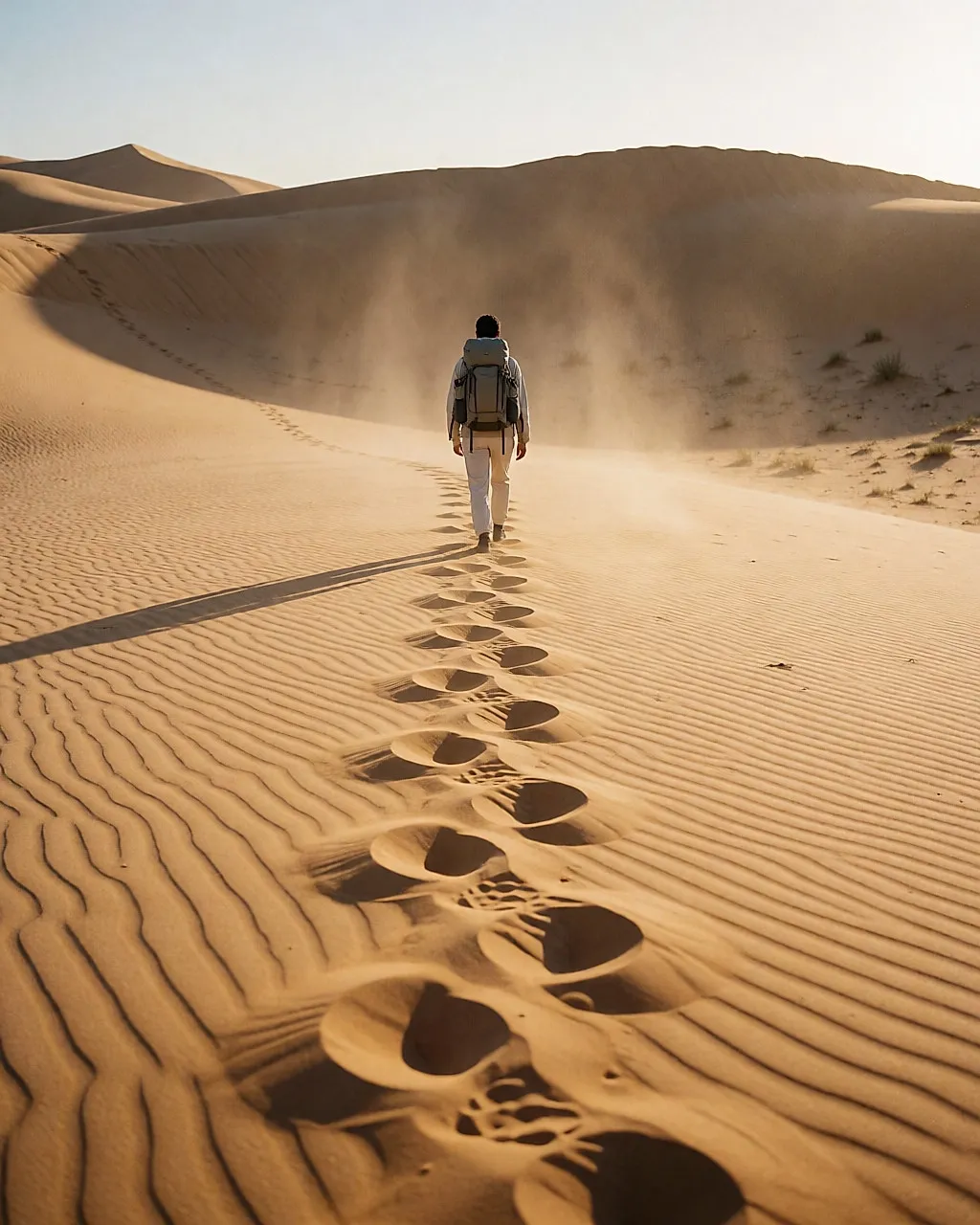
Altitude, heat and ascent: three strains that add up
Ascent first. Climbing with a pack on your back loads tendons and joints more than a flat walk does.
Altitude next. Acute mountain sickness can affect anyone, seasoned walkers included. Headache, nausea, broken sleep: if the signs worsen, the safe response is to go down. Not for comfort, but for safety.
Heat last, and the hydration it demands. In desert heat you can lose a great deal of fluid through sweat without realising it.
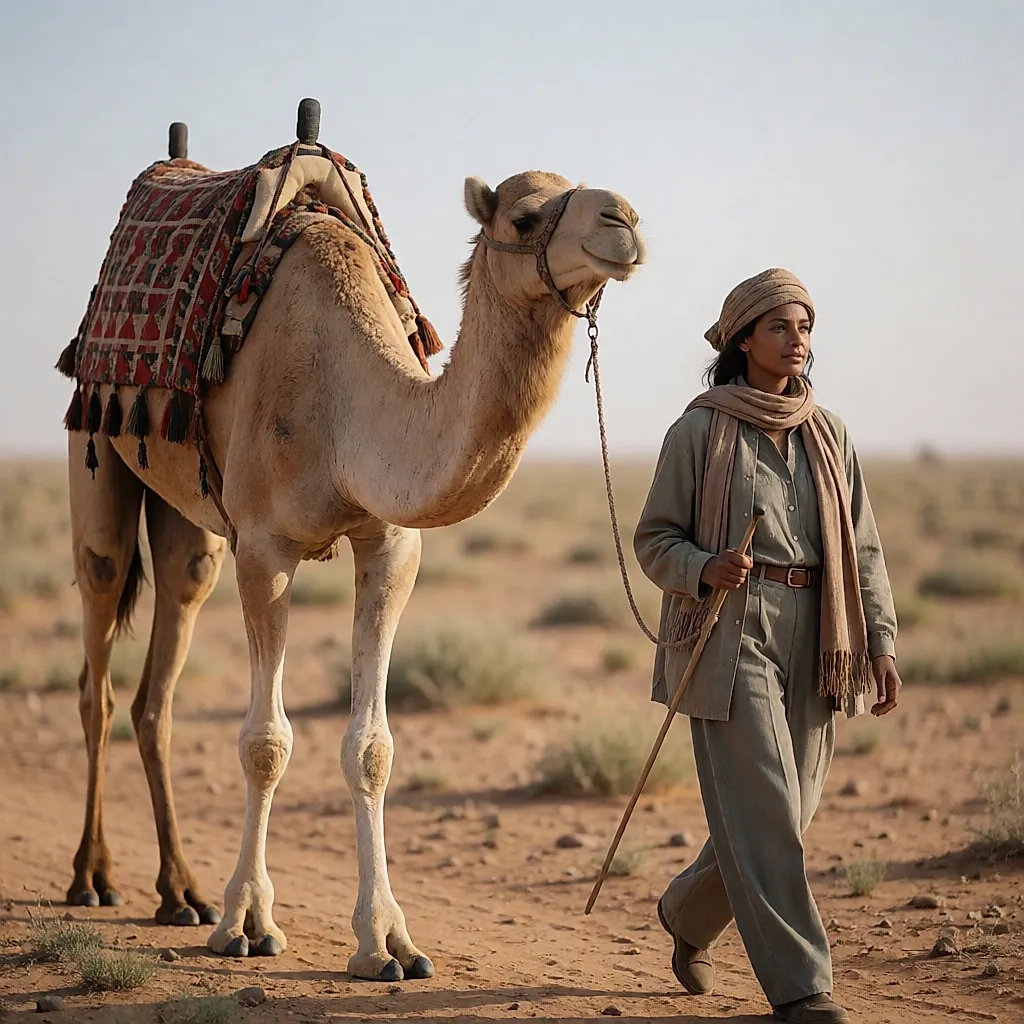
Six weeks before you set off
Nothing here calls for competitive training. As a practical routine rather than a medical prescription, consistency is what counts:
- aim for three walks a week, building from about 45 minutes towards two hours;
- some ascent in the mix: stairs, hills, then a progressively heavier pack;
- boots broken in weeks ahead of time, never the night before the flight.
Put one appointment in the diary as well: a travel-health consultation. In practice, many travel-health centres advise starting several weeks ahead. Vaccinations, malaria prevention depending on the region, an up-to-date record — that's monitoring, not paperwork. It is also worth reading the FCDO's travel advice for your destination.
A trek can carry its share of uncertainty: fatigue, a sprain, disturbed sleep at altitude. Plan ahead with your GP or a sports physician, particularly if you have a history of heart, respiratory or joint problems. Once you are out there, access to medical care may be limited, so discuss warning signs before you go.
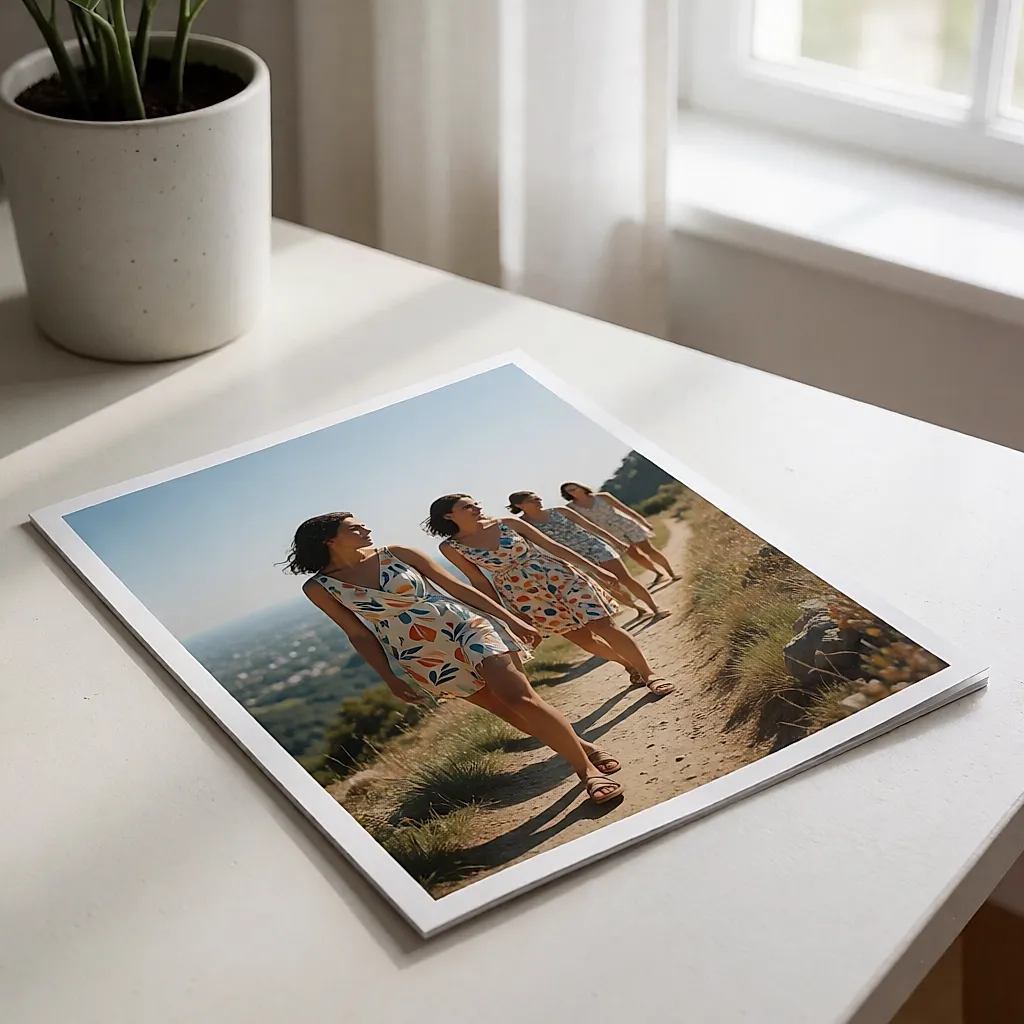
What travelling with Atalante changes
On the health side, supervision matters: an experienced guide can spot when someone should turn back.
Budget
Indicative prices from Atalante, per week and depending on the package, are quoted in euros; check what is included, as flights may be extra:
- Morocco (Toubkal, desert): around €700 to €1,400 a week;
- Jordan: around €1,200 to €2,000;
- Nepal: around €1,500 to €3,000;
- Kilimanjaro: around €2,500 to €4,500.
These figures vary with duration, group size, standard of accommodation and air travel. Sterling equivalents move with the exchange rate, so treat them as a guide rather than a quote.
For kit — boots, pack, poles and technical layers — set a budget before you shop, as spending varies widely with brand and specification. It is a spend that pays back over several seasons, so think of it as a lasting investment rather than a one-off purchase. Where possible, choose kit that can be repaired: resoleable boots, Bluesign-certified textiles, RDS-certified down (feather from audited supply chains). Second-hand — resale platforms, charity shops, brand take-back schemes — is often a sensible choice. If you buy new from a large sports retailer, look at the composition and the guarantee: that is the compromise to make with your eyes open.


Comments
Your opinion matters: rate the article, react and reply to comments.
Comments are moderated; AI-assisted comments are flagged. Text emoticons (8-), :-), <3…) are automatically shown as images.