
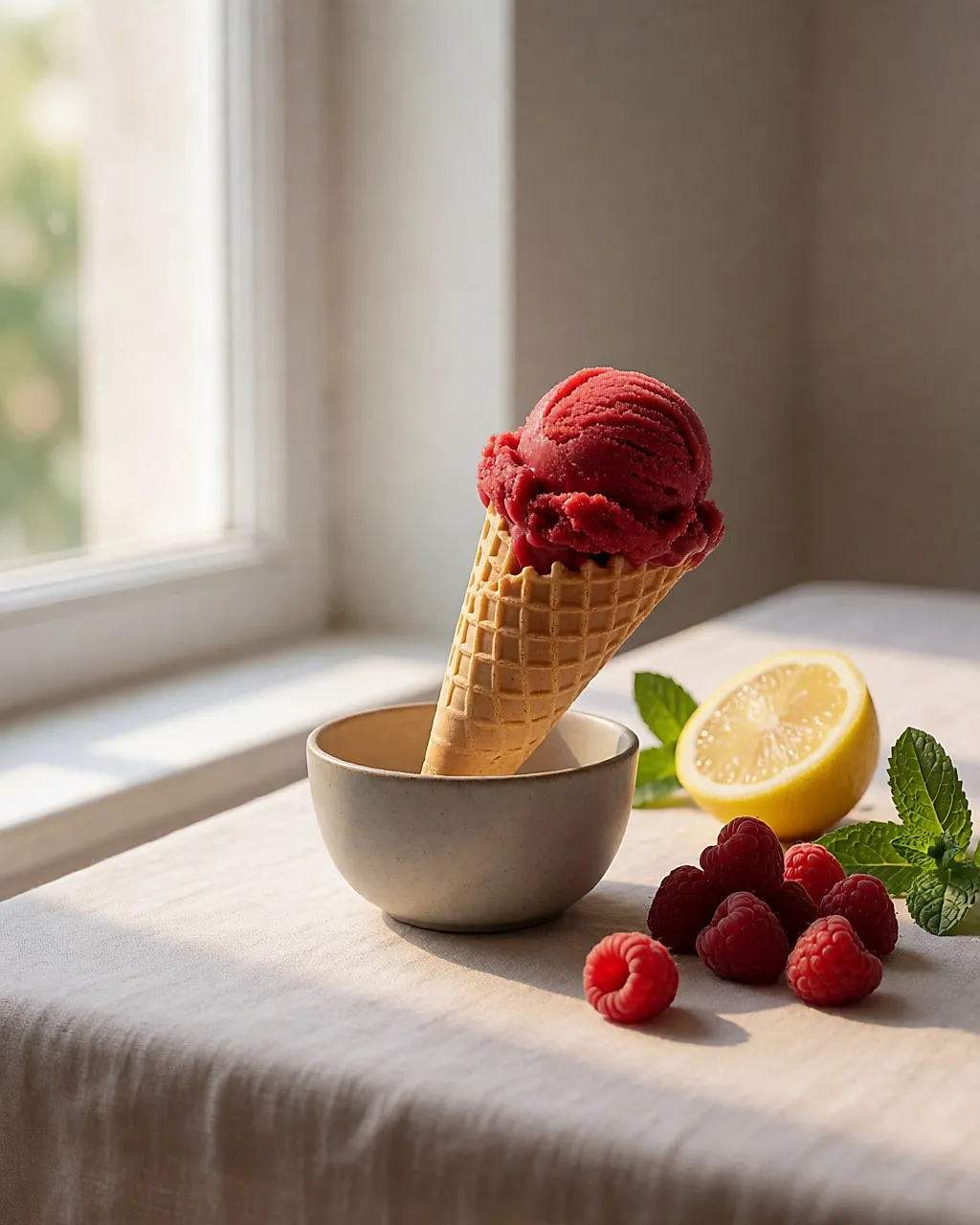
The thermometer climbs, the light turns white, and the idea of an ice cream cone settles in a corner of your mind. Whether you're more of a lemon sorbet person or a tub of chocolate person, this pleasure is no taboo. What we know today is that the question isn't ice cream itself, but the frequency, the portion size and what's really hiding in the tub.
What we're seeing in the freezer aisle
Gone are the days of hesitating between vanilla, strawberry and chocolate. The aisle is betting on innovation: airier textures, unexpected flavours, seasonal fruit sorbets, desserts borrowing from patisserie. 'Light' recipes have lost ground: bring on unapologetic pleasure! Another fundamental shift is formats — sharing tubs, single-serve lollies, mini portions for snack time. And the market remains highly weather-sensitive: when the heat overwhelms everything, people often reach for water before ice cream.

Sorbet, ice cream and frozen dessert: three distinct categories
These are not the same products. Sorbet contains no milk or cream: fruit, water, sugar. Dairy ice cream must contain a minimum proportion of milk fat; other frozen desserts may be dairy-based or not, depending on the recipe. That fat base changes everything in the mouth: the richer it is, the more sumptuous the texture and the more slowly it melts. Sorbet stays sharper, more bracing, and holds up better when it's very hot.

Reading the label without the fuss
In practice, remember this: the ingredient list is ordered by decreasing quantity. If sugar or glucose syrup appears before the fruit, be wary of the flavour promised. A true sorbet often lists fruit first, with a percentage. Current data suggest limiting free sugars to less than 10% of daily energy intake, according to the WHO. A portion of ice cream is no disaster, but it counts towards your day. If you are watching your weight or blood sugar, speak to a healthcare professional: they can adapt the guidance to your situation.
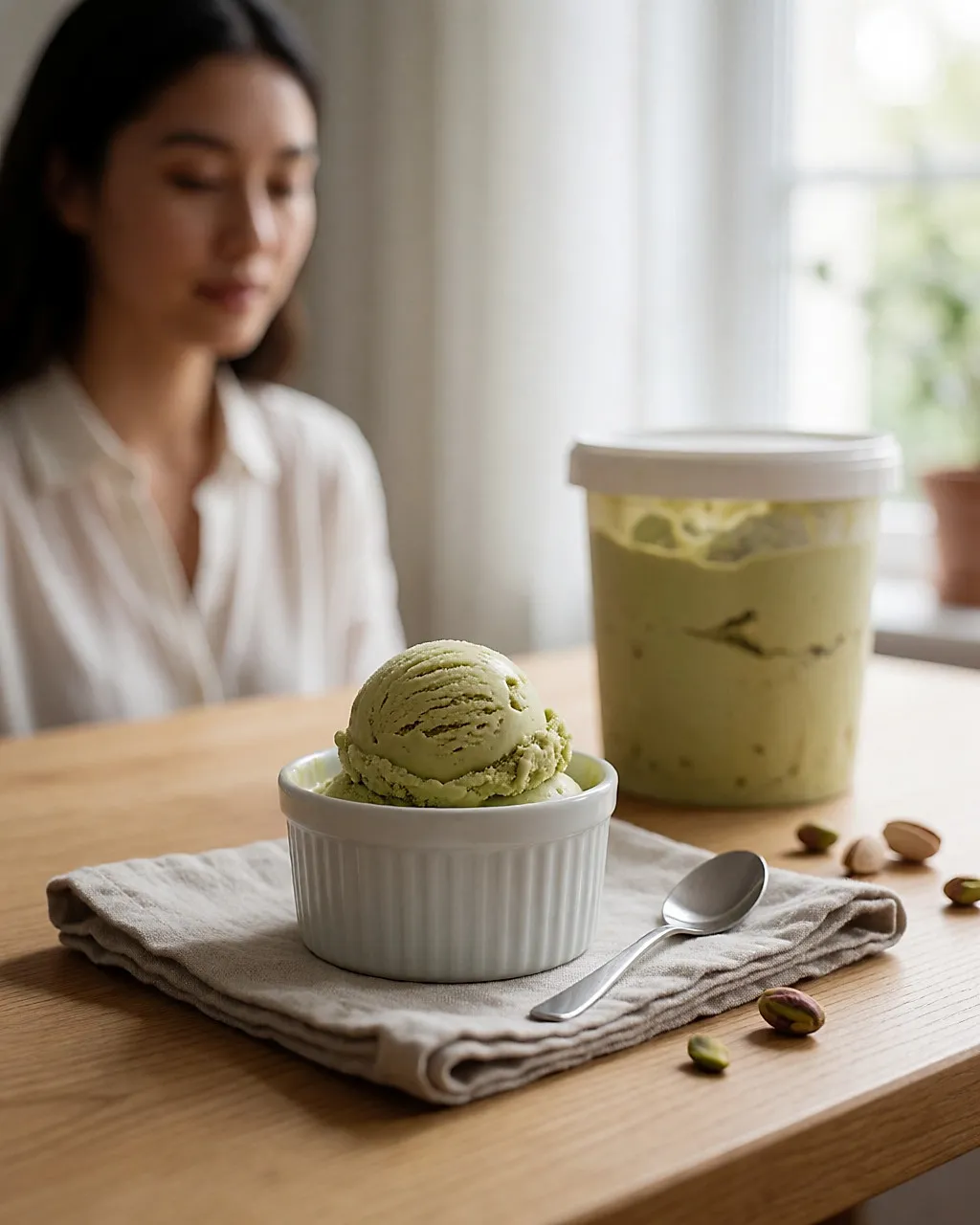
How can you keep the pleasure without the minor niggles? Serve your ice cream in a small ramekin rather than eating it from the tub: the portion becomes visible. Take it out five minutes before serving so it releases its aromas, and enjoy it slowly. Have it during a meal rather than as a standalone snack: this may help limit the rise in blood sugar, with no guarantee; if you have diabetes, ask for personalised advice.
Budget
Prices depend mainly on the supply chain and the recipe.
- 500 ml to 1 L supermarket tub: expect around £2.50 to £6.
- Organic ice cream or sorbet (certified organic), same format: often £4 to £9.
- Artisan ice cream from an ice cream parlour or specialist shop: around £9 to £17 per litre, sometimes sold by weight.
- Single lollies and cones: £1 to £2 in shops, £2.50 to £4.50 from an ice cream parlour.
What moves the price: fruit and cream content, certification, local production, packaging. The most economical formats are in supermarkets; the most creative recipes are from an artisan ice cream maker or online.
What about the environment?
Brands increasingly play the organic and local card. Organic certification guarantees a set of standards for organic farming, without synthetic pesticides or GMOs — no more than that, but it's something. On packaging, a glass or cardboard tub is easier to recycle than complex plastic, and an individually wrapped lolly creates more waste than a sharing tub. No need to feel guilty: just information to help you choose.
Then there's the main point. Is occasional pleasure the problem? Rarely. It's routine, more than the Sunday treat, that weighs on the scales and on nutritional benchmarks. So choose a good recipe, serve yourself a portion you can see, and enjoy it without rushing.
Sources
- WHO — recommendation on free sugars: who.int
- NHS — healthy eating and sugar guidance: nhs.uk
- British Nutrition Foundation — nutrition guidelines and sugars: nutrition.org.uk


Comments
Your opinion matters: rate the article, react and reply to comments.
Comments are moderated; AI-assisted comments are flagged. Text emoticons (8-), :-), <3…) are automatically shown as images.