
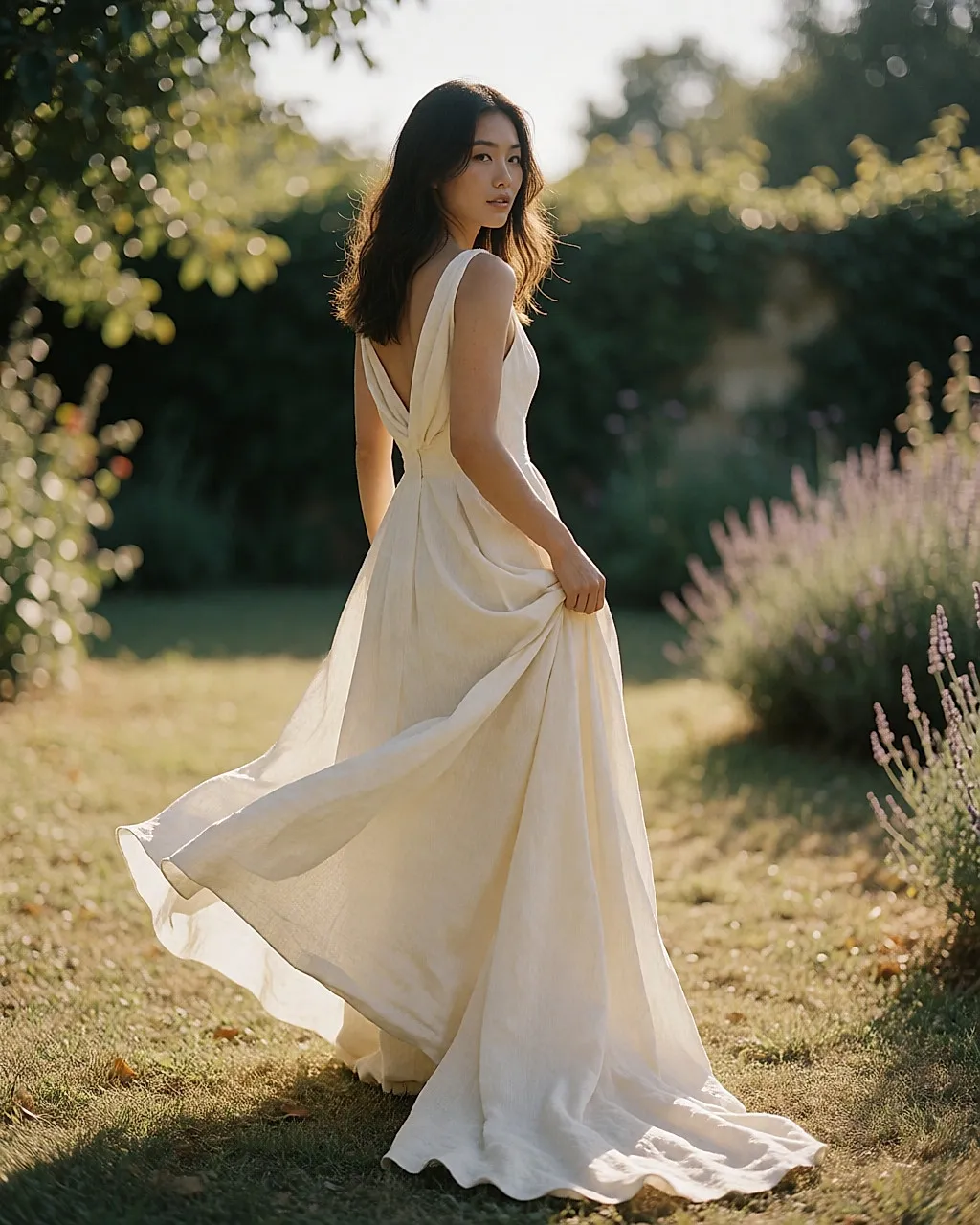
You know the scene: a friend calls to ask for help finding a wedding dress that doesn't cost the planet a thing. Three weekends of fittings and turned-over price tags later, the verdict lands — eco-chic doesn't force you into anything, as long as you pay attention to fabric and cut. In the UK, the Office for National Statistics still records around a quarter of a million marriages a year, and many couples now weave in a genuine concern for the environment. So how do you build a wardrobe and a reception that look the part without costing the earth? Let's take a tour.
The wardrobe, before anything else
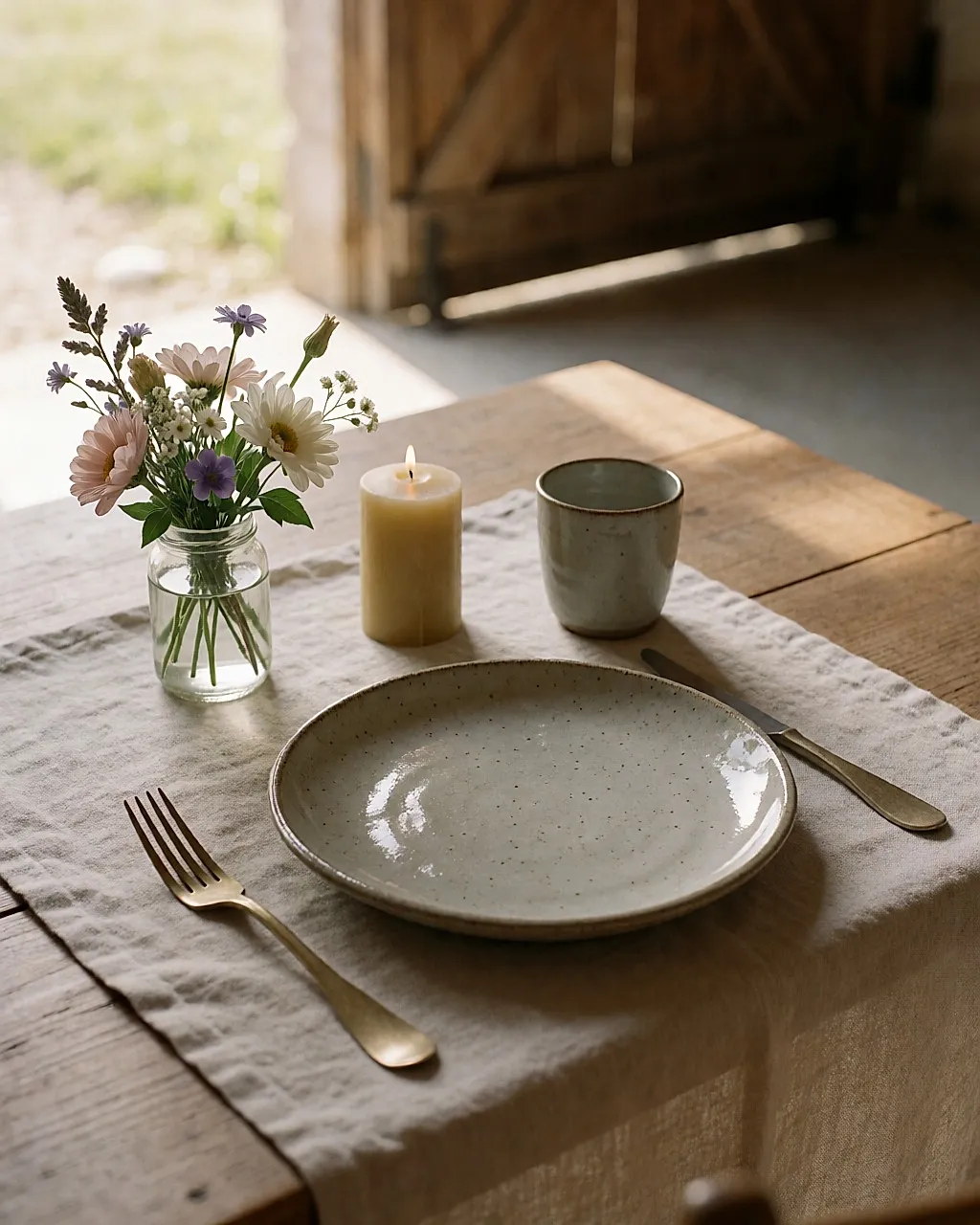
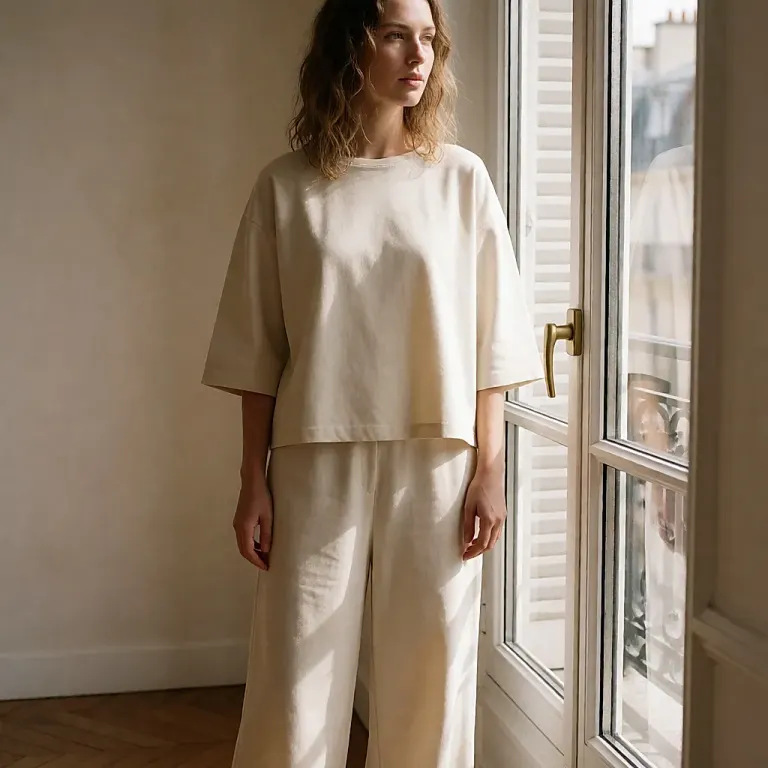
A wedding is read first in the look, and the look starts with the material. European linen needs little water to grow; GOTS-certified organic cotton bans GM crops and sets rules for spinning mills. These are verifiable standards, not marketing talk.
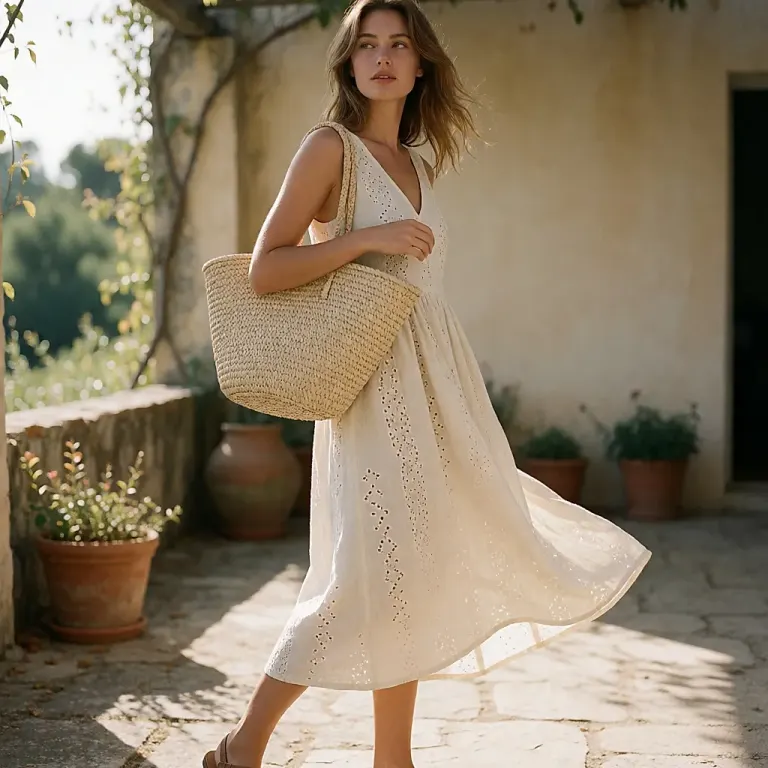
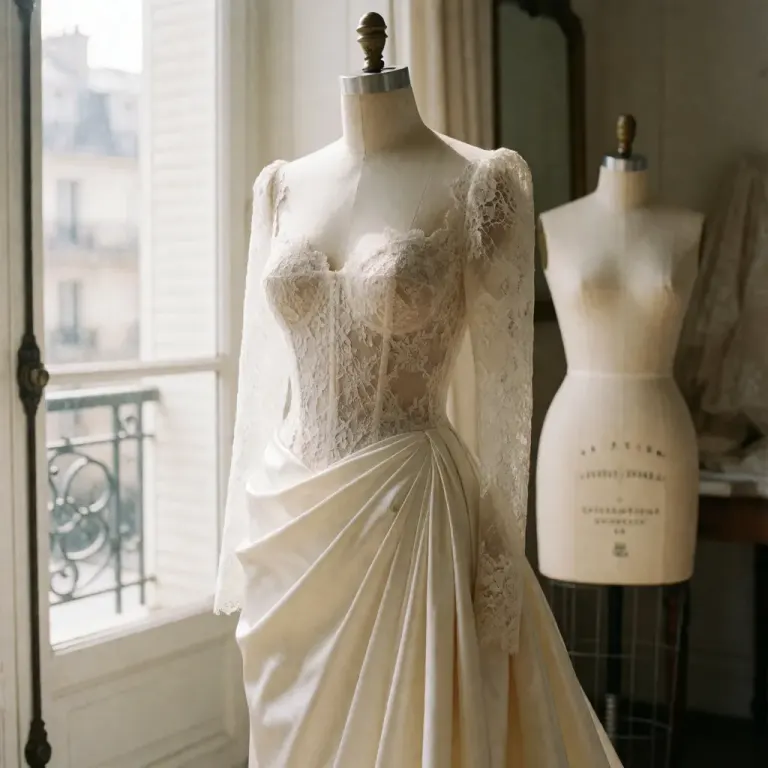
For the dress, second-hand changes the game. A piece worn once, adjusted by a seamstress, often costs less than a new design and adds no textile to the cycle. With designers who work in linen, Tencel or reclaimed silk, fluid cuts give a drape that holds without boning.
For the suit, look for mulesing-free wool or linen. A vintage style adjusted at the shoulders and sleeves gives an impeccable silhouette for a fraction of the price. And a matching linen pocket square is enough to tie the whole look together.
On accessories, one statement piece does all the work: a family brooch, an antique jewel, inherited earrings. Accessorise less, breathe more.
Venue, table, stationery
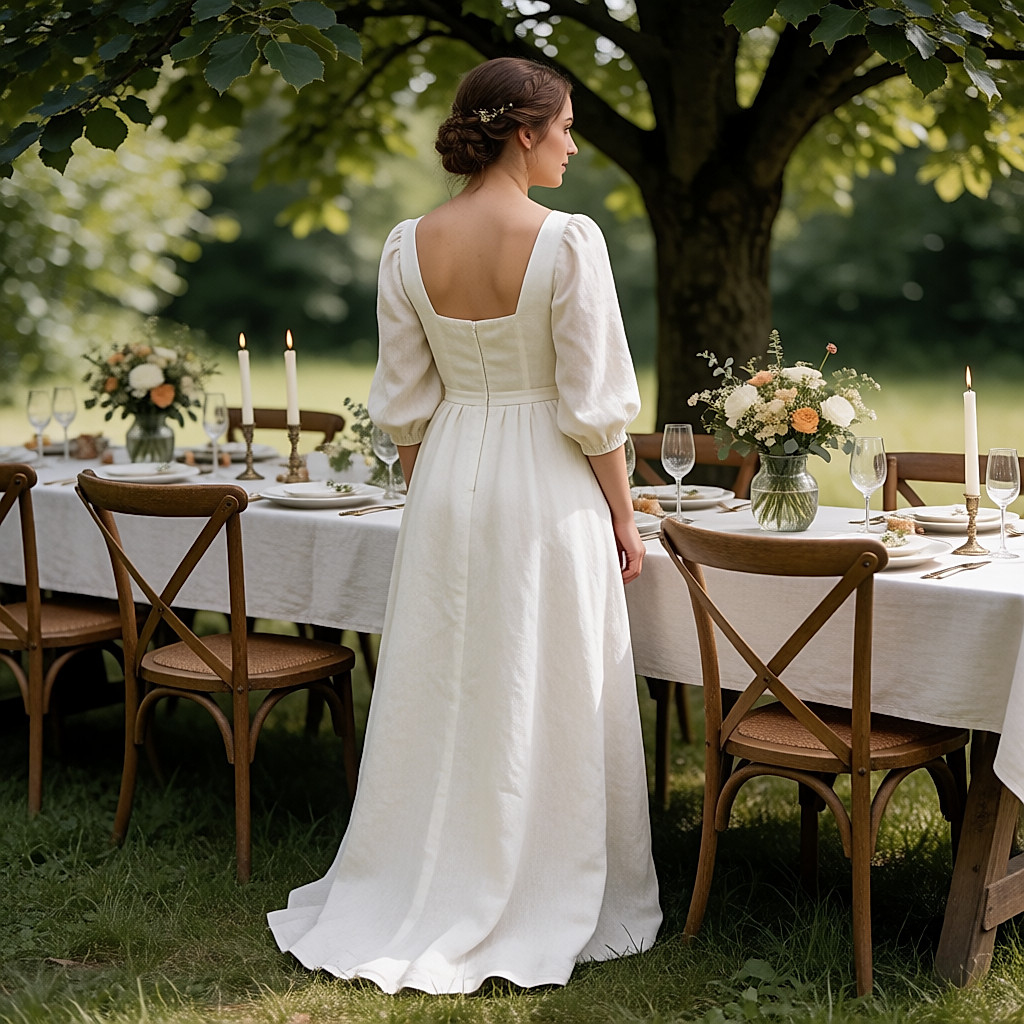
The venue weighs heavily in the balance. A farm, barn, family garden or Green Key-certified accommodation: the setting does most of the work, and guests travel less.
For the table, aim for an organic caterer with a recognised certification, such as Soil Association — certification sets rules for production. If they're not certified, ask where the produce comes from. Local and seasonal are useful levers, but not enough on their own: the type of produce, production methods and waste also count.
Stationery? Invitations on FSC- or PEFC-certified recycled paper, vegetable inks, and a printer with a recognised environmental accreditation. For the honeymoon, on short European routes, the train beats the plane.
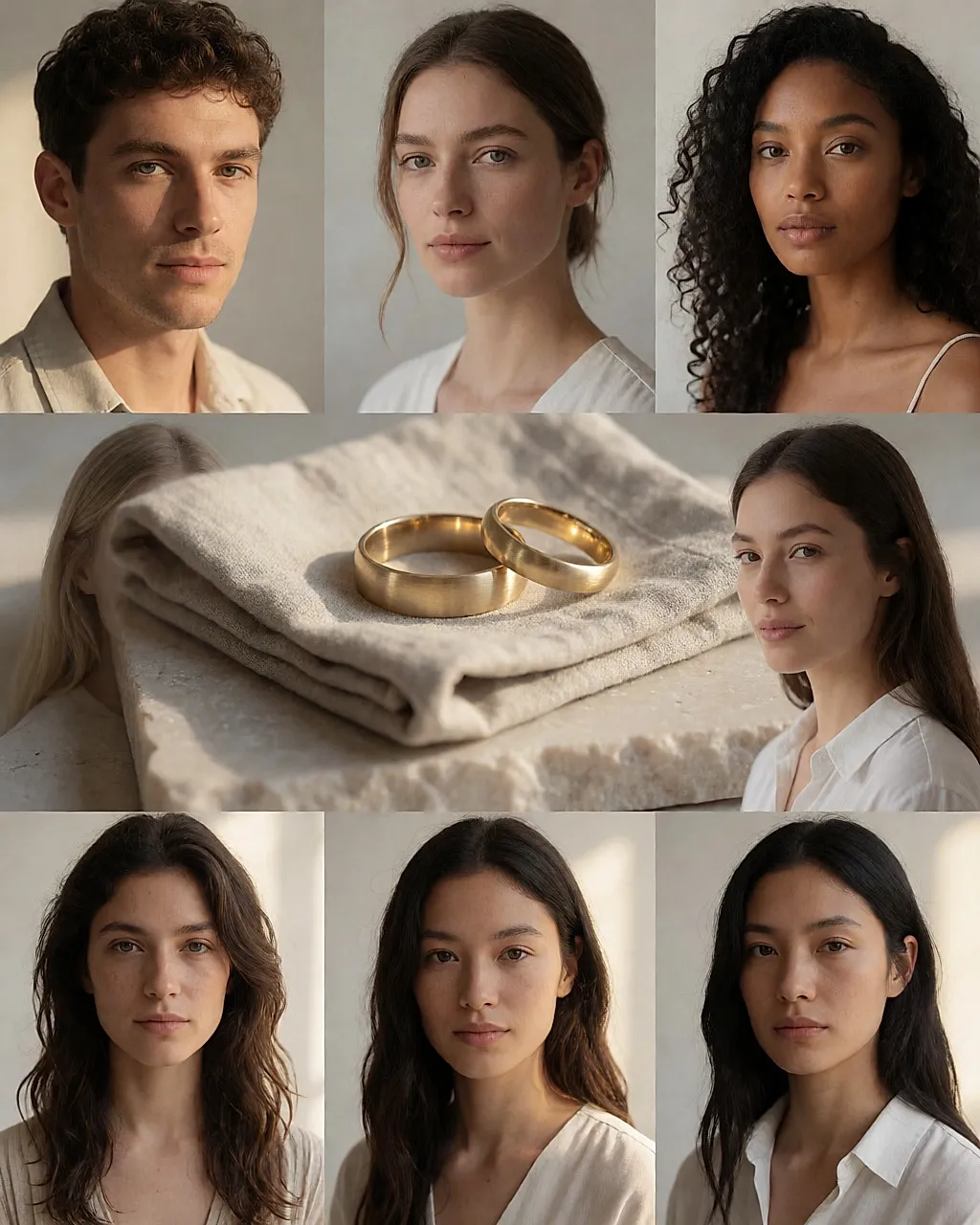
Recycled-gold wedding rings. Recycled gold comes from melted jewellery, not new mines. For gold in general, several labels exist, including Fairmined (artisanal and fair-mined gold) and RJC (Responsible Jewellery Council) — they cover sourcing, not style. Expect around £350 to £800 a pair in 18ct gold, depending on weight and band width. End of life: gold can be melted down indefinitely.

Budget
Typical UK ranges for a wedding with 80 to 100 guests:
- Dress: hire from £130 to £450; second-hand from £170 to £520; an eco-designed piece from £700 to £2,100;
- Suit: vintage from £90 to £260, plus £50 to £130 for alterations; new, responsibly made from £300 to £700;
- Recycled-gold rings: £350 to £800 a pair;
- Organic catering: £40 to £80 per guest, excluding drinks;
- Invitations printed on recycled paper: £1 to £3 each;
- British seasonal flowers: £50 to £170 per bouquet.
What shifts the budget? The season (September remains in high demand), the region, guest numbers and how personalised you want it. Where to look: designer-maker markets and wedding fairs for the dress and suit, alteration tailors for fittings, independent jewellers for rings, local caterers and British flower growers for the table and flowers.
All in, a wedding runs into thousands of pounds. In truth, an environmentally mindful setup doesn't necessarily cost more — especially if you hunt for second-hand finds.
Sources
- Office for National Statistics, marriage statistics, ons.gov.uk
- WRAP, environmental impact of textiles, wrap.org.uk
- Soil Association, organic certification, soilassociation.org
- Global Organic Textile Standard, global-standard.org
- Fairmined, fairmined.org
- Green Key, greenkey.global
- Textiles 2030, wrap.org.uk
Comments
Your opinion matters: rate the article, react and reply to comments.
Comments are moderated; AI-assisted comments are flagged. Text emoticons (8-), :-), <3…) are automatically shown as images.