
You know that feeling, in front of the mirror at seven in the morning: the outfit is ready, the jeans fit well, the white shirt is pressed, and yet something is missing. Sometimes it comes down to almost nothing — a satin bow, a fine chain, a crystal placed just so. It's amazing what these small details do to a look. At Blumarine, this kind of prettiness is not an extra: it's the house signature. The Italian label is approaching its fifties, and its accessories tell its story more accurately than many a catwalk show.

From Milan to the catwalk: a family affair
It all began in 1977. Anna Molinari founded Blumarine with her husband, Gianpaolo Tarabini, and just three years later, Milan's Modit fashion fair named her best stylist of the year. By 1981, the Milan show calendar had adopted her, and she would never leave it — in this industry, lasting that long is no small feat. The first boutique opened in Milan; then, from 1997, addresses followed one after another: Tokyo, Lisbon, Vienna, Beijing.
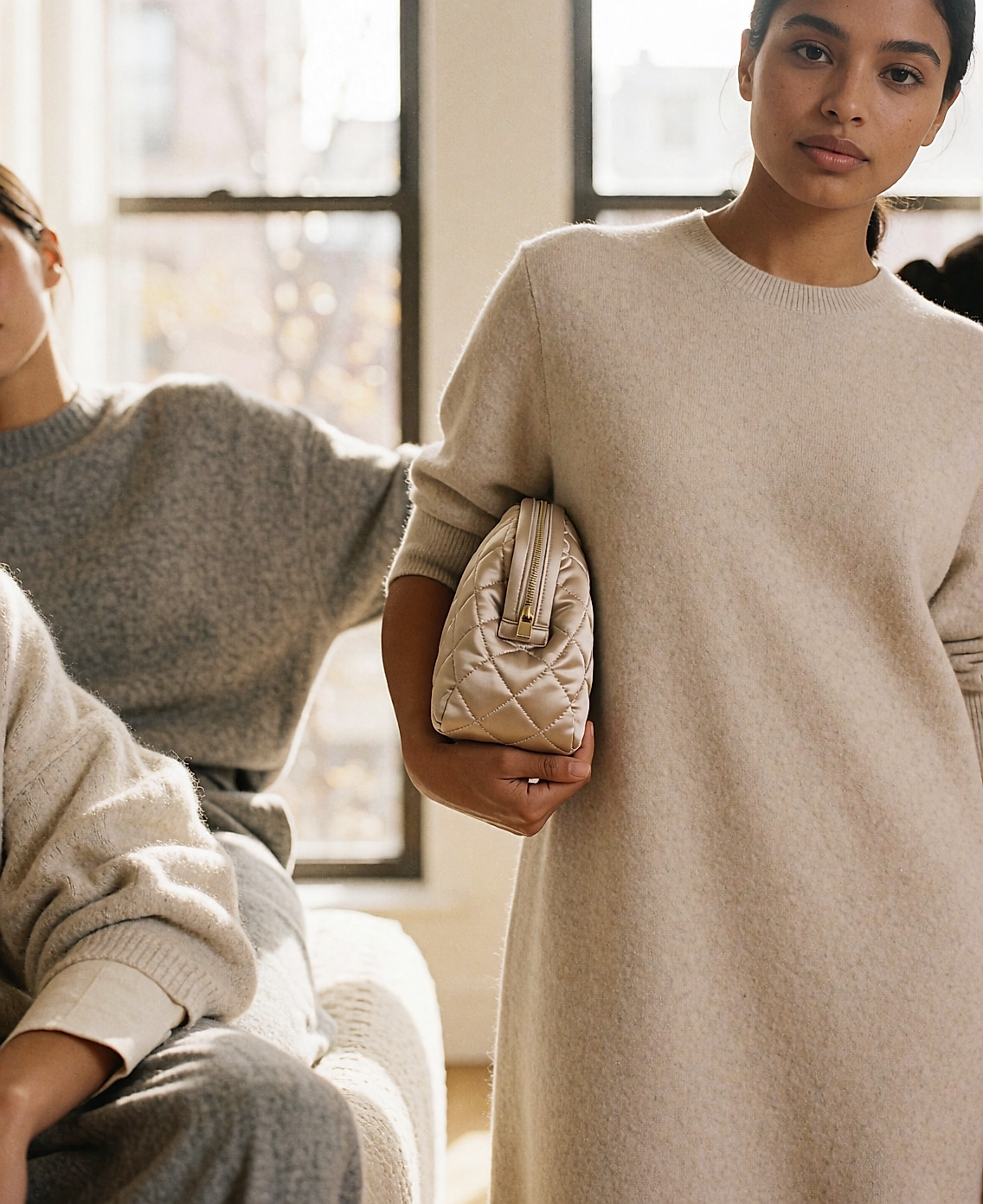
Time did its work. In 2017, the house was acquired by Liu Jo; Anna Molinari left as creative director the following year. Since then, several designers have taken the helm, with deliberate back-and-forth between the loud glamour of the 2000s and a more current wardrobe — the kind of shift that can leave regulars and newcomers alike unsure. Meanwhile, the collections have long since moved beyond ready-to-wear: knitwear, jewellery, menswear, tableware. Suffice to say, the label is no longer just about clothing.
Satin, crystals and the butterfly: the house codes
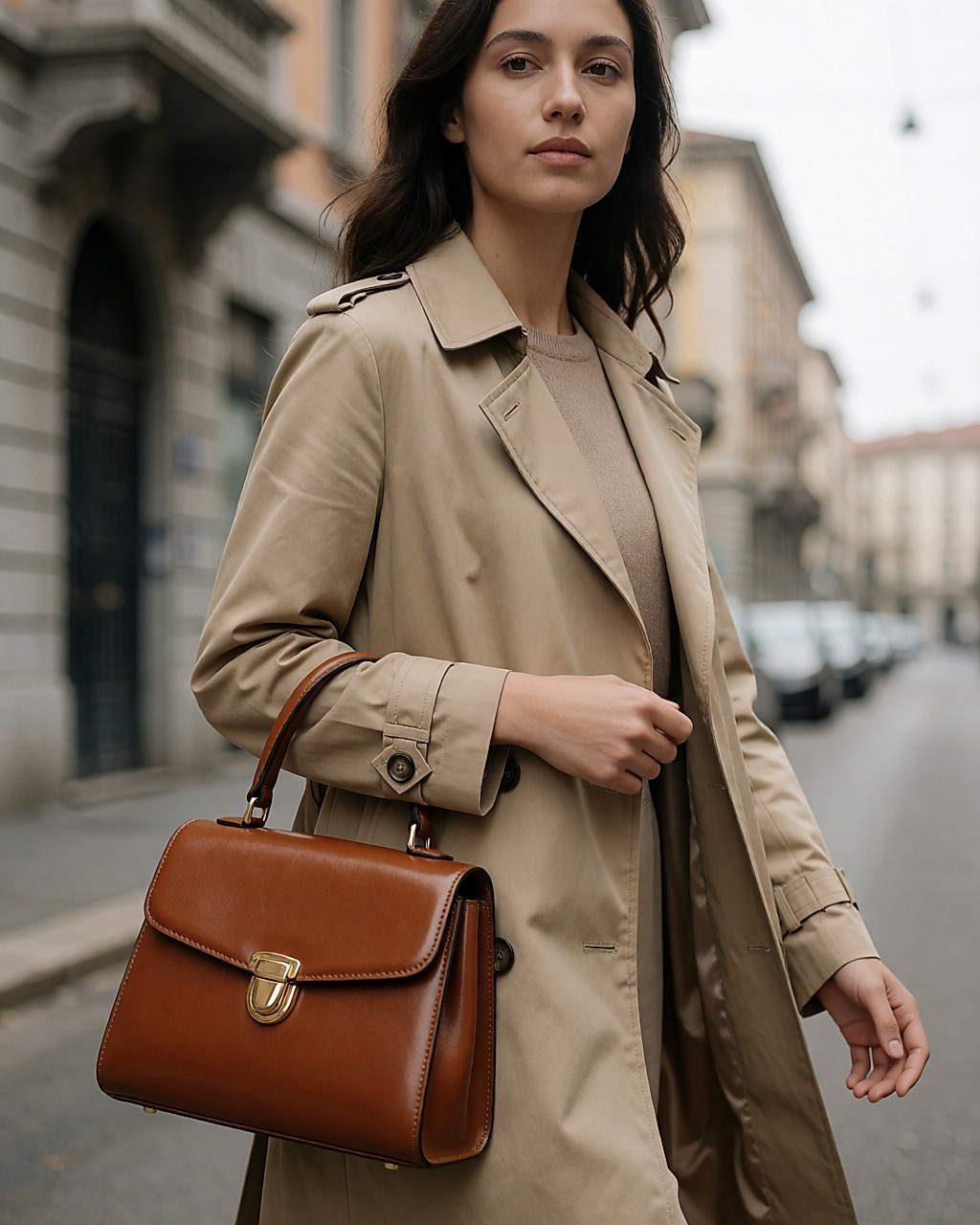
The Blumarine vocabulary comes down to a few instantly recognisable words: satin, quilted velvet, fine chains, mesh, crystals. And a rose, insistent, returning season after season. On recent runways, the butterfly has become the totem motif, somewhere between Y2K nostalgia and unapologetic femininity.

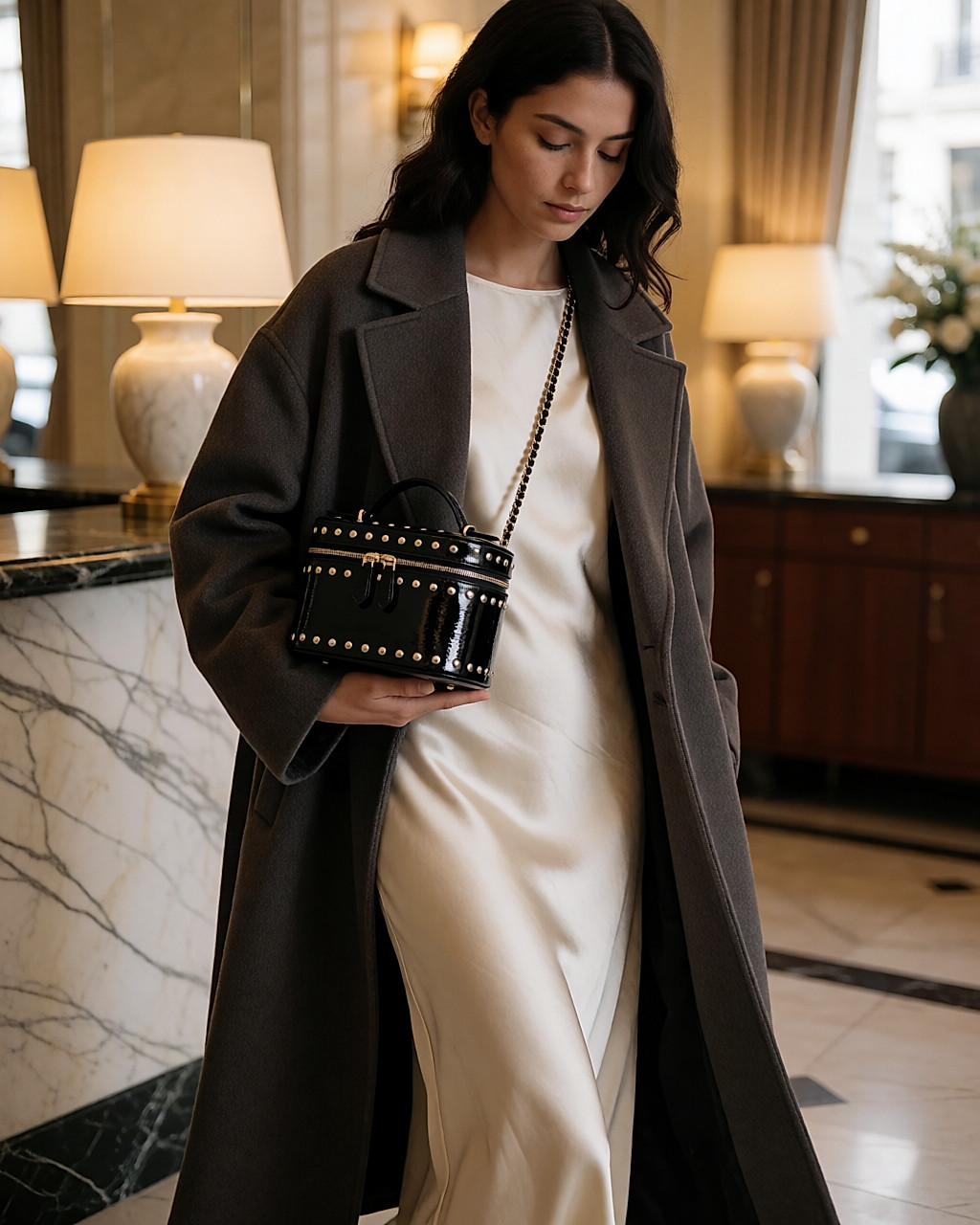
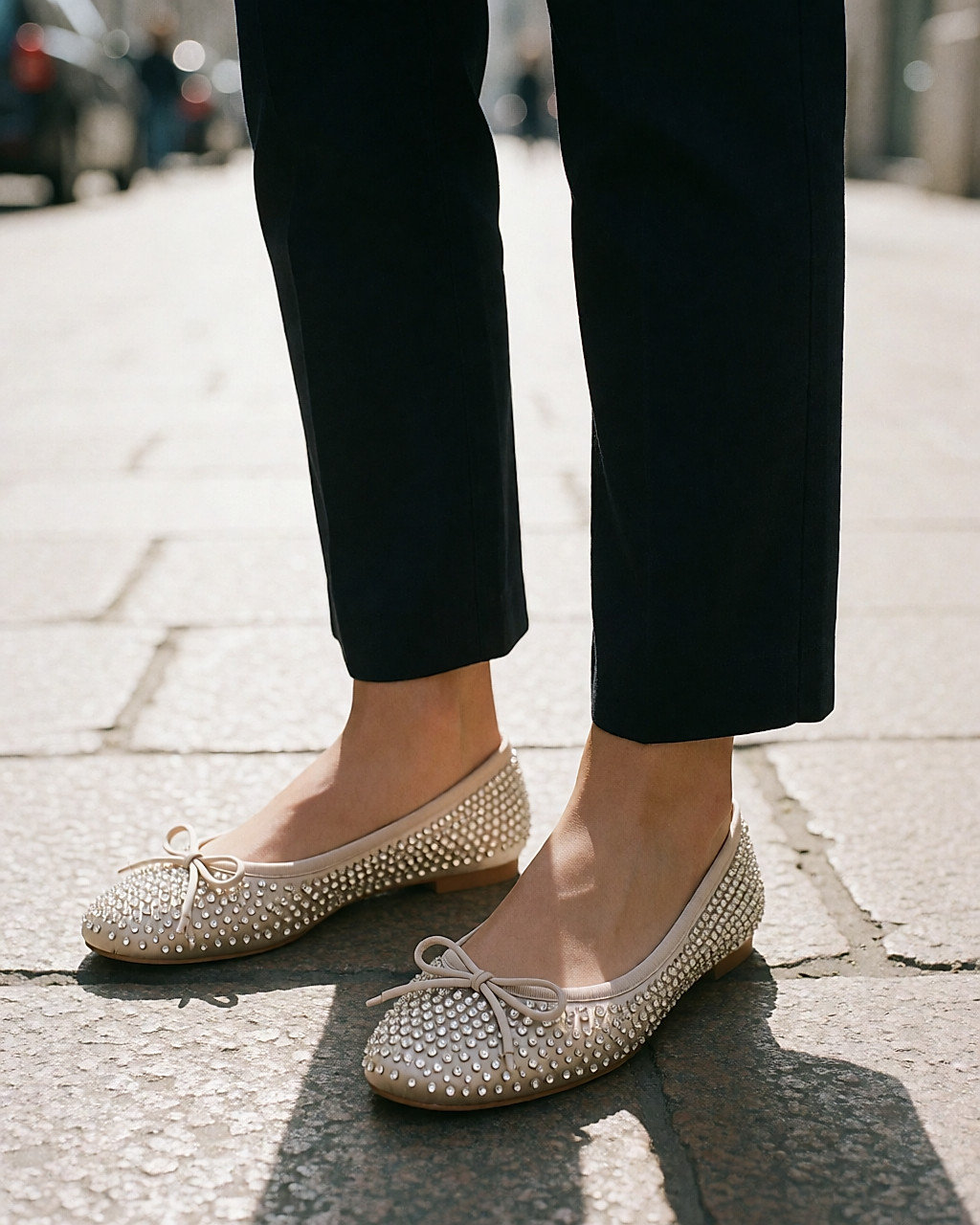
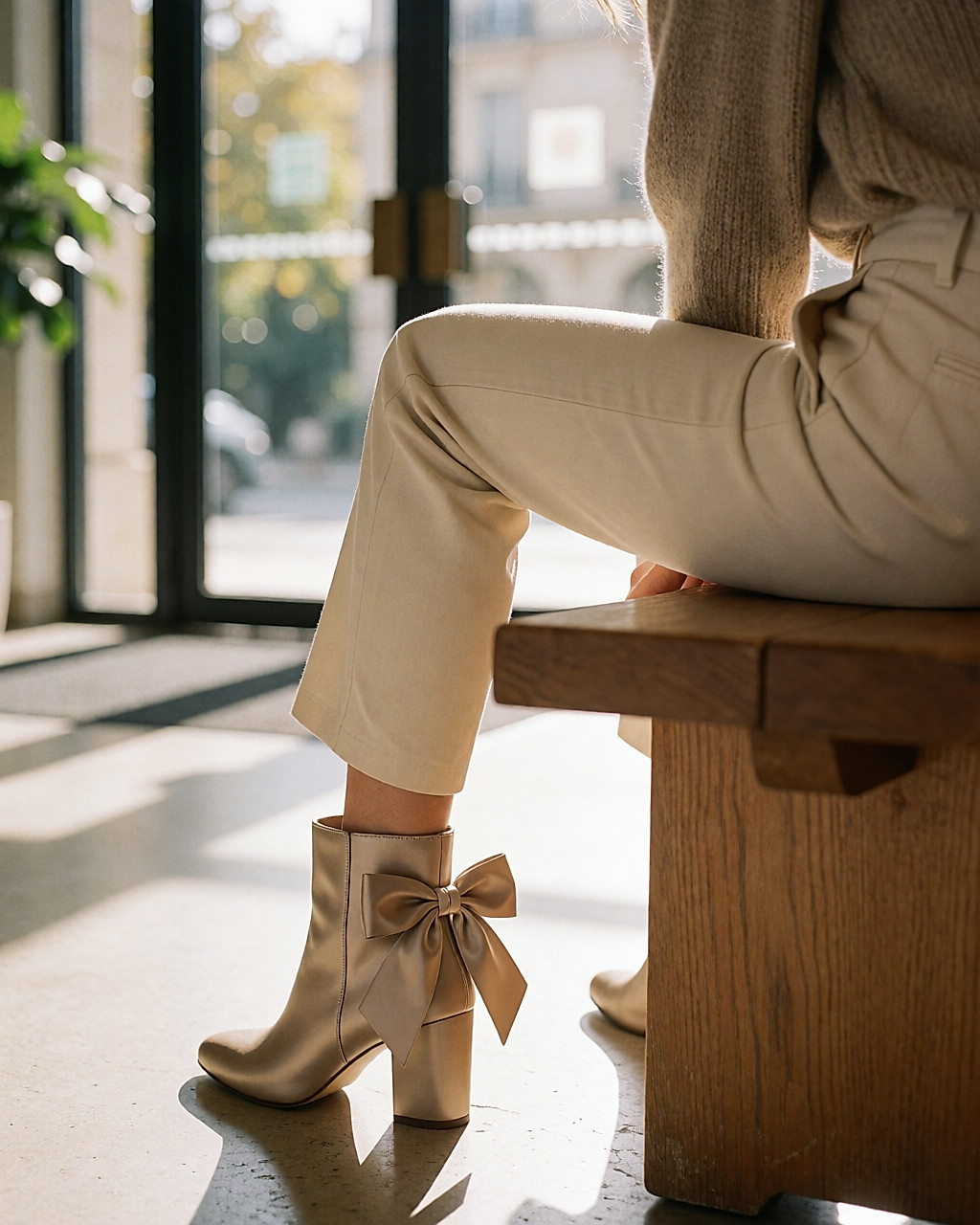
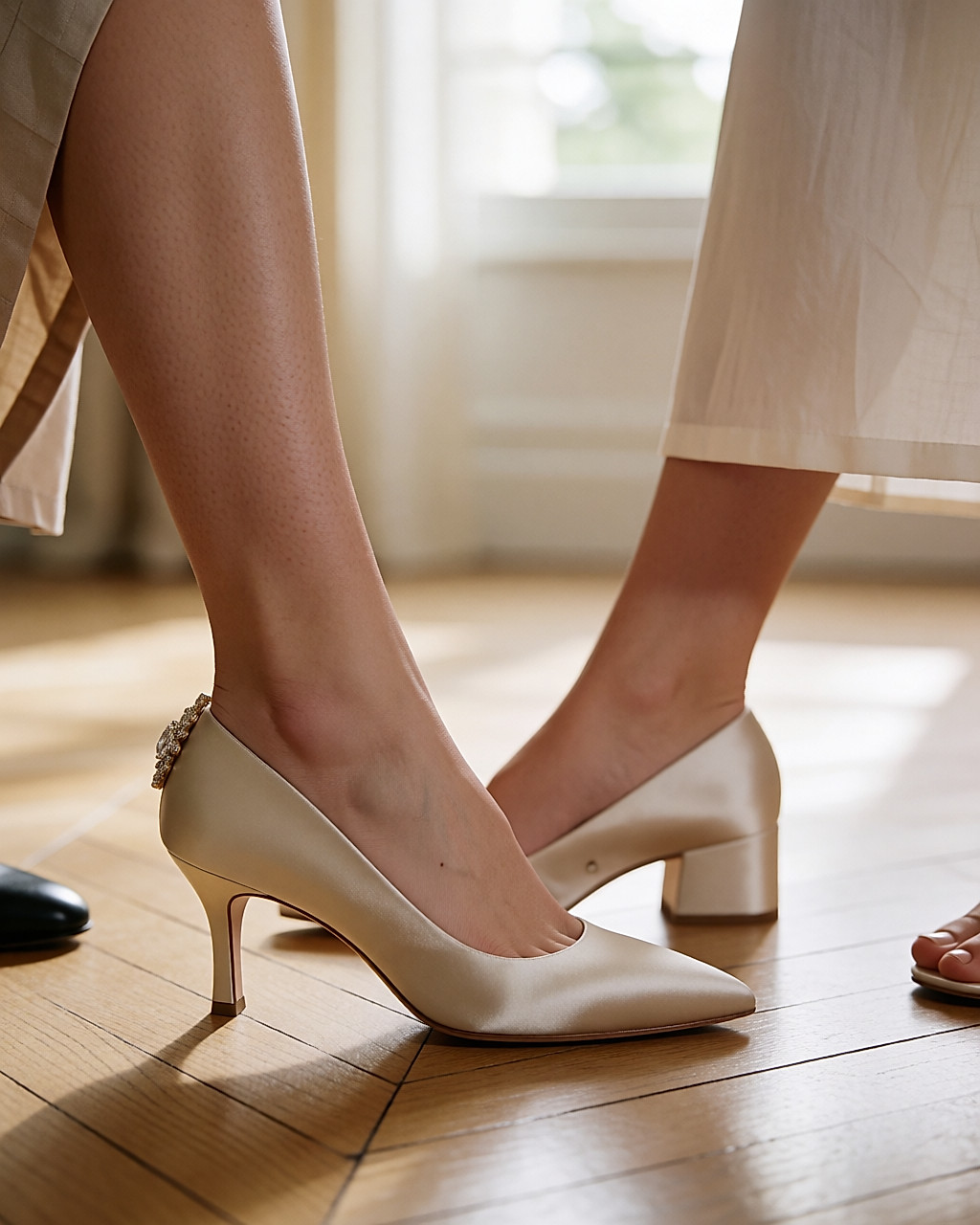
In the 2000s, Hollywood red carpets happily wore Blumarine. On the accessories front, some archetypes cross the decades without ageing: the satin court shoe with an initial at the heel, the ankle boot trimmed with a bow, the studded patent leather vanity case, the retro clutch in leather and satin. Nothing showy at first glance — and yet it all gets noticed. That's part of the house's magic: a seemingly sensible piece, a detail that catches the light, and the whole look tips without your quite knowing why.

Accessorising without overloading
Let's be practical, because all this is lovely but it has to be worn. A Blumarine piece works better on its own than piled up with others; it's a question of balance that applies whatever your shape. A pearlescent bag, crystal sandals, a bow clutch: one statement piece is more than enough. Around it, keep everything else low-key — raw denim, fluid trousers, a white shirt, plain knitwear. The move that changes everything? Keep jewellery understated when the shoes sparkle, and vice versa. No one has ever regretted restraint.

One caveat, though: this kind of accessory is not made for every day. An all-crystal court shoe is wonderful for a dinner or a wedding, far less realistic for running after a bus in the rain. Also pay attention to proportions: a bow ankle boot set too high can weigh down a slim leg, while a slightly lower style is more flattering. As ever in fashion, the key is knowing what you intend to wear the piece for before you fall for it.
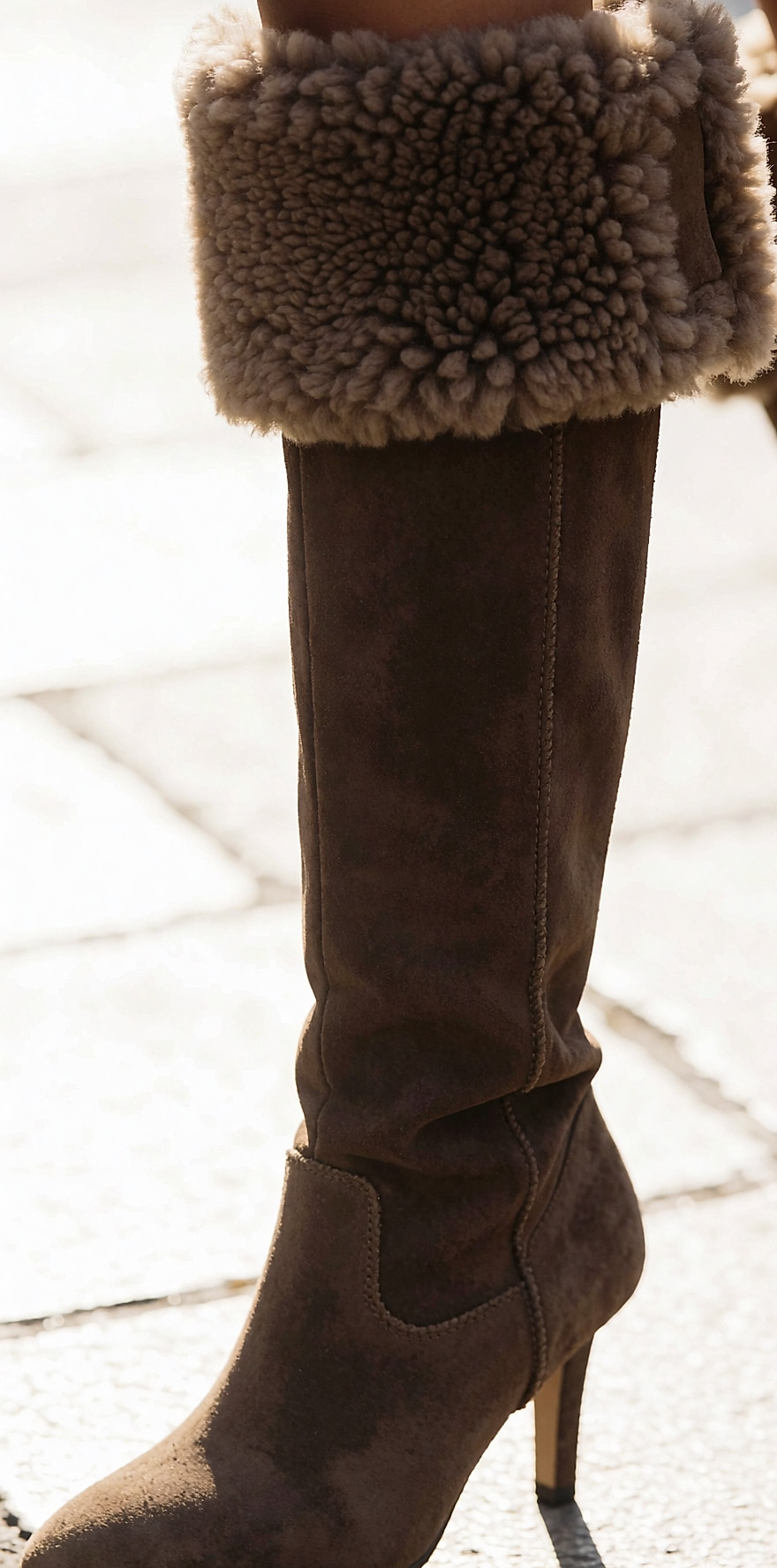
Three checks before you fall for a crystal piece: test the strength of the fastenings, often the weak point; choose a thicker satin, which creases less; and judge the look in daylight rather than in a fitting room.
One point of honesty, though: these observations are based on the collections and the house's history — not on everyday wear. I'd rather say so clearly than leave any doubt.
Budget
Here, honesty is needed: this is a luxury house, and the label shows it. New, expect generally several hundred pounds for a bag or a pair of court shoes — in the region of £220 to £600 depending on material, season and style. Smaller pieces, such as jewellery, belts and fine chains, most often stay under £170. In an official boutique or department store, the price rarely moves; at multibrand retailers and outlets, it may drop a notch on end-of-line stock. Prices also vary a great deal depending on the city and the retailer's positioning.
Second-hand really changes the picture, and it's often where the best find is hiding. On resale platforms, a pre-owned Blumarine piece usually sells for between £50 and £220, with wide variations: overall condition, material, colour, rarity of the style. Be careful about condition, though — satin stains and creases, a detail to check in the photos before buying.
Where to look? The official website and the brand's boutiques, department stores, multibrand sites, but also resale platforms and consignment shops. For care, add a few tens of pounds if you use a cobbler for resoling or delicate cleaning. And on materials, remember that not all satin is silk: many pieces are polyester, and their environmental impact depends on production, durability and disposal. Buying second-hand and having items repaired remain the best habits — good for your wallet, and a way to extend a piece's life.
Then there is the essential point. Luxury here isn't about a logo, but about the piece that finishes an outfit without ever dominating it. A well-chosen court shoe, a clutch at the right moment: the move that changes everything often happens there, in that detail you add last and never regret.
Comments
Your opinion matters: rate the article, react and reply to comments.
Comments are moderated; AI-assisted comments are flagged. Text emoticons (8-), :-), <3…) are automatically shown as images.