
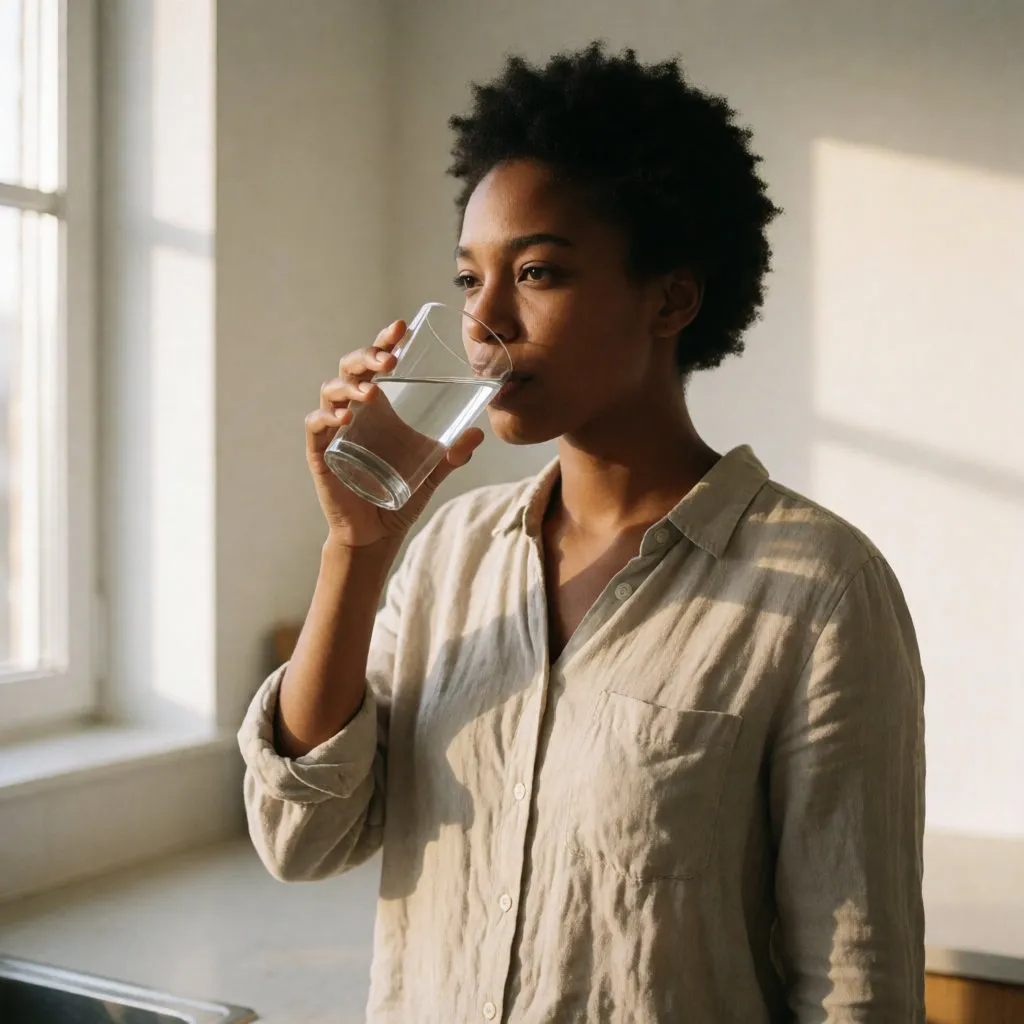
Your body is already filtering, day and night
Your liver processes waste from digestion, alcohol and medicines. Your kidneys filter it, your intestines and lungs finish the job, and your skin plays a part too. This system runs continuously, without a break and without any product to buy. In practice, your body does not need a big cleanse to clear what it produces itself.
The word 'toxins' remains vague, too. Current evidence suggests that no drink, capsule or fasting day cleans the body faster than its own organs. The useful question, then, is: what puts the system under strain, and what lightens the load?
The things that weigh on it are fairly well known: regular alcohol, smoking, too much sugar and ultra-processed food, too-short nights, days spent sitting. These are risk factors for the liver and metabolism, not imaginary poisons that a short course could wipe away in a few weeks.
The habits that really make a difference
Start with water? Aim for around 1.5 litres a day, and make it your default drink. Keep your morning coffee if you enjoy it, but try not to let it become your only source of fluid, and save fizzy drinks and sweet juices for occasional treats.

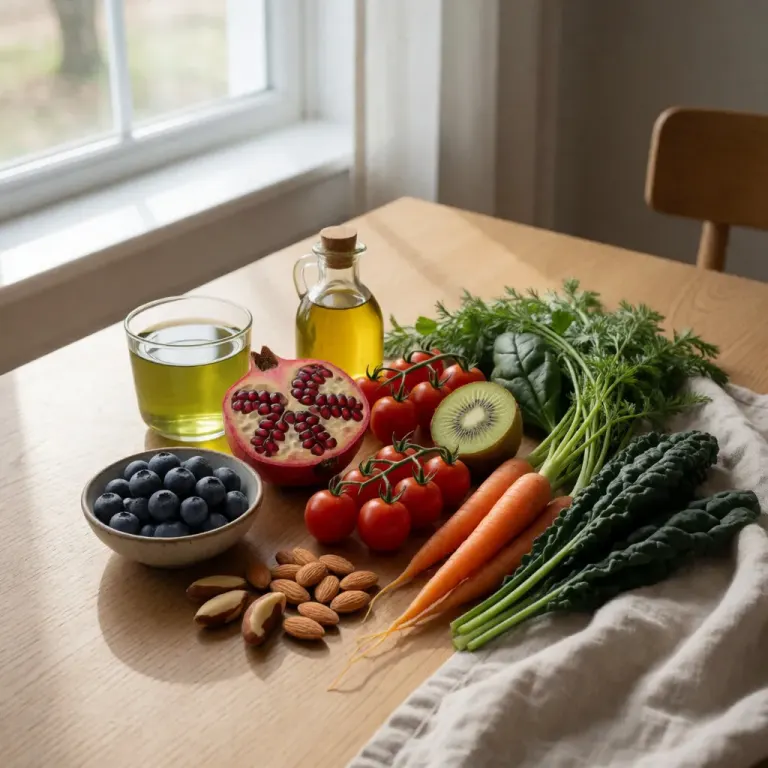
Then think about fibre. Around 30g a day is the figure often cited: vegetables, fruit, pulses, wholegrains. This helps your digestion and your gut microbiome. Artichokes, cabbage, beetroot, kiwi or prunes are excellent choices, not because they 'drain' anything, but because they provide fibre, potassium and vitamins.
Move more, without putting unnecessary pressure on yourself. The World Health Organization recommends 150 to 300 minutes of moderate activity a week, plus two strengthening sessions. A brisk daily walk, cycling to work, a few lengths in the pool: it all counts. For sleep, aim for seven to nine hours. For alcohol, UK Chief Medical Officers' advice is clear: if you drink, keep to no more than 14 units a week, spread over three or more days, with several drink-free days. Avoid concentrating your units into one session.
Herbal blends, ampoules and supplements: what to expect
Black radish, dandelion, artichoke and birch: these plants can sometimes have an effect on digestive comfort. But there is no robust evidence that they speed up the removal of waste by the liver or kidneys. If you want to try a course, keep it short and speak to a healthcare professional — especially if you take medication, are pregnant or have a liver condition. Some herbs interact with medicines or put extra strain on the liver.
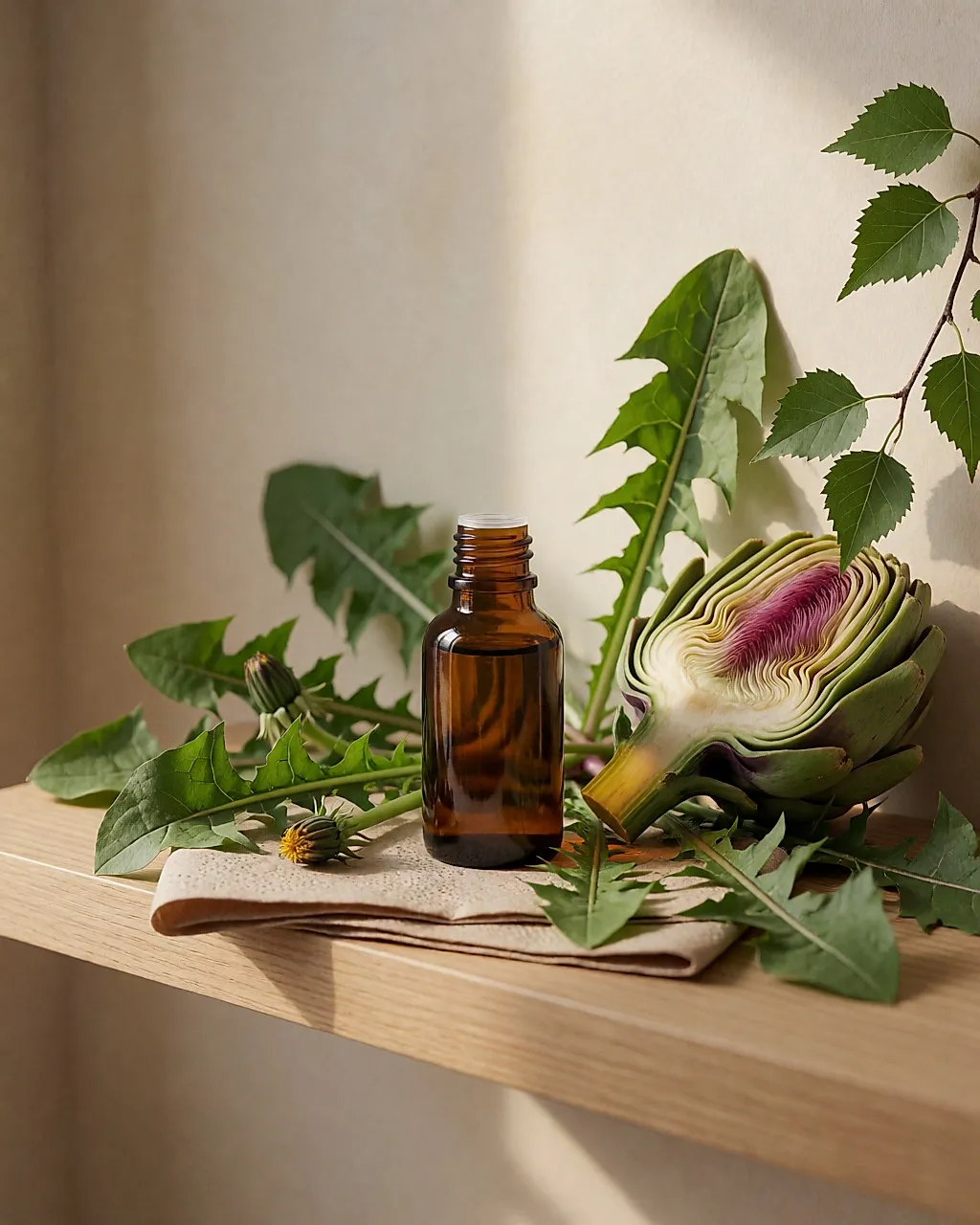
If you buy, look at the label rather than the slogan. A juice or ampoule packaged in glass limits plastic; certified organic status means it meets set standards, with no synthetic pesticides; a UK or European origin shortens transport. These are checkable criteria, unlike 'purifying' promises. And if the product that suits you best is a standard supplement sold in a pharmacy, that's not a disaster: the compromise is then about packaging and provenance, not effectiveness.
When to see a doctor rather than try a course
Persistent tiredness, abdominal pain, very dark urine, yellowing of the eyes or skin, unexplained itching: these signs are not a matter for drainage but for medical advice. Make an appointment with your GP. A blood test, if needed, will tell you more than a three-week course.
Sweating doesn't clear much
Despite a stubborn idea, sweat is mostly water and minerals, with very little else. A sauna, steam room or intense workout mainly makes you lose water, which you need to replace. Exercise is still excellent for your heart, sleep and mood: keep it for that. Massage relaxes muscles and calms the mind, but it has no role in elimination. That's not nothing, but it isn't drainage.

Budget
- Herbal supplements from a pharmacy or health food shop: often £9–£22 for two to three weeks. Price varies by brand, format and where you buy.
- Organic birch or cranberry juice in glass bottles: around £4–£9 per litre, often cheaper in health food shops or supermarkets than in specialist stores.
- GP appointment: free at point of use on the NHS; private GP appointments typically £50–£120.
- Dietitian appointment: free if referred by the NHS and you meet the criteria; private consultations £50–£100, sometimes partly covered by private health insurance.
- Relaxation massage: £50–£90 per hour depending on city and practitioner.
Sources
- NHS — nhs.uk: pages on liver health, hydration and the NHS Health Check.
- NHS / MHRA — nhs.uk and gov.uk: advice on supplements and herbal products.
- UK Chief Medical Officers / NHS Eatwell Guide — gov.uk and nhs.uk: alcohol guidelines and healthy eating advice.
- World Health Organization — who.int: physical activity recommendations.
Food supplements do not replace a varied, balanced diet and a healthy lifestyle.


Comments
Your opinion matters: rate the article, react and reply to comments.
Comments are moderated; AI-assisted comments are flagged. Text emoticons (8-), :-), <3…) are automatically shown as images.