

You've probably seen the promise before, on a bottle or in a sponsored post: antioxidants everywhere, in capsules, powders and 'boost' juices. It almost suggests that swallowing the right pill could erase a week of snacking and a short night's sleep. But here's the thing: the most important part often goes unsaid. Your body makes some antioxidants itself, the rest come from your plate, and it's everyday variety that matters — not a one-week wonder pill.
What we know and what we don't yet know
Your body constantly produces free radicals, unstable molecules that can damage cells. It neutralises them using enzymes and antioxidants from food: vitamins C and E, carotenoids, flavonoids, selenium, copper and zinc. When production outstrips your defences, this is called oxidative stress.
Some risk factors push that production up: smoking, alcohol, UV rays and air pollution. These are the things to target first. No food, however colourful, makes up for active smoking, and stopping smoking or protecting your skin from the sun remains more effective than any carefully planned plate.
Where we need to be cautious, though: taking antioxidant supplements does not protect against chronic diseases. Current evidence even suggests that high-dose beta-carotene supplements increase the risk of lung cancer in people who smoke. So the 'wonder pill' is the last place to look for a solution — in practice, the benefits come from food.

Vitamin C: easy to get enough
In the UK, the reference nutrient intake for vitamin C is 40 mg a day for adults, although some other countries recommend higher amounts. The good news: a large kiwi often provides 60–90 mg depending on the variety, and an orange, clementine or grapefruit easily adds more. On the vegetable side, raw peppers, lightly cooked broccoli, cabbage and parsley are good sources.
Vitamin C is sensitive to heat and dissolves in cooking water. So eat raw when you can, steam for a few minutes, and avoid long boils that leach the vitamin out of the vegetable. And what about collagen? Vitamin C does play a part in collagen synthesis, but no plate of food replaces sun protection.

Vitamin E: from oils and seeds
In the UK, reference intakes for vitamin E are much lower than many people assume: 4 mg a day for men and 3 mg a day for women. Vegetable oils are leading sources: sunflower, grapeseed, rapeseed, walnut and wheatgerm. Add nuts — almonds, hazelnuts, walnuts — sunflower seeds and wholegrains.
A balancing habit: sunflower oil is rich in vitamin E but also in omega-6. Alternating with rapeseed or walnut oil provides omega-3. Two tablespoons of rapeseed oil on a salad and a handful of almonds already cover a good part of your needs — quite simple, isn't it?

Carotenoids: the colour that protects
Beta-carotene gives carrots, sweet potatoes, apricots, melon and squash their colour. Lycopene is found in tomatoes, watermelon and pink grapefruit. Lutein and zeaxanthin are in spinach, kale, broccoli and egg yolk.
Cooking tip: lycopene from tomatoes is better absorbed when they are cooked with a little fat. A spoonful of olive oil in the sauce does the job. But that doesn't mean pills — high-dose beta-carotene supplements are not recommended for people who smoke.

Flavonoids: think colour and tea
They are found in most fruit and vegetables: berries, citrus fruit, onion, apple, broccoli, as well as cocoa and green or black tea. Their effect on blood vessels is being studied, but there is no reason to drink red wine 'for the flavonoids'. Alcohol, even at low doses, remains a risk factor for several cancers.
So keep the plant palette varied and leave the glass of wine as a pleasure — not a health pretext.

Trace elements: selenium, copper, zinc
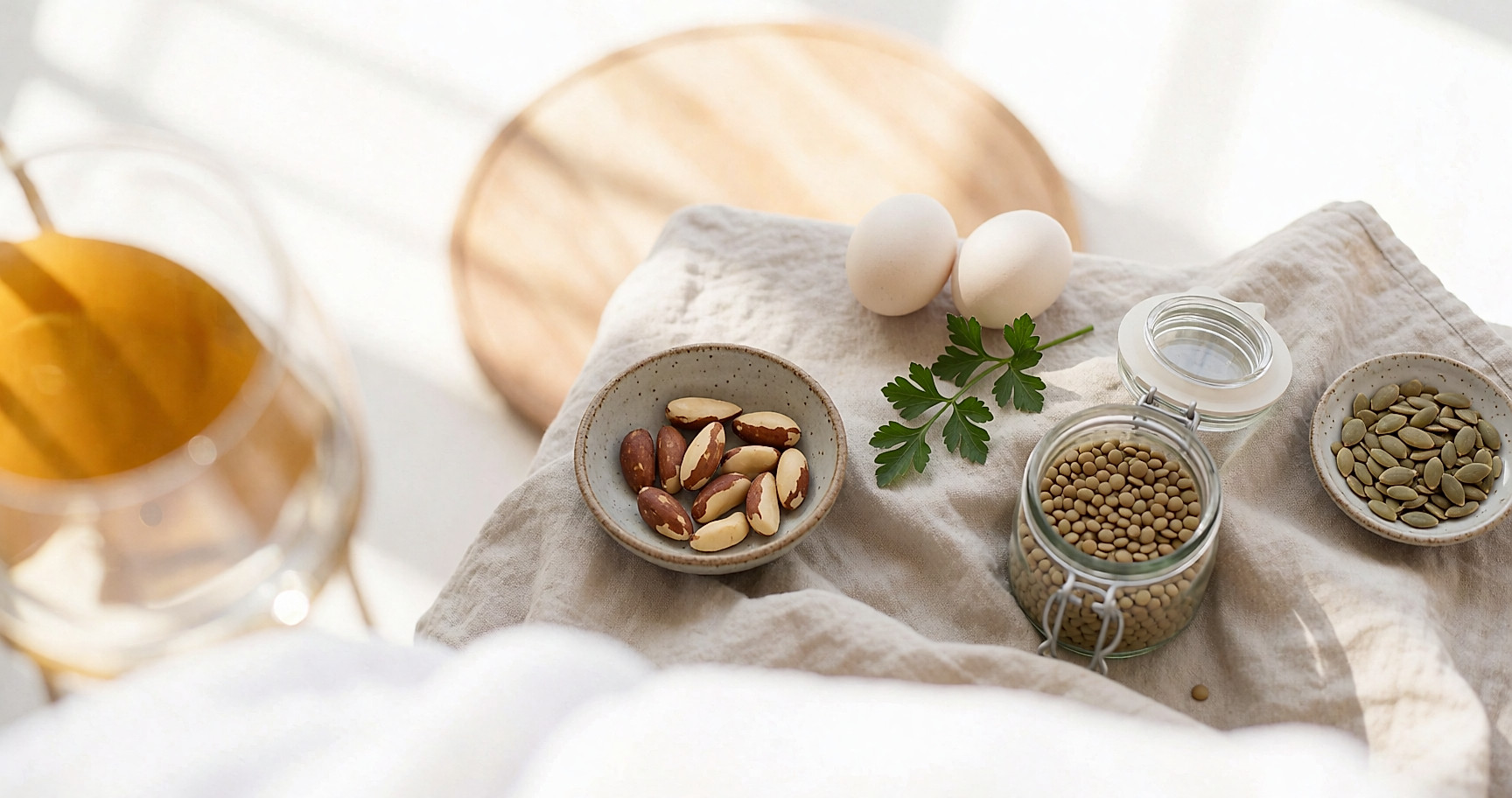
These minerals are not made by the body. Selenium comes from Brazil nuts — one or two can provide a day's needs, and more risks an excess — as well as fish, eggs and meat. Zinc comes from oysters, meat, pulses and seeds.
Variety remains the rule. A supplement taken without a proper assessment can do more harm than good.
Before you buy a supplement
Vitamins C and E, zinc and selenium have an authorised health claim in the UK and EU: they 'contribute to the protection of cells from oxidative stress'. This describes a normal physiological role, not a preventive or therapeutic effect. A supplement may be justified in specific situations — a documented deficiency, pregnancy, a very restrictive diet — and always on medical advice. In practice, speak to your GP or pharmacist.

Budget
An antioxidant-friendly plate doesn't need a luxury budget, as long as you follow the seasons — and frankly, your wallet will thank you.
In the UK, many seasonal vegetables cost around £1–£3 per kilo at the market or in the supermarket. Berries, exotic fruit and out-of-season produce often top £8–£12 per kilo. Plain frozen and canned vegetables usually cost two to three times less, and their vitamin content remains good.
For oils, expect around £2–£6 a litre for a basic sunflower or rapeseed oil in the supermarket, and more for organic or cold-pressed versions. Walnut or wheatgerm oils, sold in small bottles, cost considerably more and go rancid quickly: choose tinted glass, keep them away from light, and use them within the year. Nuts and seeds are around £7–£15 per kilo — buying loose, organic or in larger packs can bring the price down.
Organic certification means no synthetic pesticides and compliance with UK organic standards. It does not promise a higher antioxidant content. A glass or cardboard container, a refill, a local or seasonal product: these are what really matter, without overstating the benefit.
Ultimately, the real recipe comes down to three words: colour, variety, regularity. No supplement to swallow, just a plate that changes with the seasons — and that's already a great deal.
Sources
- ANSES, Ciqual nutritional composition table
- ANSES, reports and opinions on vitamins, minerals and food supplements
- EFSA, nutrient reference values for the European population
- Regulation (EU) No 432/2012 establishing the list of authorised health claims
- Santé publique France / Manger Bouger, dietary guidelines
- French National Cancer Institute, alcohol and cancer risk
- World Health Organization, healthy diet
Food supplements do not replace a varied, balanced diet and a healthy lifestyle.


Comments
Your opinion matters: rate the article, react and reply to comments.
Comments are moderated; AI-assisted comments are flagged. Text emoticons (8-), :-), <3…) are automatically shown as images.