
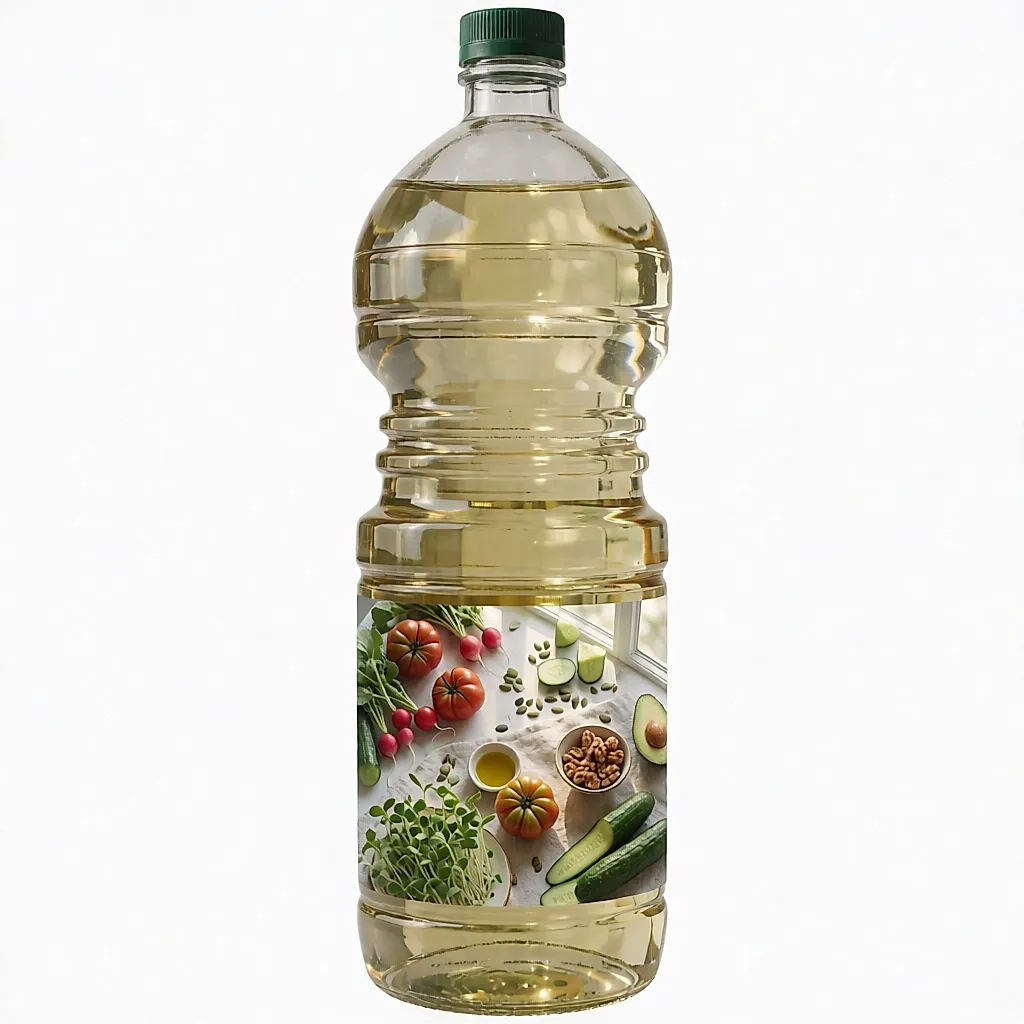
The principle can be summed up in one sentence: raw, or almost. Fruit, vegetables, sprouted seeds, sometimes fish and meat. This way of eating arrived from California under the name living food; today it inspires chefs and fills the 'raw' shelves of some health food shops. But behind the time saved and the vitamins preserved lie very real risk factors. Let's take a closer look.
What raw food really offers
Not cooking means avoiding the heat damage to some water-soluble vitamins, such as vitamin C and B9, and keeping fibre intact. And a raw dish is often quicker to prepare than a slow-cooked one. In practice, remember this: raw is not inherently better, it is different — and it calls for extra care with hygiene.

Fruit and vegetables: freshness first
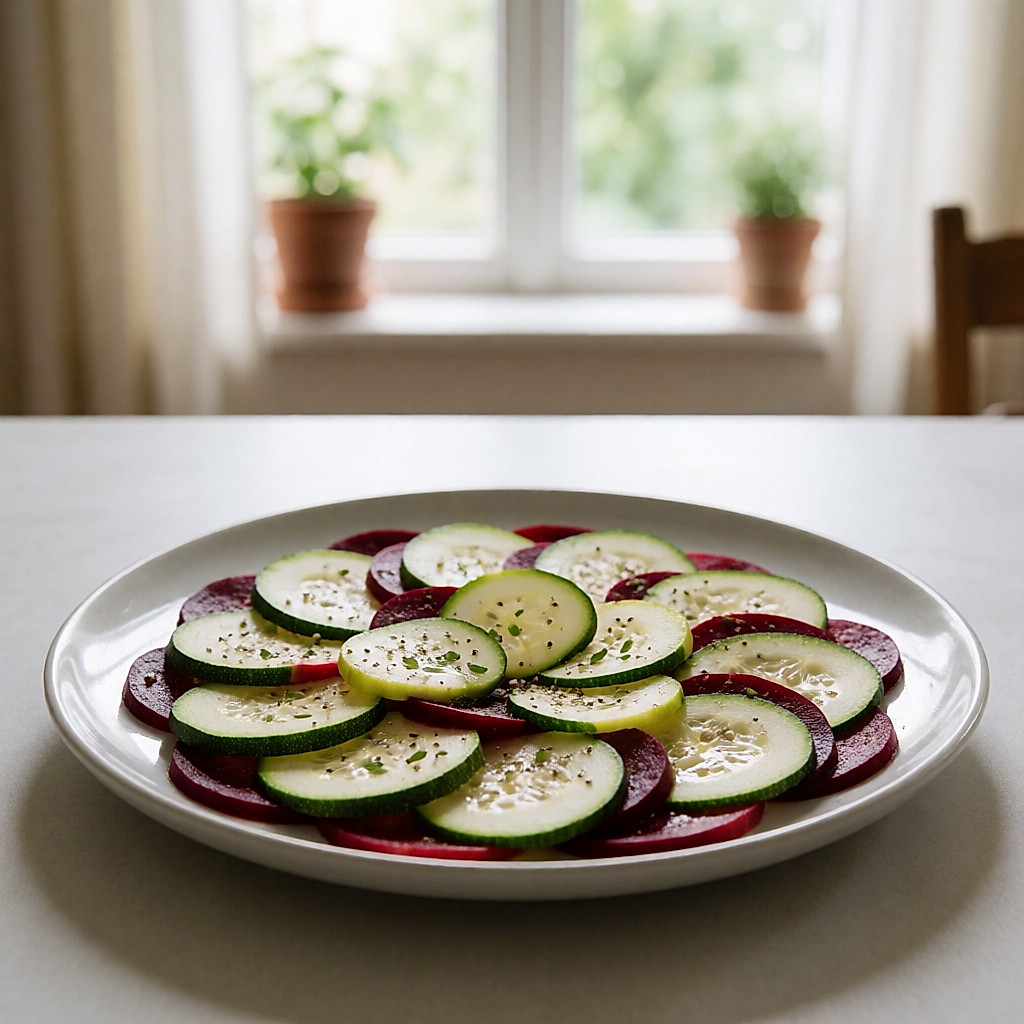
The closer a fruit or vegetable is eaten to harvest, the more vitamins it retains; levels fall during storage. Buy in small quantities and prepare the same day rather than leaving it for a week in the veg drawer. If you eat the skin, rinse under running water while rubbing: this reduces pesticide residues on the surface without removing them completely. Some plants are best avoided raw, or at least eaten with caution: raw kidney beans are toxic, as the phytohaemagglutinin they contain is destroyed by thorough boiling. Raw potato is not advised, especially if green or sprouted, because of solanine, which cooking does not destroy. And too many raw vegetables in one go can bloat a sensitive gut: increase quantities gradually.
Raw fish: the parasite to know
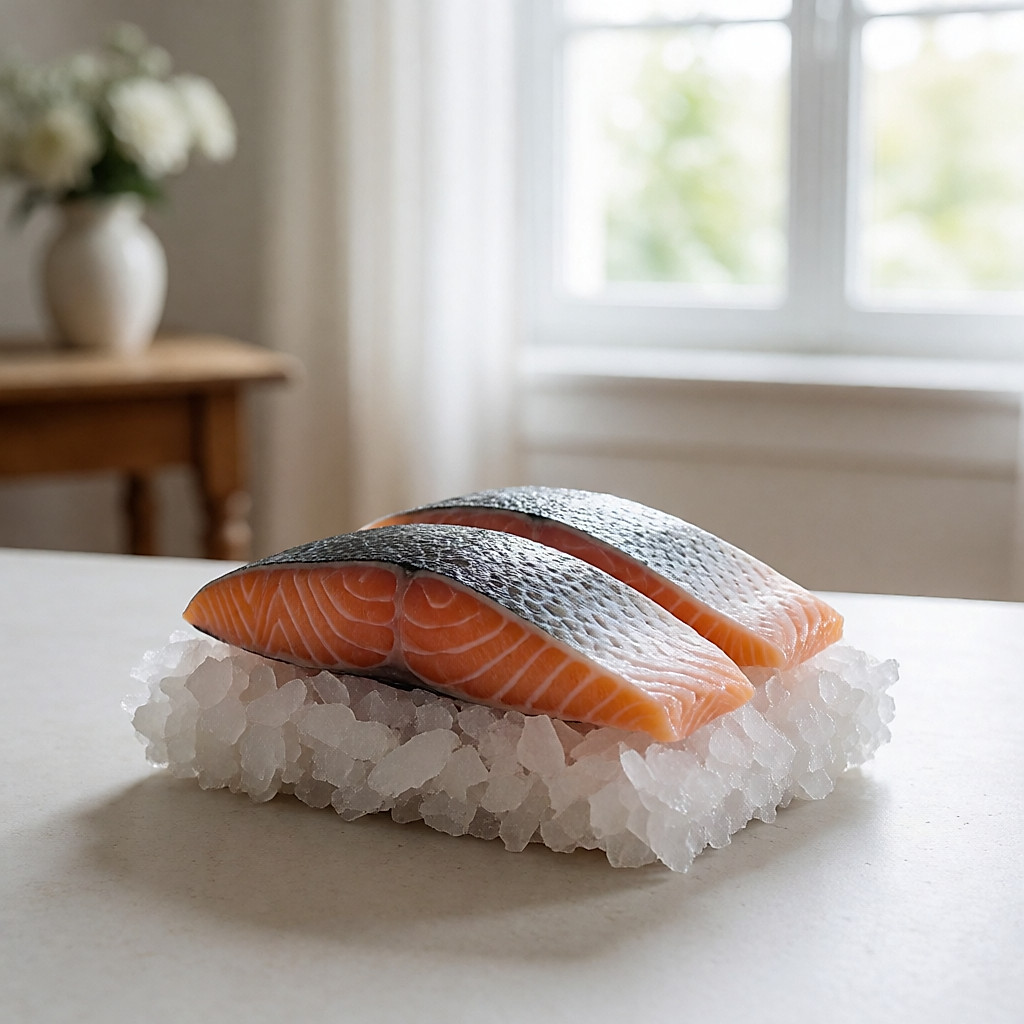
Salmon, cod and herring can harbour Anisakis, a parasite that causes sometimes severe digestive pain. Prevention comes down to cold: EU regulation requires professionals to freeze at -20°C for at least 24 hours before sale for raw consumption. A domestic freezer, however, runs at around -18°C. The safest option is therefore to buy fish already frozen for this purpose, or to follow the advice of a fishmonger who controls the cold chain.
Raw meat, and the lemon myth
A homemade tartare or carpaccio requires very fresh meat, minced or finely sliced depending on the recipe, eaten within 24 hours and kept cold, never at room temperature. Lemon juice or vinegar do not 'cook' anything in food-safety terms: they change the surface texture but are not enough to kill parasites and bacteria. It is a stubborn myth, and it protects no one.

Pregnant women, young children, older people and immunocompromised people are most at risk of foodborne infections. For these groups, official advice is to avoid raw meat and fish. If you live with a chronic digestive condition, speak to a healthcare professional before overhauling your diet.
What to watch
A fully raw diet, especially a vegan one, needs to be planned and monitored. Iron, calcium, omega-3 and especially vitamin B12, which is absent from the plant world: supplementation is often necessary, and should be decided with a doctor or dietitian. Raw is not a shortcut to health; it is a way of eating with strengths and blind spots. If you want to try it, it is better to start with a few meals a week rather than a total switch — your digestion, energy and nutrient intake will benefit gently.

Budget
For shopping, expect around £2 to £4 per kilo for seasonal fruit and vegetables in supermarkets, more like £3 to £6 for organic or a veg box. Fish sold frozen for raw consumption costs between £10 and £25 per kilo depending on species, whether from a fishmonger or the frozen aisle. For equipment, a decent blender costs between £50 and £170 depending on power and jug capacity; a sprouter costs between £8 and £25, from health food shops, garden centres or online, and will last a long time if you rinse it carefully after each use.
Prices vary mainly with season, certification and where you buy: farmers' markets and community-supported agriculture schemes remain the cheapest options, and seasonal vegetables are often less expensive there than in the supermarket aisle. For fish, industrial freezing is rarely more expensive than fresh — sometimes it is the opposite. There is no need to invest in a dehydrator or juicer at the start: a good knife, a board and a jar are enough to test whether you like it.
Sources
- Anses, work on parasitism in fishery products and anisakiasis
- Regulation (EC) No 853/2004 on the hygiene of food of animal origin
- Santé publique France, National Nutrition and Health Programme (Manger Bouger)
- EFSA, scientific opinion on risk assessment of parasites in fishery products, 2010
Food supplements do not replace a varied, balanced diet and a healthy lifestyle.


Comments
Your opinion matters: rate the article, react and reply to comments.
Comments are moderated; AI-assisted comments are flagged. Text emoticons (8-), :-), <3…) are automatically shown as images.