
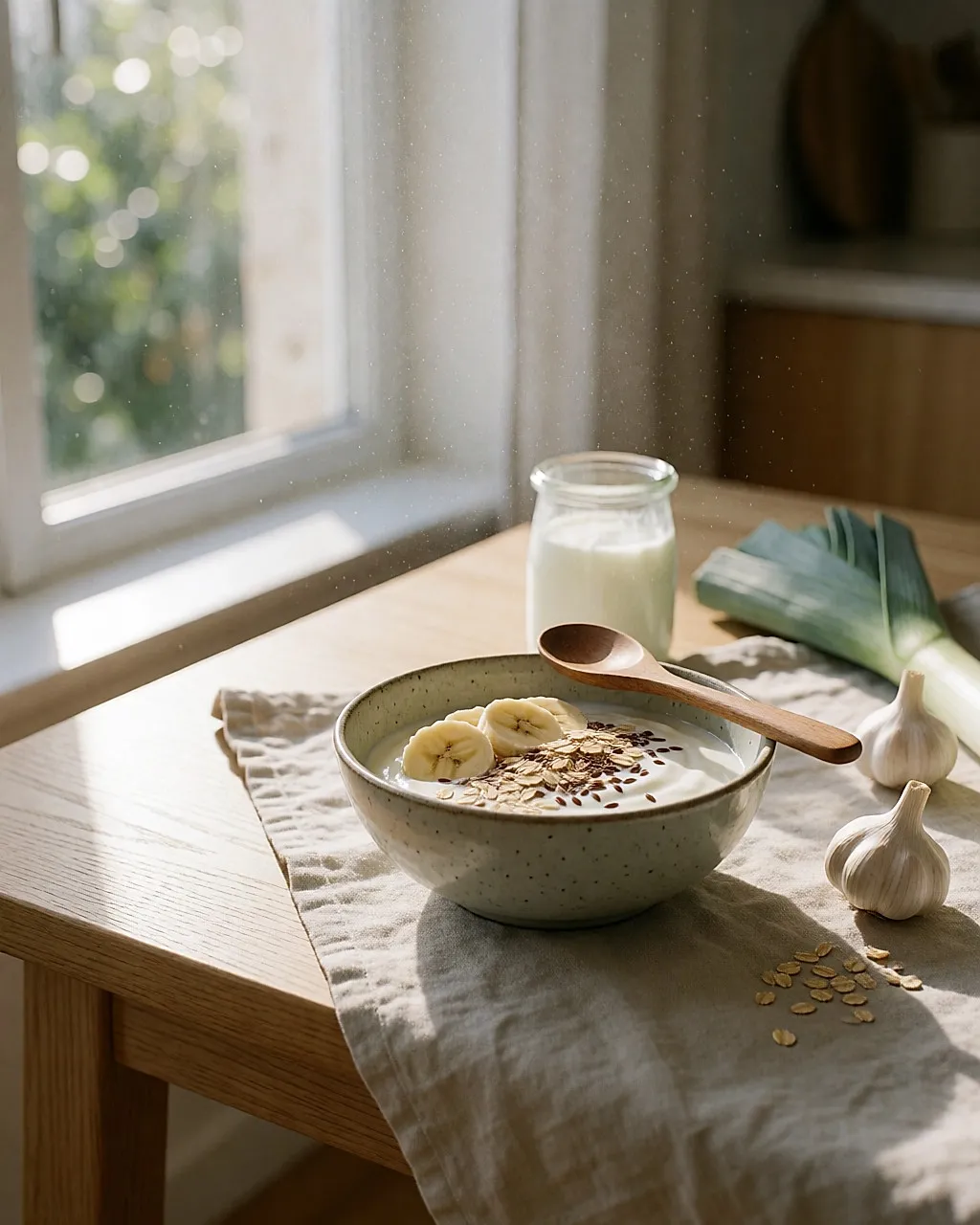
Your gut is not just a simple digestive tube. Its lining is home to hundreds of millions of neurons, and a good share of your body's serotonin is made there. The result: when digestion plays up, you don't just feel it there — sleep, energy and mood often follow. So: supplements or what's on your plate?
Your microbiome: a demanding housemate
We used to talk about 'gut flora'; today we call it the microbiome. Trillions of micro-organisms take up residence there, and their role goes beyond digestion: they ferment fibre, help make certain vitamins (K and B group) and hold the territory. By filling the space, friendly strains leave less room for pathogens.

When the balance starts to crack
This balance is fragile. A diet low in fibre, ongoing stress, certain treatments — antibiotics above all — can shake it. The gut barrier then becomes less selective: it absorbs some minerals less well and lets more unwanted compounds through. Bloating, irregular bowel habits and fatigue can follow. Be careful, though, not to blame everything on the gut: a migraine or a breakout often has several risk factors behind it.

Probiotics: what to expect
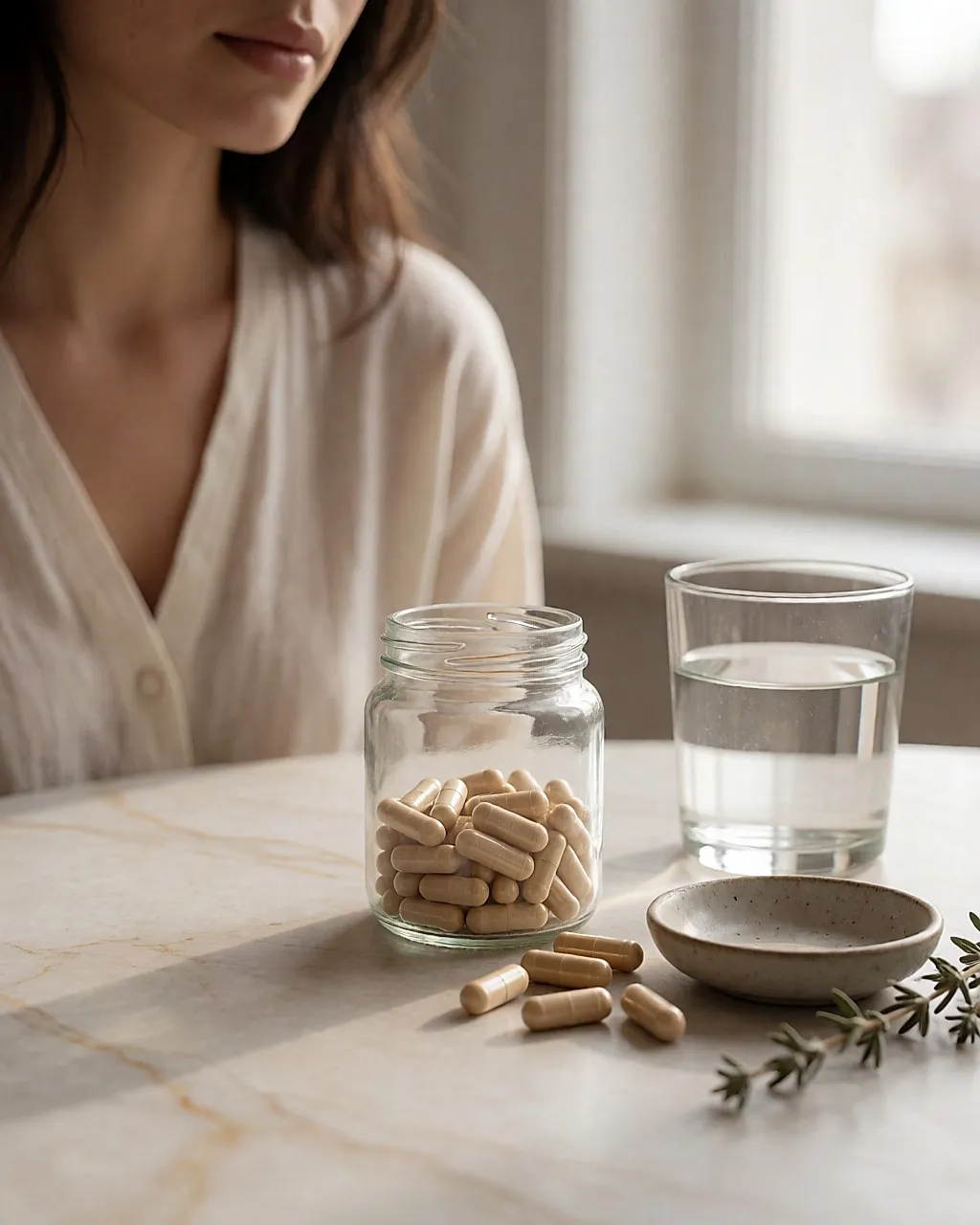
Probiotics are live micro-organisms, supplied in sufficient quantities. Some strains have shown real promise, particularly for preventing antibiotic-associated diarrhoea. Beyond that, current data suggest keeping a cool head: the idea that they boost immunity or brighten the complexion is still too poorly supported. In the EU, no health claim of that kind is authorised for these products. Should you rush out to buy supplements anyway? Not automatically, and never instead of medical advice.
Prebiotics: food for the troops
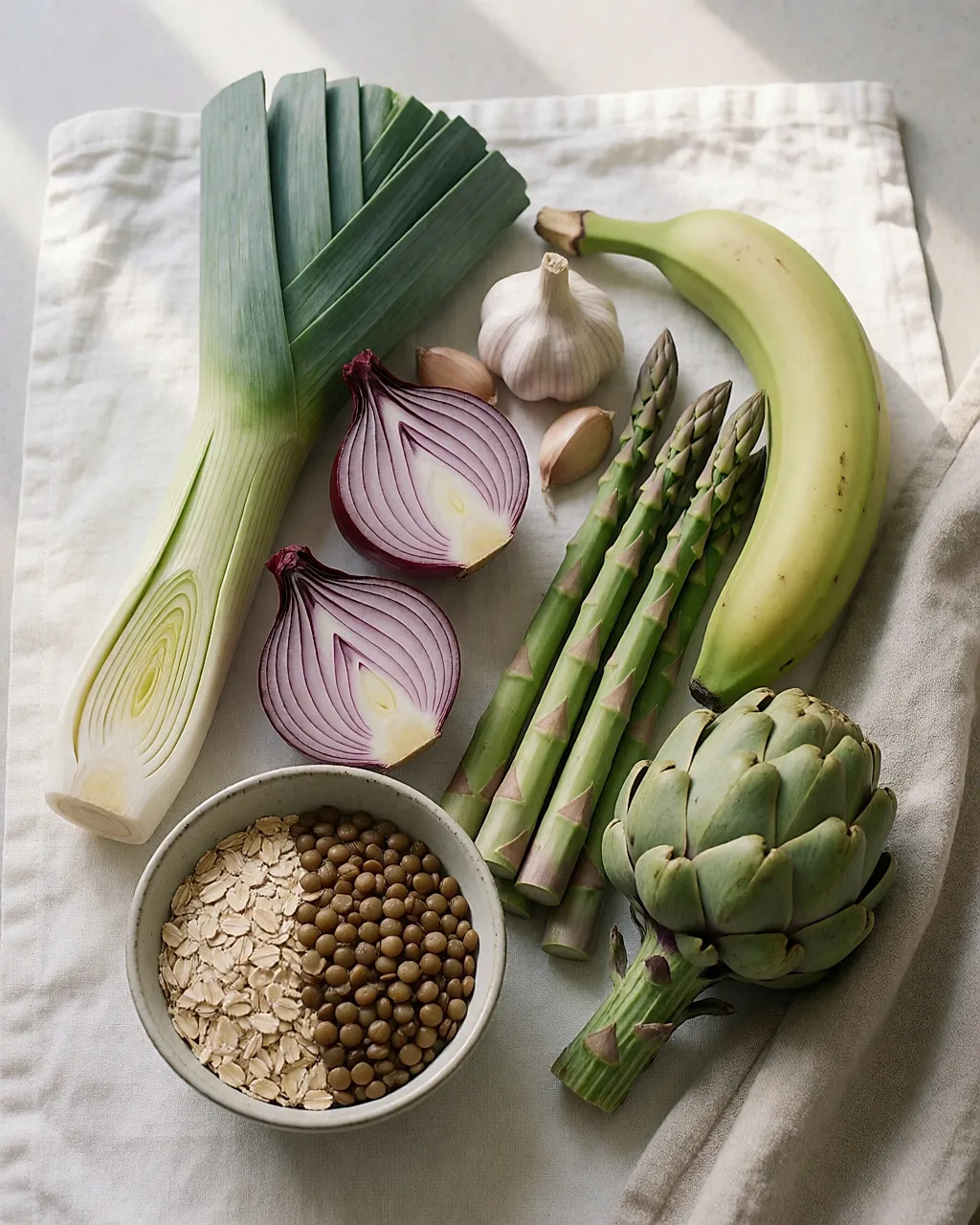
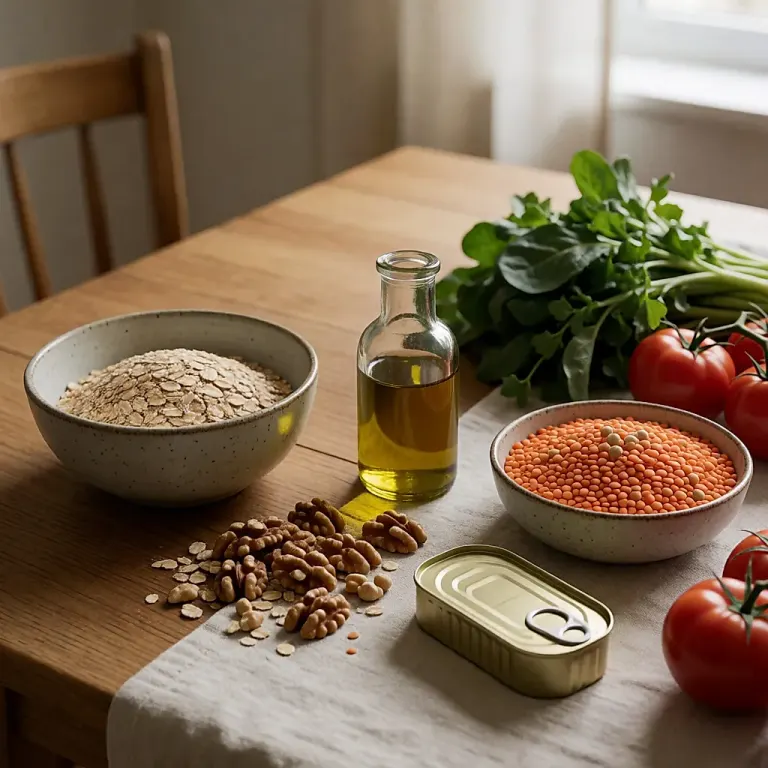
Prebiotics, by contrast, are fibres you don't digest — but your bacteria happily feed on them: inulin, FOS, GOS. You'll find them in garlic, onion, leeks, asparagus, artichokes, not-too-ripe bananas, oats and pulses. In practice, introduce them little by little: one extra portion a day, and only increase if your gut stays calm.
On your plate
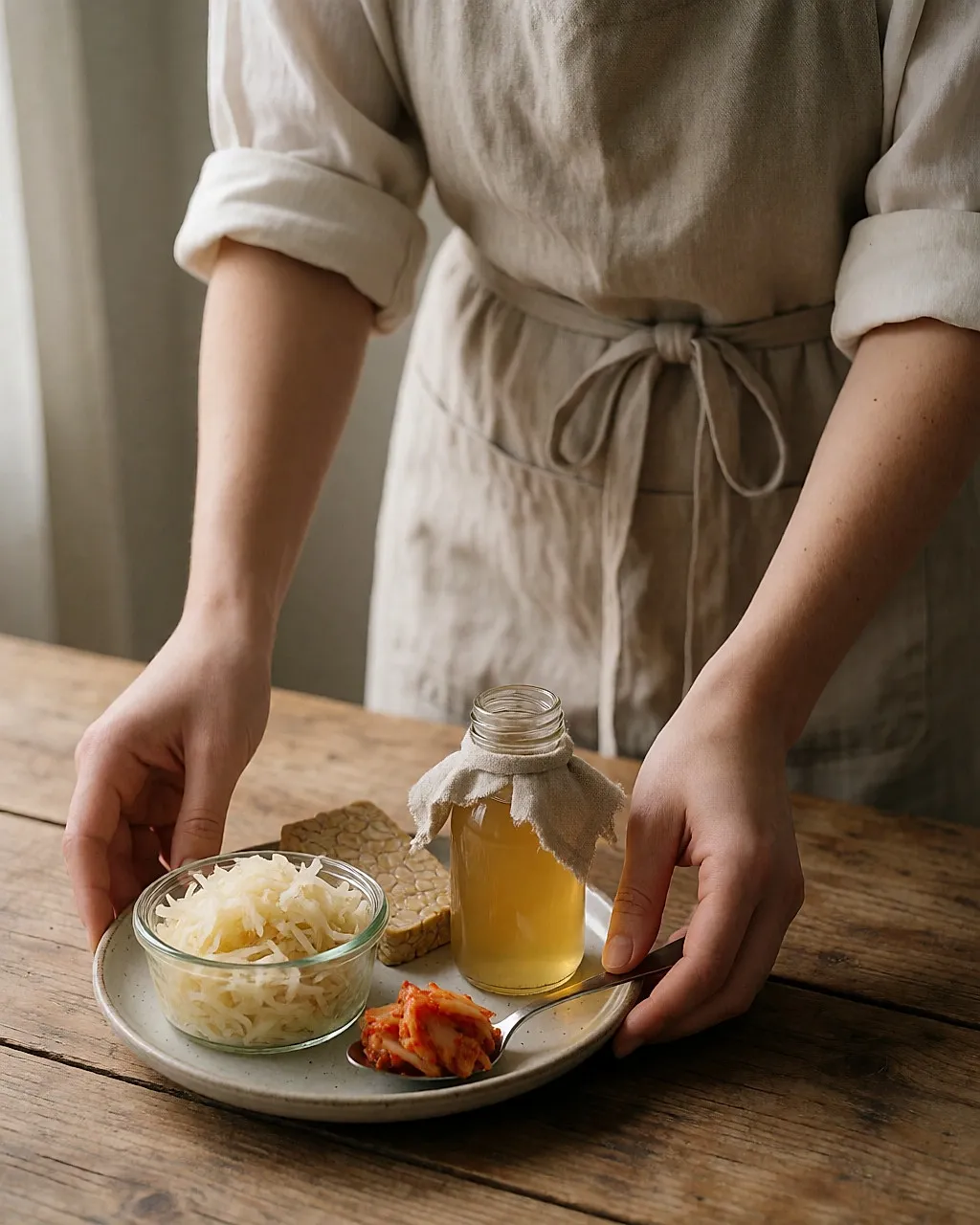
Yoghurts and fermented milks, kefir, raw sauerkraut, kimchi, miso, tempeh, kombucha: there's plenty to choose from. A useful habit: check that a fermented food hasn't been pasteurised after fermentation, because no live cultures remain. And remember that no supplement can replace a varied diet.
Probiotics are not suitable for everyone. In people who are immunocompromised, in hospital, or have a catheter in place, there is a risk of infection. If that applies to you, if you are on treatment, or if your symptoms persist, speak to your GP or pharmacist before starting: this is not a decision to make on your own, and a diagnosis from a professional is still the first step.
Budget
What you spend depends mainly on the route you choose.
- Supplements: expect around £8–15 for a bottle of about 30 capsules in a pharmacy or supermarket, and more like £20–35 for a one-month course from a specialist brand. The bill varies with the number of billions of CFU, the number of strains, the delivery form (enteric-coated capsule or not), the pack size and the brand.
- Fermented foods: around £1–3 for four plain yoghurts, £3–5 for a litre of kefir, £3–6 for a jar of raw sauerkraut, £5–10 for kimchi, £3–6 for a bottle of kombucha.
- Prebiotic powders (inulin, FOS): £10–20 per tub, depending on quantity and brand.
Where to find them: pharmacy and health-and-beauty retailer for advice, supermarket and health food shop for the food itself, specialist shops and online for choice. A useful habit: compare the price per day of the course, not the headline price on the shelf edge. On packaging, glass or cardboard containers and refillable formats cut waste a little, though the lowest-impact option is often the raw food itself, sold loose or in a returnable jar.
Sources
- NHS, 'Probiotics' (nhs.uk).
- INSERM, 'Gut microbiota' dossier (inserm.fr).
- INRAE, dossier on the gut microbiota (inrae.fr).
- ANSES, opinions and reports on food supplements, including probiotics (anses.fr).
- European Commission and EFSA, EU Register of nutrition and health claims.
- Cochrane Library, systematic review on probiotics and antibiotic-associated diarrhoea (Goldenberg et al.).
Food supplements do not replace a varied, balanced diet and a healthy lifestyle.


Comments
Your opinion matters: rate the article, react and reply to comments.
Comments are moderated; AI-assisted comments are flagged. Text emoticons (8-), :-), <3…) are automatically shown as images.