

You've probably spotted Pilates or yoga on a gym timetable; postural stretching, by contrast, keeps a lower profile. The method is hardly new: it was developed in the 1980s by a physiotherapist and became the subject of a book. Intriguing, isn't it?
Working deep rather than chasing range
The starting idea is different from classic stretching. Here, the aim isn't to gain range at any cost: the work targets the deep muscles that stabilise the spine and pelvis, rather than the large mover muscles. Contraction first, stretch second — that's the rhythm here.
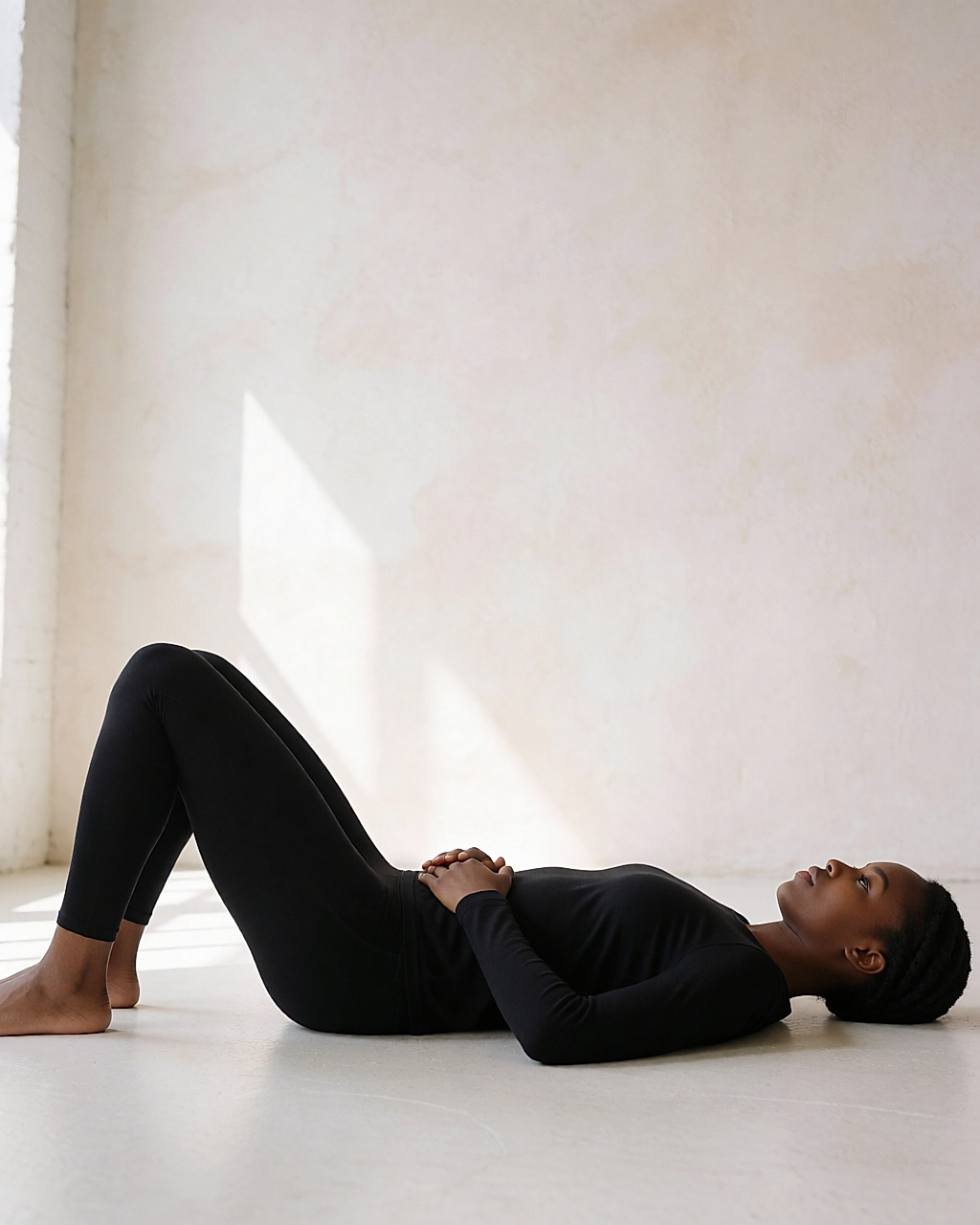
A typical session combines two phases: contractions first, then held stretches. Each posture is held for several seconds, without jerking. Slow, deep breathing sets the pace — it helps you stay tuned in to how you feel. There's nothing spectacular to look at, but the work is all about subtlety.
What can you expect?
What we know: moving regularly helps maintain suppleness and mobility. Current evidence suggests that well-supervised postural work may help you cope better with back tension. In practice, remember this: it is not a substitute for treatment. If you have acute pain, or pain that lingers, speak to a healthcare professional before starting.
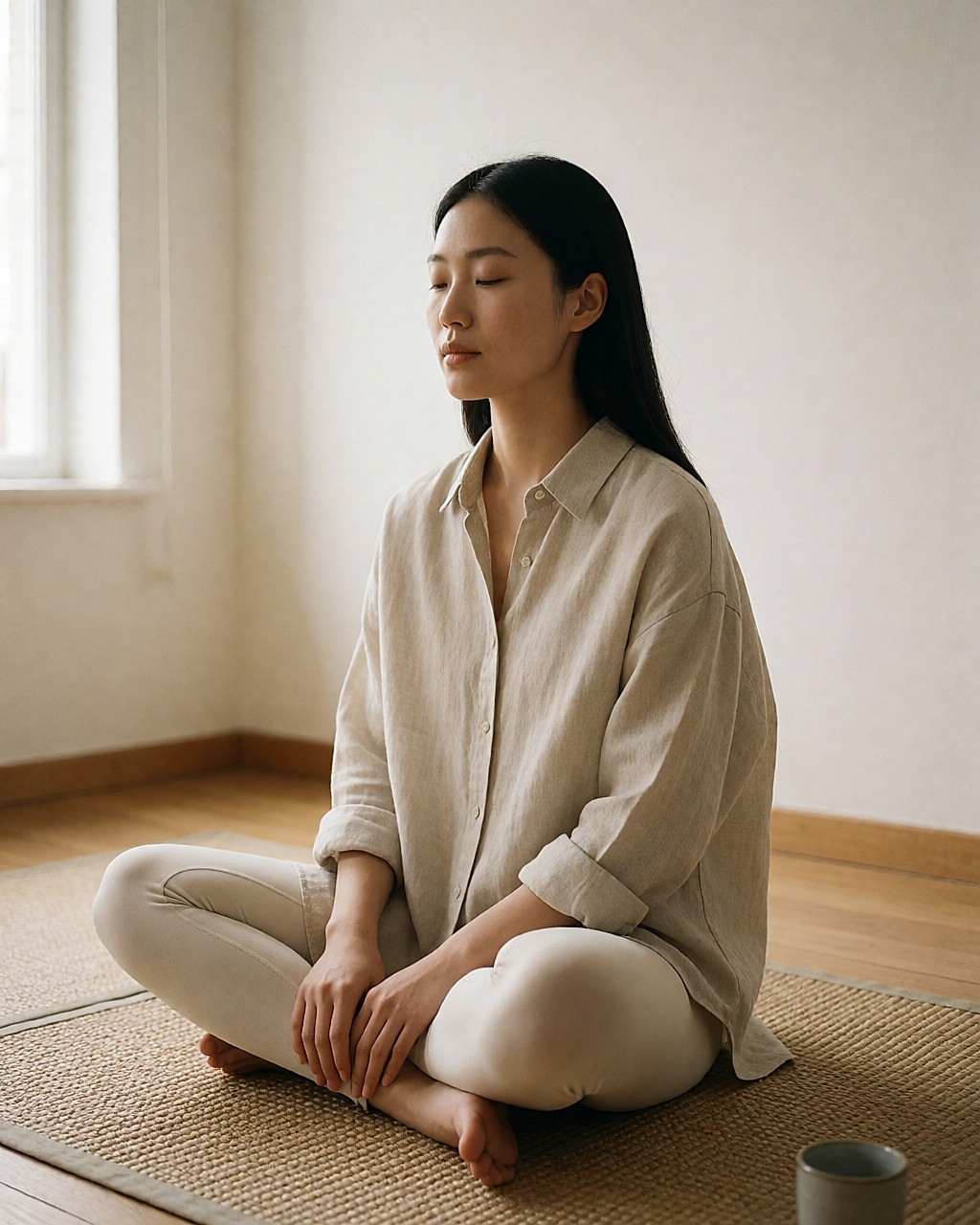
Several benefits are often mentioned: a better-aligned back, more ease in everyday movements, a feeling of relaxation. The mental side matters too. Focusing on your breathing is often a simple way to take the edge off — and who would turn that down?
Who is it for?
The practice suits a range of people: athletes who want to recover, people with sedentary lifestyles, those with sensitive backs, and the simply curious. You can follow it in a group class or one-to-one with a trained instructor. Regular practice, once a week, generally gives better results than occasional sessions.

A word of caution, though: some postures are not suitable if you have a slipped disc, advanced osteoarthritis or recent pain. Medical advice is still essential, and caution comes before performance.
Postural stretching is not a treatment. It does not treat an injury or a medical condition. If you have had back pain for more than a few weeks, or if you notice tingling or loss of strength in your legs, seek medical advice promptly: these signs need to be assessed by a doctor.
Budget
Prices vary widely depending on the format and where you live.
- Group class in a studio: expect around £10–£20 per session, often as part of a class pass or membership.
- One-to-one with a physiotherapist or sports instructor: around £40–£80 an hour.
- A one-off workshop or course: £40–£120 a day.
The price depends on the format, the instructor's qualifications and the location. Some health cash plans or private health insurance policies cover part of adapted physical activity sessions; check your policy. For a group class, aim for a small group: you'll benefit from more precise corrections.
Sources
- World Health Organization — guidelines on physical activity and sedentary behaviour, 2020.
- Santé publique France — physical activity recommendations, accessed in 2026.
- Haute Autorité de santé — management of common low back pain, 2019.
- Assurance Maladie — adapted physical activity and exercise on prescription, accessed in 2026.




Comments
Your opinion matters: rate the article, react and reply to comments.
Comments are moderated; AI-assisted comments are flagged. Text emoticons (8-), :-), <3…) are automatically shown as images.