
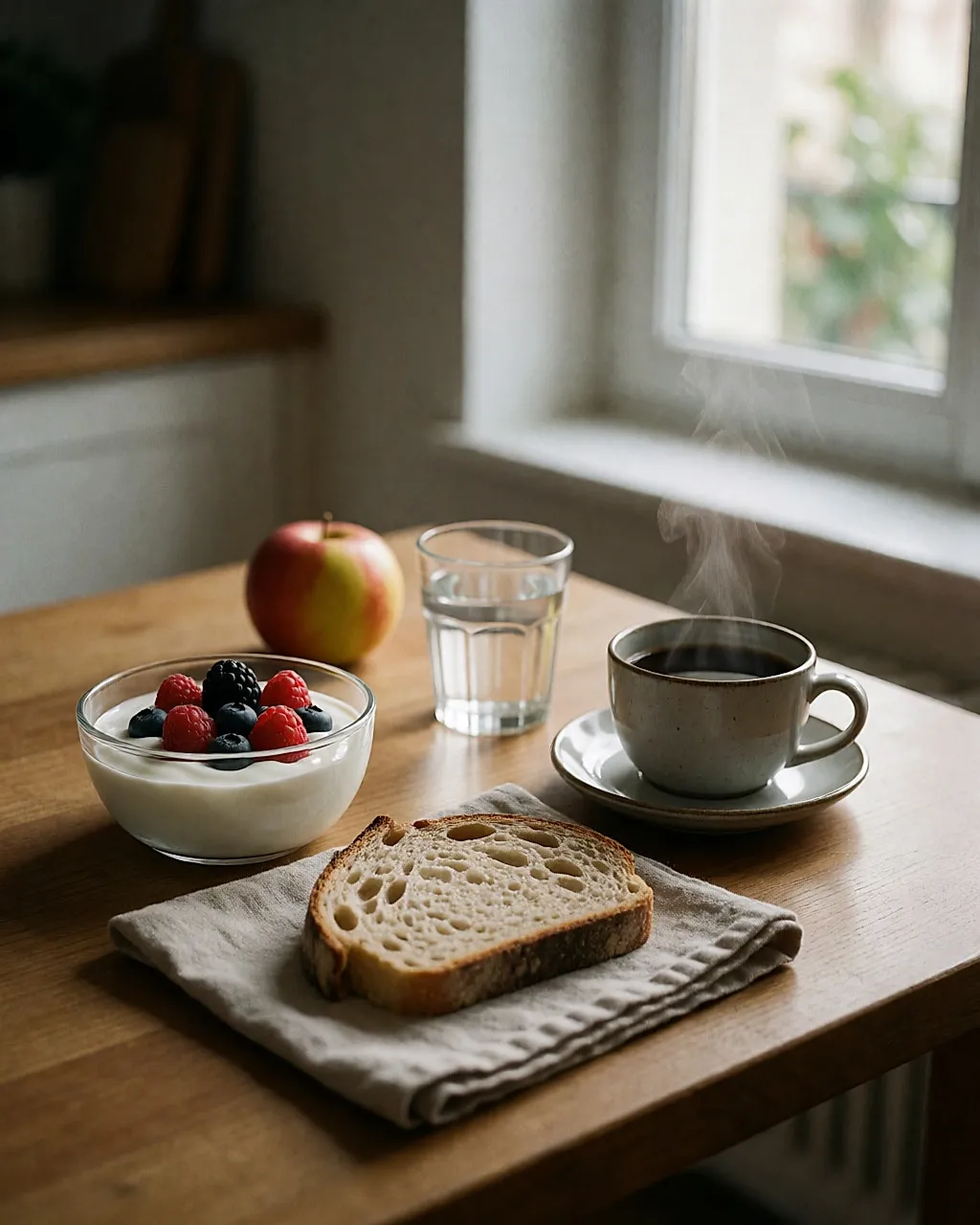
It's 7.20am, you've slept eight hours straight, and your stomach makes that little gurgle no one can mistake. Do you really need to eat something straight away, or can you last until lunch with just a coffee? The question comes back every September, and the answer is less clear-cut than you might think. This first meal breaks the night's fast, gives energy a nudge and partly shapes what you eat later. Here's what we know, without rigid rules or a one-size-fits-all recipe.
What happens when you wake up
While you sleep, your body keeps working: temperature, breathing, brain activity. Nothing really stops, even though nothing has gone in since the night before. On waking, you top up some of your reserves, both energy and micronutrients.
In the UK, the classic breakfast is often toast with butter and jam, a bowl of cereal or a pastry, washed down with tea or coffee. Bread and tea or coffee aren't the problem. What's missing is the rest: fibre, protein, a whole fruit. As a result, fast sugar arrives first, hunger returns around 11am, and the urge for fat and sweet things is hard to reason away.
What we know, and what we don't
Current evidence suggests a link between skipping breakfast and poorer overall diet quality, with less fibre and fewer vitamins across the day. Causality, however, has not been proved: in intervention trials, eating breakfast or not makes little difference to weight in the medium term.
In other words, breakfast alone isn't what makes the difference, but the balance of your whole day. A croissant eaten on the go won't make up for a chaotic diet, and a carefully planned breakfast won't undo an evening of snacking.

In practice, four building blocks are enough
- A wholegrain cereal: sourdough, rye bread or porridge oats. The NHS Eatwell Guide puts the daily fibre target at around 30 g, a figure few people reach.
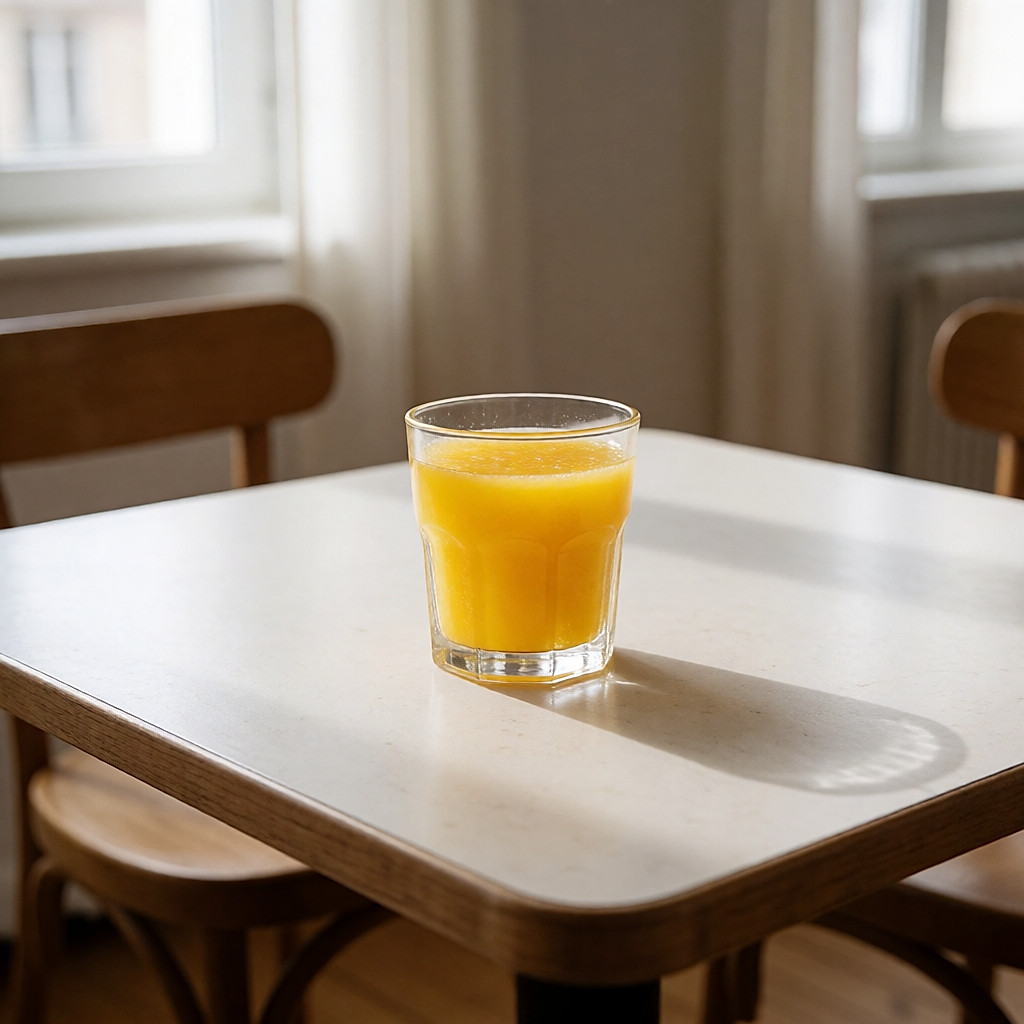
- Whole fruit rather than juice. A 150ml glass of 100% juice counts as one portion, but keep it to one a day.
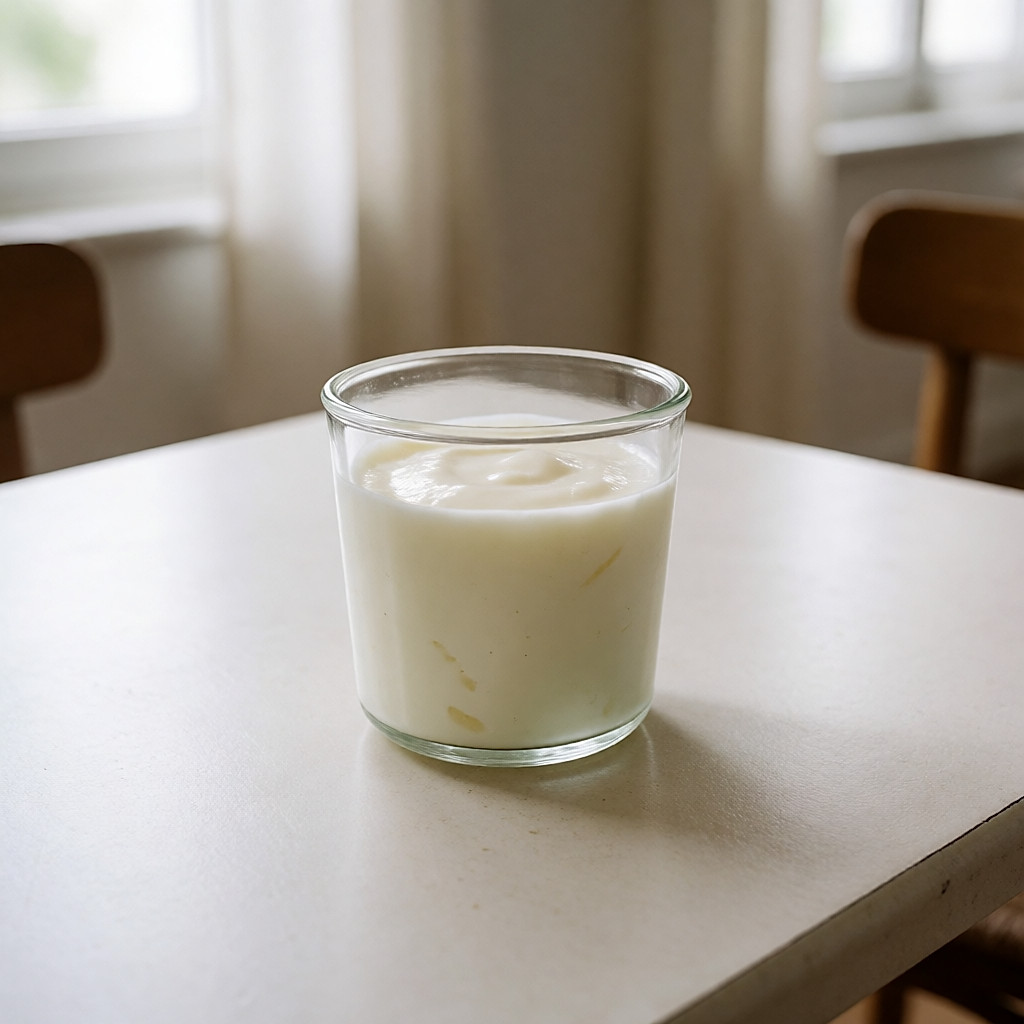
- Plain dairy or an alternative: plain yoghurt, quark or cottage cheese, fortified soya drink. Flavoured versions add sugar.
- Water, coffee or tea. EFSA sets the reasonable limit at 400 mg of caffeine a day for an adult, roughly four cups of filter coffee.
If hunger catches up with you late in the morning, add a source of protein: an egg, a handful of almonds or a spoonful of nut butter.

Jam, honey and spreads: what actually changes
Shop-bought chocolate spreads are often very high in sugar, and usually contain palm oil. Standard jam isn't much better, with a high sugar content. A no-added-sugar fruit purée, a reduced-sugar jam or 100% almond or peanut butter does the job, with a less sweet taste you get used to fairly quickly.

Honey, meanwhile, keeps a healthy image it doesn't quite deserve: it is a free sugar like any other, and nothing proves it slows ageing. Another, more serious point: it is not recommended for babies under one year old, because of a rare but real risk of infant botulism.
In practice, remember this: a fruit, a wholegrain cereal, a source of protein or plain dairy, and water. The rest — honey, jam, chocolate spread — is about pleasure, not the base.
Not hungry when you wake up?
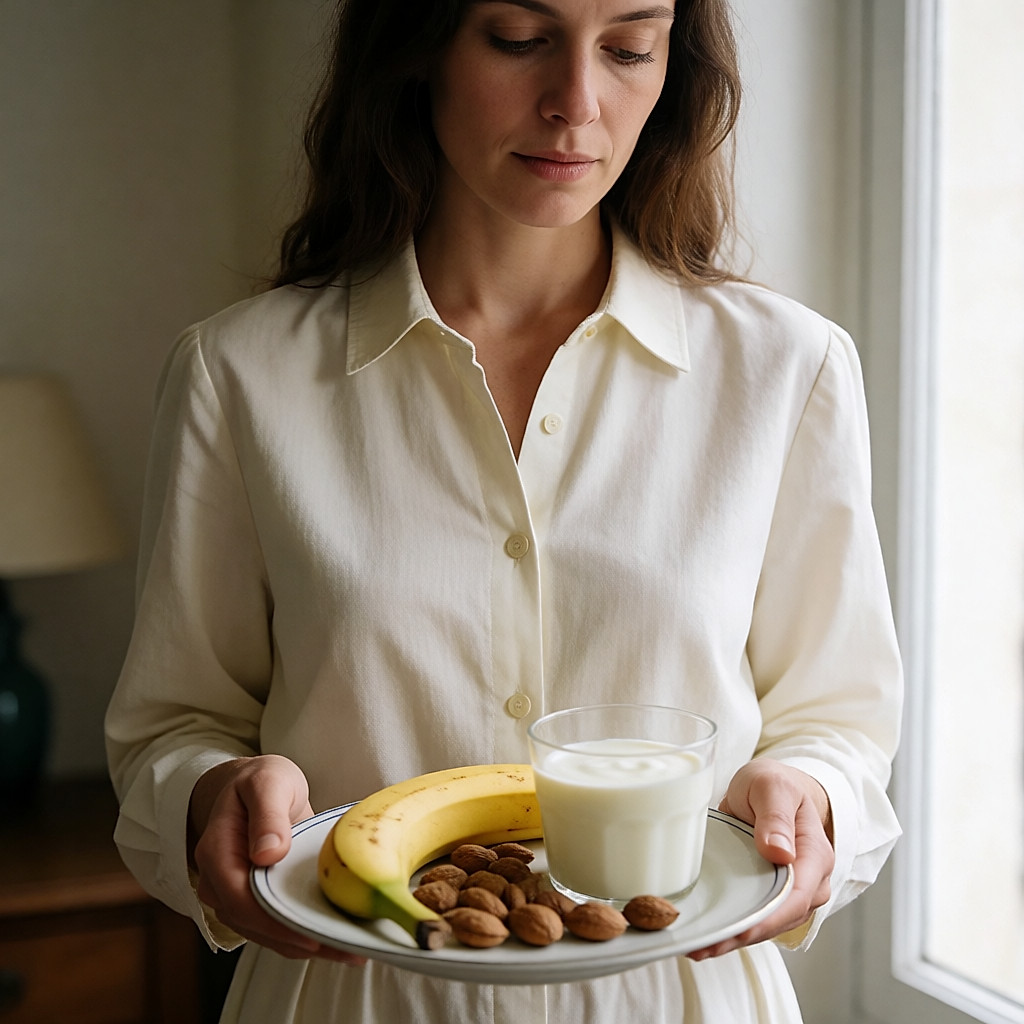
That's common, and it isn't a lack of willpower. Morning appetite varies with sleep, the time you ate dinner, stress or some medicines. Start small: a yoghurt, a banana, a few nuts. You can build from there later, without forcing it.
Two points to keep in mind. If diabetes, an eating disorder or a digestive problem is part of your medical care, speak to a GP or other healthcare professional before changing your habits: a diagnosis from a doctor is not the same as general advice read online. And if genuinely nothing goes down in the morning, a plain mid-morning snack is better than a chocolate bar, which sends energy up and then down again.
Cost
Breakfast made at home is still the cheapest meal of the day. Typical UK prices, which vary:
- wholemeal or sourdough bread: £1.50 to £3.50 per loaf;
- porridge oats or no-added-sugar muesli: £1 to £5 per 500 g;
- plain yoghurt: £0.40 to £1 per pot;
- seasonal fruit: £1.50 to £4 per kg;
- 100% nut butter: £3 to £8 per 300 g jar.
What changes the bill: organic or Fairtrade certification, seasonality, buying in bulk (often cheaper per kilo), where you shop — market, supermarket, health food shop or online — and how processed the product is. Organic muesli costs more than plain oats, for a pretty similar result once you add your fruit. And for context: the organic logo guarantees production standards, not superior nutrition.
Sources
- NHS, The Eatwell Guide and how to eat a balanced diet: nhs.uk
- British Nutrition Foundation, information on fibre, sugars and wholegrains: nutrition.org.uk
- EFSA, scientific opinion on caffeine, 2015: efsa.europa.eu
- World Health Organization, guidance on free sugars and infant botulism prevention: who.int
- Defra, organic farming and certification: gov.uk



Comments
Your opinion matters: rate the article, react and reply to comments.
Comments are moderated; AI-assisted comments are flagged. Text emoticons (8-), :-), <3…) are automatically shown as images.