
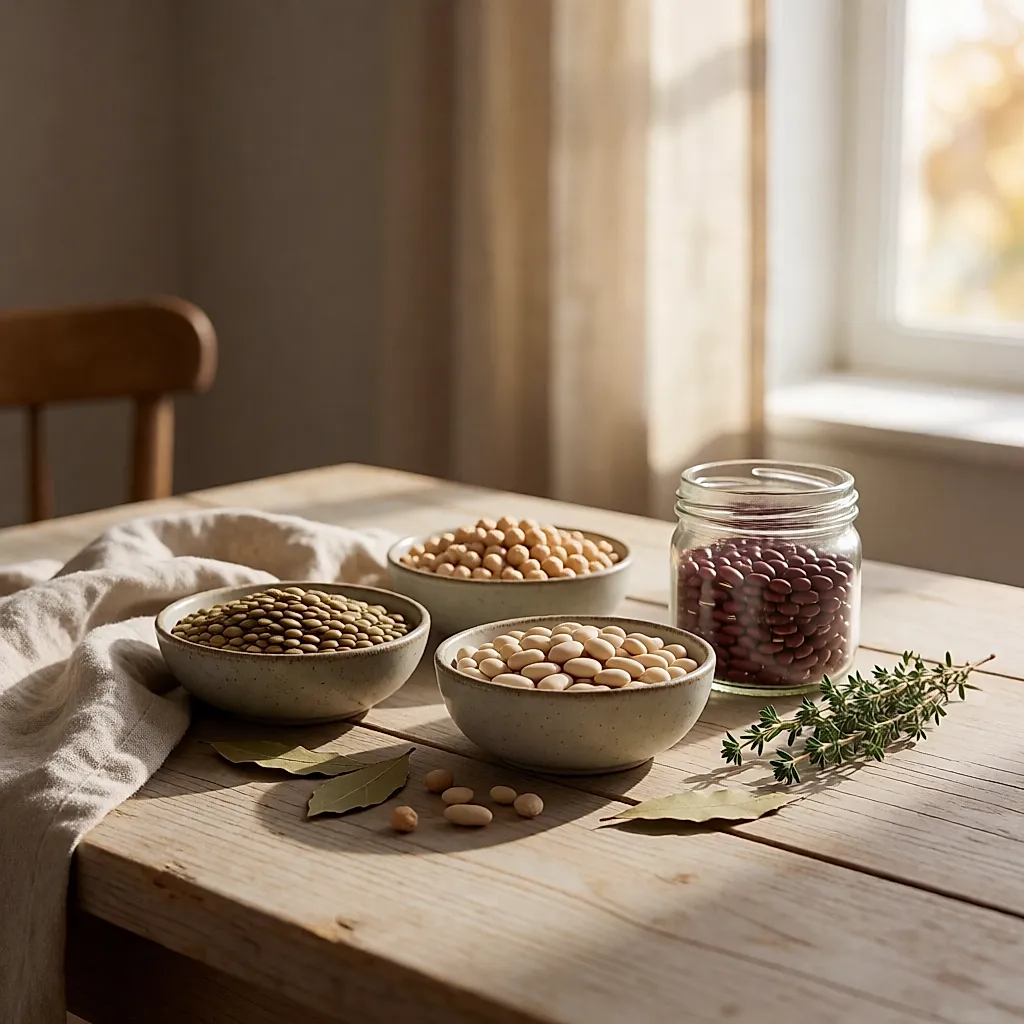
October has a rare talent: it makes a slow-cooked dish suddenly irresistible, and the nap that follows frankly suspect. Pulses are back on the table — lentils, chickpeas, dried beans — with their old reputation for heaviness in tow. Yet, between a poorly rinsed tin and a hurried cooking time, the fault rarely lies with the pulses themselves. Treated well, they can hold their own on a winter plate better than yet another cheese-topped bake.
Dried or tinned: decide without dogma
Let's ask the awkward question, on a Monday at 7.40pm. A tin of ready-cooked chickpeas has an unbeatable argument: fifteen minutes from cupboard to plate. Dried pulses, by contrast, require you to think about tomorrow. It is not about virtue; it is about planning — and depending on the evening, either one wins.
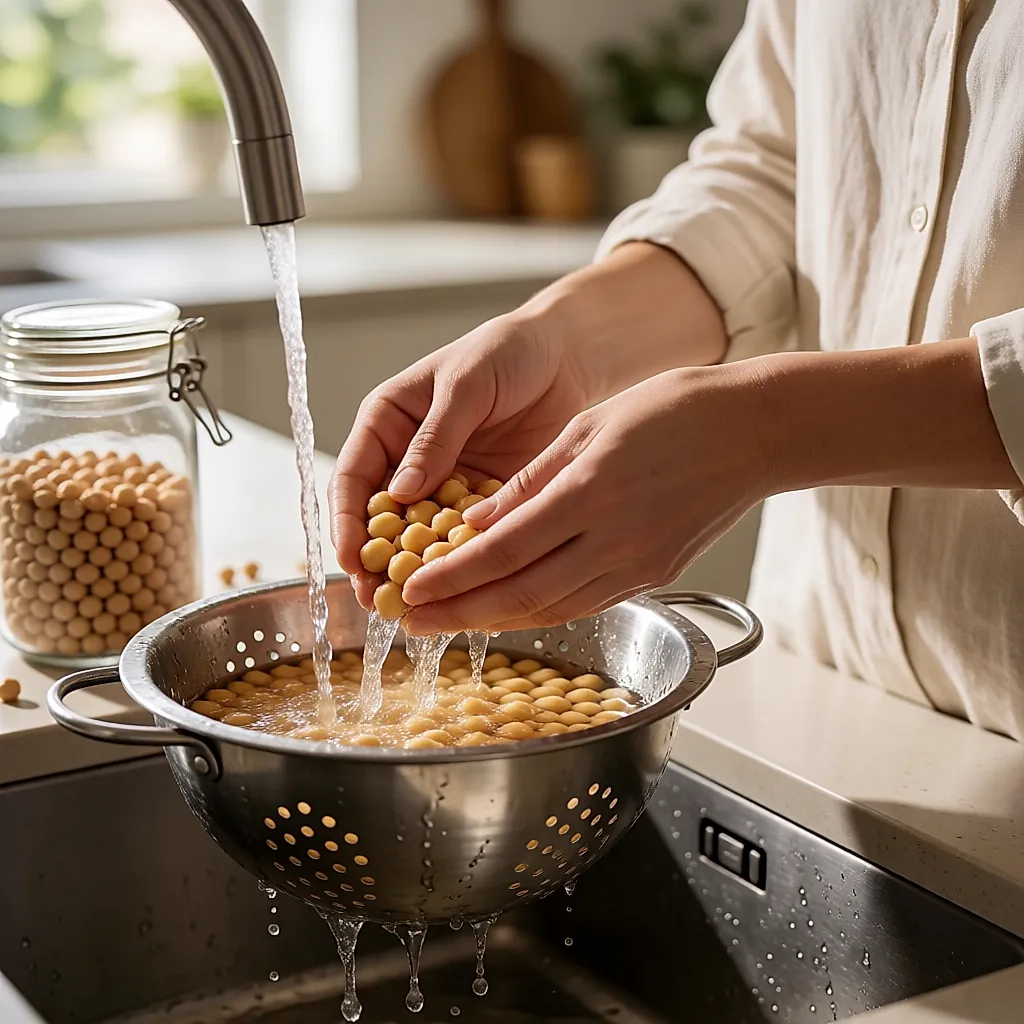
What current evidence suggests: nutritional differences between home-cooked and tinned pulses remain modest, and mostly concern a few water-soluble vitamins, sensitive to both cooking and storage. The real point to watch is salt. Rinsing and draining a tin removes a good deal of the brine: ten seconds, and the debate settles down.
Soaking, or the art of quiet goodbyes
Why soak, anyway? Because pulses contain complex sugars — raffinose, stachyose — that our intestine cannot break down. They reach the colon intact, where bacteria feast on them at our noisy expense. Soaking dissolves some of them, on one condition: throw away the soaking water. Keeping it for cooking is like inviting the same guests back.
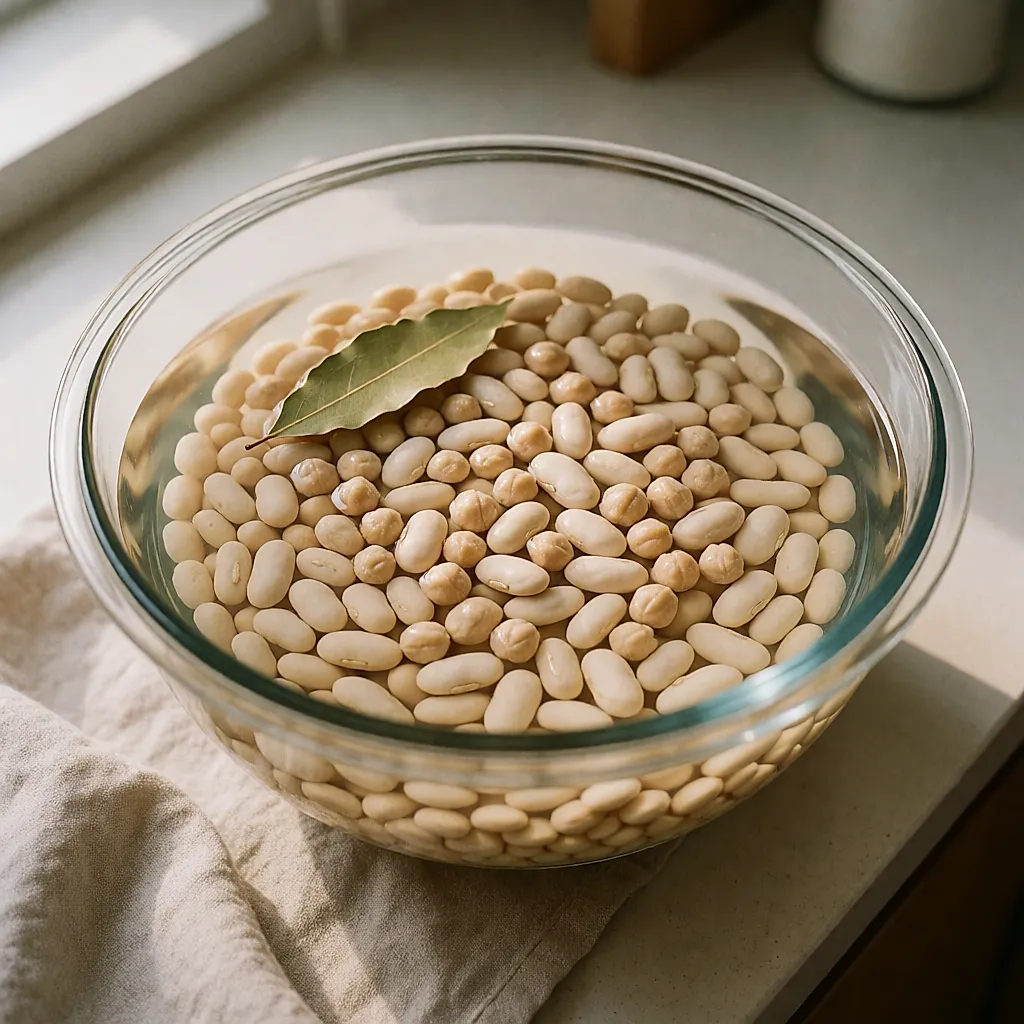
In practice, one night is enough for chickpeas, white and red beans or split peas: allow eight to twelve hours, in plenty of water. Lentils, though, skip this ceremony — green, brown or red, they cook directly. Some people add a pinch of bicarbonate of soda to the soaking water; it is a common practice, without solid evidence. Up to you.
Cooking: water, salt, aromatics
Water first. Plenty of it, and then some: the grains should swim, not crowd the bottom of the pan. Add salt at the end of cooking rather than at the start — that is standard practice, and it avoids over-salting water you cannot taste as you go.
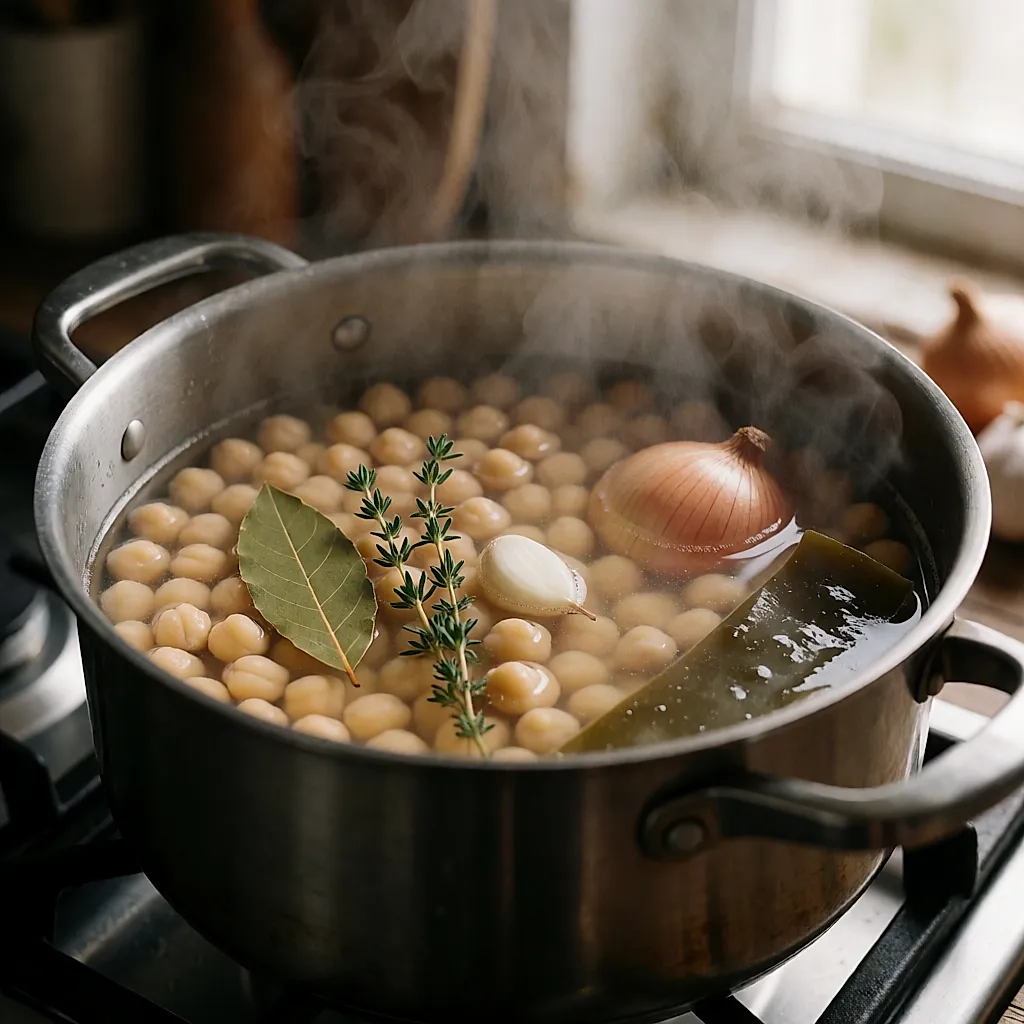
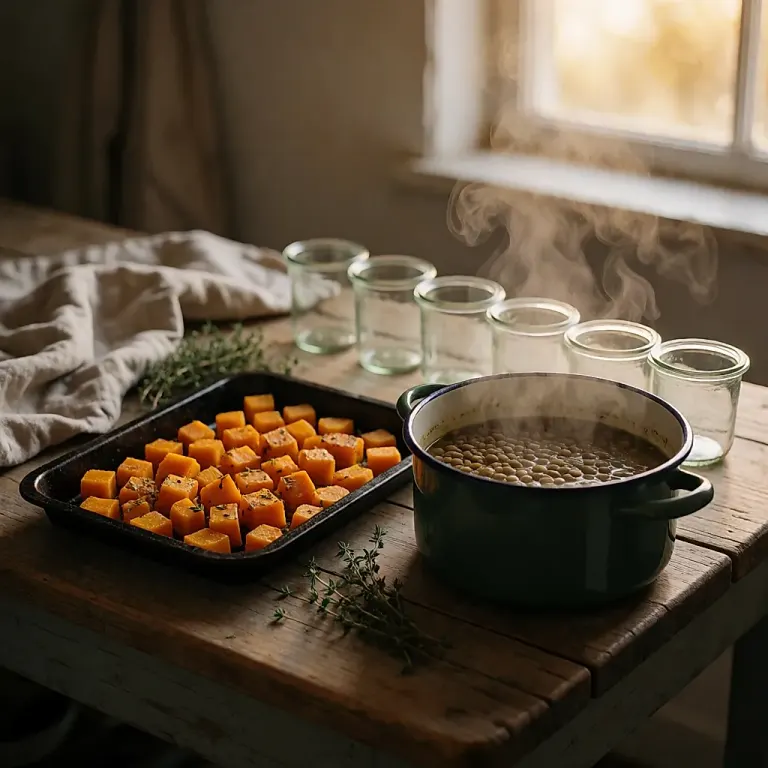
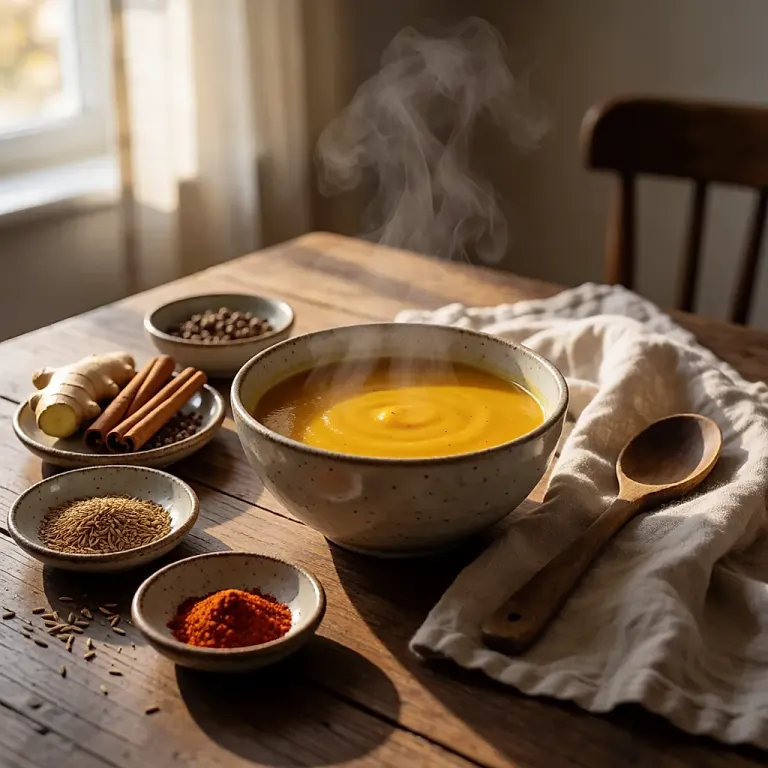
Aromatics then do half the work. A bay leaf, a sprig of thyme, a whole garlic clove, an onion studded with a clove: these old kitchen regulars flavour the water as much as the grain. A piece of kombu seaweed, a Japanese tradition, adds an umami note that gives the dish depth — try it with beans. As for spices often described as digestive — cumin, fennel, aniseed — they belong to a long tradition; no effect can be promised, but they have never ruined a cassoulet.
Digestion can be tamed
Going from zero pulses to a full plate is not a feat to pull off in one evening. Fibre arrives in force, the gut microbiome adapts or protests, and it often has the final word. The practical guide — increase gradually over a few weeks, while drinking water — is better than a heroic leap followed by a difficult night.
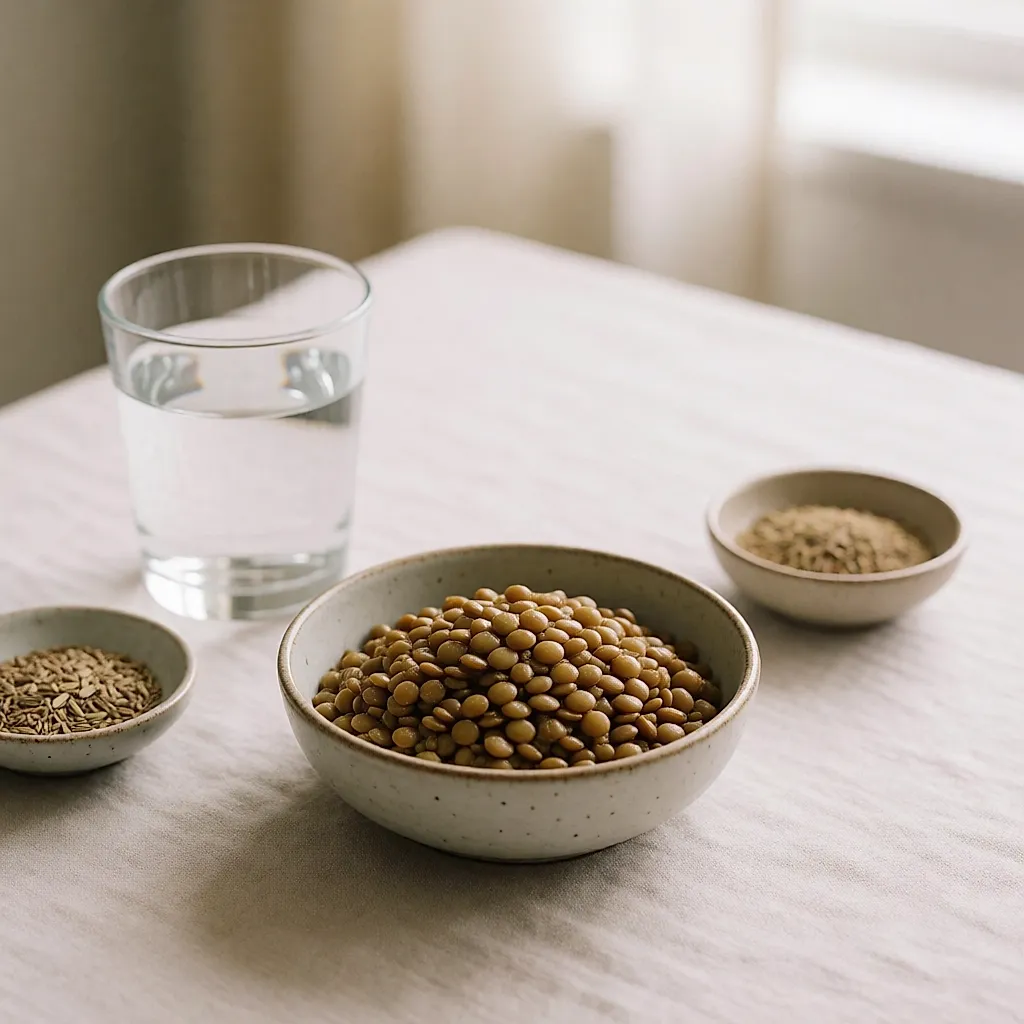
If bloating persists despite a gradual increase, there is no need to force it. Some people, particularly those with irritable bowel syndrome (IBS), tolerate these fermentable sugars poorly: it is neither a whim nor an inevitability. Speak to a healthcare professional — GP or dietitian — who can adjust advice for your situation, rather than cutting out pulses on a hunch.
What it really costs
Dried pulses keep the advantage: expect around £2 to £4 per kilo for lentils or beans in supermarkets, sometimes less from bulk bins if you bring your own container. A jar or large tin yielding about 400g drained pulses tends to cost £1 to £2 depending on brand and retailer — convenience has its price, fair enough.
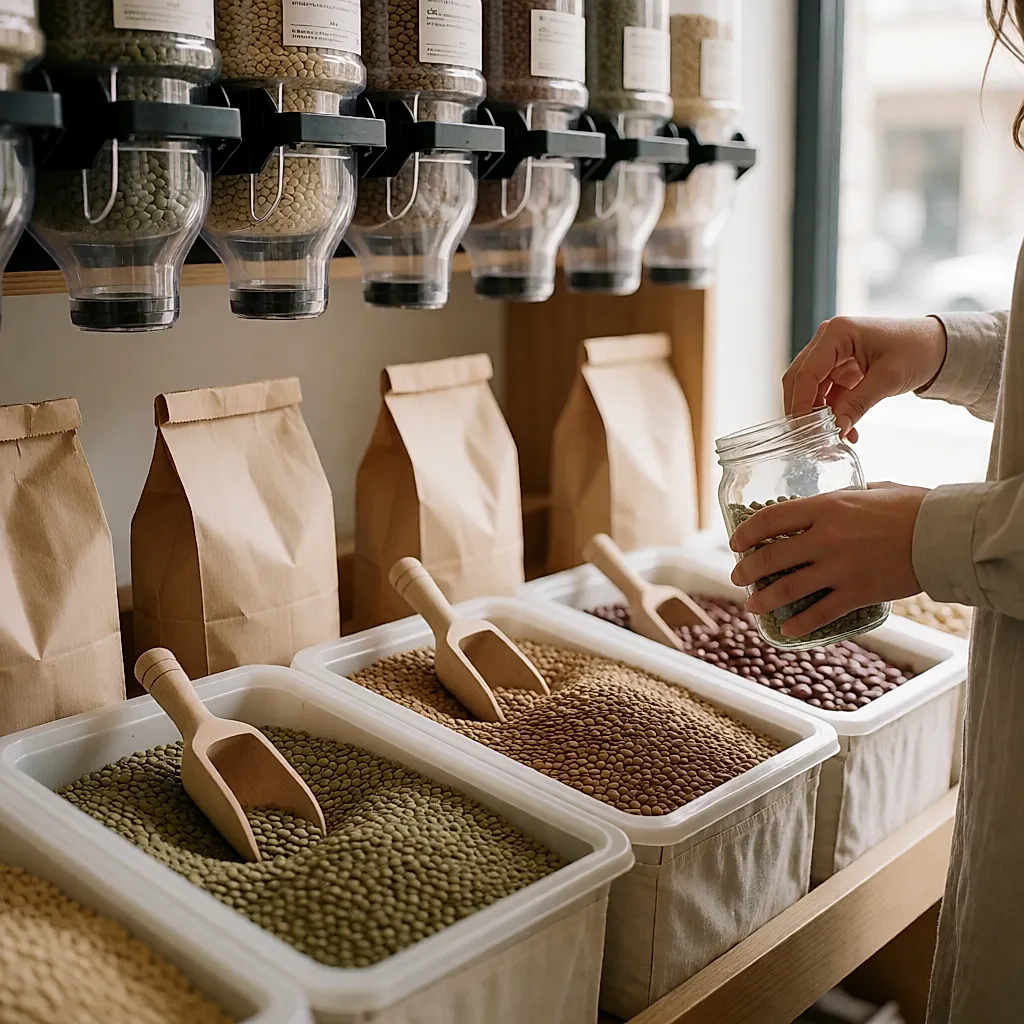
Where to find them? Dried and tinned aisles in supermarkets, bulk sections in health-food shops, local grocers, online shops. Buying loose lets you measure what you want and avoid packaging, provided you check freshness: pulses that are too old cook badly, and no extra cooking time will fix that.
The evening plate that satisfies
Here is the combination that proved itself long before it became fashionable: pulses plus grains. The lysine in lentils and the methionine in rice or wheat complement each other, and together they form a plant protein of good quality. No need to calculate by the gram or combine everything in the same meal: over the day, it adds up.
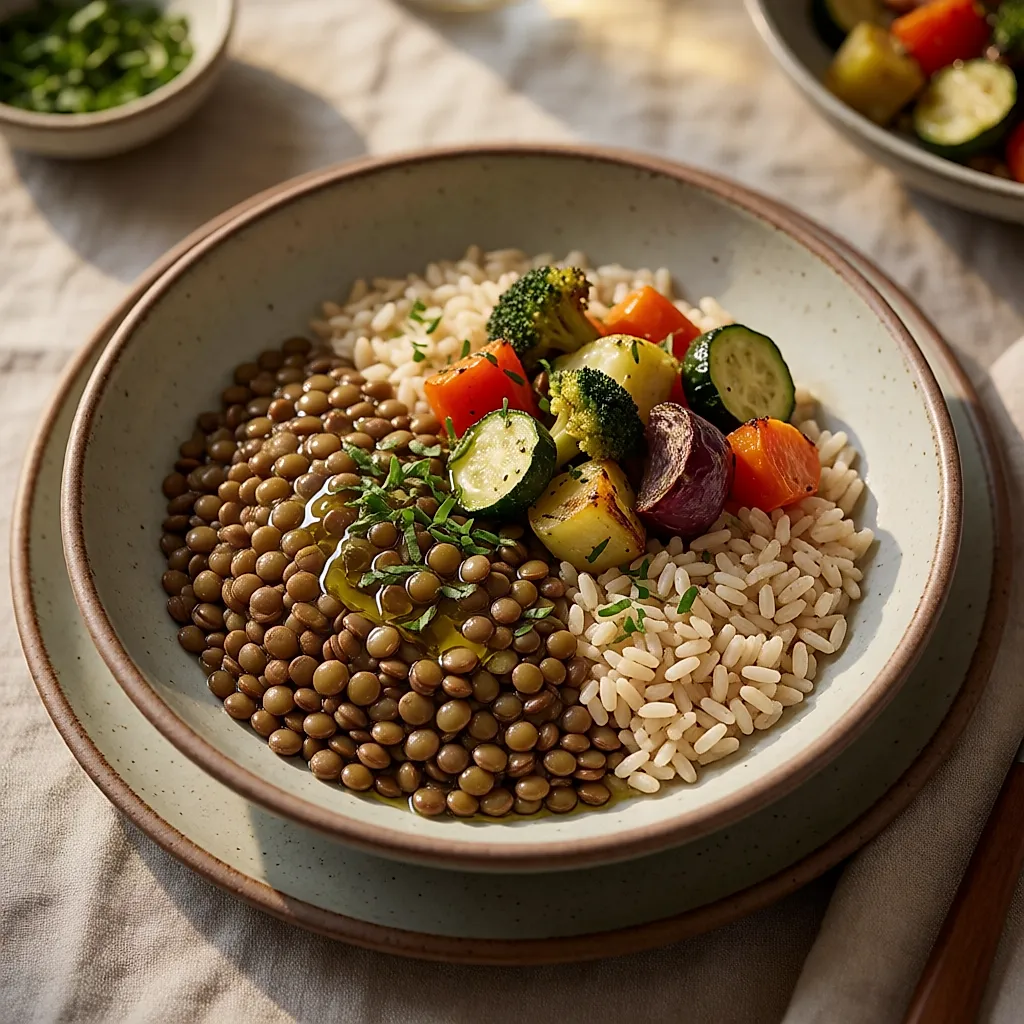
In practice, build generously: one portion of cooked pulses, one portion of wholegrains — couscous, brown rice, bulgur, barley — and the rest vegetables. French dietary guidance recommends pulses at least twice a week, which remains a reasonable target; in the UK, the NHS Eatwell Guide encourages beans and pulses as part of a varied diet. And while they do satisfy for a good while, they will not rescue a plate drowned in cream: it is a question of balance, not virtue.
Then, tonight: a rinsed tin, a forgotten box of lentils at the back of the cupboard, or both? Autumn is long, so you have time to try one version, then the other — and keep the one that leaves you with a settled stomach and the evening ahead of you.
Sources
- NHS — Eatwell Guide
- NHS — Irritable bowel syndrome (IBS)
- British Dietetic Association — Irritable bowel syndrome and diet
- Santé publique France — French national public health agency
- Manger Bouger — French national nutrition and health programme
- ANSES — French Agency for Food, Environmental and Occupational Health & Safety
Food supplements do not replace a varied, balanced diet and a healthy lifestyle.
Comments
Your opinion matters: rate the article, react and reply to comments.
Comments are moderated; AI-assisted comments are flagged. Text emoticons (8-), :-), <3…) are automatically shown as images.