
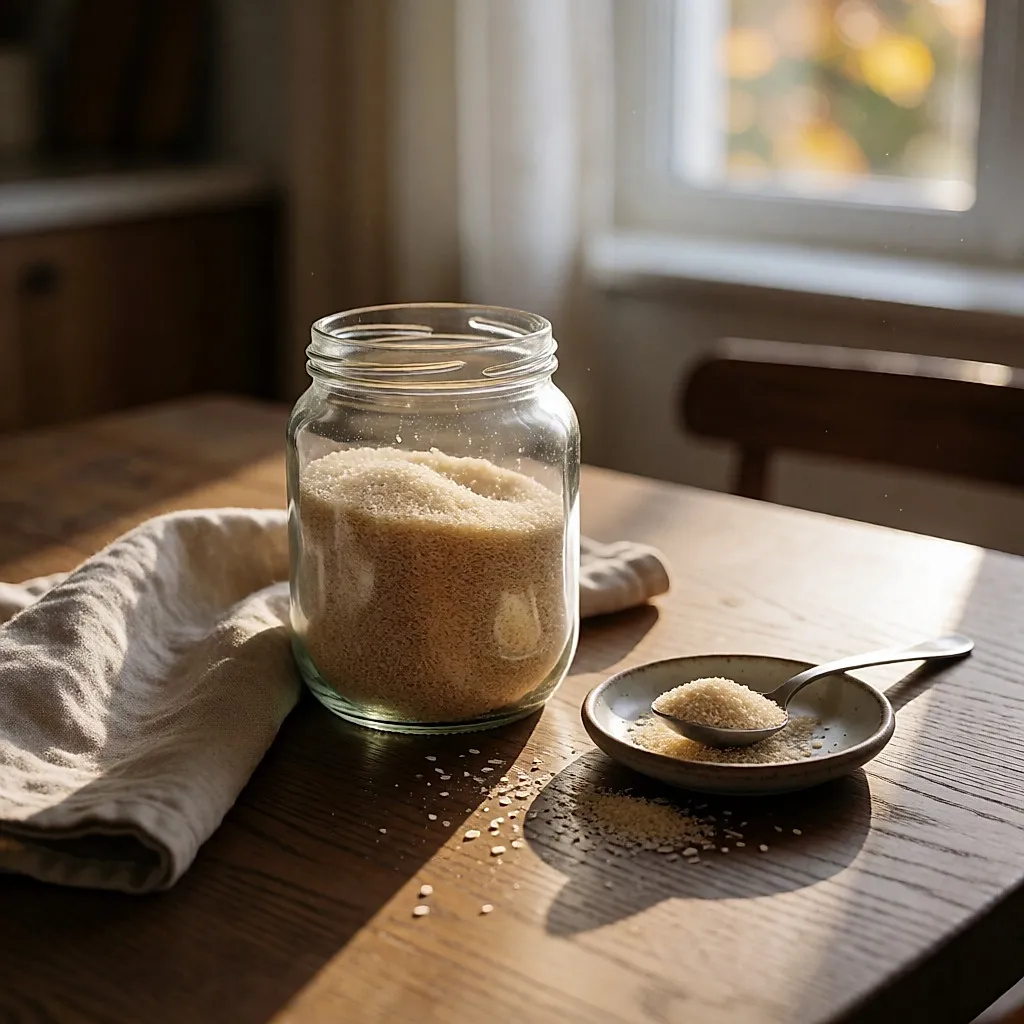
October has a knack for making the days shorter and the dinners longer. You get home in the dark, hunger arrives early, and meals turn more generous — it’s the season of gratins and soups that stick to your ribs. That’s exactly when blond psyllium, stirred into a large glass of water shortly before eating, can become a habit. The catch is knowing what to buy, how to take it, and how much not to expect from it.
The routine: a large glass, just before the meal
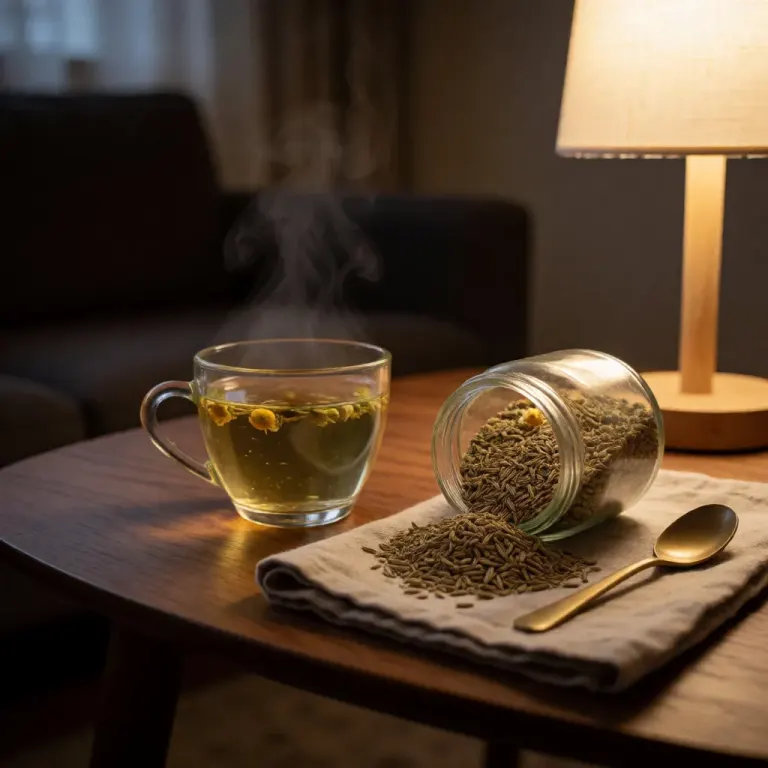
The principle is simple, but it doesn’t tolerate guesswork. Put the amount recommended on the product label into a large glass of water, stir briskly and drink straight away, before the mixture turns into a thick gel. That gel is the mucilage: the husks absorb water and swell, which explains both why it’s useful and why you need to drink plenty alongside it.
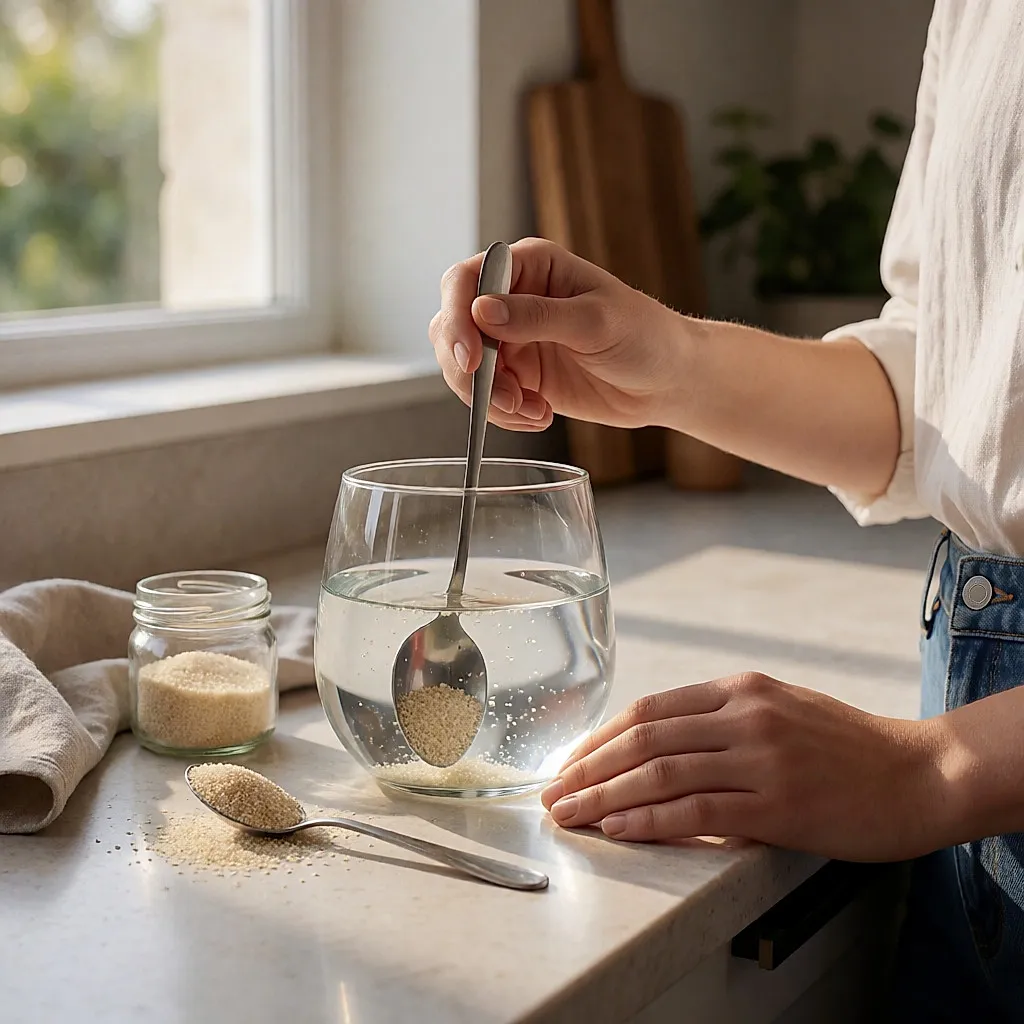
Important: never take it dry, and don’t rely on a few sips of water. Psyllium taken without enough liquid can cause choking or oesophageal obstruction — not just discomfort. Always use a large glass of water.
In practice, many people take it shortly before a meal, without a set interval — just long enough for the gel to form and, for some, a feeling of fullness to settle before you sit down. It’s flexible, too: if you’re eating at 9.30pm with friends, take it just before you sit down; if you’re peckish at 6.30pm on the way home, shift it to suit you. What matters more is hydrating across the whole day — an extra large glass of water in the morning, another in the afternoon — because mucilage works with the water you give it, not against it.
What to expect, without dressing it up
Blond psyllium is a soluble fibre, and that’s the first reason it’s interesting. Current evidence suggests a modest effect on feelings of fullness and, often, more regular bowel movements when your overall fibre intake is adequate — but the evidence remains limited and mixed. Modest is the word: it is not an appetite suppressant, and it won’t decide your portion size for you. The husk of the Plantago ovata seed has, however, been used as a bulk-forming fibre in several traditional pharmacopoeias for a long time, notably in India and the Middle East — a long history of use that doesn’t replace clinical trials but is worth knowing about.
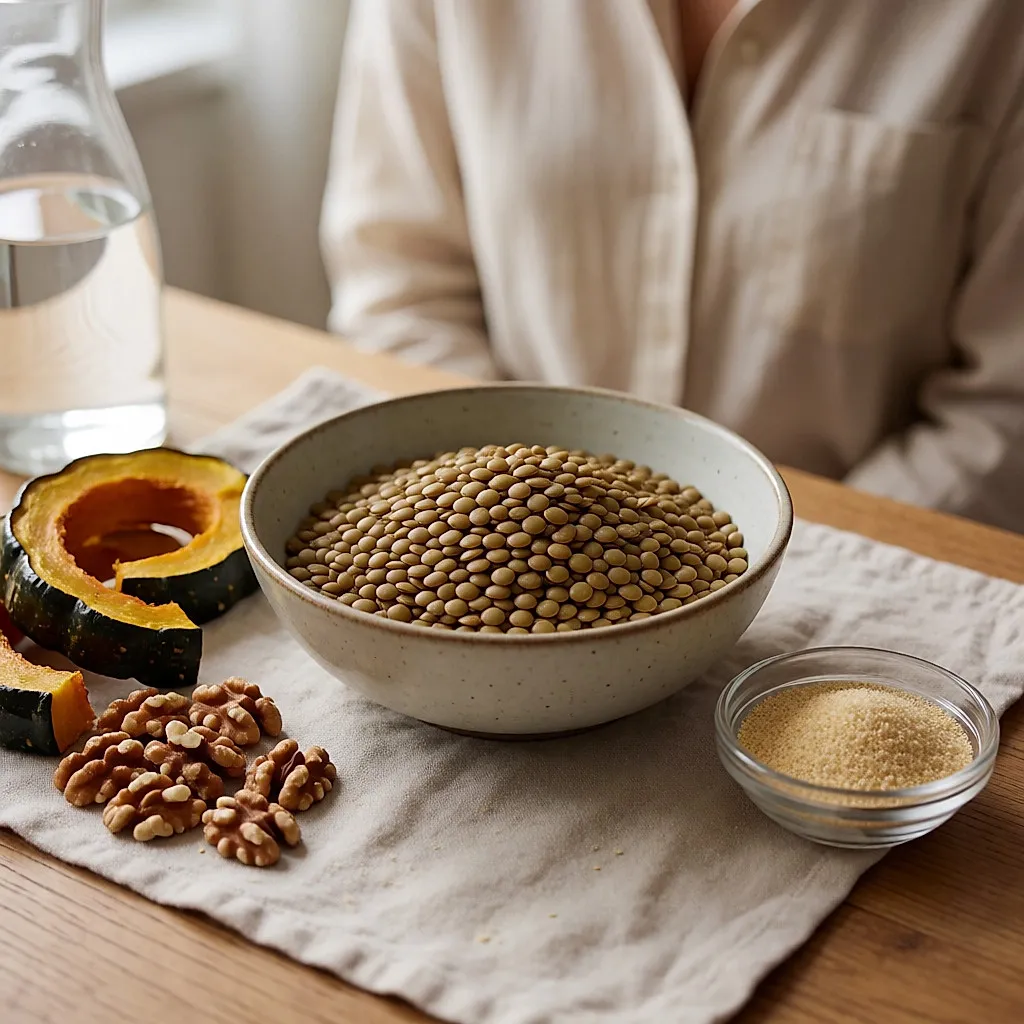
Second, keep the bigger picture in mind: public health guidance generally puts adult fibre needs at around 25–30g a day, and in the UK the NHS advises aiming for 30g. Many of us fall well short. Psyllium adds fibre — useful, but marginal across the day. It complements a bowl of pulses, a handful of nuts, a portion of roasted vegetables; it doesn’t replace them. And it won’t make you lose weight on its own. If autumn meals are richer, it’s the balance of the week that counts, not the evening potion.
Choosing it: label, format, freshness
In the shop, the first thing to check isn’t the price but the label. Look for organic certification (in the UK, the Soil Association or an equivalent scheme), a clear origin, a printed batch or harvest date, and an ingredient list with one line: psyllium, nothing else. Claims such as “no additives, no flavouring” aren’t just decoration — this is sold as a plain product, and a flavoured or sweetened version adds nothing to the routine. The Latin name, Plantago ovata, is a good sign of a reputable supplier.
Then there’s the form. Husks (the seed coats) take on water very quickly and give a firm, thicker gel; whole seeds, slightly more sandy in the mouth, are closer to bran. It’s mostly a question of texture — and digestive tolerance.
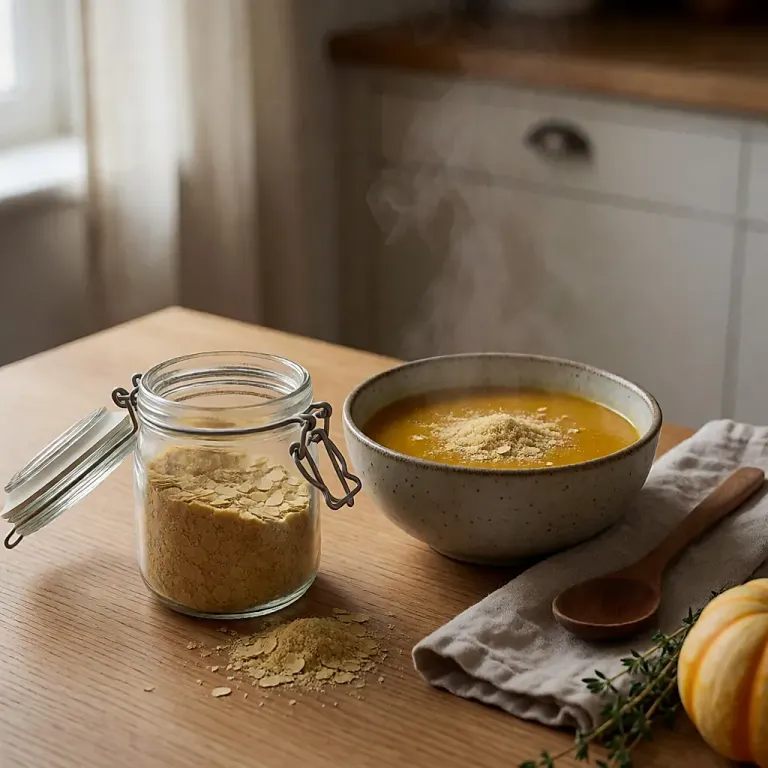
On packaging, there are two schools. Buying loose, from a health food shop or specialist, lets you buy only what fits in a jar, often using your own container, and cuts down on bags. A resealable glass jar has the advantage of better storage: psyllium is hygroscopic, meaning it attracts moisture, and once opened it likes both dryness and darkness. Whichever you choose, check the turnover of the bin or the batch date — powder that smells dusty or has formed clumps has probably been exposed to air.
Psyllium needs water — plenty of it. Start gently and follow the product instructions, increasing only according to your tolerance; drink regularly throughout the day. Temporary bloating or a feeling of heaviness are the usual signs that you’ve ramped up too quickly. Slow down, hydrate, and if the discomfort persists, speak to a healthcare professional.
Budget
Expect to pay around £13–£26 per kilo when bought loose, roughly £3.25–£6.50 per 250g, and more like £7–£17 per 250g in a glass jar, or £27–£68/kg, depending on brand and where you buy. The gap comes down to several things: with a glass jar, you’re also paying for the container and packaging; online grocery orders carry delivery costs that hit small volumes hardest. Supermarkets and own-brand ranges tend to sit lower, specialist organic brands higher — though quality isn’t automatically proportional to price.
Where to find it in practice? The bulk aisles of health food shops, delicatessens, supplement shops, and for the glass jar, larger retailers as well as specialist websites. How long a jar lasts depends mainly on the density of the product and the amount you use — which puts the price gap between two options into perspective.
The precautions you don’t skip
A fibre that swells deserves some respect. If you’re taking medication, fibre can affect how some medicines are absorbed: take psyllium at a different time from your medication, and ask your GP or pharmacist rather than deciding for yourself. If you have a swallowing disorder, a history of digestive narrowing, are pregnant or are considering it for a child, get professional advice before starting — this isn’t a box-ticking precaution, it’s a safety matter.
And if weight loss is the stated goal, let’s be clear: psyllium is neither a fat burner nor a promise. It’s one satiety tool among others, alongside a plate that remains mostly vegetables, pulses and wholegrains. If bloating sets in or discomfort persists, stop and speak to a healthcare professional: ongoing discomfort isn’t a detail to put up with on your own.
In short, blond psyllium won’t turn your October evenings into a strict regime. Its role is modest: it may gently take the edge off pre-dinner hunger — provided you follow the label, keep the glass large, and your water intake up all day. Start with a small glass jar, try the texture over a week or two, and see whether the routine suits you. That’s the only verdict that matters.
Sources
Food supplements do not replace a varied, balanced diet and a healthy lifestyle.
Comments
Your opinion matters: rate the article, react and reply to comments.
Comments are moderated; AI-assisted comments are flagged. Text emoticons (8-), :-), <3…) are automatically shown as images.