

Three laps of the baby aisle and still nothing decided? Between the pastel packaging and the vaguely green promises, it is hard to know what you are actually buying. So why not look at the smaller family-run operations? Calinelle is exactly that: a small local distributor betting on organic and reusable kit for babies rather than throwaway everything. According to the brand, a family tests every single product on its own children first — which guarantees nothing, but at least makes a change from the usual marketing talk.
Materials that are chosen, not just certified
No dreams sold in pretty packaging here. The range favours organic cotton and certified textiles, with fabrics that hold their shape and drape after dozens of washes — which, in a baby's wardrobe, counts for more than any sales pitch. The pieces stay simple: organic cotton comforters, soft leather slippers cut to follow the foot as it forms, baby carriers woven densely but still draping softly over the shoulder.
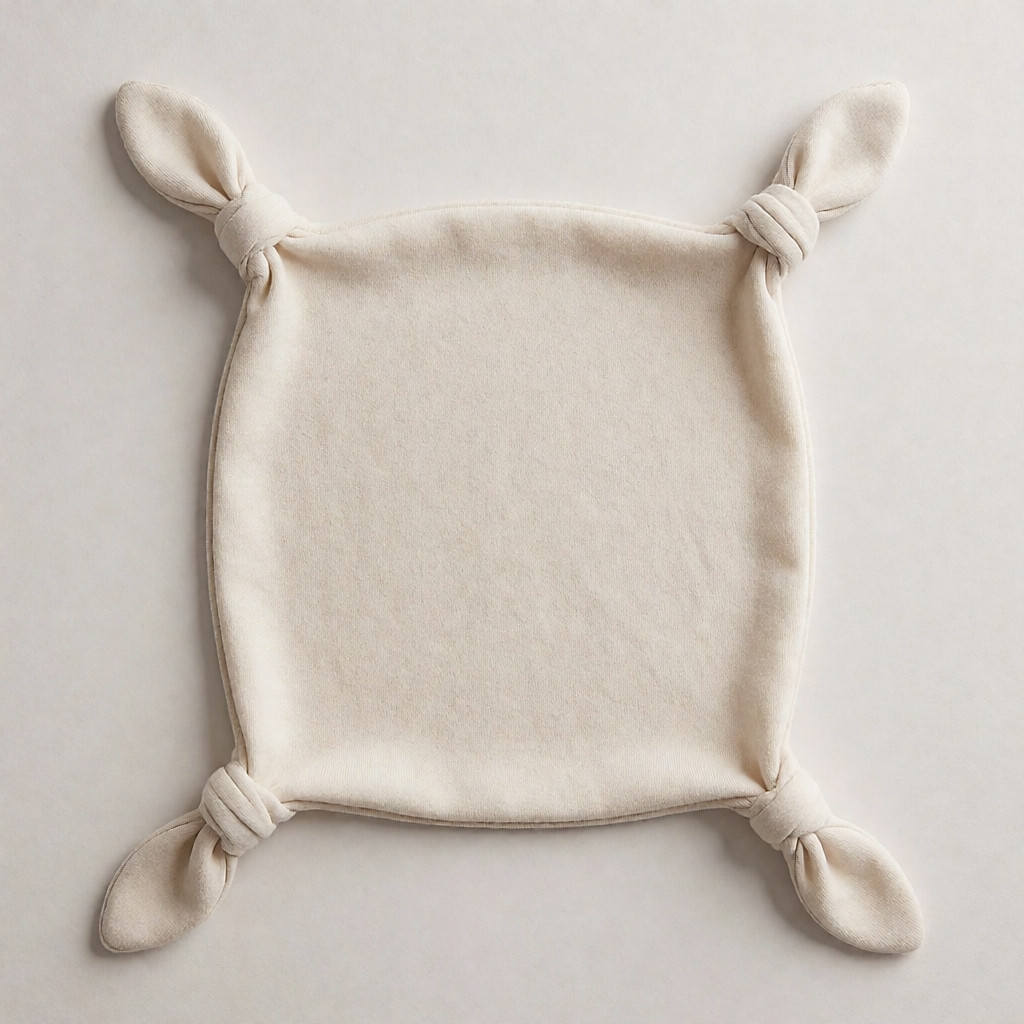
Two labels come up again and again, and they are worth a second look. GOTS covers organic cotton from fibre to finished product, with environmental and social criteria at every stage. Ecocert, meanwhile, certifies cosmetics and textiles made from natural materials. Before you fall for a logo, always ask what it actually covers: some labels apply to a single stage of production rather than the whole chain.
The sensible check before you buy: look at what it is made of, where it was made and what happens to it at the end of its life. An organic cotton comforter that goes in the bin after six months is not a good buy. A piece that can be washed, mended and survives the laundry pile — that is an investment.
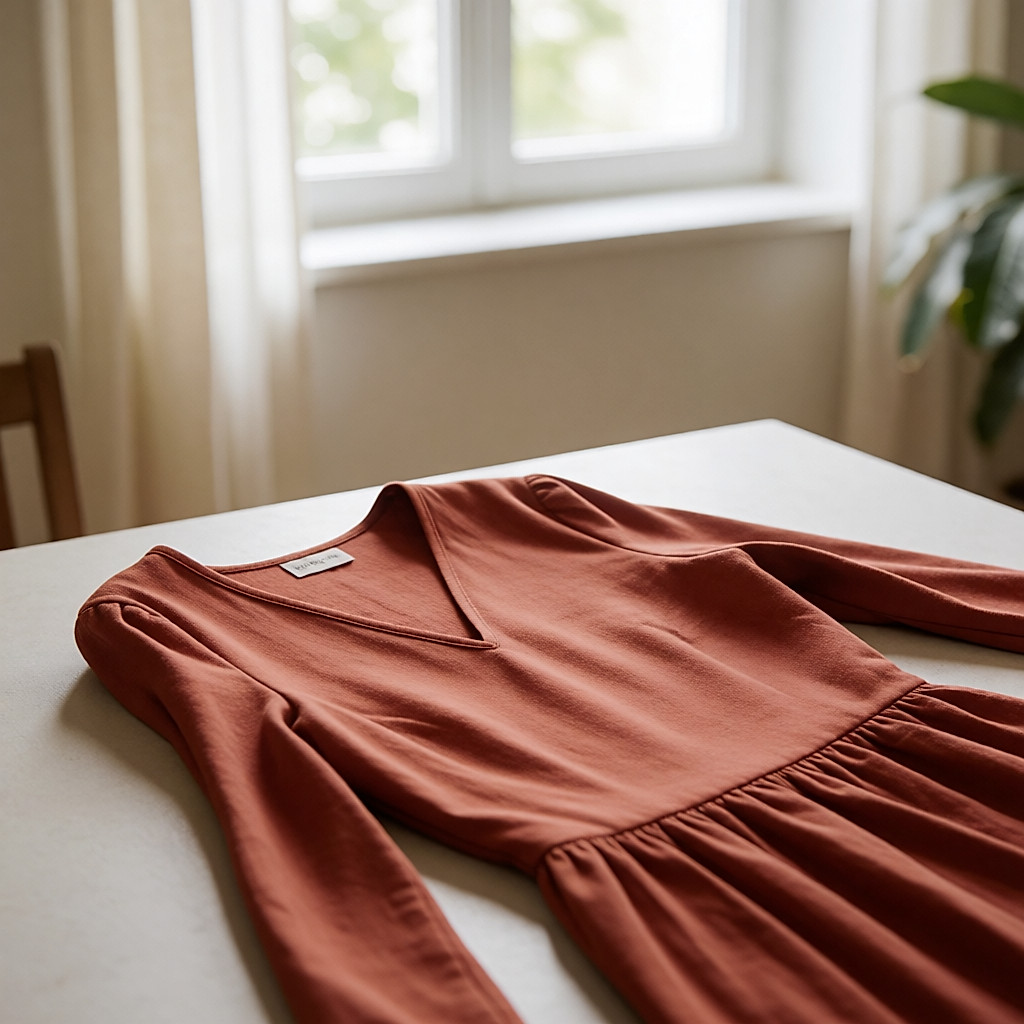
Carrying, cloth nappies and the daily routine
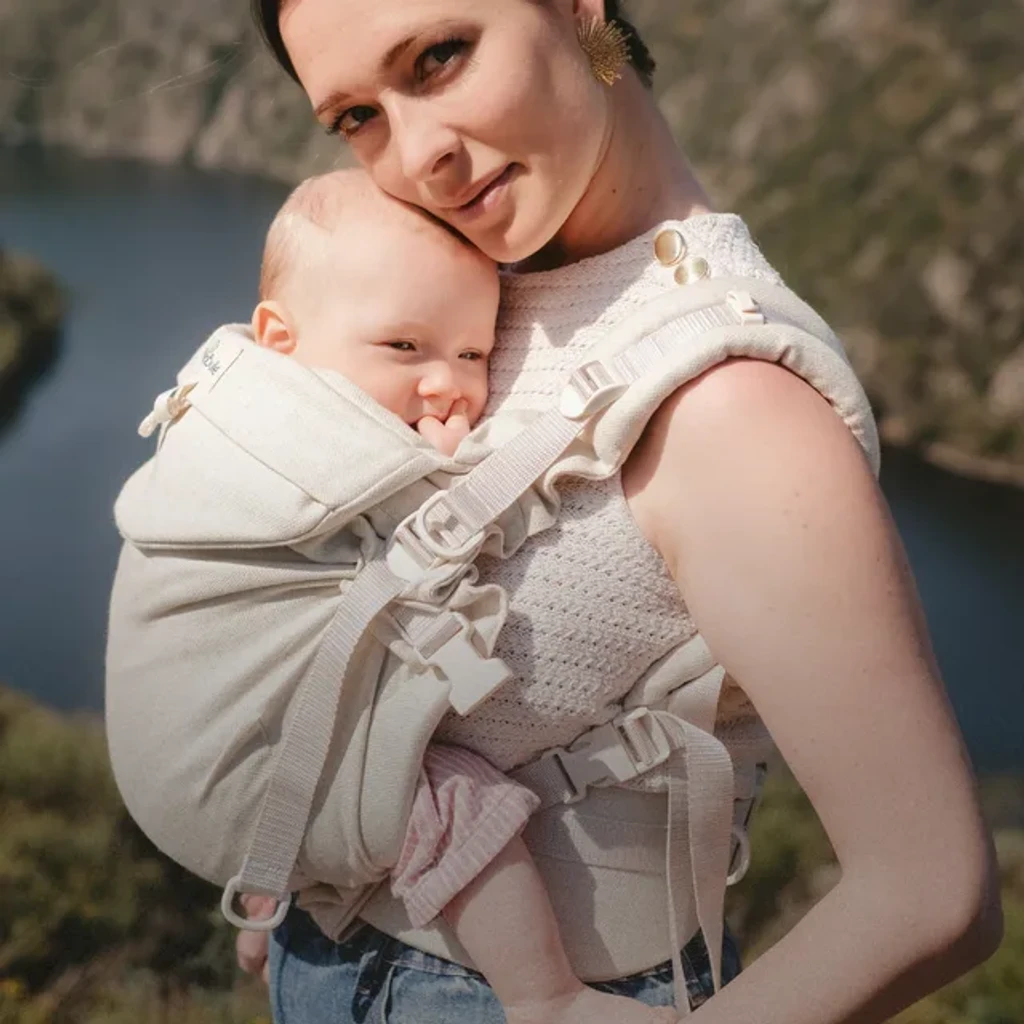
A baby carrier is one of those purchases where the fabric and the cut change everything. A well-adjusted sling or structured carrier spreads the weight across your back and hips, for you as much as for the baby. In practice it is worth trying several before you buy: your body shape matters as much as the texture, and a badly adjusted carry ends up pulling on your shoulders.
Cloth nappies take a bit of getting used to, but they take a serious amount out of the bin. A low-temperature machine wash and air-drying usually do the job. What makes them credible is not the green promise: it is the quality of the stitching and the elastic, which decides how long they really last.
For parents: reusable hygiene
Calinelle also stocks a medical-grade silicone menstrual cup, to be rinsed and sterilised between cycles. It is a knack you pick up over a quiet cycle, not the night before a long journey. How long it lasts depends on how you look after it and on the brand's own guidance: better to follow the instructions than to believe the big numbers.

What it costs
- Cloth nappies: roughly £10–25 each; allow around £130–350 for a starter set that keeps the wash rotation going.
- Baby carrier, sling or structured carrier: roughly £25–130 depending on fabric, cut and size.
- Menstrual cup: roughly £13–30.
- Comforter or slippers in a natural material: roughly £13–45.
The differences come down to brand, size and where you buy: a specialist independent, the brand's own website, a local market, sometimes online. A premium piece costs more, but often lasts longer — provided you look after the material.
Sources
- GOTS (Global Organic Textile Standard) — global-standard.org
- Ecocert — ecocert.com
- ADEME, France's agency for the ecological transition — ademe.fr



Comments
Your opinion matters: rate the article, react and reply to comments.
Comments are moderated; AI-assisted comments are flagged. Text emoticons (8-), :-), <3…) are automatically shown as images.