

Walnuts
Walnuts are a source of essential fatty acids, including omega-3. They also contain vitamin E and B vitamins, which the nervous system needs to work properly. Copper and zinc are in there too.

Hazelnuts
Hazelnuts are an oil-rich nut high in unsaturated fats. They supply vitamin E, an antioxidant, along with B vitamins. Their make-up also includes copper, iron, magnesium and phosphorus.

Cashews
The cashew is the seed of the cashew tree, a tropical species; the tree's fruit is the cashew apple. The tree grows in South America, Africa and Asia. Cashews supply potassium, phosphorus, zinc, B vitamins and vitamin E.

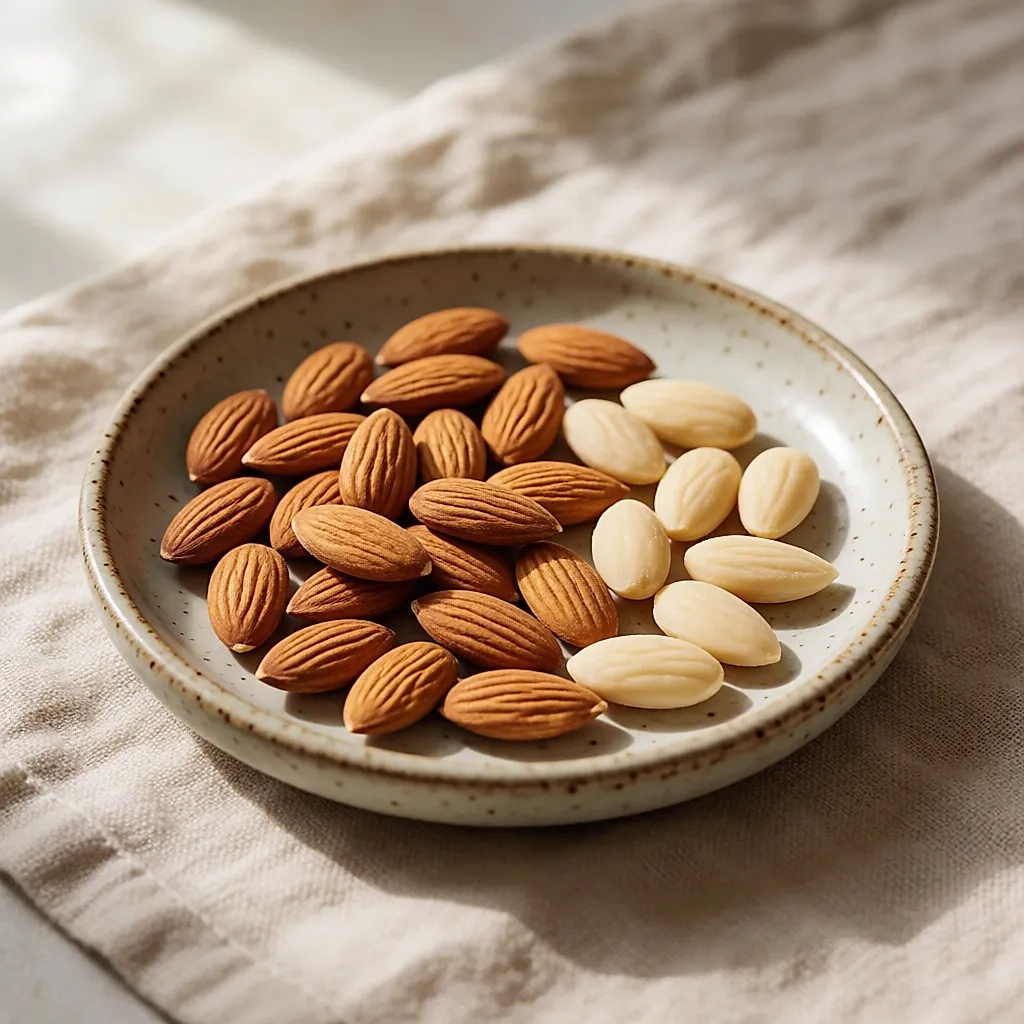
Almonds
Almonds are one of several plant sources of calcium. They also provide plant protein, best slotted into a varied diet. They have a reputation for sharpening the mind and boosting fertility. Put plainly, nothing supports that, and they are better treated as a decent snack than as a remedy.
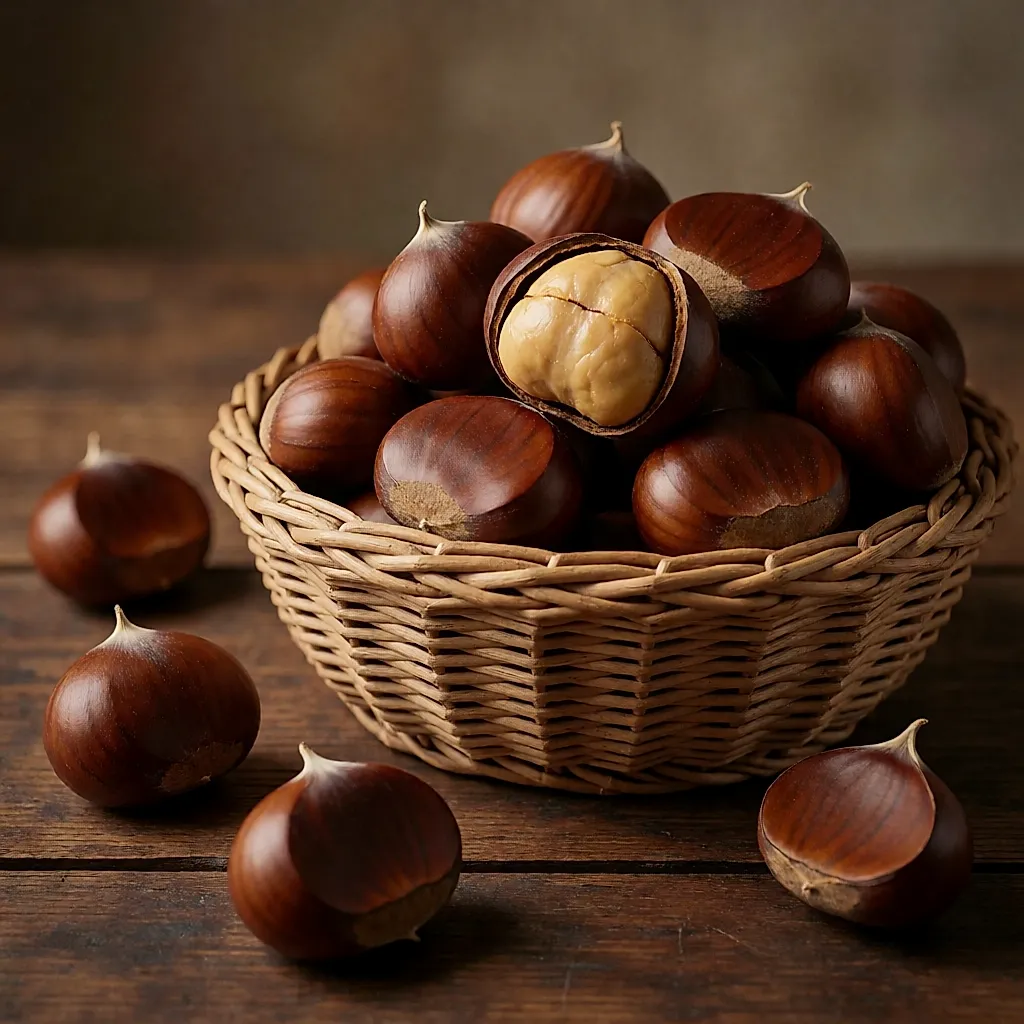
Chestnuts
Chestnuts supply potassium and complex carbohydrates, which are of interest for rebuilding energy stores after exercise. They also contain manganese, which plays a part in the body's fight against free radicals, plus copper. One caution, though: the chestnut is a nut, but unlike most nuts it is rich in starch and low in fat.
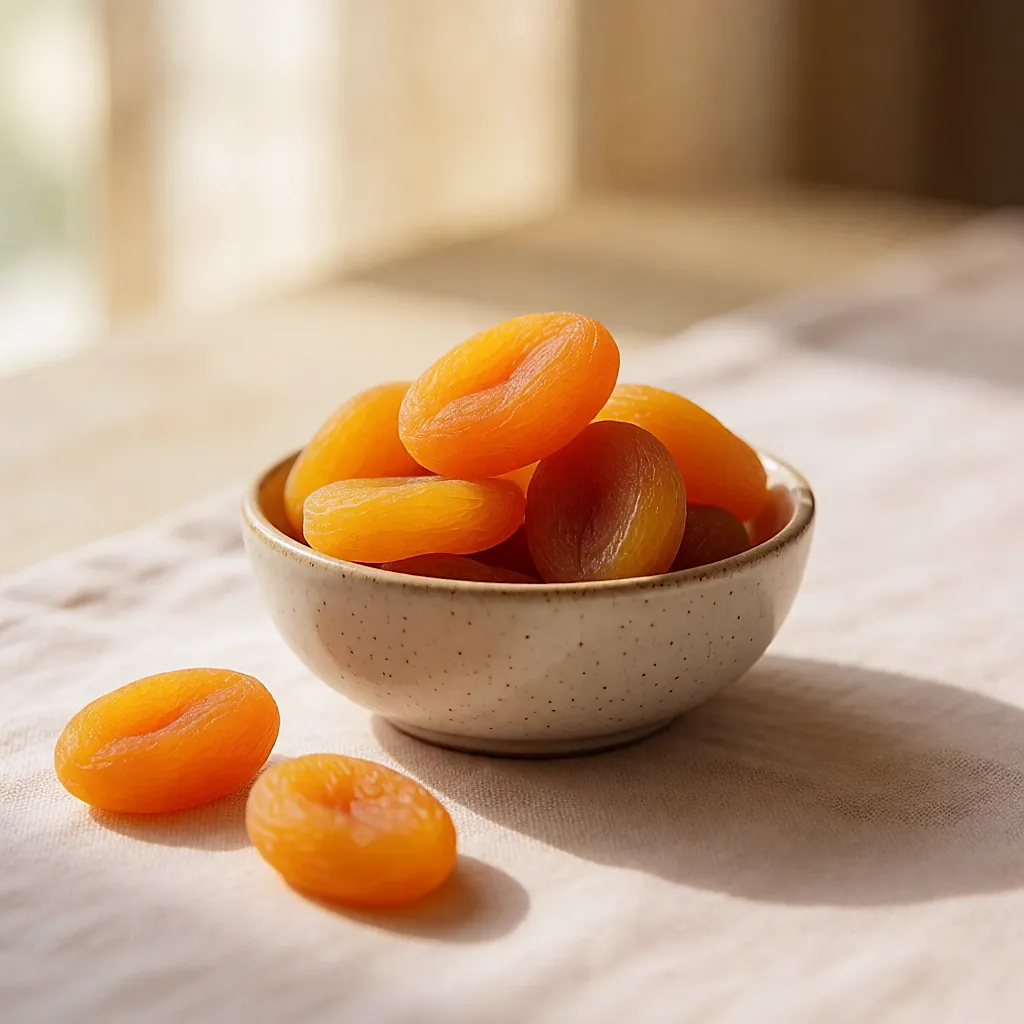
Dried apricots
Dried apricots are a source of beta-carotene, which the body converts into vitamin A and which contributes to the maintenance of normal vision; they also provide antioxidants. They are high in potassium and supply iron and carbohydrate, making them a handy snack after sustained exercise. They have also been used traditionally for anaemia and asthma. Again, this is traditional use: the available evidence does not support presenting them as a treatment.
Nuts and dried fruit remain a practical source of energy: concentrated nutrients, useful for keeping pace all year round. They are often missing from our diets because of their calorie load, yet they can help fill gaps in vitamins and minerals such as phosphorus and potassium. They bring antioxidants as well.
One last point that matters, depending on what you are after: this covers nuts and dried fruit, two quite separate aisles. Nuts are naturally rich in good fats; dried fruit is mostly concentrated sugar, and a mixed bag often blurs the picture. To buy well, head for the loose bins or the plain bags: no added salt, no coating, no added oil. You pick the exact amount you want, which suits both your wallet and food waste. One warning, though: for people with a nut allergy, walnuts, hazelnuts, almonds and cashews are among the allergens that must be declared on packaging. In practice, if you are snacking on them every day, it is worth asking a GP or dietitian before it becomes a habit.

Budget
In the UK, expect to pay roughly £2–4 per 100 g for raw nuts from loose bins, against £4–7 per 100 g for pre-packed bags, which usually work out dearer per kilo. Dried fruit (apricots, dates, figs) tends to be cheaper, around £2–4 per 250 g depending on where it comes from. Prices rise quickly once a coating, a flavouring or individual packaging is added.



Comments
Your opinion matters: rate the article, react and reply to comments.
Comments are moderated; AI-assisted comments are flagged. Text emoticons (8-), :-), <3…) are automatically shown as images.