
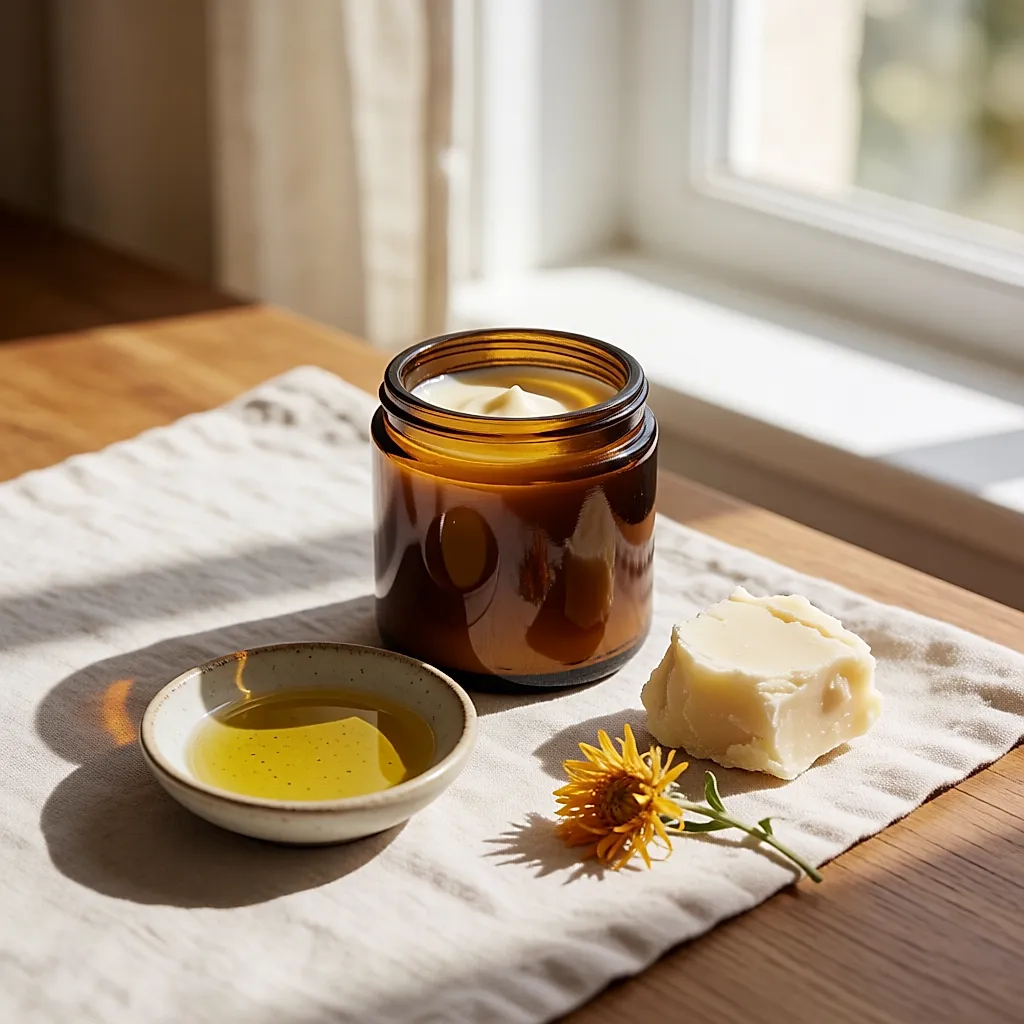
Have you ever turned a tube over, squinted at the INCI list and wondered what was actually hiding in there? Me too. But a closer look at ingredient lists — and a little caution around sensitive skin — can change the way you shop. No, organic isn't perfect. No, 'natural' doesn't mean gentle. But on ten specific points, natural and organic creams hold up where others fall short. Here they are, without the sugar-coating.
1. You know what you're putting on your skin
The ingredient list lets you check what's actually in the formula. You can see at a glance whether the shea butter plastered across the packaging actually appears in the product. One caveat: a short list doesn't guarantee efficacy. A badly formulated natural cream is still badly formulated. But at least you can compare two bottles without needing an interpreter.
2. Fewer ingredients, fewer reactions
Some synthetic fragrances, preservatives and colourants are common cosmetic allergens. Organic formulas reduce the number of them, but don't remove them entirely — some compounds in citrus or lavender essential oils can be allergenic too. If your skin goes red, tight or stings, a short ingredient list helps you spot the culprit, then avoid it across the rest of your bathroom shelf.
3. Actives that actually do something
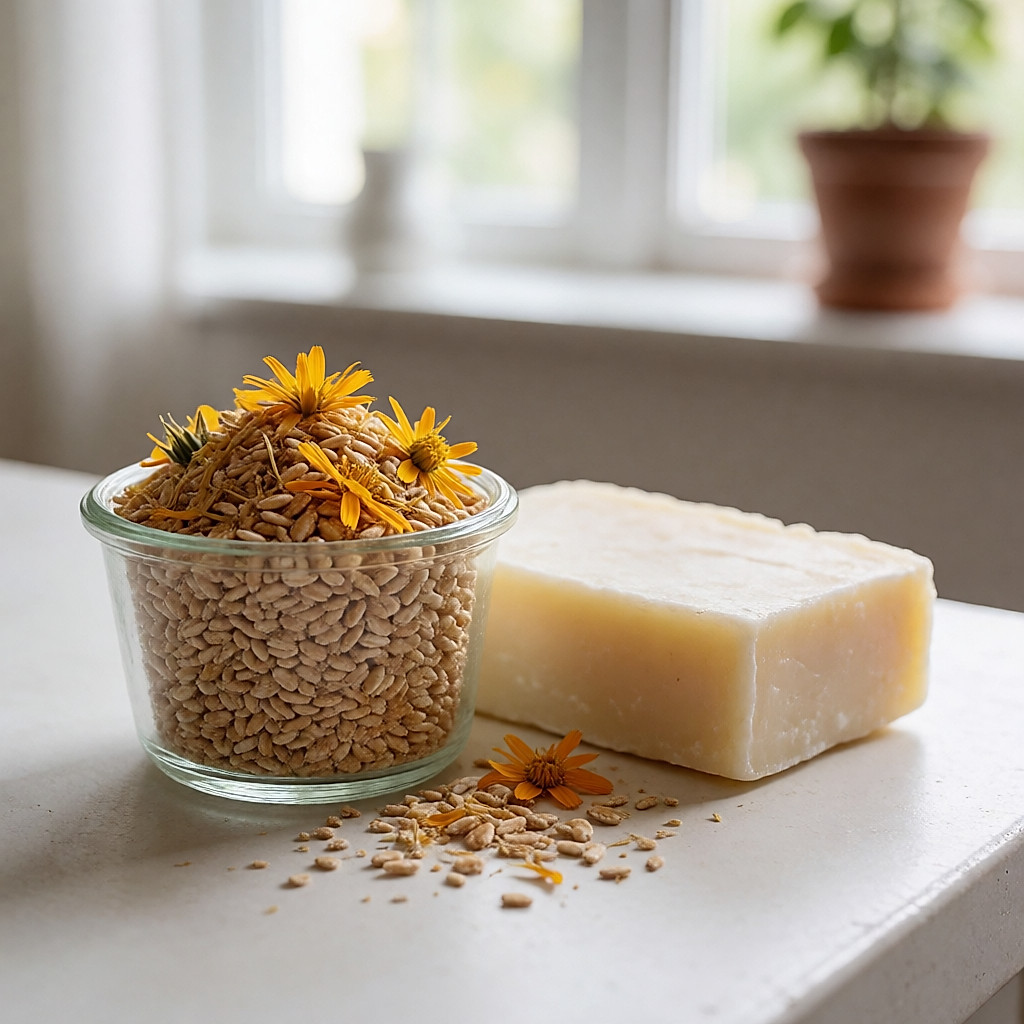
In good natural formulas, the base is built on cold-pressed oils, butters and floral waters. Not on texture enhancers that flatter the eye as you spread them. The trick? Look at the first ingredient. If water comes first, followed by a silicone, the star plant on the packaging often slips into the background. That doesn't make it a bad product; it's simply a different promise — lighter, less nourishing.
4. No animal testing, with one caveat
In the EU, rules aim to end the sale of cosmetics tested on animals and to encourage alternative methods to validate new ingredients. The limit is that this framework governs the European market, not what may be tested for other markets. If this matters to you, a label such as Leaping Bunny, or a 'vegan' claim, can help you narrow things down — remembering that 'vegan' refers to the formula, not to testing.
5. A budget that goes further
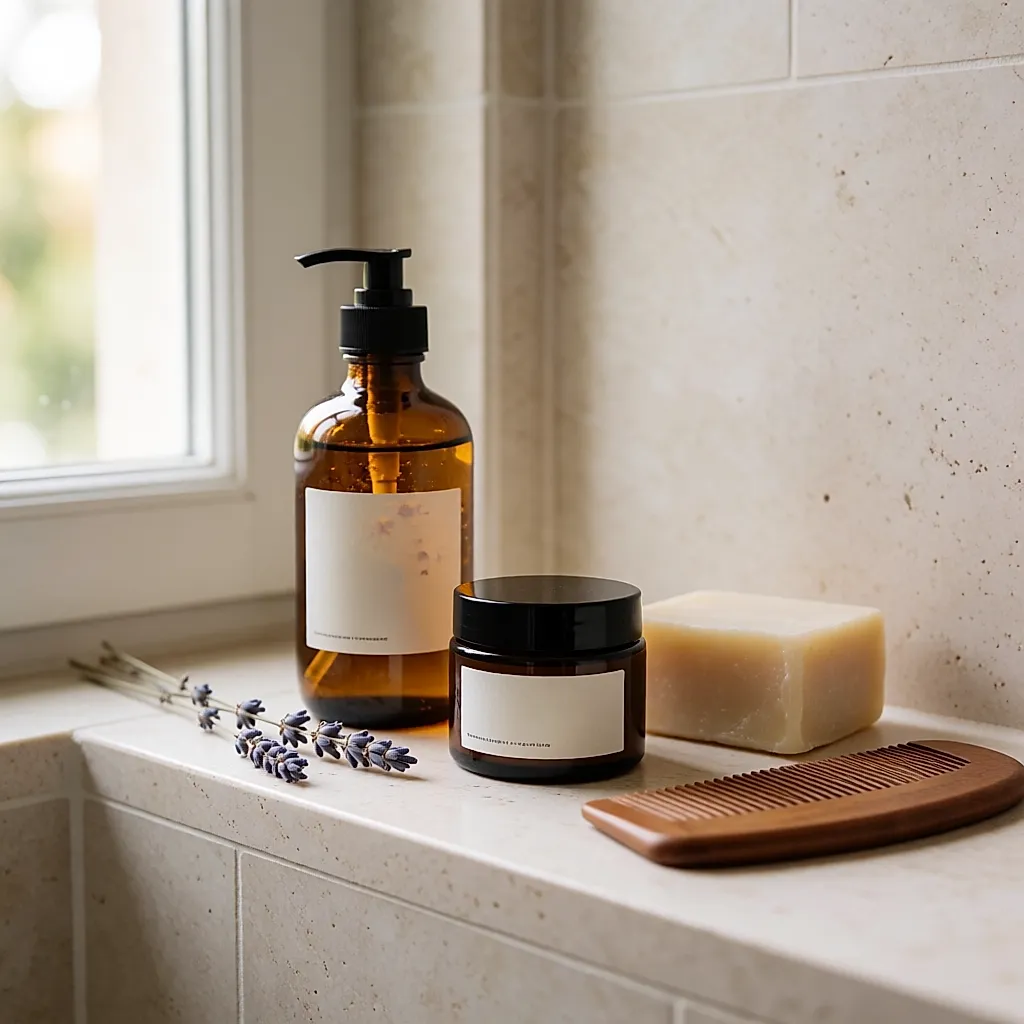
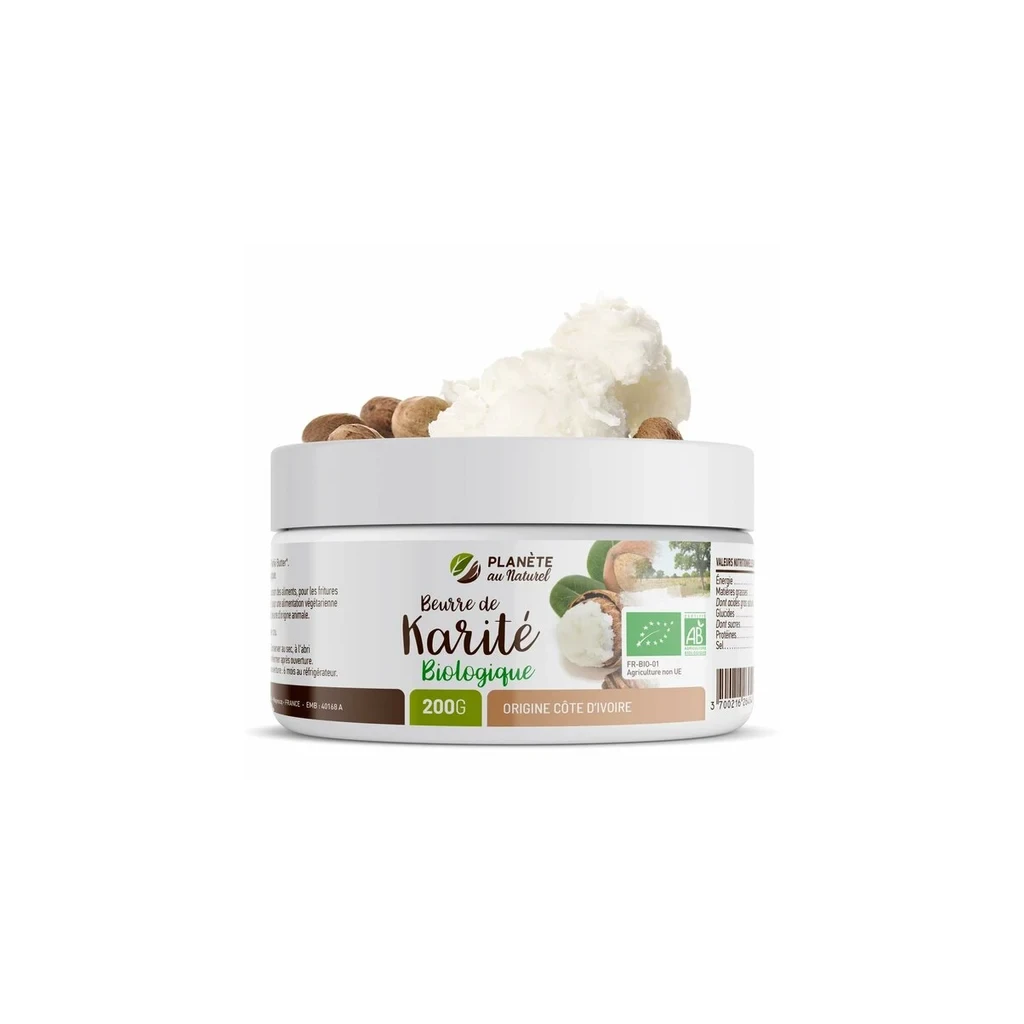
On price, it depends on the brand and format, but the savings mostly come from multi-use. Raw shea butter, jojoba oil and floral water can cover face, body, hands and lips. In practice, many people use a small amount for the whole face. Three simple products replace a whole shelf — and a 100 ml jar can last a good while.
6. Textures that fit your skin, not the other way round
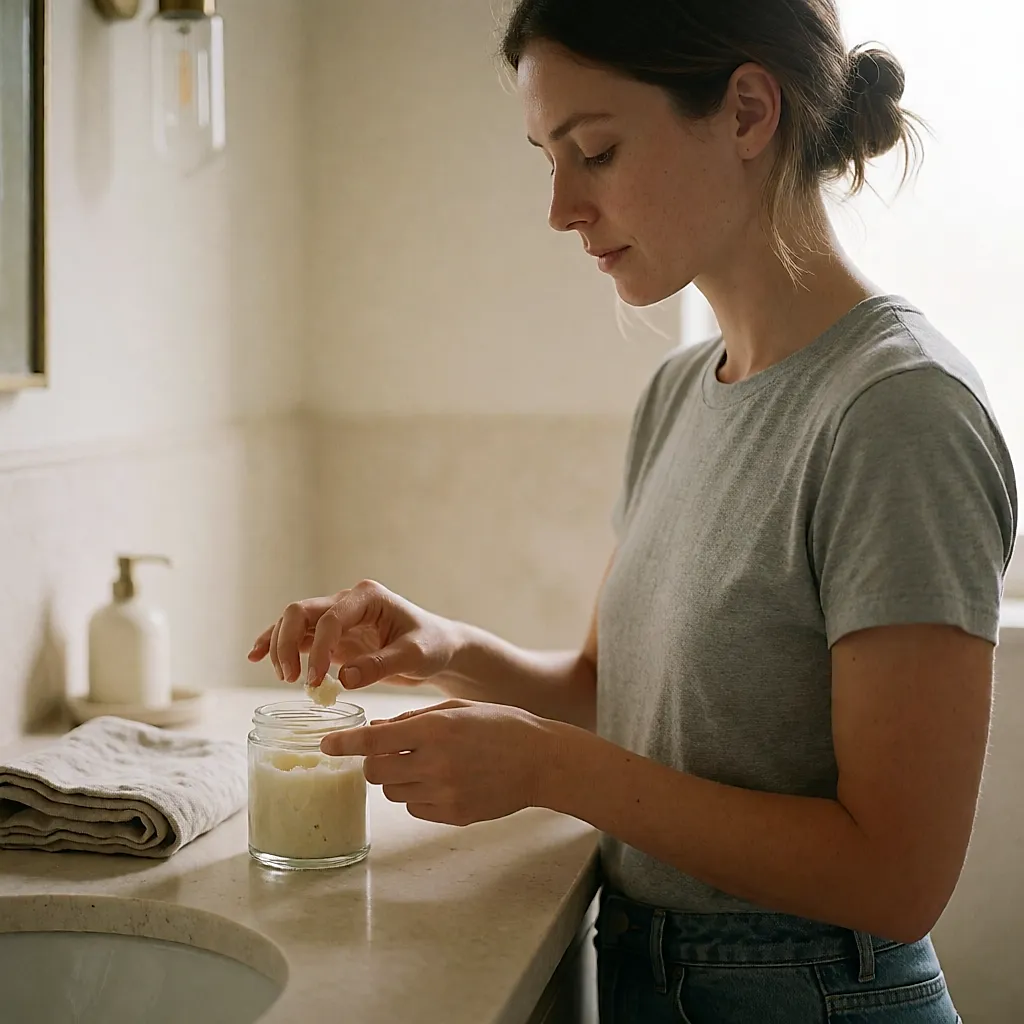
Serious brands offer the same promise in several textures: gel for combination skin, rich balm for dry skin, fluid for areas that shine. You adjust zone by zone, season by season. Your skin changes with hormones, tiredness, heating and a drier winter. A single routine designed for a generic skin type is exactly where things go wrong.
7. A lighter impact on the planet
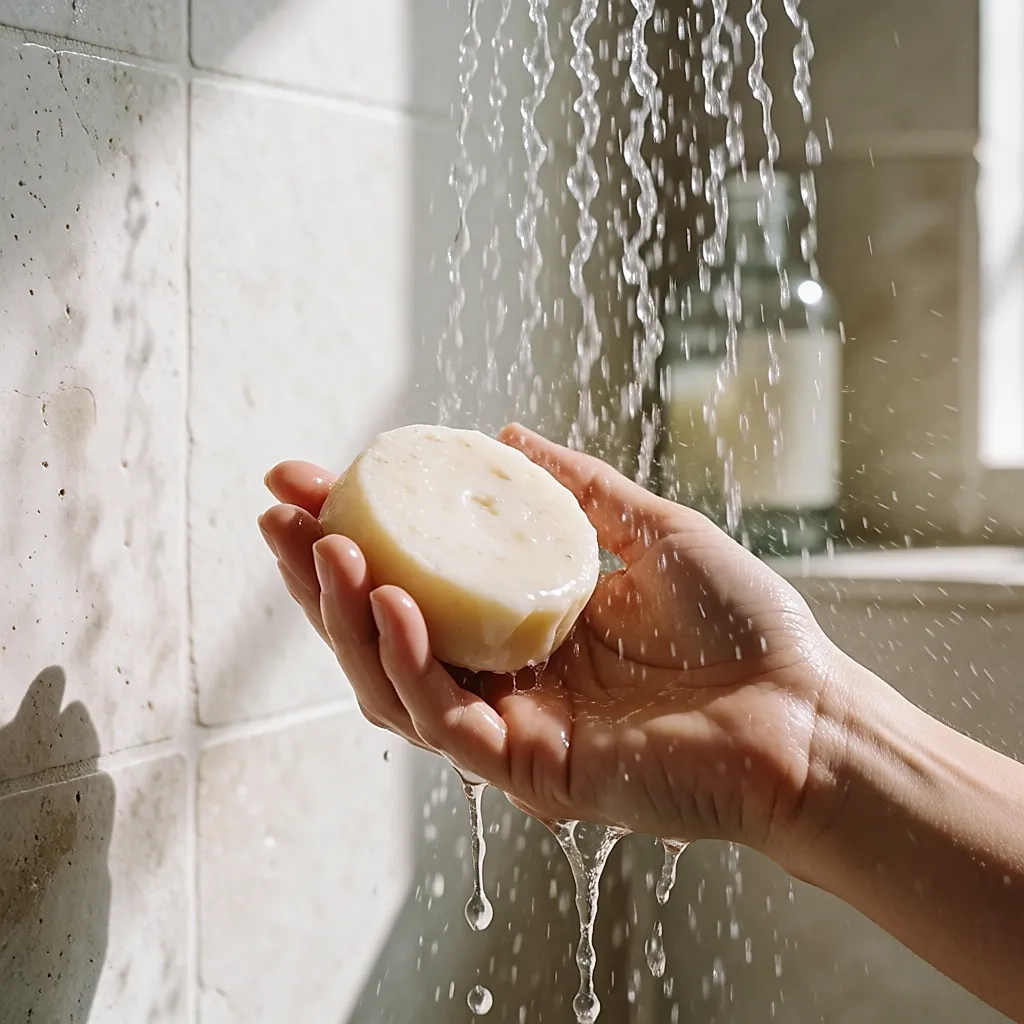
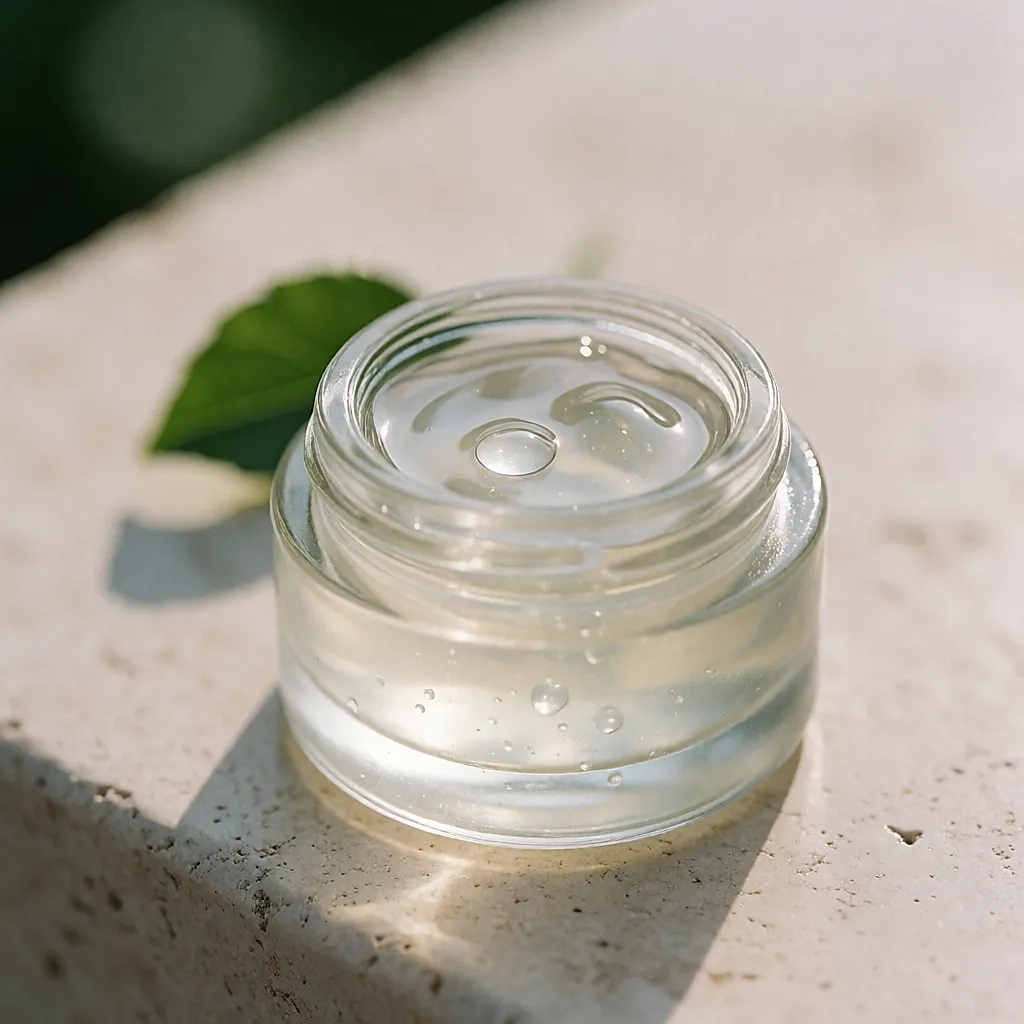
Many plant ingredients are biodegradable, provided they're well sourced. Be wary of floral water produced in a region where it depletes the water table: natural doesn't erase the water question. Organic standards regulate cultivation and inputs. On waste, solid formats — soap, shampoo bars, balm bars — often cut plastic. It's more concrete, and more verifiable, than the 'eco' claims printed in green on a tube.
8. A routine that gets simpler
Ten steps in the evening look lovely in a photo and are impossible with two children underfoot. Natural skincare pushes you to simplify almost by default: fewer products, more versatility. Cleanse, moisturise, protect. In the evening, the same cream for face and neck. The gain isn't cosmetic, it's practical — you're more likely to keep the routine going instead of giving up after a few weeks.
9. The precautionary principle in practice
When an ingredient is under debate — certain UV filters, preservatives, suspected endocrine disruptors — many organic standards leave it out before definitive proof arrives. It's a deliberate choice: you sometimes miss out on ingredients that turn out to be harmless. In exchange, you avoid acting as the guinea pig while research catches up. These lists evolve, and organic standards often move faster than general regulation.
10. Because skincare becomes a moment again
Smelling a cream, warming it between your palms, taking a small moment to massage: that's what turns skincare into a moment again. An orange blossom scent can make you want to keep up the ritual more than a results graph. What tends to stay with you most are textures that don't stick and complexions that don't turn greasy by the end of the day. For the rest, trust what you see on your own skin.

'Organic' on a cosmetic doesn't mean much by itself. Unlike food, there is no official EU organic label for cosmetics. The reference points come from private standards. Check the stated percentage of organic ingredients, the exclusion of silicones and synthetic fragrance, and the traceability of raw materials. A product can be entirely natural and still contain drying denatured alcohol. The label tells you the framework, not the efficacy.
What it costs
As a rough guide, expect to pay around £6–£18 for a 100 ml organic plant oil, £8–£20 for 200 g of raw shea butter and £7–£16 for 200 ml of floral water. A natural face cream often sits between £15 and £40 in department stores, pharmacies or online from specialist brands, and climbs above £60 at premium brands. A shampoo bar usually costs around £6–£12 and often lasts longer than a 250 ml bottle.
Where to find them? Supermarkets and high-street chemists for entry-level, organic shops and pharmacies for mid-range, online brands and refill shops for the higher end. The final price varies with where you shop, pack size, active concentration and certification: a certified organic jar often costs a few pounds more than an uncertified natural product, but the framework is clearer.
The verdict: yes, but on one condition. Read the lists, patch-test first, as you would with any product. Organic isn't a shortcut, it's a framework. To start tonight, swap just one product — a cleansing oil, say — and, in practice, keep an eye on it for a few weeks. It's the cheapest, most telling test.


Comments
Your opinion matters: rate the article, react and reply to comments.
Comments are moderated; AI-assisted comments are flagged. Text emoticons (8-), :-), <3…) are automatically shown as images.