

You know the feeling: you come out of the bathroom after washing your hands and the skin over your knuckles is already tight, before you've even unlocked your phone. You rub in a bit of cream, it settles, and two hours later you're back where you started. So we compared what's on the market, tested a few tubes and read the ingredients lists. The verdict is simple: the tube matters, but the technique matters more.

Why the backs of your hands age faster than your face
The backs of your hands have very few sebaceous glands — far fewer than your face. So they produce much less of the lipid film that helps hold water in the skin. Add repeated handwashing, hand sanitiser, washing up, cold and wind, and the skin barrier becomes depleted. Moisture escapes, and the result doesn't take long to show. Skin feels tight, cuticles flake, and tiny cracks appear at the fingertips.
None of this is inevitable. Someone who washes their hands fifteen times a day will damage their skin much faster than someone who washes them five times, even with the same cream. The good news is that on skin that's already fragile, consistency counts for more than the price of the tube.

The technique that changes everything
Three habits are enough to turn your skin around.
Apply your cream while your skin is still damp, straight after washing. A well-formulated cream traps water already on the skin; on perfectly dry hands it only lubricates the surface, which is not the same thing.
Then massage for around thirty seconds, paying attention to the skin around the nails, between the fingers and the backs of your hands. These are the areas that break down first, and the ones everyone forgets.
At night, switch to a richer texture: a balm, a cream applied thickly, or a few drops of plant oil. Overnight, the most occlusive textures work best, without any concern about feel or wear.

The reliable ones that last
In dermo-cosmetics, two products have stood the test of time. Dexeryl, from Laboratoires Pierre Fabre, is sold in French pharmacies in a 250 g tube. Its base — glycerin, petrolatum and liquid paraffin, fragrance-free — is highly occlusive and well documented. The tube is big and the packaging is not elegant; it had to have a flaw. In France, it is classed as a non-prescription medicine and isn't reimbursed, and there's no automatic coverage. In the UK, availability and prescription status differ, so check with a pharmacist. If your skin remains damaged despite regular use, see your GP.
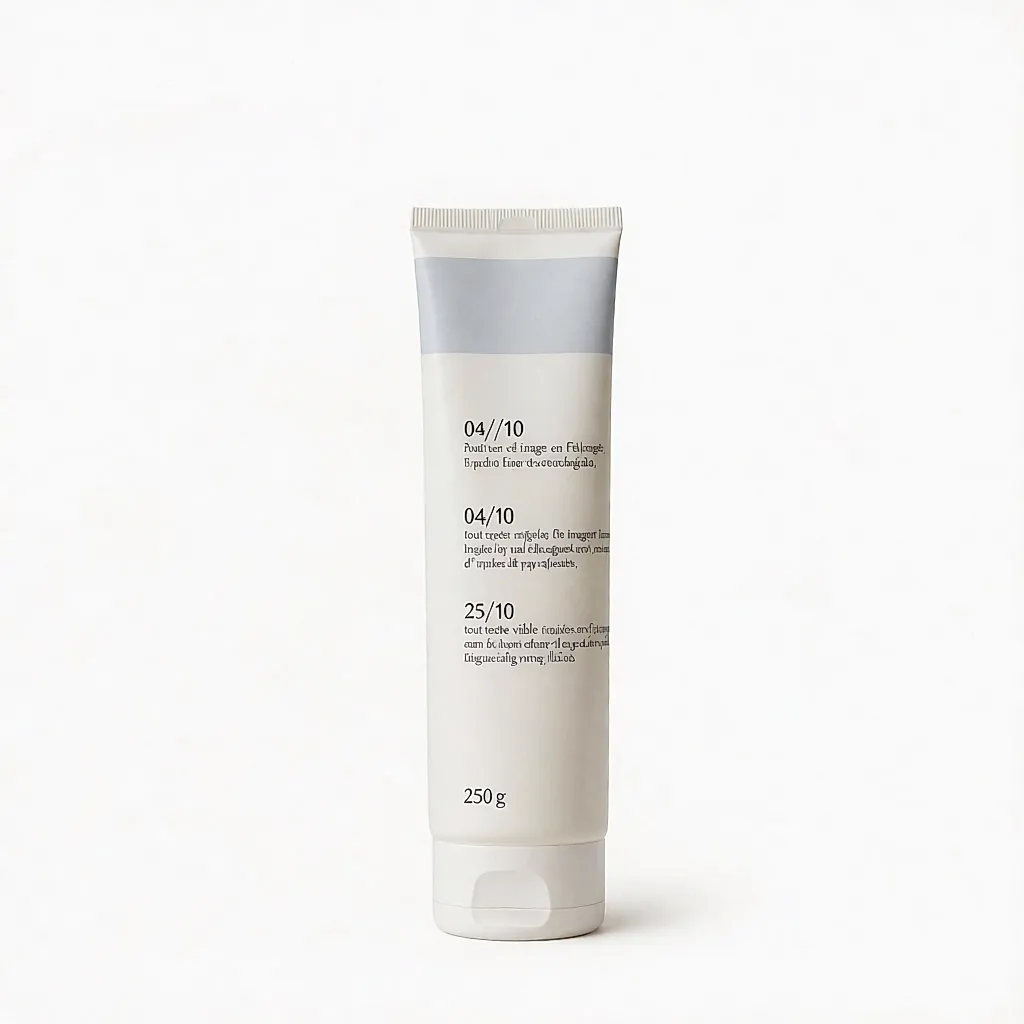
At Avène, the Cold Cream hand cream, built around beeswax, opts for a rich texture. Our tester found it needs a proper massage to sink in and leaves a greasy film on the skin. That film, of course, is what protects against the cold.
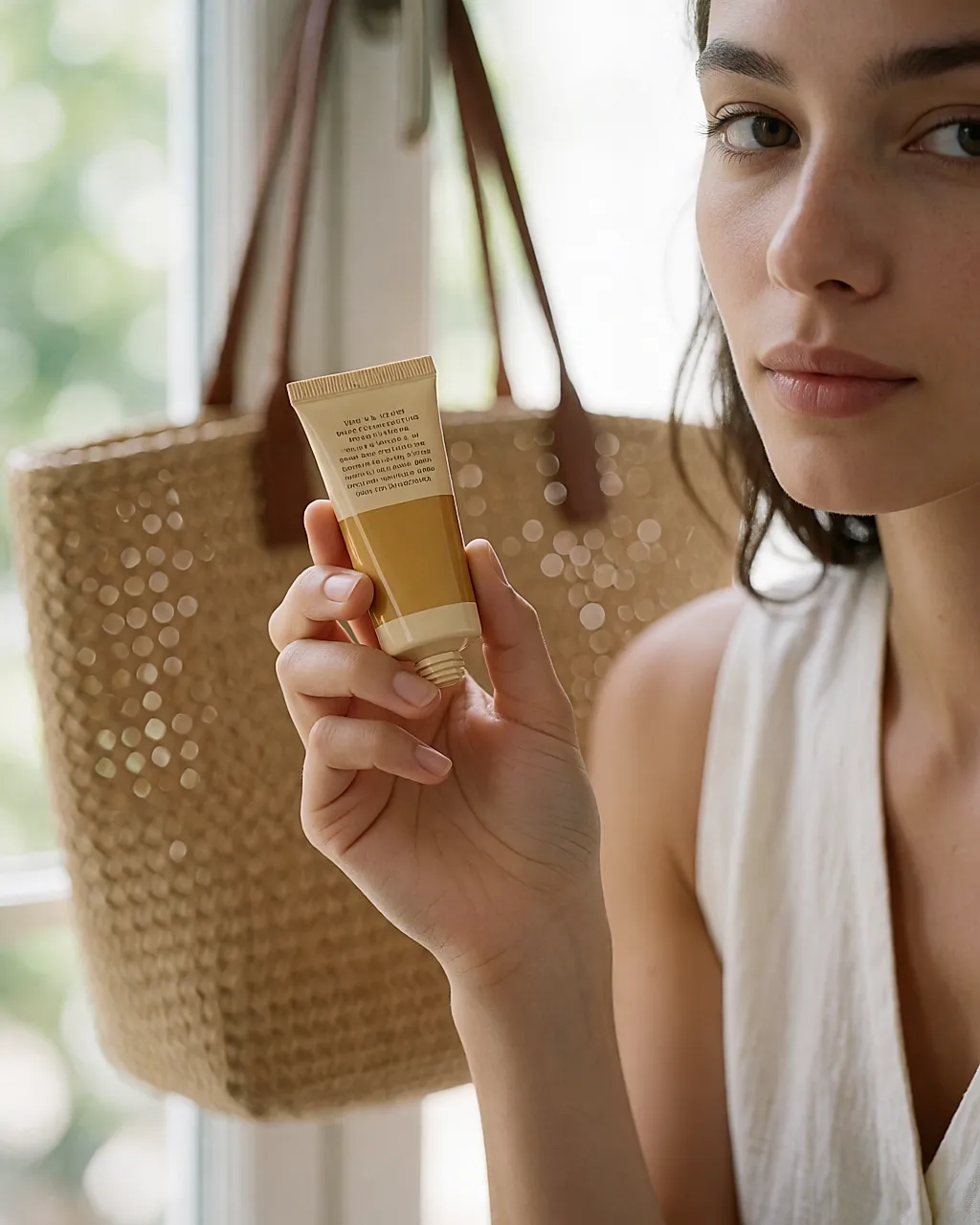
We also tested the small flat tube of Nuxe Rêve de Miel Hand and Nail Cream: honey and argan oil, a melting texture, a travel-friendly format that slips into a bag. Very pleasant for daily upkeep, but not enough for cracks that have already taken hold.
What an organic label really guarantees
A tube stamped 'natural' with no label means nothing. What matters is the standard behind it. Cosmos Organic, notably backed by Cosmébio and Ecocert, requires a minimum share of organic ingredients, a majority of naturally derived ingredients and excludes a list of contested substances. Natrue works on the same principle, with its own thresholds. Melvita, Weleda and Cattier have products certified to these standards: their formulas are regulated, which is not the same as a promise that they will work on your skin.
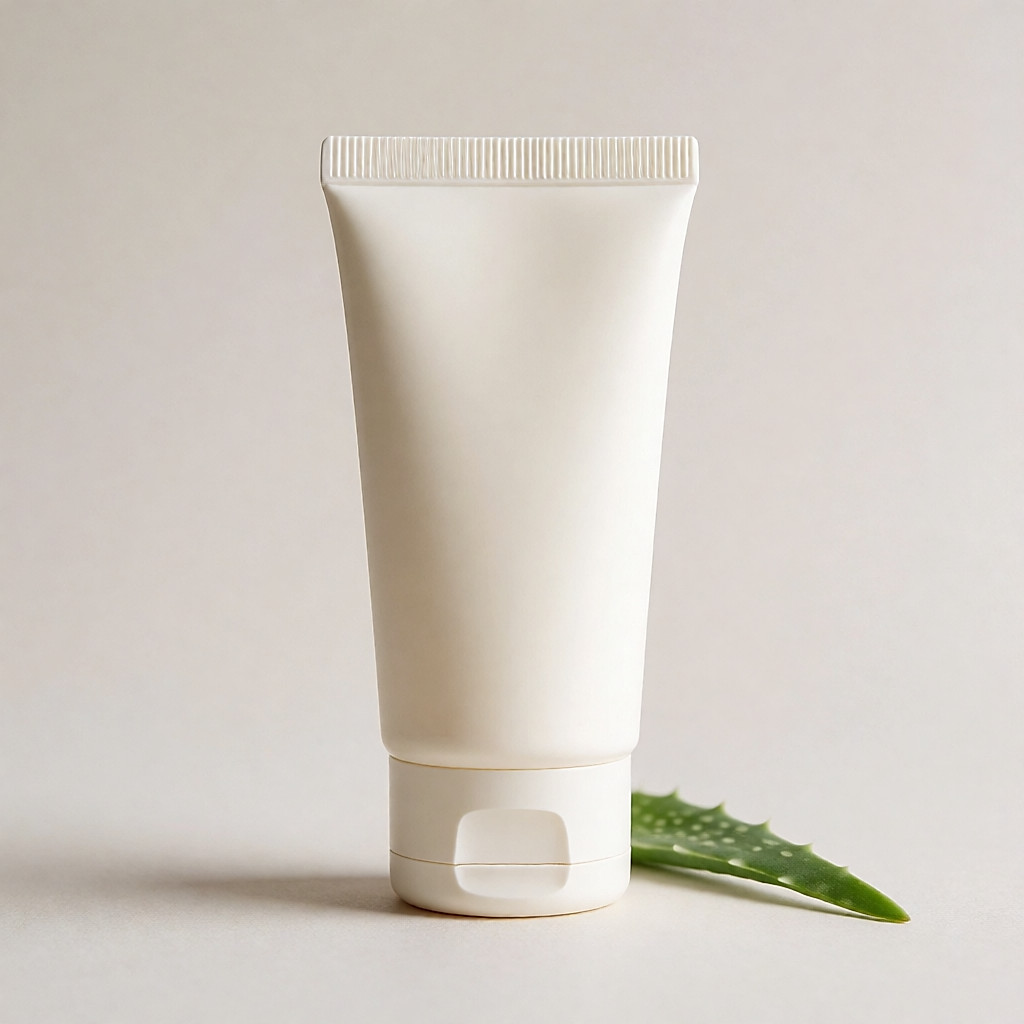
On disposal, in France tubes now go in the yellow recycling bin with packaging under extended sorting rules. In the UK, kerbside rules vary by council, so check local guidance. Some brands offer refills or aluminium tubes. These are real criteria to consider, but none compensates for an unsuitable formula. And if the best choice for your case remains a conventional cream like Dexeryl, don't feel guilty: effectiveness comes before the label.

Budget
In the UK, for 50–100 ml, expect roughly:
- High street, pharmacy and online: £3–£10.
- Dermo-cosmetic pharmacy: £6–£15, up to £20 for large repair formats.
- Certified organic: £8–£20 for 50–75 ml.
- Department store and premium brands: £15–£35.
What moves the price: the concentration of humectants (glycerin, urea) and occlusives (shea butter, petrolatum, wax), certification, size, packaging and distribution. Big tubes and refills often bring the price per millilitre down.
The three-night test. Take a cream and a balm. First night, cream alone. Second night, cream then balm on top. Third night, balm alone. Compare when you wake up: it's almost always the balm alone, or the layering, that wins. You'll then know whether your problem is the texture or simply the frequency.
Sources
- Eau Thermale Avène (Pierre Fabre) — product information and ingredients for the Cold Cream hand cream, avene.com
- Laboratoires Pierre Fabre — Dexeryl product information, pierre-fabre.com
- Nuxe — Rêve de Miel range, hand and nail cream, nuxe.com
- Cosmébio — Cosmos Organic label standard, cosmebio.org
- Ecocert — COSMOS standard, ecocert.com
- Natrue — certification criteria, natrue.org
- Citeo — French packaging recycling guidance, citeo.com


Comments
Your opinion matters: rate the article, react and reply to comments.
Comments are moderated; AI-assisted comments are flagged. Text emoticons (8-), :-), <3…) are automatically shown as images.