

7.20am. You step out of the shower, you have ten minutes to get ready, and three bottles stacked on the shelf are mocking you. This is exactly where dry oil earns its place: one product for body, hair, sometimes face, and a quick step that forgives a late start. The catch is choosing the right one — because the same label can hide textures that have nothing in common.

What does 'dry' actually mean?
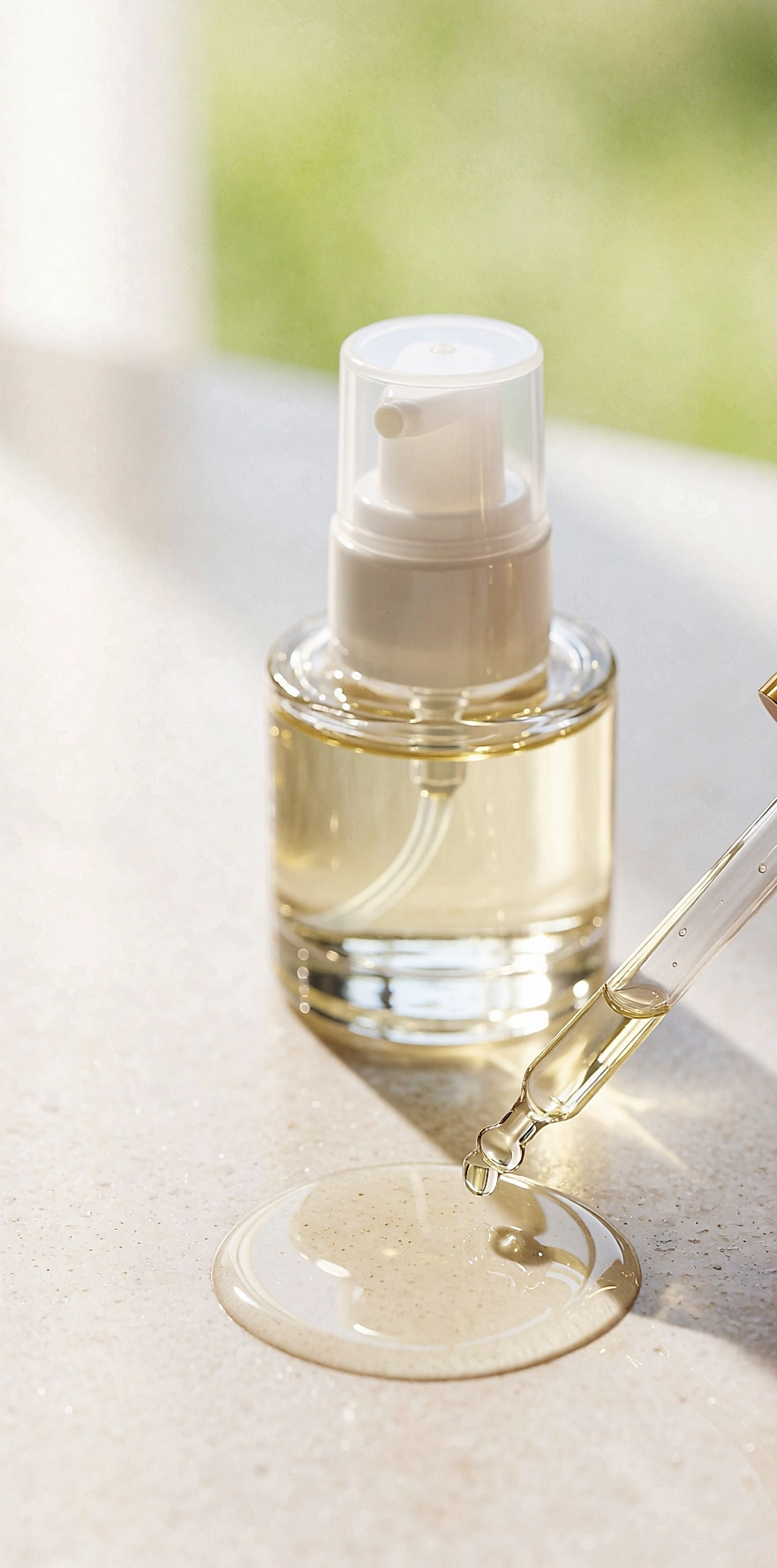
The word does not describe the formula but the feel. A dry oil combines lightweight plant oils — jojoba, apricot kernel, sweet almond, grapeseed — with esters, and sometimes volatile silicones. These mainly improve spreadability and evaporate quickly, which limits the greasy-film effect; they are not known to speed up skin penetration. And no regulation governs the term: it comes from marketing, not cosmetics law.
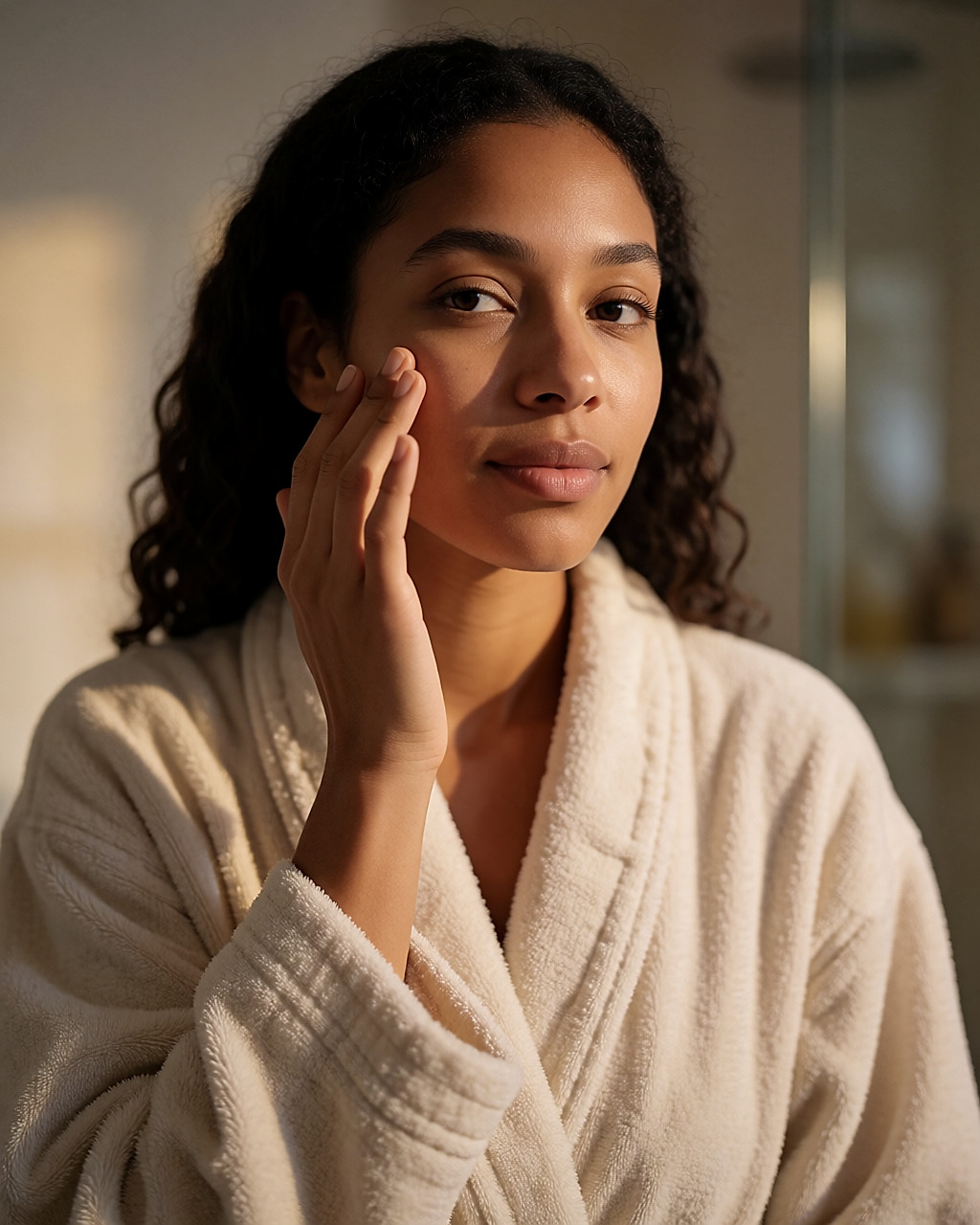
Result: two bottles labelled 'dry oil' can have nothing in common. The formulation matters as much as the ingredient list. So read the INCI list, which lists ingredients in descending order of concentration down to 1%, then — below that threshold — in any order, before you pay.
The technique that changes everything
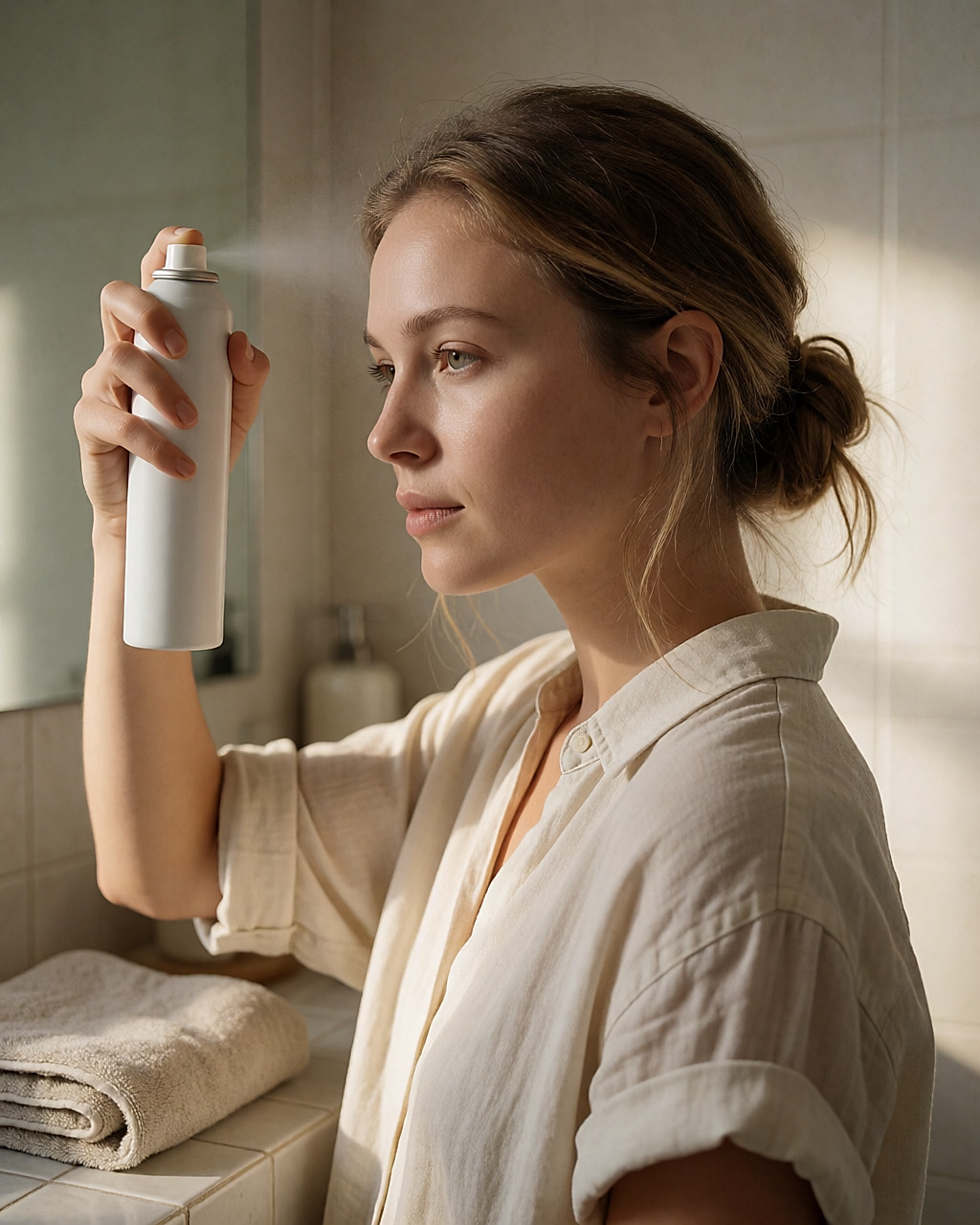
On the body, apply after a shower, to warm, barely towel-dried skin. Three pumps into your palms, warm it up, then massage from ankles up to hips. On damp skin, the texture glides better and you use less. On hair, a hazelnut-sized amount is enough on mid-lengths and ends, never on the roots: on dry hair, it tames; on wet hair, it makes styling easier.
On the face, at night, two or three drops as the last step in your routine, over moisturiser — oil seals in hydration, it does not replace it. If your skin is combination to oily or acne-prone, patch-test on a small area first. And remember hands, cuticles, heels. Let's be honest: it is often the person who shares your bathroom who finishes the bottle.

Three habits before you commit: patch-test a drop on the inside of your elbow for 24 hours; apply the oil to damp skin, not rough dry skin; and do not rely on it for sun protection — no plant oil replaces an SPF.
Which oils should you choose today?
When it comes to products, one classic remains popular: Nuxe's Huile Prodigieuse, a blend of plant oils (sweet almond, camellia, borage, hazelnut) in a fine base. Its scent is strong and distinctive, it comes in a shimmering version, and it has been a go-to for years. The downside: no organic certification, and a very noticeable fragrance — worth knowing if your skin is reactive.
More considered formula-wise, Melvita makes body and massage oils certified COSMOS ORGANIC. This standard requires a minimum proportion of naturally derived ingredients and a share of ingredients from organic farming: a more solid marker than the word 'natural' printed on a label. Documented, not tested this year.
If you want to create your own blend, organic single plant oils from specialist suppliers such as Aroma-Zone (or UK-based equivalents) work out far cheaper per litre. The trade-off is clear: no fragrance, no pump, and you do the measuring. Finally, if you just want to try without spending much, a dry oil from a pharmacy skincare range will do the job — usually with a conventional, scented formula and no organic label.
Budget
Expect to pay around £7 to £13 per 100 ml for an organic plant oil bought singly or a pharmacy skincare brand; £17 to £30 for a 100 ml signature bottle (Nuxe, Melvita); £35 to £60 and above for fragrance-house oils or rare oils (prickly pear, cold-pressed argan).
What changes the price: the oil species, organic certification, how much fragrance is used, the packaging (glass, pump) and the sales channel. The same bottle is not the same price in a supermarket, a pharmacy beauty range, on the brand's own website or in a beauty hall — so compare by the litre, not by the bottle. Where can you find them? Pharmacies and pharmacy beauty ranges, supermarket organic or health-food aisles, department store beauty halls, brands' official websites and specialist online retailers.
Ultimately, dry oil is not just another product: it is a shortcut. Choose a light one, read its INCI, keep it near the showerhead — and you will see that at 7.20am, two well-applied drops beat three stacked creams.
Sources
- COSMOS-standard — European reference standard for organic and natural cosmetics, accessed 2026.
- Ecocert — Cosmetics certification body, accessed 2026.
- EUR-Lex — Regulation (EC) No 1223/2009 on cosmetic products, 2009.
- Nuxe — Official product page for Huile Prodigieuse, accessed 2026.
- Melvita — Official website, accessed 2026.
- Aroma-Zone — Official website, accessed 2026.



Comments
Your opinion matters: rate the article, react and reply to comments.
Comments are moderated; AI-assisted comments are flagged. Text emoticons (8-), :-), <3…) are automatically shown as images.