

A tablespoon of coconut oil often costs very little; the glass bottle marked 'hair oil ritual' that contains it can cost far more. Between the two, you're mostly paying for a label. Which isn't to say the label is useless — just that it won't condition your hair for you.
The product goes down the plughole, and that's fine
A pre-shampoo oil treatment has a very simple fate: apply it to dry hair, wait, rinse, wash. In other words, most of what you've smoothed on ends up in the drain rather than on your head. That isn't a flaw in the product; it's what it is.
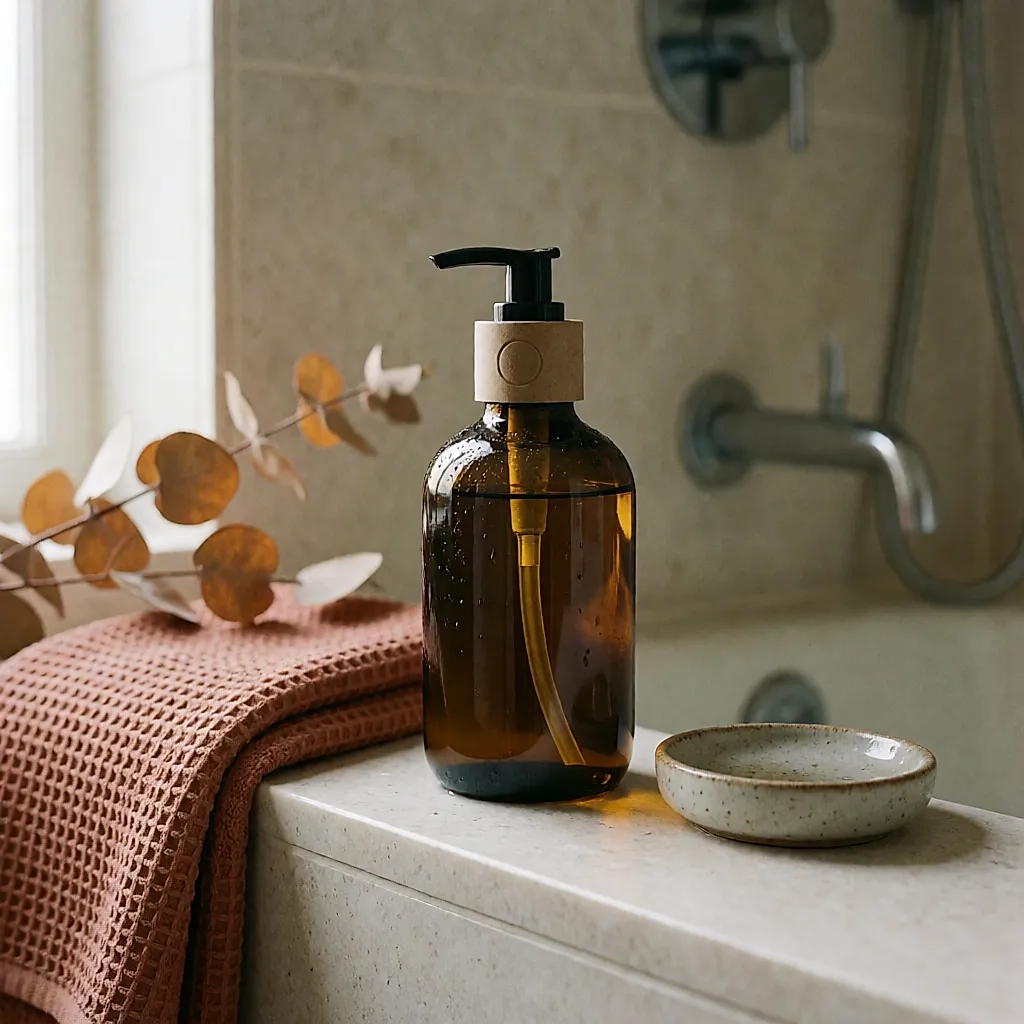
Which raises a question worth asking before every purchase: why pay for rare, expensive actives in a treatment that doesn't stay on the hair? A leave-in serum has all the time in the world. In a pre-shampoo oil, most of the work is done by the oil itself, the application and the waiting. The rest is just talk.
Quantity and timing: the only two variables
We underestimate the amount and overestimate the time. A thin slick of oil on the ends leaves hair crunchy; half a cup takes three shampoos to get out. In practice, use one to two tablespoons depending on length and thickness — fine hair needs no more, thick curls can go up a notch, section by section.
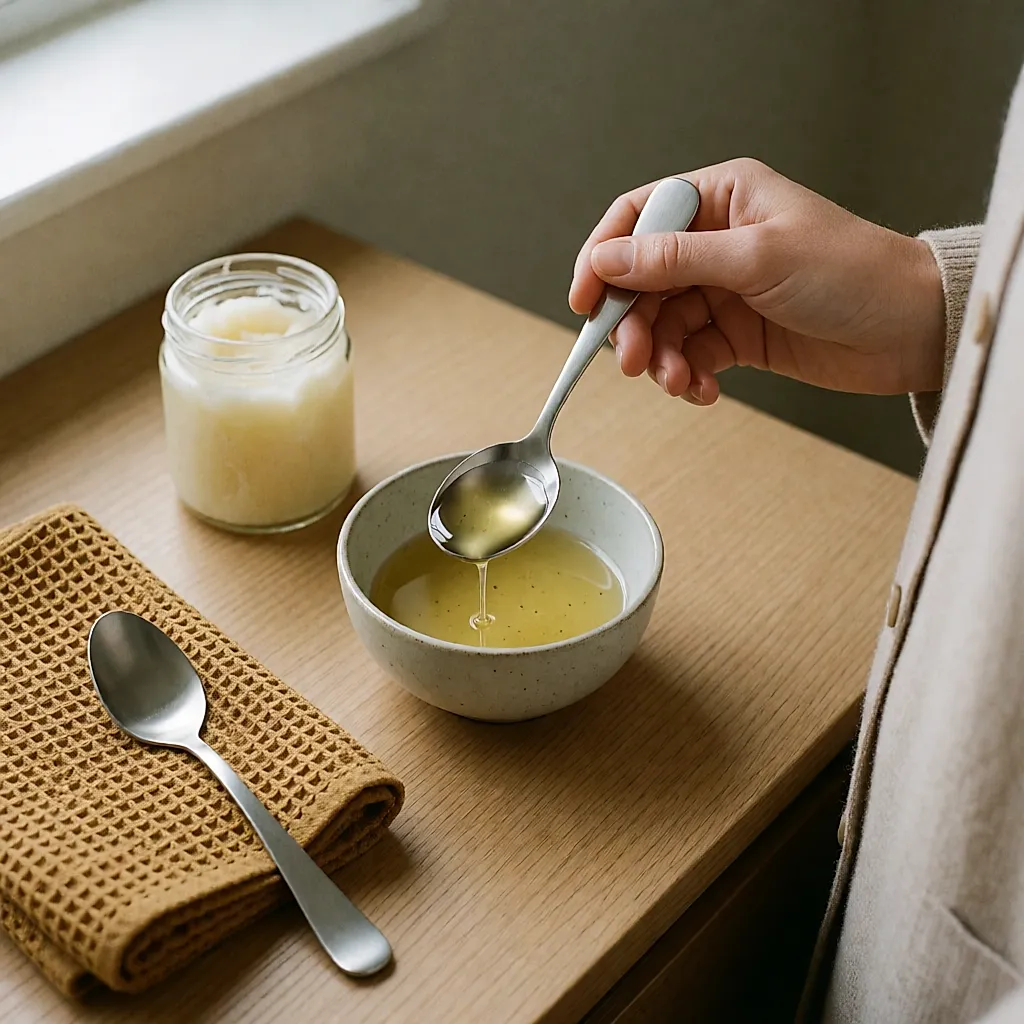
For timing, same logic: in practice, many people recommend 20 to 30 minutes, enough to wash up or answer a couple of emails. Some leave it on overnight, which means a towel on the pillow and no hair surprises when you wake up. A pre-shampoo treatment that makes you miss your bus isn't a better one.
And frequency? Once a week before shampooing is a comfortable benchmark; if your mid-lengths and ends are very dry, twice. If your scalp feels tight or itchy afterwards, you may have loaded too much onto the roots — there's no need to add more at the roots: the mid-lengths and ends are enough.
A single oil versus a scented blend
Coconut, olive, sesame: each has its own texture and scent. Coconut is solid at cool room temperature, which is a surprise the first time and means melting it between your palms. Olive is heavier, generous, perfect on thick hair. Sesame is more fluid, more discreet — and its smell isn't for everyone. Their advantage: one ingredient on the label, a reasonable price, and the certainty of knowing what you're putting on your hair.

A scented blend gives you what pure oil doesn't: a texture that glides, a more developed scent, a bottle you want to leave on the shelf. Is it worth the extra? It depends on how well you tolerate fragrance. If your scalp reacts easily, read the INCI list and stick to the shortest formulas; a treatment that makes you itch is a failed treatment, whatever the packaging.
Glass, jar or refill: packaging that lasts
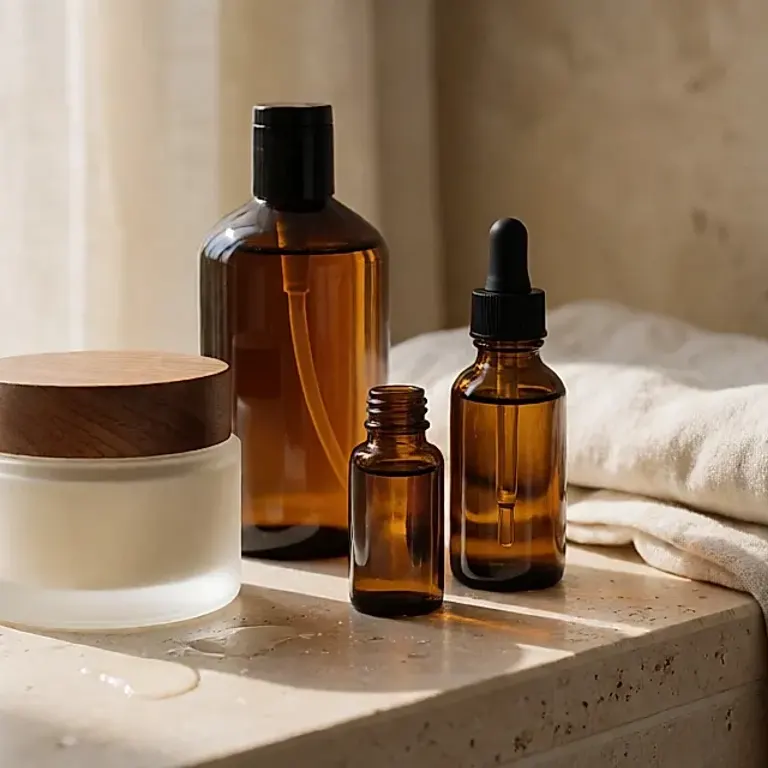
A glass bottle with a pump is practical and pretty — and heavy, and fragile if it slips in the shower. A refillable jar has the advantage of simplicity: dip your fingers in, refill it, repeat. For coconut oil, a jar makes even more sense than a bottle.
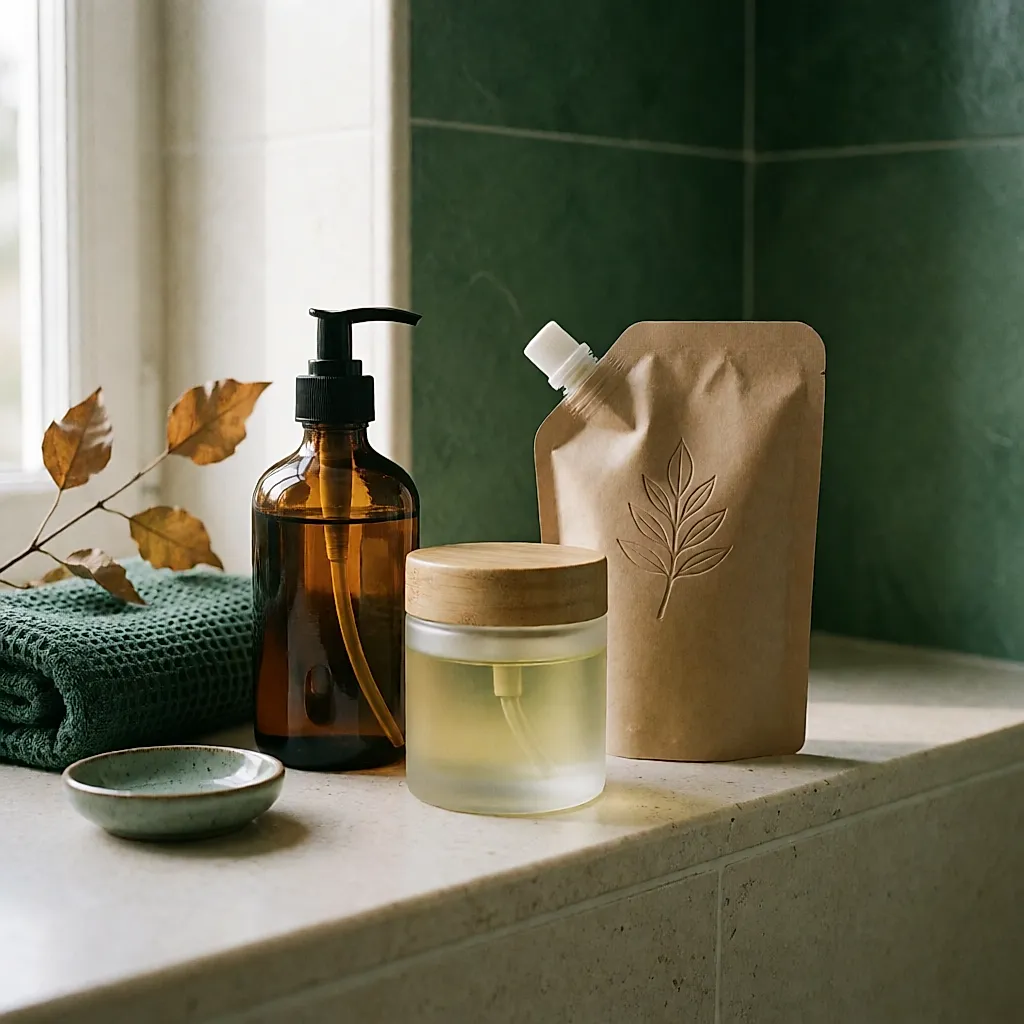
When it comes to disposal, glass recycles without drama, a refill often costs less than the original container, and some health food shops sell oils in bulk — bring your own container and check the traceability information on display. No greenwashing claims here: these are pointers, not a guarantee.
The pre-shampoo oil routine: two tablespoons of oil, distributed through the mid-lengths and ends, on dry, detangled hair. Wrap your hair in a warm towel if you have time, rinse, shampoo with extra attention at the roots, then do a second, lighter shampoo. And close the jar before you leave the bathroom — your floorboards will thank you.
What it costs
Expect to pay around £4–£10 for 200–500 ml of organic coconut oil in a health food shop, grocery shop or supermarket — the most economical version, and plenty for several months. Extra virgin olive oil costs around £6–£10 a litre, and you probably already have some in the kitchen. A dedicated scented blend sits at around £12–£40 from hair brands, in beauty retailers or online, with refills often cheaper than a new bottle. Allow around £8–£18 if you buy in bulk from a health food shop, container included. Prices vary by retailer.
It's hard to promise that an expensive bottle will transform your hair: I haven't done a serious enough comparison to make that claim. What I can say safely is that the difference between a successful pre-shampoo oil treatment and one that leaves hair greasy isn't down to price, but to dose and rinsing.
So before you buy the poetically named bottle, do the spoon test: a simple oil, a reasonable amount of time, a good shampoo. If you're happy with the result, you've just saved yourself the price of a ritual — and you'll do it again tonight without having to reread the label.

Comments
Your opinion matters: rate the article, react and reply to comments.
Comments are moderated; AI-assisted comments are flagged. Text emoticons (8-), :-), <3…) are automatically shown as images.