

Monday morning, 7.42am. You're looking for your day cream; your hand lands on the July sunscreen, and a little voice asks: 'In November, really?' The real question isn't whether the bottle still deserves a place, but what you put over it — and how much. Because winter sun doesn't disappear: it just changes the light.
Your July bottle doesn't need a holiday
The temptation is to pack sunscreen away with the sandals. But November sun may not feel warm; it hasn't gone anywhere. UVB levels drop, UVA is present all year round and passes through windows; snow and altitude can even increase exposure. In other words, the July bottle doesn't need a holiday. What changes isn't the protection you're after, but how you apply it.
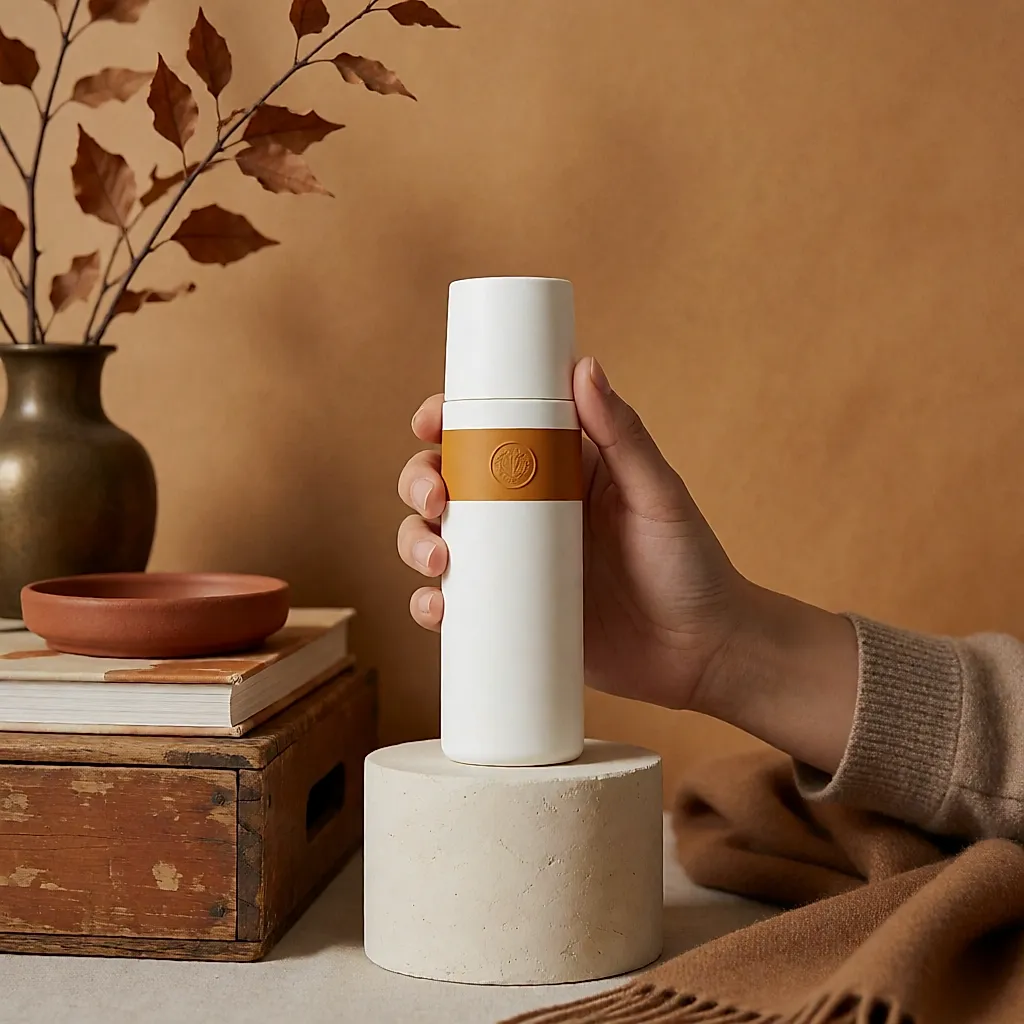
And this is where it falls down. In summer, you slather it on because your skin feels sticky and you remember. In winter, you use a pea-sized amount, spread it quickly and assume foundation will do the rest. Except the amount you apply is often the weak link: an SPF 30 product used sparingly doesn't protect in the way you imagine. The bottle can stay the same; it's the habit that needs to change.
The dose matters more than the season
In practice, the big difference between July and November comes down to dose. A pea-sized amount of sunscreen fluid spread over face, neck and ears is usually too little. What practical guide can you use? The two-finger method: a line of product along your index and middle fingers, then blend. It's not a prescription — just a way of not kidding yourself.
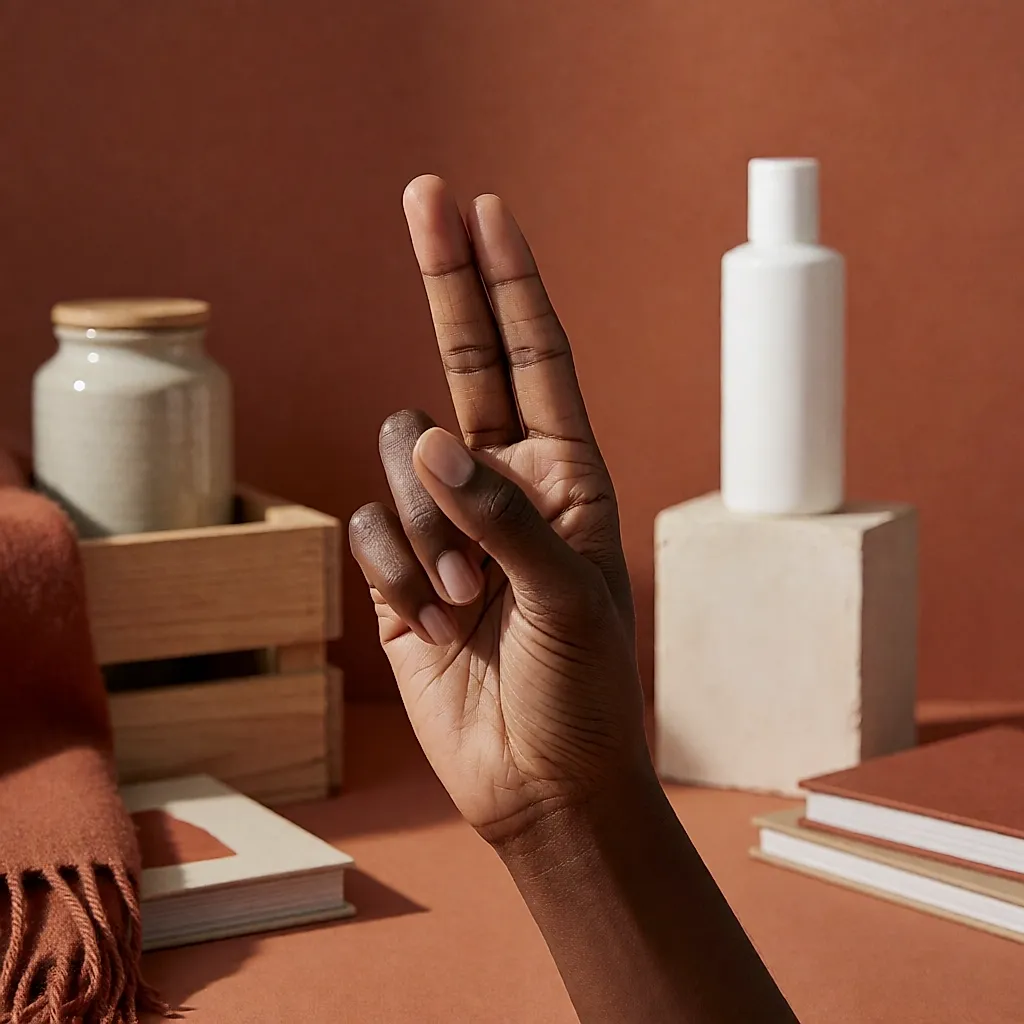
Another trap: foundation with SPF. It can tide you over, but in practice the amount used on the face is often too small to reach the stated SPF. If you're going to be outside, a dedicated layer of protection before make-up is more reliable. And if you sweat, blow your nose or eat lunch outside, reapply. No need for a ten-minute ritual: a stick or lightweight fluid in your bag makes it easier.
Under make-up, comfort comes first
The real winter challenge is comfort. A sunscreen that feels tight, pills or makes your nose shine like a beacon will stay at the bottom of the drawer — and that's a shame. Under make-up, look for a texture that's happy to disappear: fluid, gel-cream, light lotion. In the morning, order matters: moisturiser, then sunscreen, then make-up. If your skin is very dry, a richer texture can work; if it's combination, a non-greasy fluid will be easier to wear.
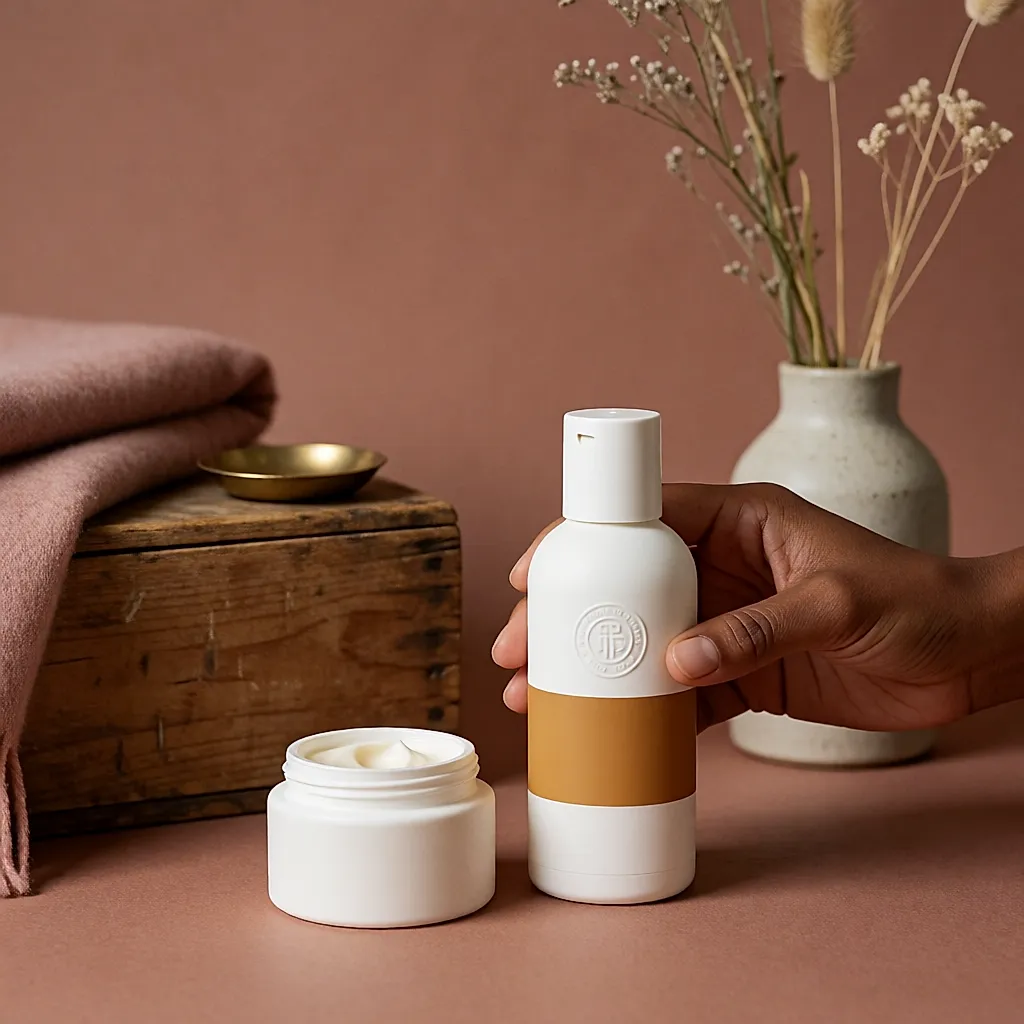
On the label, look for broad-spectrum and UVA labelling: together these show the product is designed to protect against both UVA and UVB. For anyone looking for natural or organic options, a recognised certification such as COSMOS Natural or COSMOS Organic can help, but it doesn't remove the need for the right dose. A refill or solid format can reduce packaging; however, a well-formulated conventional product that you actually apply will be more useful than an organic one used in a timid pea-sized amount. The criterion that matters is texture plus quantity.
What to budget
Expect to pay roughly £8–£20 for a face fluid SPF 30 or SPF 50 from a supermarket, pharmacy or online. In beauty halls and from specialist brands, prices often rise to £20–£40, sometimes more if the finish is very polished or the packaging is designed to feel luxurious. Price often follows texture, brand and packaging more than the level of protection itself.
Where to buy, in practice? Supermarkets for straightforward formats, pharmacies for reactive skin or advice, beauty halls for more sensorial textures. Refills and solid formats may cost a little more upfront, but mean less packaging. It's up to you to decide what you'll genuinely reapply: the best product is the one that stays in your bag, not the one gathering dust in the bathroom.
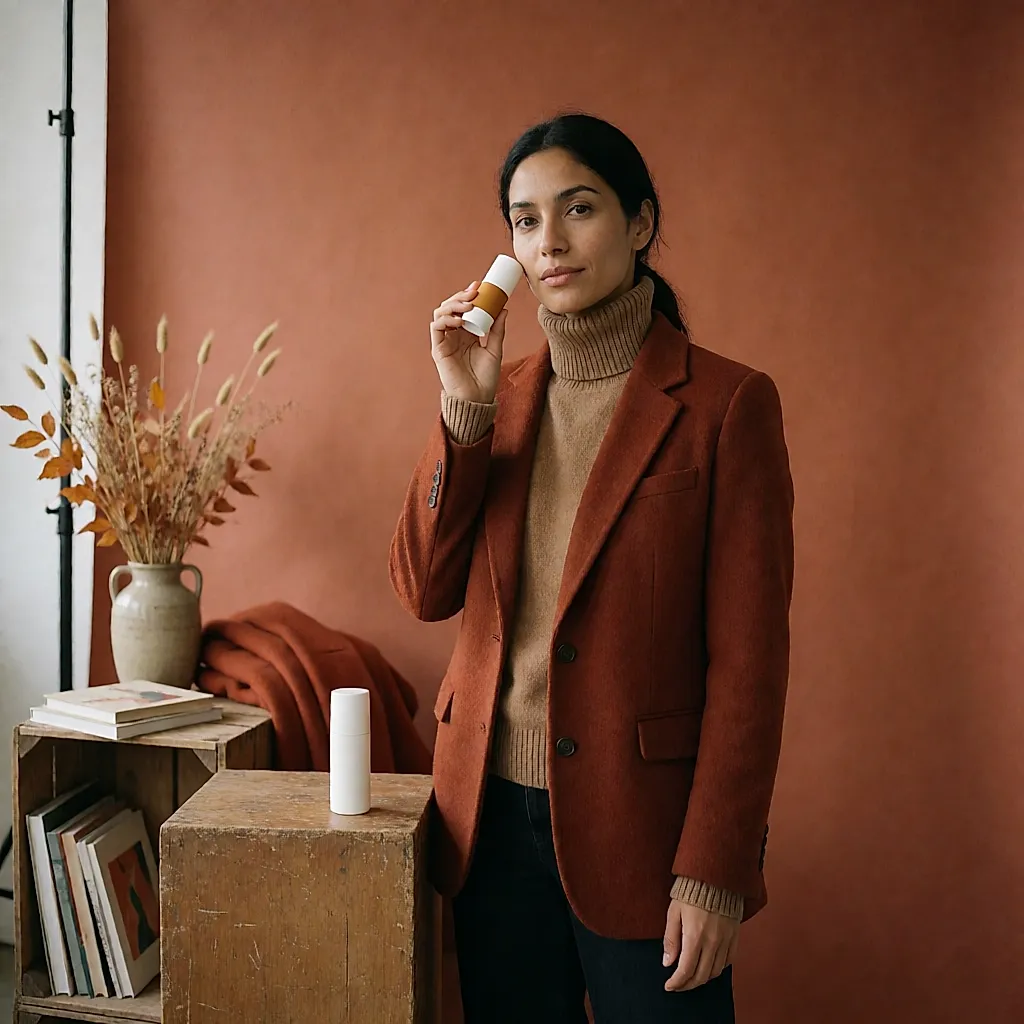
The bag backup: a stick or lightweight fluid for topping up during the day, without taking off your make-up. It isn't another ritual, just a safety net for days when you're outside longer than planned.
The step that stays
In winter, you don't need to change your bottle every fortnight. You need a product you're willing to wear over your day cream, and a dose you don't quietly reduce because the sky is grey. It's less exciting than a new serum, but it's the morning step that makes the difference.
And if you only have five minutes? Moisturise, apply a generous dose of protection, leave it for a minute, then do your make-up. The rest is just about having the right thing in your bag. November sun is discreet; your application doesn't need to be.

Comments
Your opinion matters: rate the article, react and reply to comments.
Comments are moderated; AI-assisted comments are flagged. Text emoticons (8-), :-), <3…) are automatically shown as images.