

You know that moment: it is 10pm, the house is finally quiet, and you are at the kitchen table with ten bottles lined up. You just cannot decide. Nail polish is a bit like a winter coat: a colour that works in October will not necessarily see you through to February. So we reopened the file, dark shades and metallic finishes included, to see what really deserves a place in the little box.
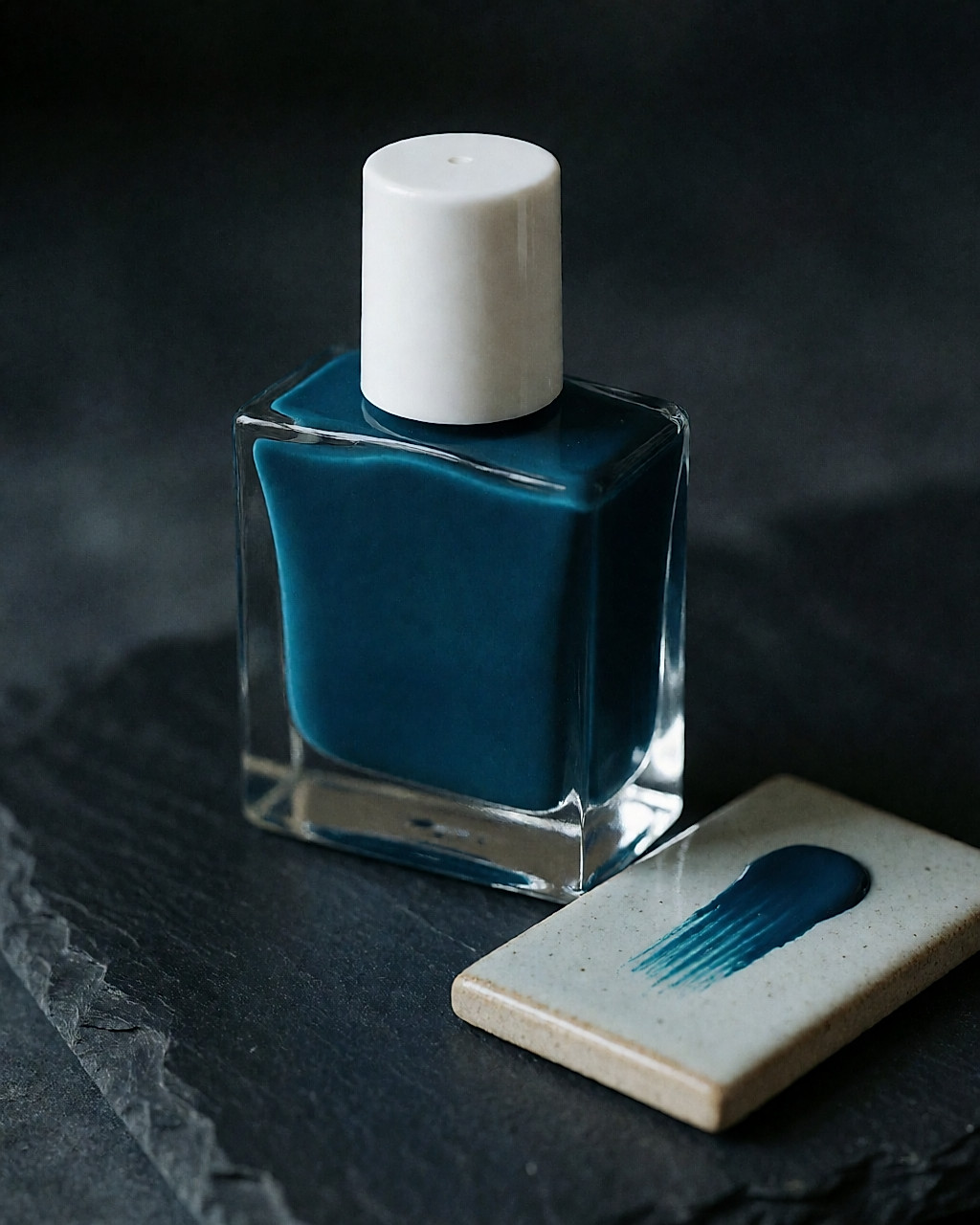
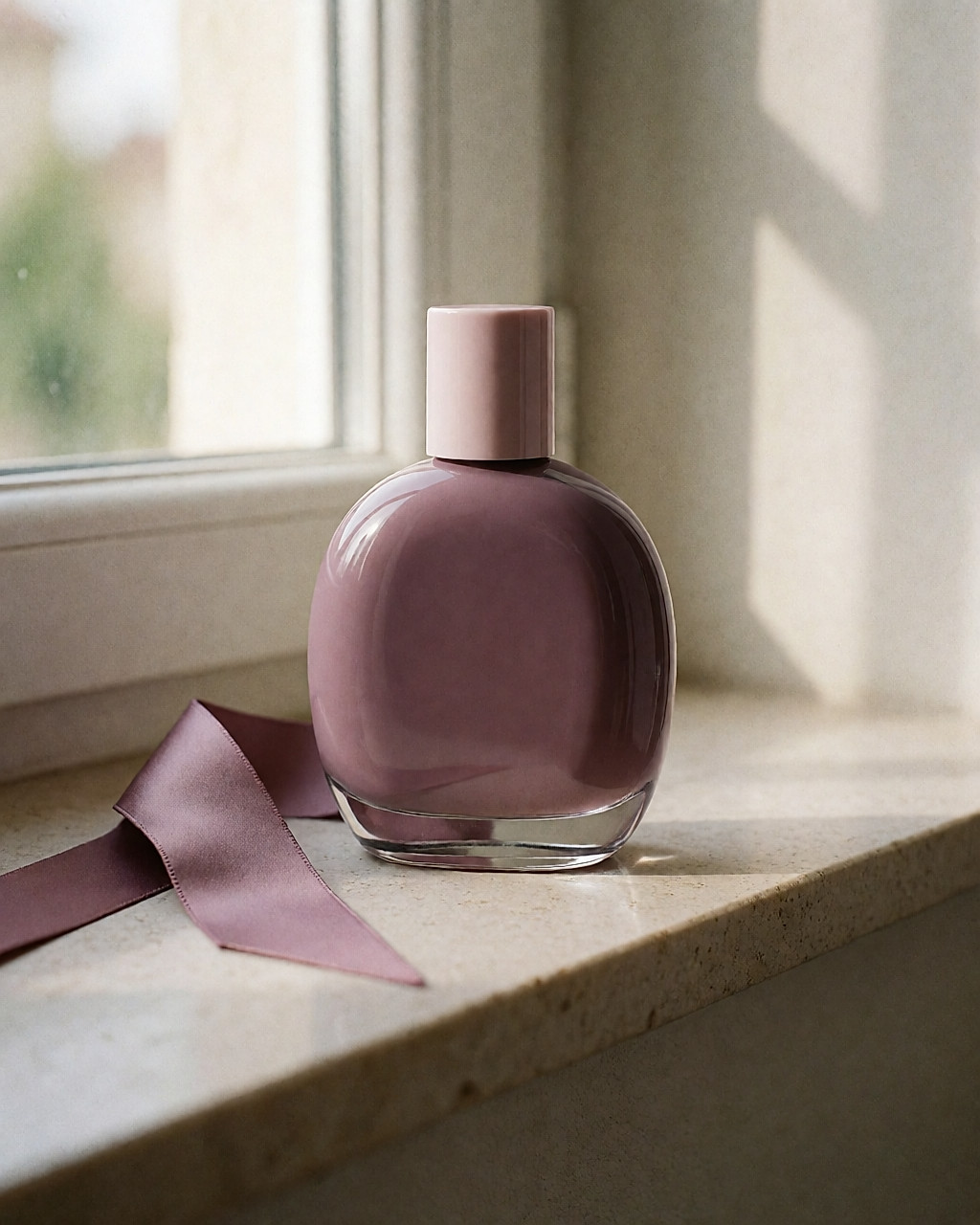
Taupe, khaki, green: the safe bets
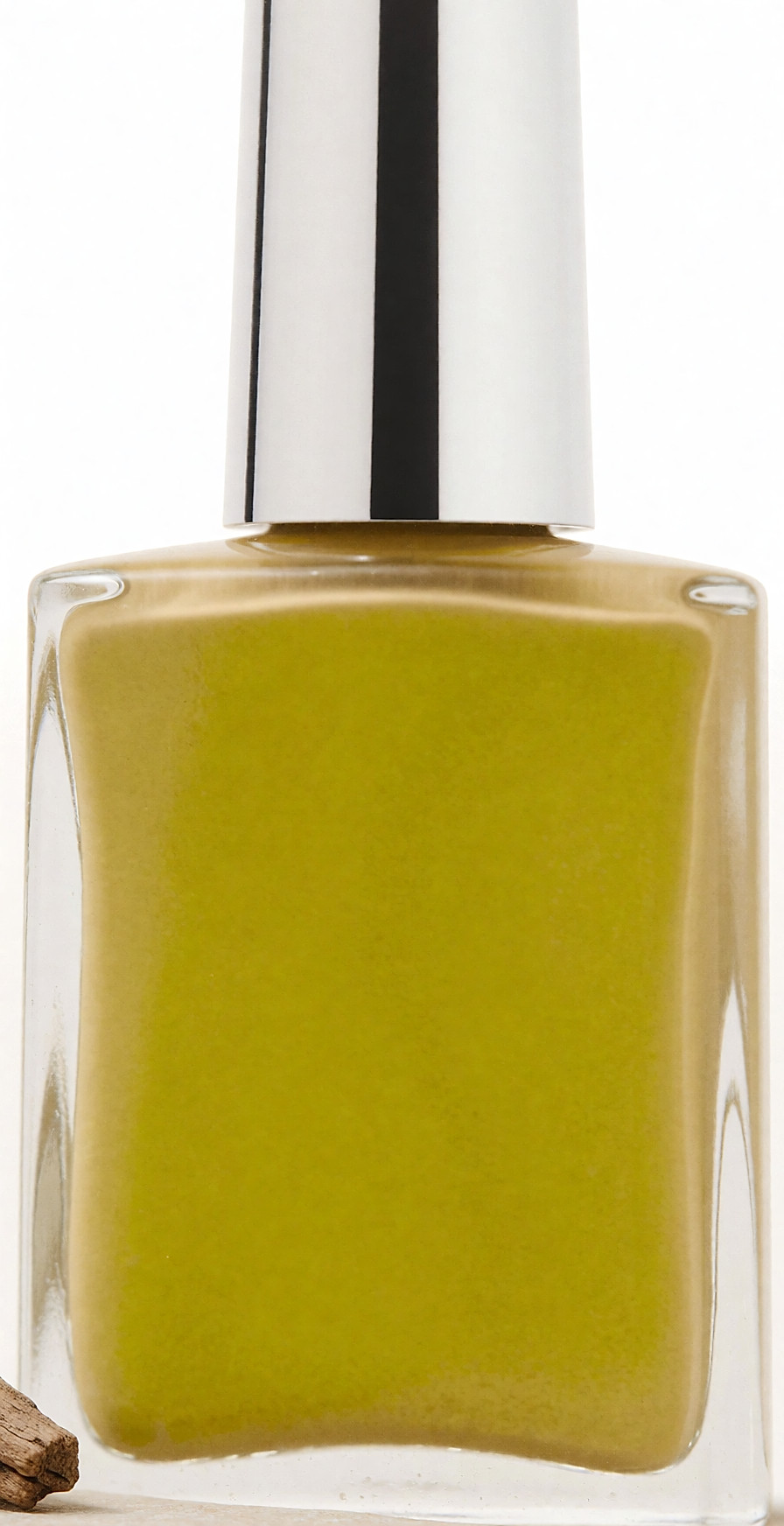
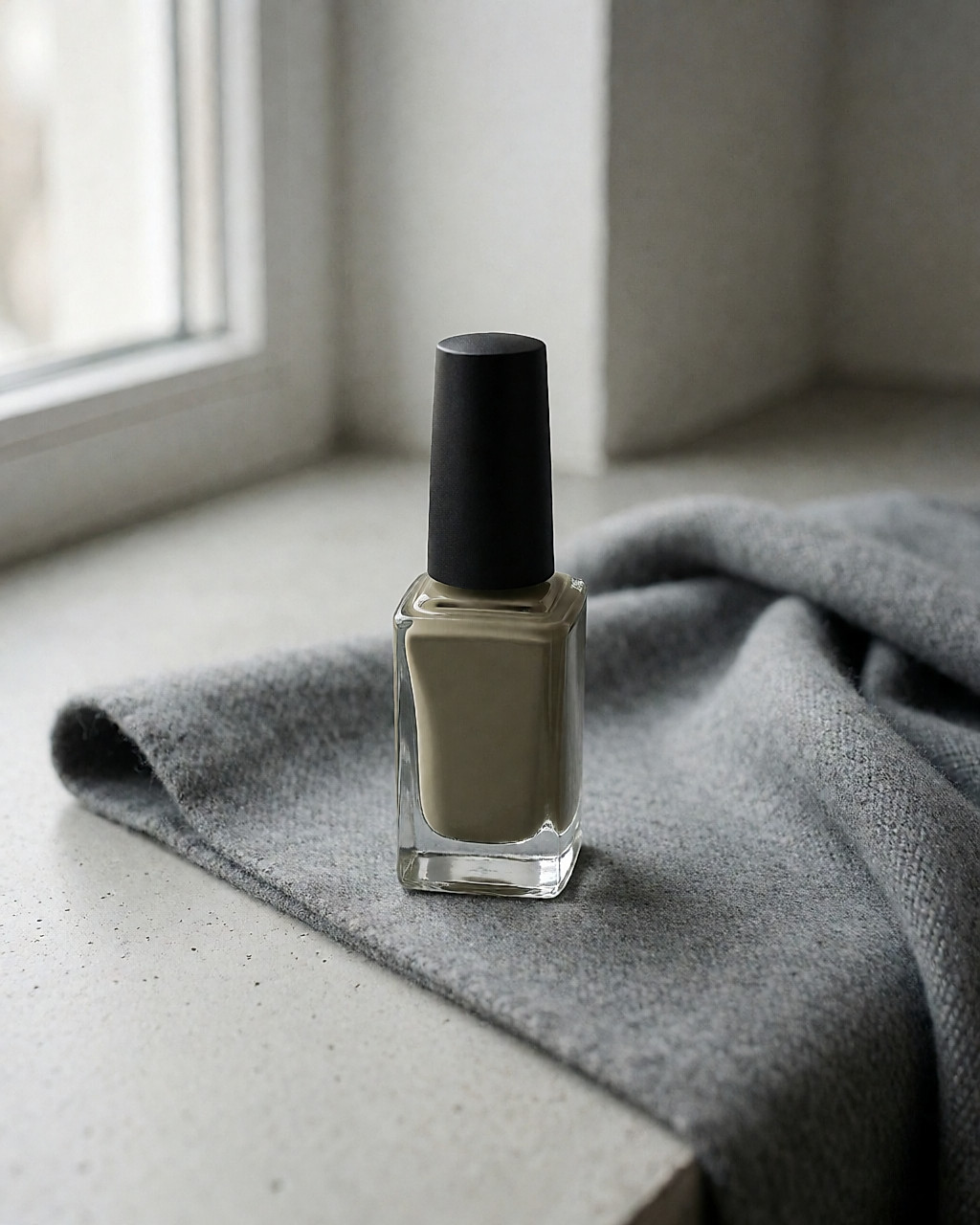
Taupe remains the easiest shade to wear: a slightly purplish grey-brown that works as well with jeans as with a wool jumper. At Essie, the permanent range has several versions, from lightest to deepest — colours you can keep for years without tiring of them. Khaki, meanwhile, embraces its military side and breaks up an overly sensible look. With green, you go off the beaten track with dark blue-greens, almost black depending on the light: in reality, it is the shade that surprises most when you buy it, and often the one you wear most afterwards.
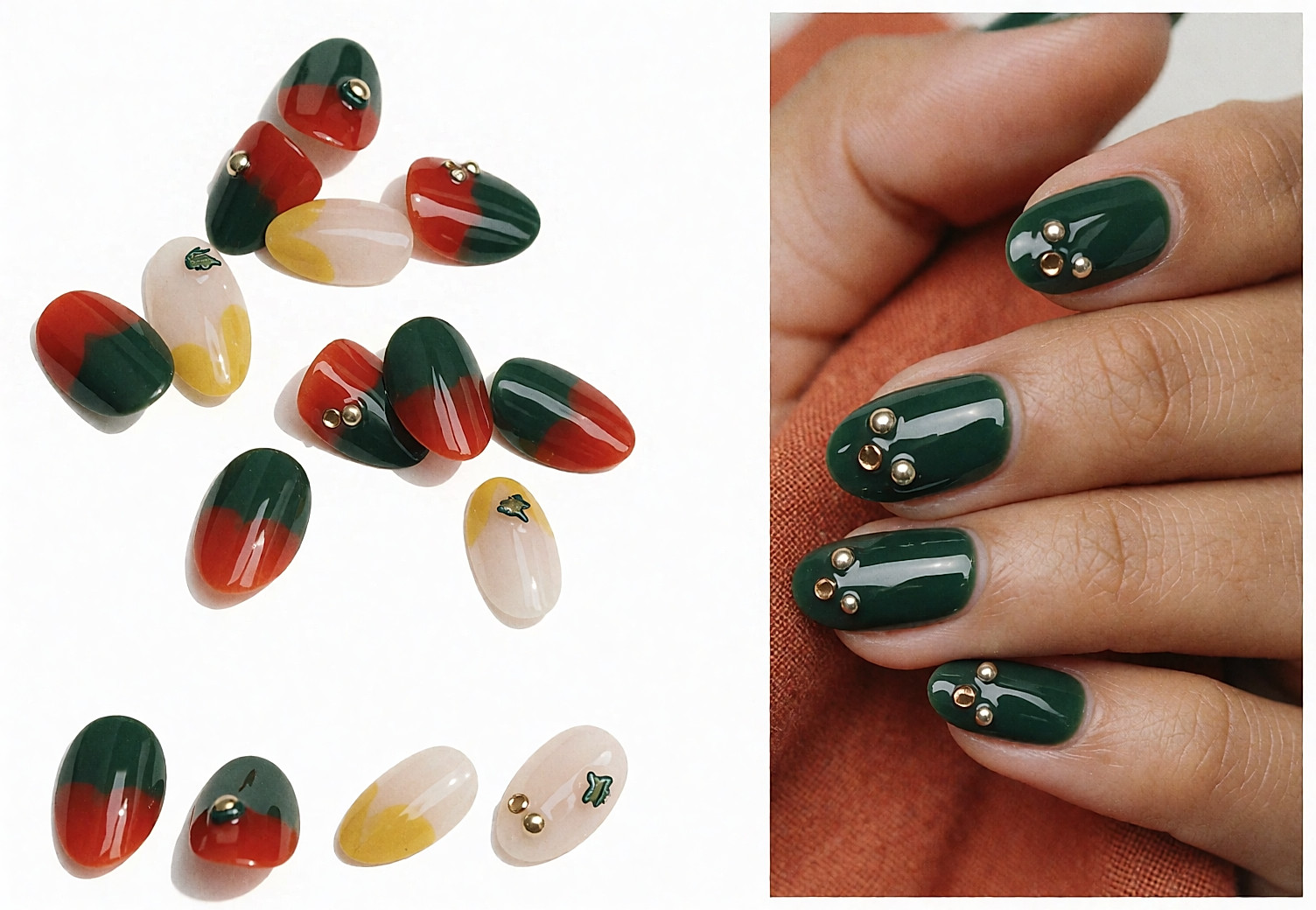
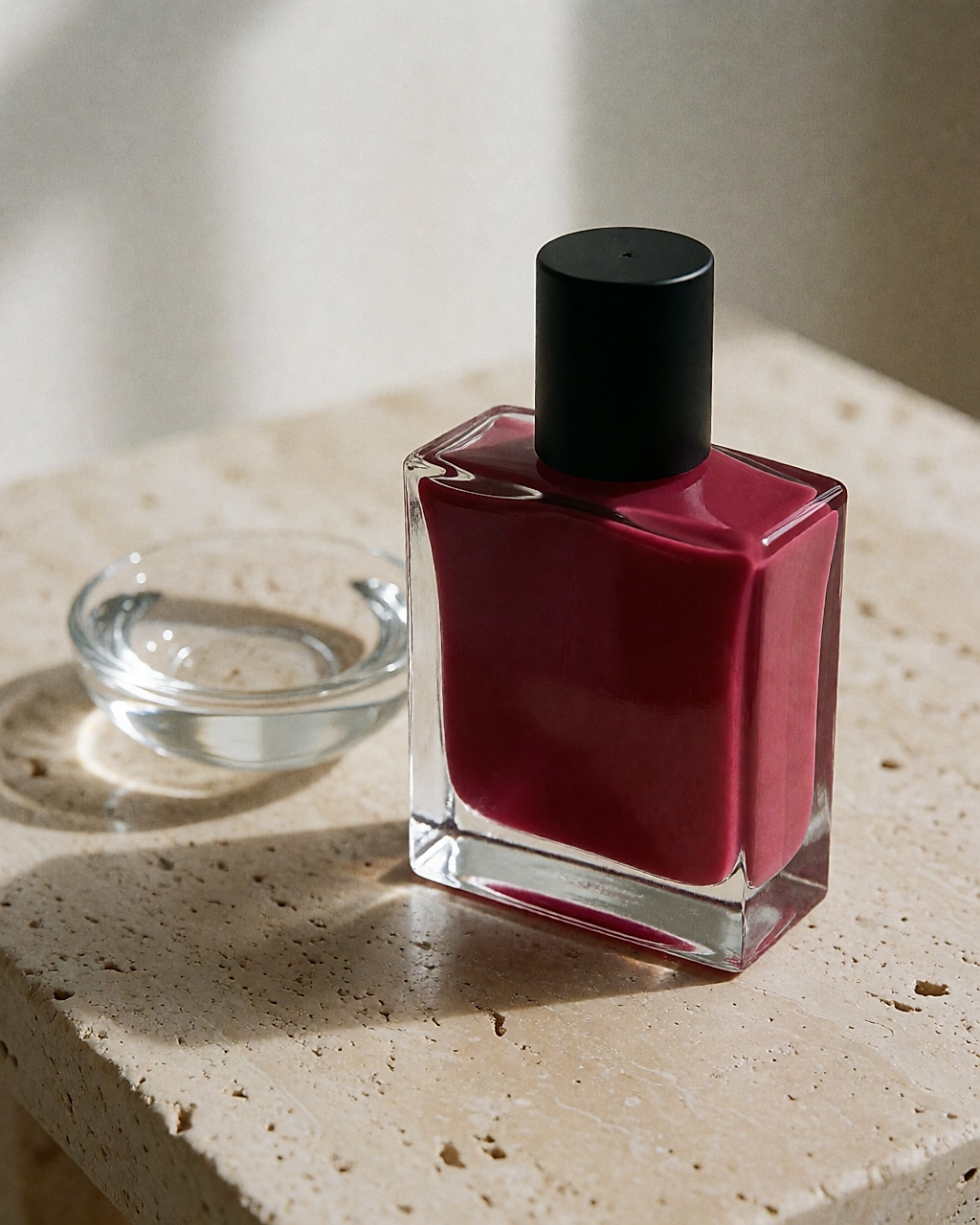
Burgundy and blue-black: timeless classics
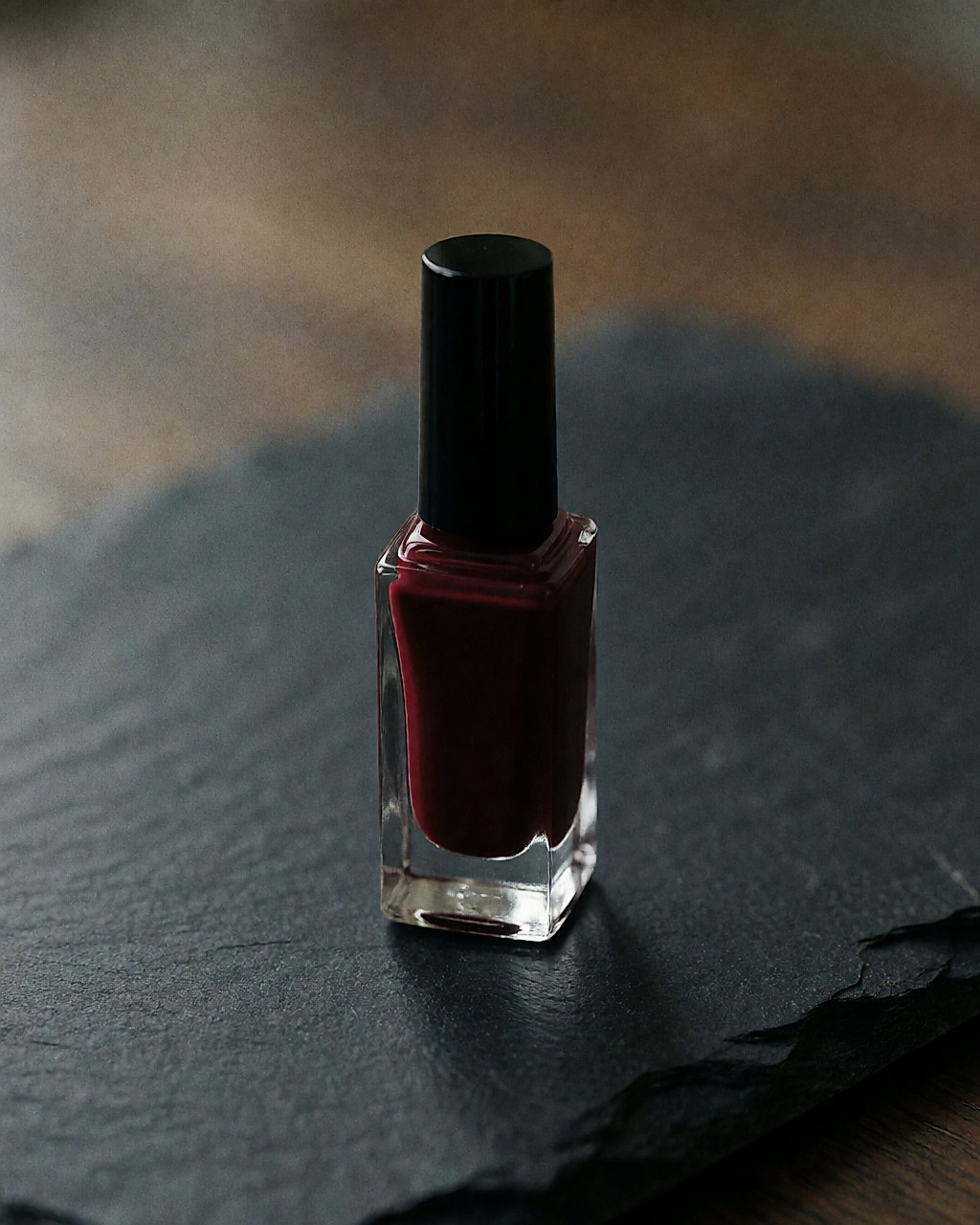
A burgundy is a safe choice. At OPI and Essie, dark reds, almost plum, return every season. Dior translates its signature red into a polish, in a bottle that remains an object in its own right. Blue-black, meanwhile, plays with mystery without going strictly black. The move that changes everything? Two thin coats rather than one thick one: the colour is more even and dries faster.

Glitter, chrome, metallic
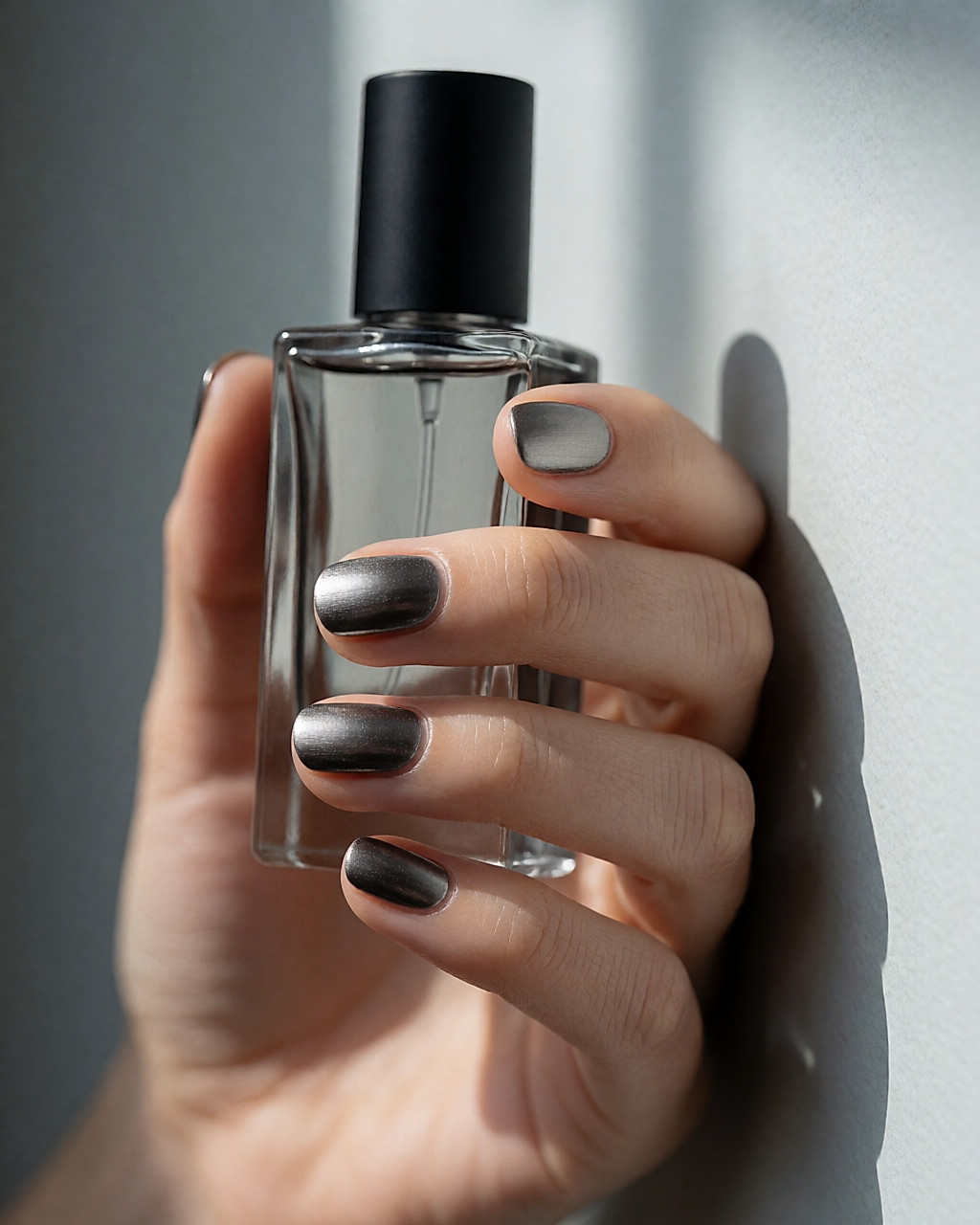
Glitter is no longer just for December. A slightly pearlescent or chrome finish, applied in one coat over a dark base, is enough to transform an ordinary manicure. Two caveats, though: glitter can make polish a little more fragile and calls for a stronger remover. If you want to try it without committing, stickers and transfers take five minutes to apply and come off with warm water.
Is gel polish worth it?
Two weeks flawless, the third with a corner starting to chip. In a salon, wear is more consistent. At home, the LED lamp and nail prep make all the difference. Start with a single colour before investing in a full kit. :::
Documented but not tested by me: so-called 'breathable' formulas, whose claims remain difficult to verify in practice.
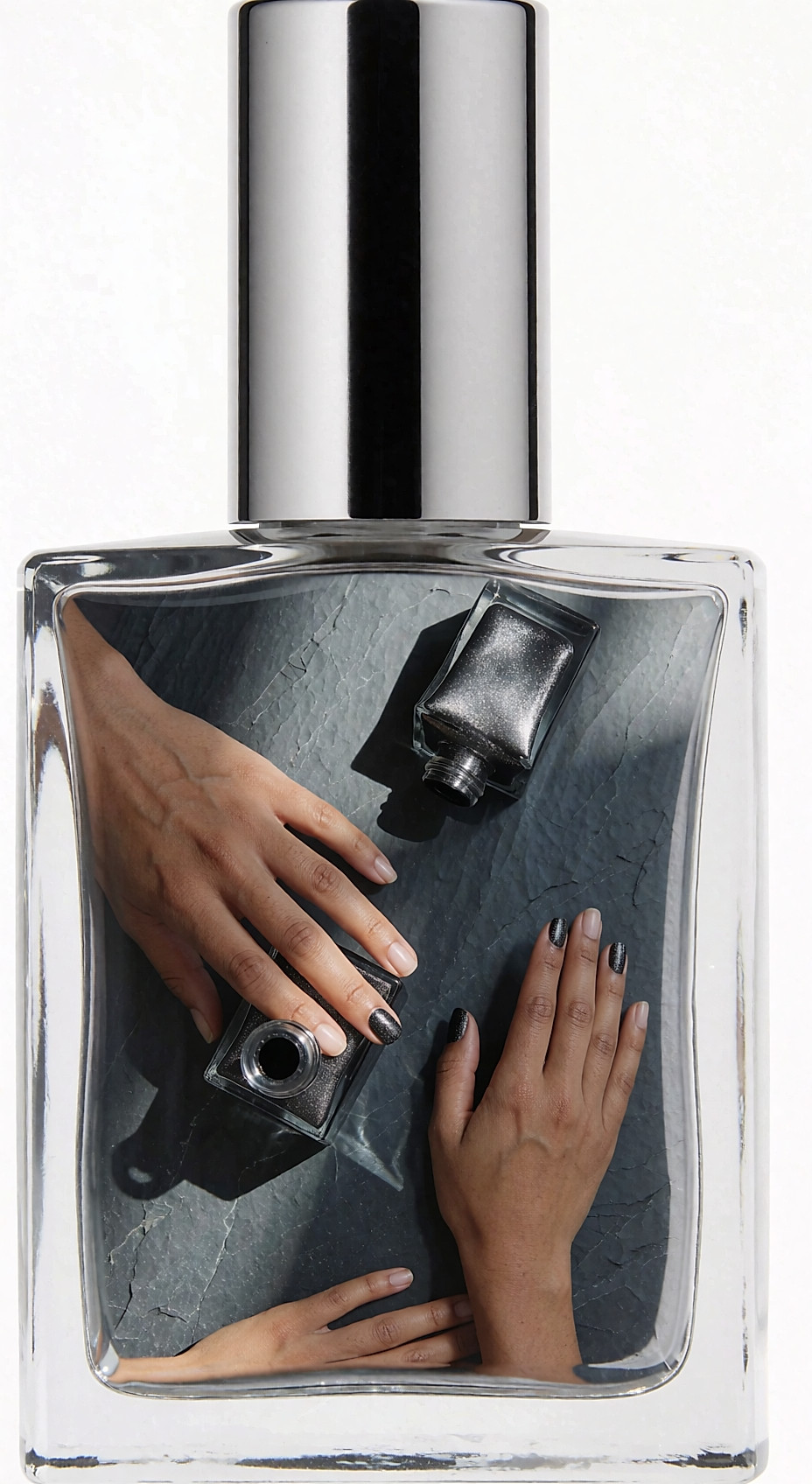
On formulation, manicures are not the most virtuous ground: a classic polish is still mostly made up of solvents. Some brands are working on formulas without controversial ingredients, in glass bottles, with a proportion of natural origin. The Cosmos or Ecocert standards govern that proportion and manufacturing, plus some packaging criteria (recyclability, biodegradability, exclusion of certain materials) — they do not guarantee how well the polish wears. The real win here is to buy little, finish your bottles and choose a remover without unnecessary fragrance.


Budget
Expect to pay around £5 to £12 for a mainstream polish from a supermarket, beauty retailer or online, and £25 to £35 for a luxury bottle. A salon gel manicure is usually £30 to £60 including removal, more in big cities. An at-home kit costs £40 to £90, including your first polishes. Prices vary with size, location, technician and type of application.
Sources
- Official websites of Essie, OPI, Dior and Chanel, nail polish pages
- British Vogue, beauty section, seasonal nail trends
- CTPA (Cosmetic, Toiletry and Perfumery Association), public information on the UK cosmetics market
- Cosmos Standard and Ecocert, cosmetics certification criteria




Comments
Your opinion matters: rate the article, react and reply to comments.
Comments are moderated; AI-assisted comments are flagged. Text emoticons (8-), :-), <3…) are automatically shown as images.