
In summer, your make-up bag has a different job. It has to hold up in the heat, cope with sand and salt water, then be touched up in three minutes between swims. At home, with a seven-year-old and a three-year-old, the bathroom looks like a busy station at rush hour. So I sorted, tested and ruled out anything that couldn’t survive a day outdoors. Here’s what made the cut.
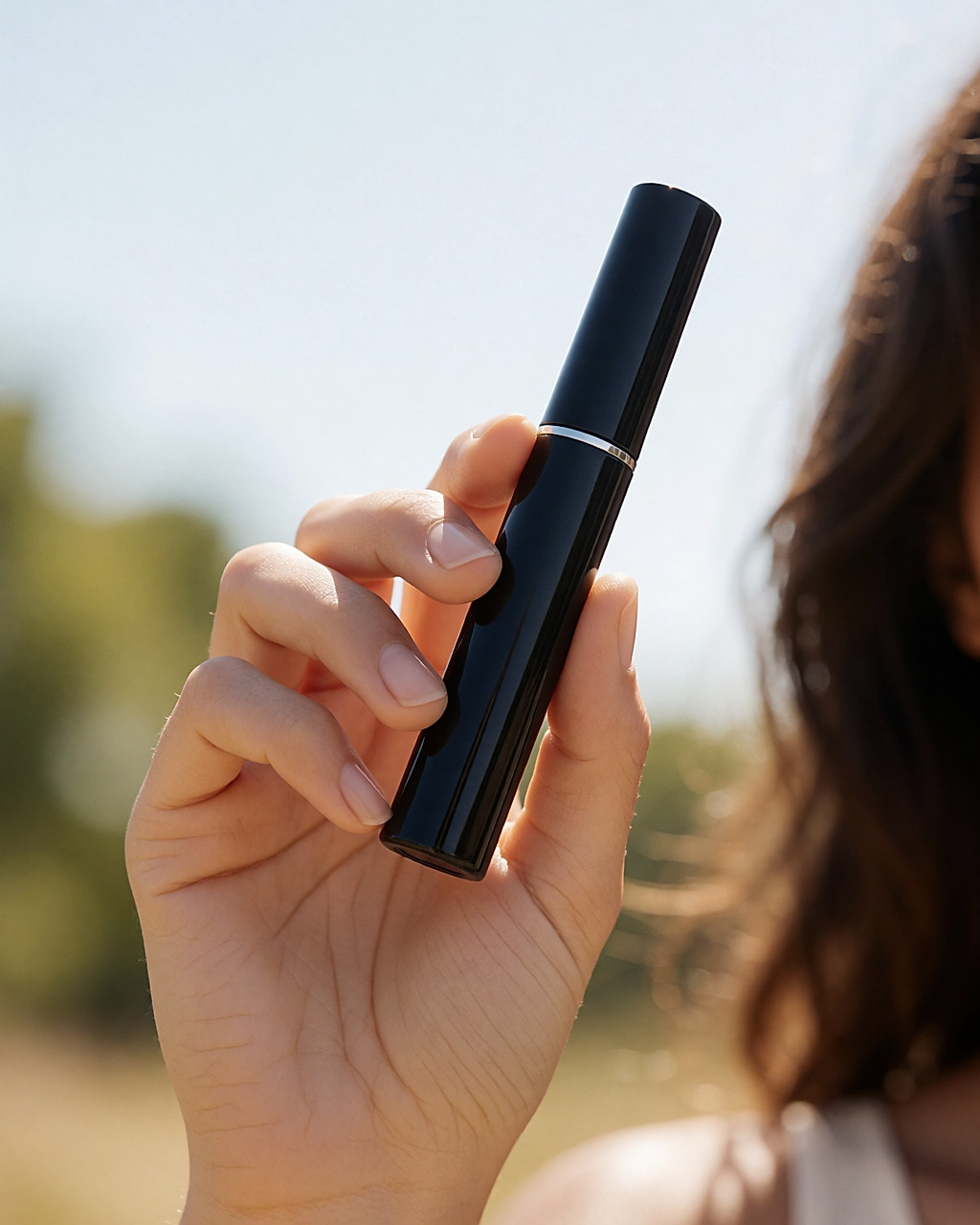
Cream eyeshadows: the texture that lasts
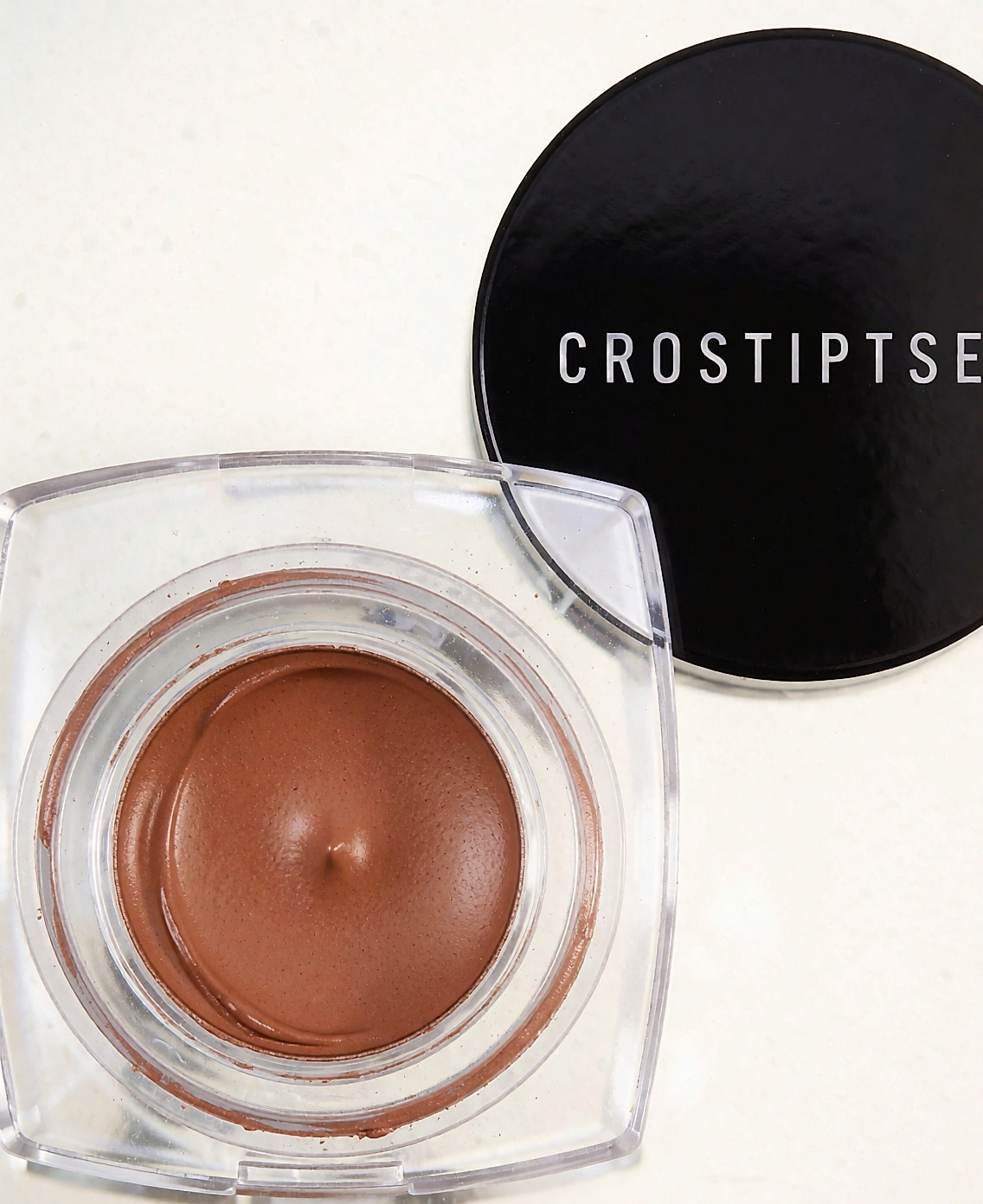
Know the struggle with pressed powder eyeshadows? Flawless to begin with, then an hour later it has all slipped into the crease. Cream shadows, by contrast, often wear better on the skin and shift far less.


On combination to oily skin, the staying power is in a different league. Stick formats, which you draw on directly and then blend, are still very handy to slip into a beach bag.
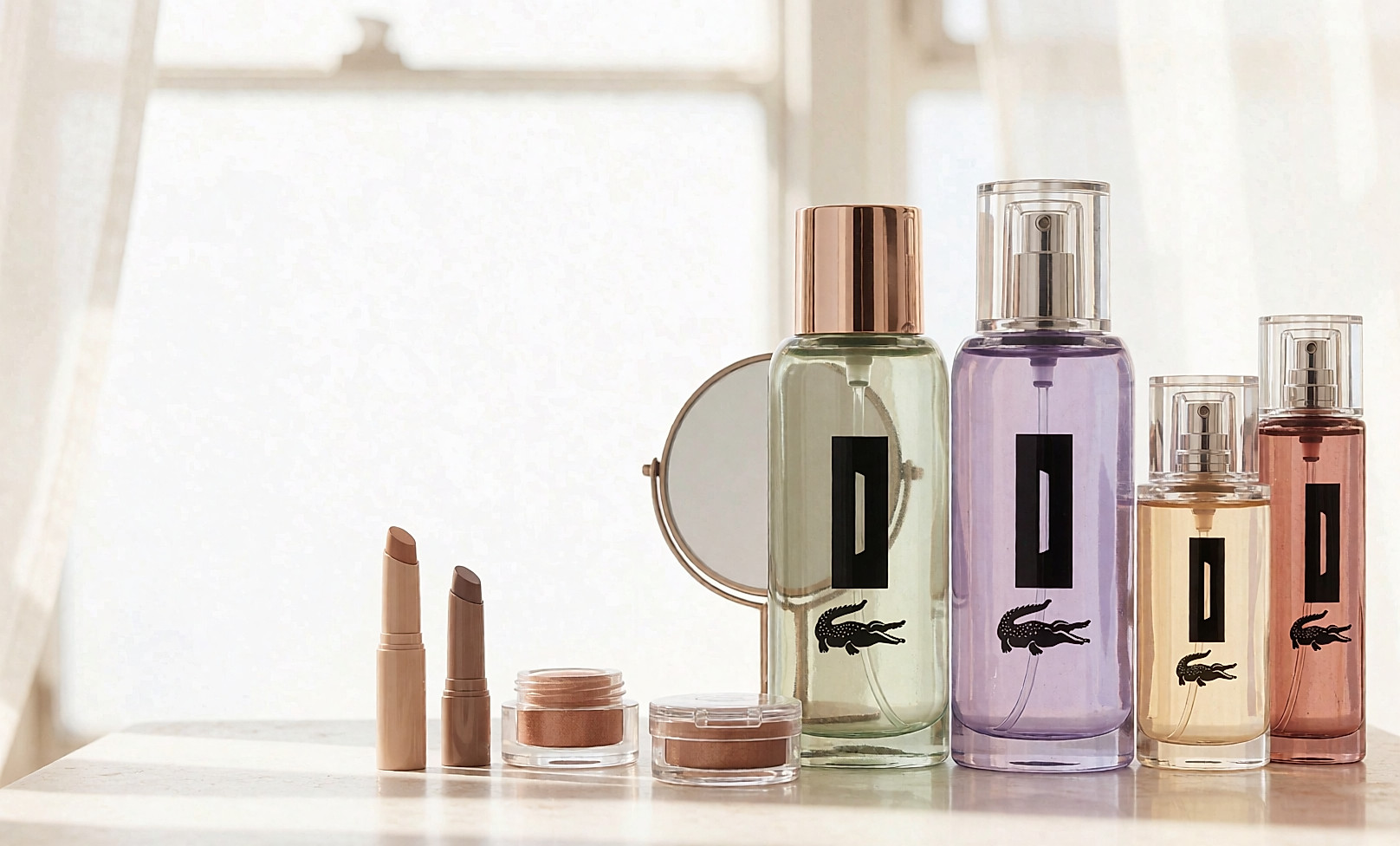
When it comes to shades, warm nudes, taupe and copper often work on lots of skin tones: a light shade over the whole lid, a darker one in the outer corner, and your eye look is done in two minutes!
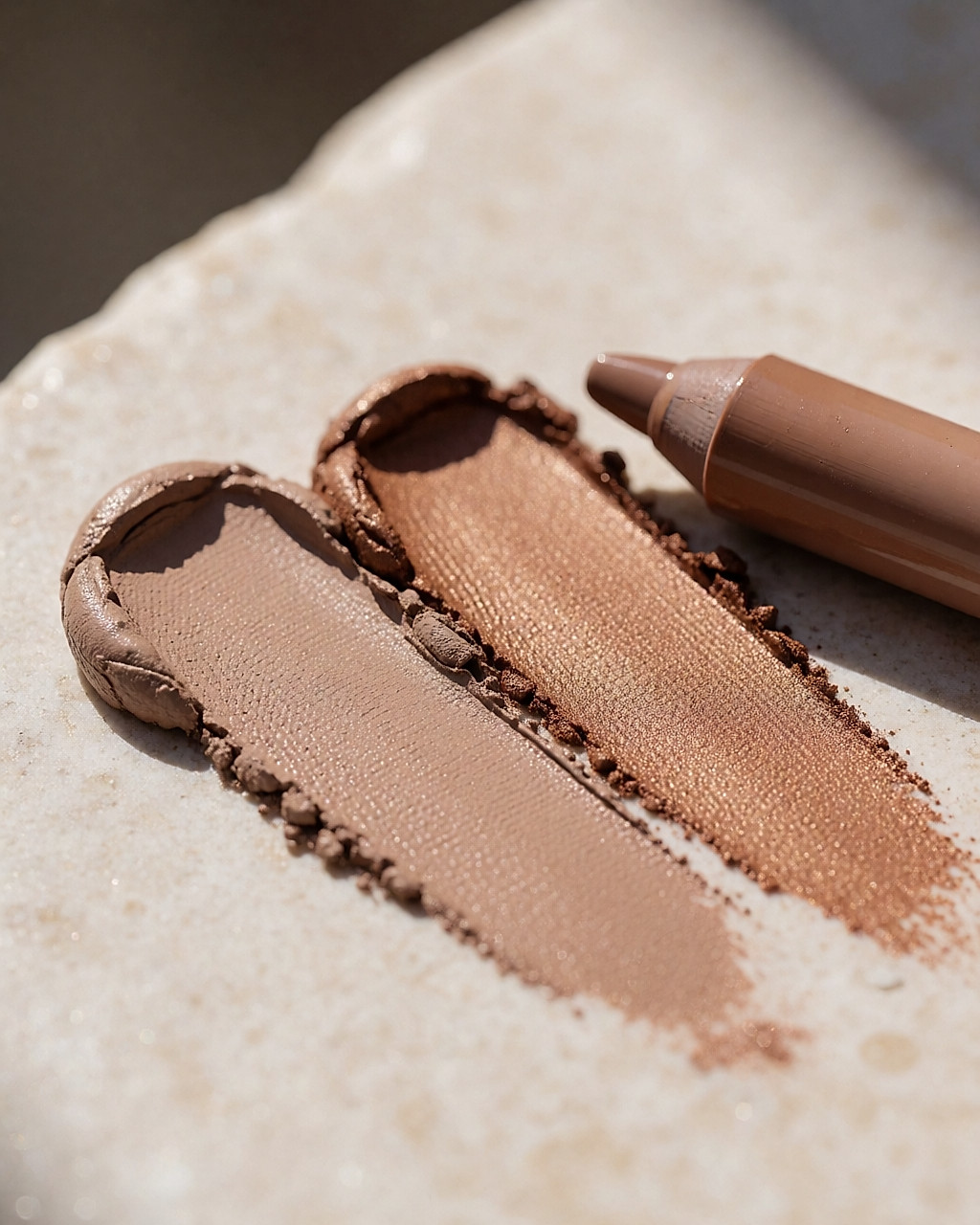
Palettes: keep your eyes open before you splurge
Summer palettes have a recurring flaw: plenty of packaging, sometimes less substance. I have seen countless limited editions that looked stunning in photos and were frankly disappointing once applied — dusty powders, shades that all look the same.
Three checks before you head to the till: at least two matte shades you would genuinely use every day, a finely milled powder (you can feel it on the back of your hand), and a mirror that is a decent size if you do your make-up on the train or in the car.
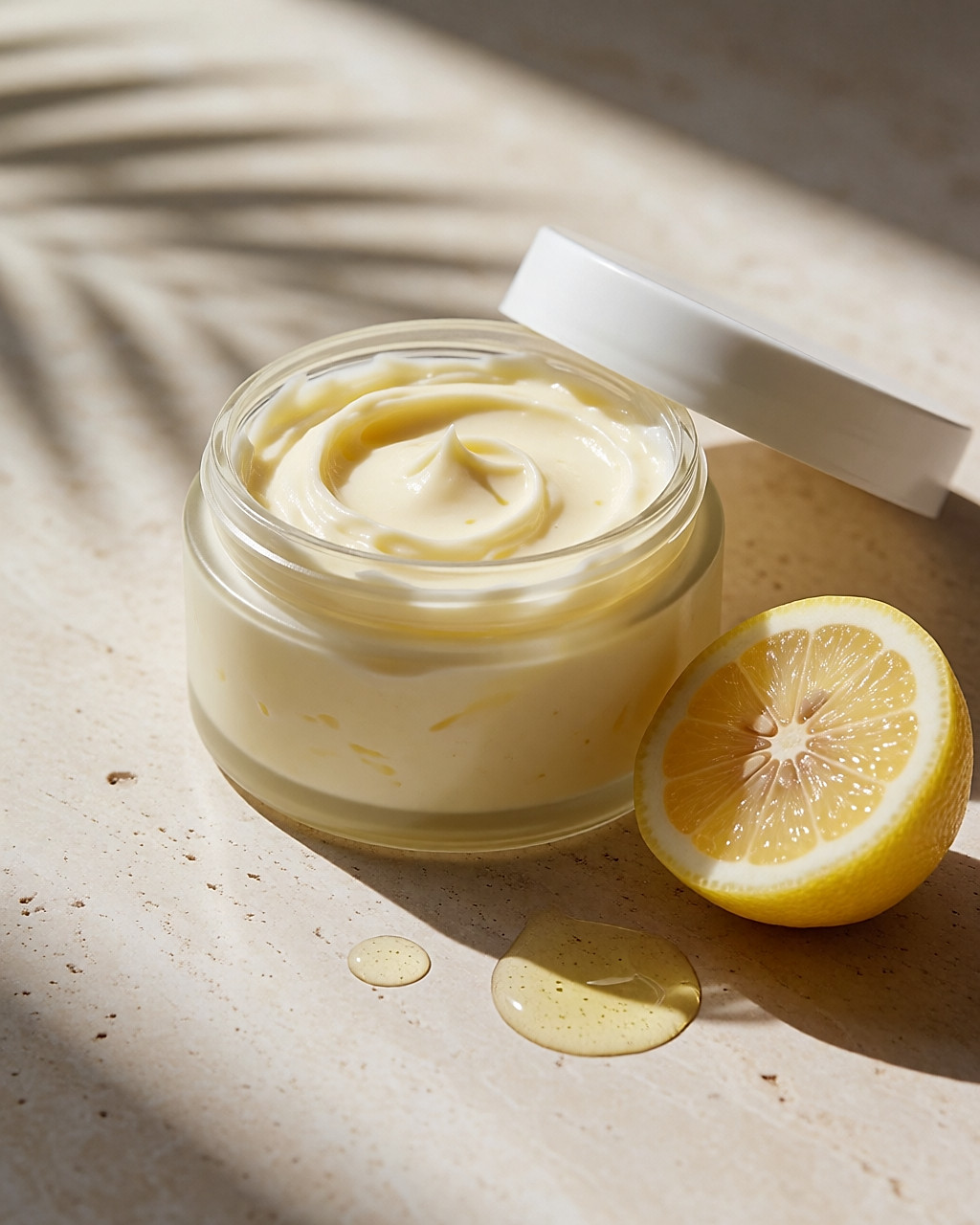
I haven’t tested every new launch this season, and I’m cautious about products I don’t know. Big brands refresh their collections every spring, often around copper and gold tones: if an edition appeals to you, don’t delay — this kind of product disappears from the shelves quickly.
After-sun: moisturise without stickiness
This is the part I get wrong most often. After a shower, skin feels tight, and the reflex is to pile on a thick cream. The result: you stick to the sheets all night.
A lightweight after-sun lotion or gel, with aloe vera or monoi, does the job without that filmy feel. The small detail that matters: apply it to skin that is still slightly damp, straight after a shower. You use less, spread it more evenly, and the step becomes second nature. It obviously won’t erase sunburn — that isn’t its job: the formula is simply designed to soothe and limit dryness.

Also look for the words 'after-sun' rather than 'moisturising lotion': it usually indicates more soothing ingredients, useful when skin has had too much sun.
Hair: the post-beach treatment
Salt, chlorine and UV rays damage the hair fibre, especially on lengths that are already coloured. A rich mask with plant oils, applied after shampooing to towel-dried hair, is often the most effective treatment.
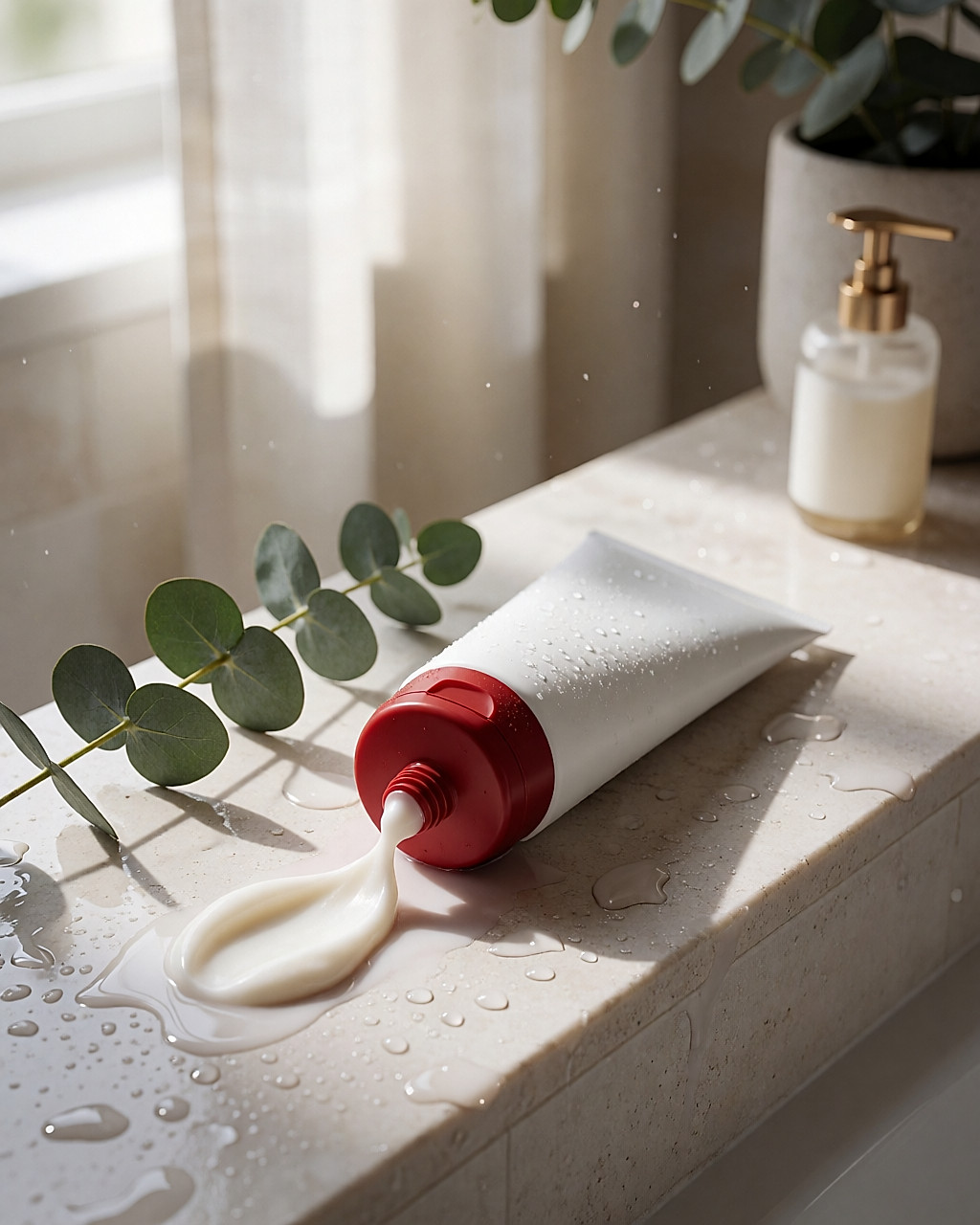
Amazonian oils, very common in current hair formulas, are known for coating the hair fibre without weighing it down too much — as long as you don’t layer three products. Leave for a few minutes, then rinse with lukewarm water. At the end of your shower, a blast of cool water gives a pleasant fresh sensation; it doesn’t replace the mask.
A tester’s tip: keep the mask in the shower, not in a cupboard. You use it far more often when it’s within reach — and that’s the difference between a treatment you bought and one you actually finish.
Budget
Four products is still reasonable, but prices vary enormously depending on the range and where you shop. Expect roughly:
- Cream shadow or stick: £9 to £22 in supermarkets or online, more like £13 to £26 in beauty halls or from natural brands.
- Palette: £13 to £40 depending on the brand, up to £55 for an organic or refillable version, which costs more upfront but less over time.
- After-sun: £7 to £22, in supermarkets, pharmacies or health food shops, depending on the size.
- Hair mask: £7 to £27 per pot; expect £13 to £30 for an organic formula from a specialist retailer.
These ranges vary depending on where you live, the size, the range and the retailer. Where to find them? Supermarkets and beauty halls for price, pharmacies and beauty halls for samples and advice, health food shops and online retailers for natural formulas.
If you’re looking for natural or organic products, don’t rely on the brand name: look for a certification. COSMOS Organic or Soil Association certification set rules on the proportion of naturally derived and organic ingredients, and restrict certain ingredient families. What they don’t guarantee: effectiveness, or your skin’s tolerance. And for after-sun, a well-formulated conventional product can do the job perfectly well — the best treatment is still the one you actually apply.
What stays in the make-up bag
A cream shadow stick, a palette that is two-thirds matte, a light after-sun, a hair mask. Four products, no more, and the summer routine fits into one make-up bag.
Before investing in a new launch, ask for a sample. Most brands give them out in beauty halls, and two applications are enough to know whether the texture suits you. It’s the cheapest way to avoid a bottle that ends up at the back of a drawer.
Sources
- NHS — sun safety and protection advice.
- COSMOS Organic / Soil Association — standards for natural and organic cosmetics.
- Which? — product comparisons and testing.



Comments
Your opinion matters: rate the article, react and reply to comments.
Comments are moderated; AI-assisted comments are flagged. Text emoticons (8-), :-), <3…) are automatically shown as images.