
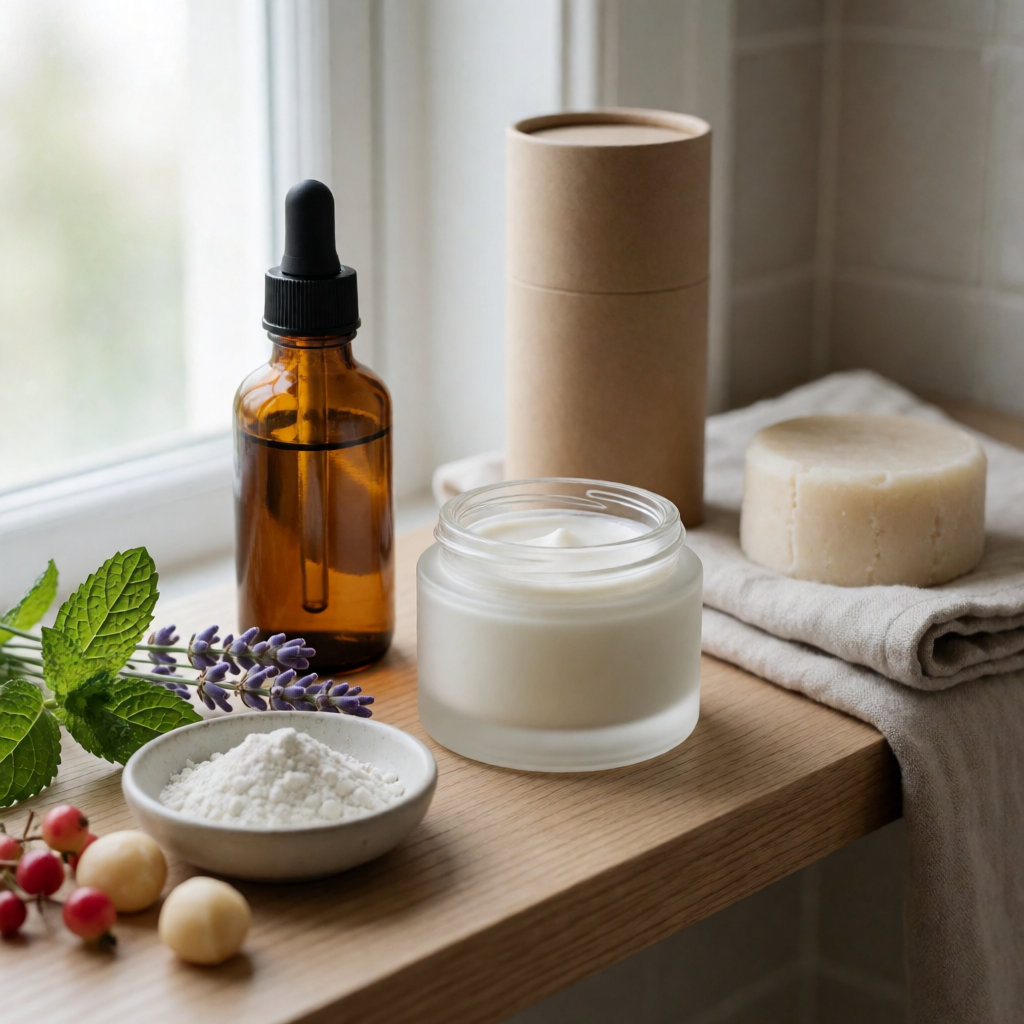
Have you ever picked up a tube, seen 'organic' in large letters on the label, then put the lid back on without really knowing what the word promised? Me too. Reopening the Bi Oh! archive—a small French range now long gone from the shelves—helped me make sense of my own bearings. And believe me, that story still says a lot about what goes on in the organic aisle today!
Three women, three relationships with organic
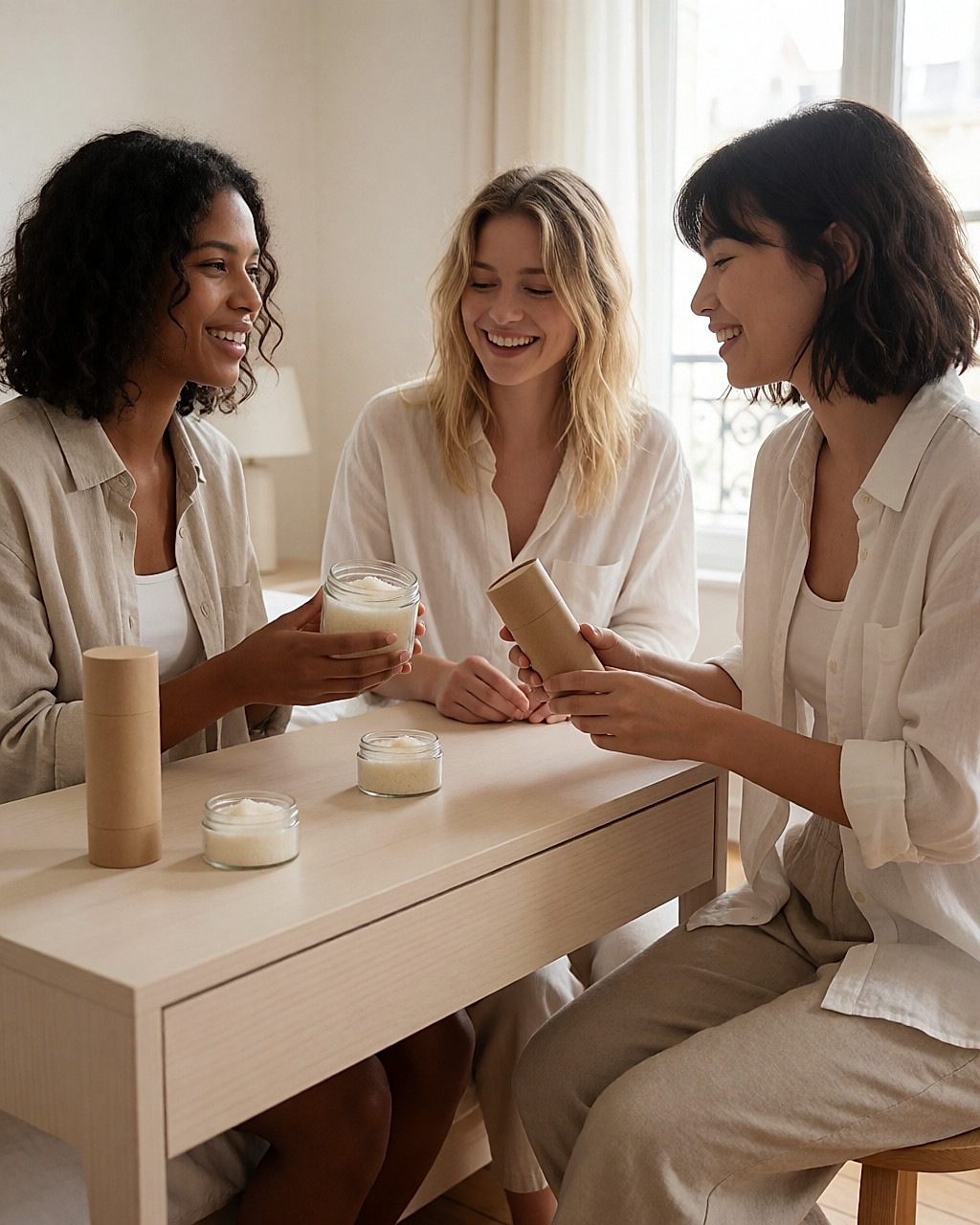
Bi Oh! began with a trio. Anna, the youngest, grew up with these values and claims a form of quiet activism: making things change rather than rejecting everything wholesale. Jeanne, in her thirties, passionate about fashion, came from far away—she found organic cosmetics dreary, the scents confusing, the packaging frankly austere. Her aim came down to one sentence: smash that image. Sarah, in her fifties, a mother, has always bought organic, out of common sense, and says it plainly: price remains the first obstacle. All three wanted the same thing—to make these routines accessible, attractive, and not reserved for an elite.
What the Les Basiques range contained
The line had 18 products for body and face, designed for normal skin and hair, with scents of red berries, mint or lavender, and actives such as white clay, bamboo or macadamia nut. Body and hair care could suit everyone; face care, no. You don't formulate a day cream like a shower gel, and reactive skin won't necessarily find what it needs.
On price, the range went from around £3.50 to £11.50, with a hand cream from about £4.50, a gentle exfoliant from about £5.50 and a shampoo from about £4.50. A deliberately entry-level offer, then—and honestly, that's what made the promise credible: pretty organic that wasn't overpriced was still a new idea at the time.
I never tested these products: they are no longer sold. What I can do, however, is check what the labels displayed were worth—because that's where it all still hinges today.
The label, the real information
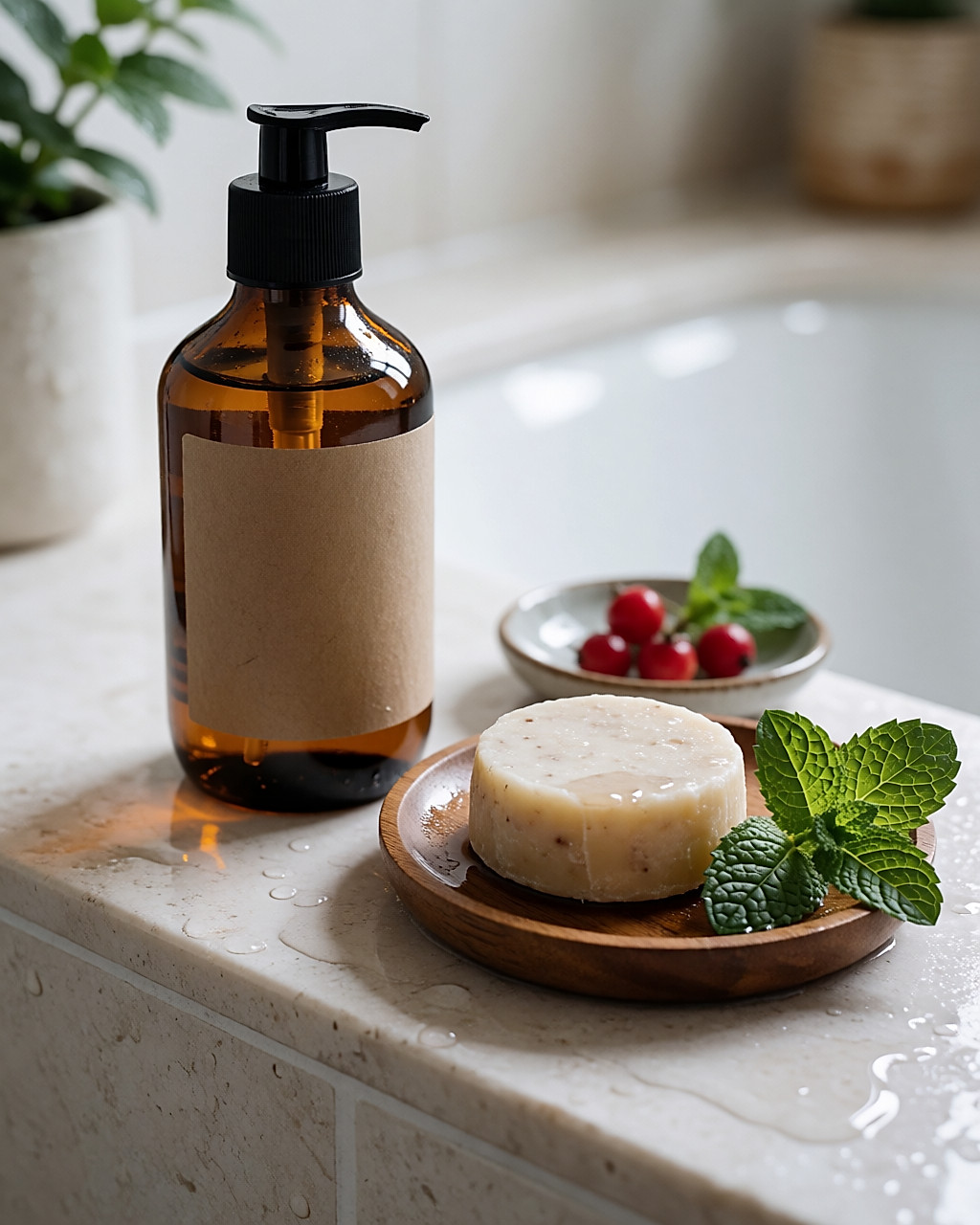
The brand was certified by Ecocert and carried the Cosmébio label. Good news: that framework still exists, but it has evolved! The French and European standards came closer together under the COSMOS standard, supported in particular by Cosmébio, Ecocert, BDIH, ICEA and the Soil Association, with two levels: COSMOS ORGANIC and COSMOS NATURAL.
Concretely, these specifications set the proportion of naturally derived ingredients. Only the ORGANIC level additionally requires minimum thresholds of organic ingredients in the finished product and certified organic plant ingredients; COSMOS NATURAL merely requires a high percentage of natural ingredients. Thresholds vary by category, too—a rinse-off product is not judged like a day cream. Key point: in a formula containing water, a cosmetic can never be '100% organic', because water is not an agricultural ingredient. An anhydrous cosmetic, however—oil, balm, powder, some solid shampoos—can be made only from organic ingredients under certification. A bottle that promises '100% organic' without that clarification is a warning sign!
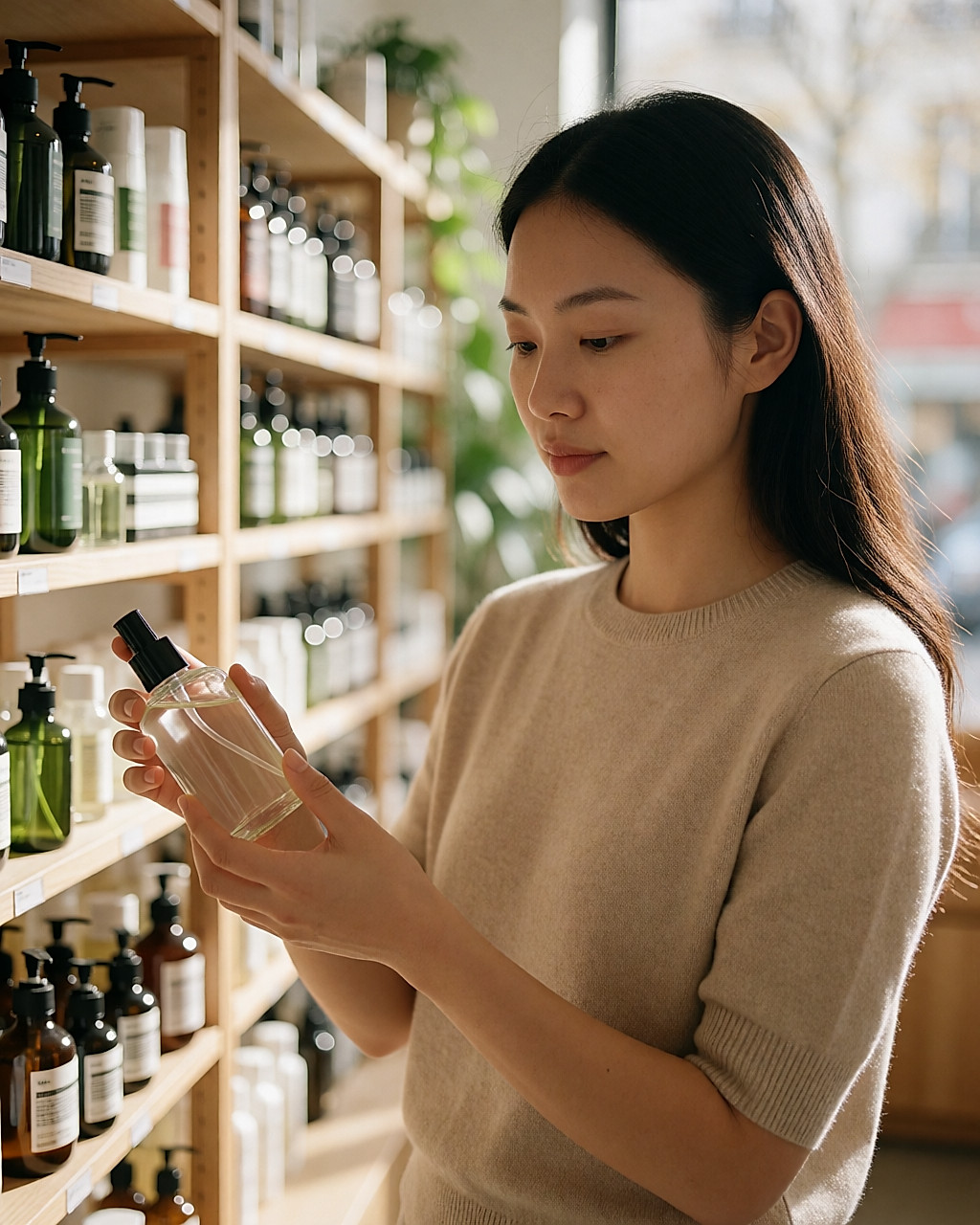
The move that changes everything in the aisle. Turn the product over and read the INCI list. The first five ingredients give a good indication of the formula: if fragrance or alcohol comes first, the formula may be harsher on reactive skin. Then look for the COSMOS ORGANIC or COSMOS NATURAL logo, then the name of the certifying body. And look at end of life: glass, card, refill, single-material tube. Packaging sometimes weighs heavily in a product's environmental footprint.
Budget: what it costs in 2026
Prices remain variable, but the range is wide.
- Organic hand cream (50 to 100 ml): expect £4.50 to £10 in supermarkets or pharmacies, and up to £17 for a specialist brand.
- Solid organic shampoo: £6 to £13 per bar, sometimes better value than a 250 ml bottle.
- Organic shower gel (500 ml): £4.50 to £10.
- Body scrub (200 ml): £7 to £17.
- Organic face care (30 to 50 ml): £13 to £34, often the most expensive category.
What makes the price vary: the concentration of actives, the cost of certification, the refillable format, French or local manufacturing, and the distribution channel. A brand sold direct online may be cheaper than a department store beauty counter, for a similar formula—so compare, don't stop at the first bottle you see!
Where to look: supermarkets (organic aisle), specialist organic shops, pharmacies, official online brands and increasingly refill or loose formats for shower gels and solid shampoos.
Lena's verdict
Bi Oh! no longer exists, but the question asked by its three founders remains: a responsible cosmetic can be pretty, pleasant to use and affordable. It's no longer a gamble—it's become an entire aisle! So next time you hesitate in front of a label, turn the bottle over, look for the COSMOS logo and check the ingredients before the packaging. Two minutes, and you know what you're dealing with.
In other words: organic no longer needs to be militant to be credible. It just needs to be legible—and that depends only on you!
Sources
- Cosmébio, French association for organic cosmetics — cosmebio.org
- Ecocert, certification body — ecocert.com
- DGCCRF, French consumer information on cosmetic products — economie.gouv.fr/dgccrf
- Historical article 'Bi Oh! organic cosmetics', beaute-femme.org (archive consulted for factual details of the range)


Comments
Your opinion matters: rate the article, react and reply to comments.
Comments are moderated; AI-assisted comments are flagged. Text emoticons (8-), :-), <3…) are automatically shown as images.