
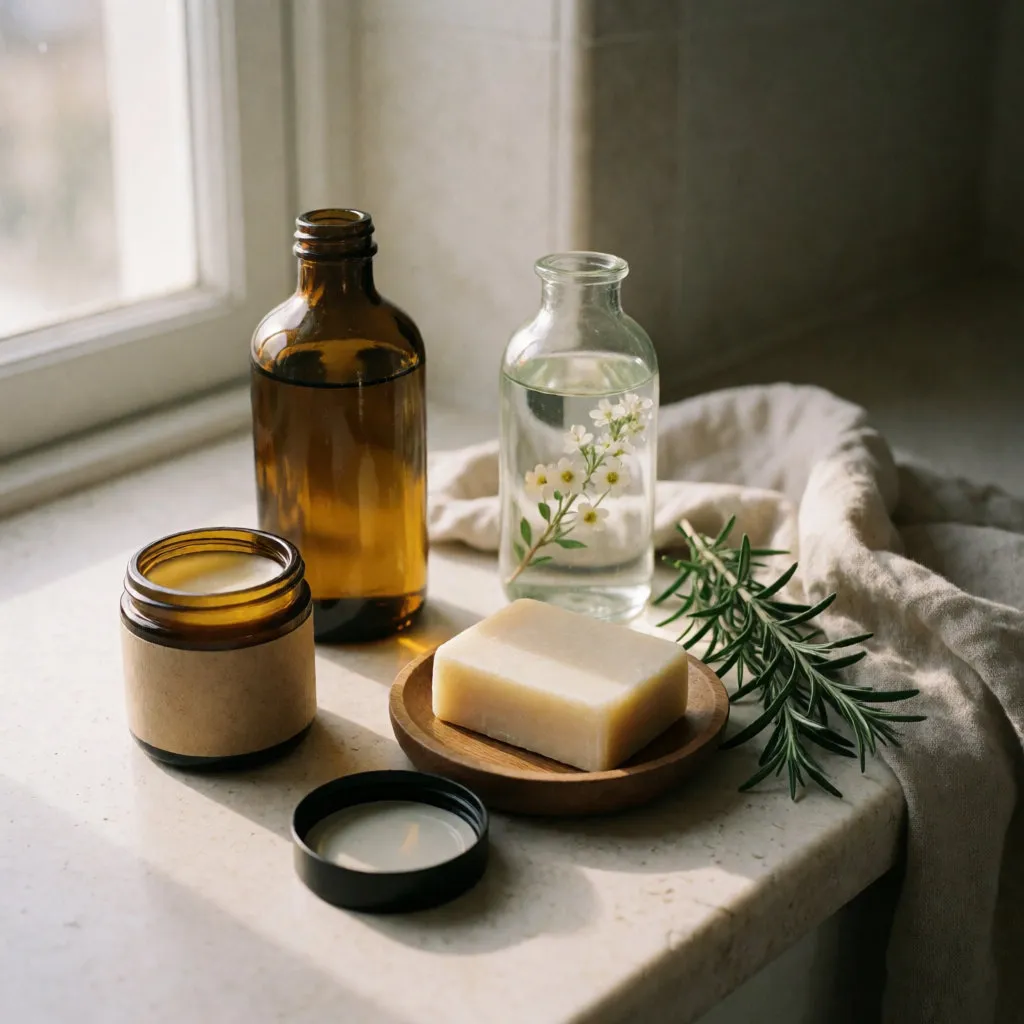
You'll know that moment of hesitation in front of the beauty shelf. Two creams at a similar price, one shouting "natural" in big letters, the other sporting a green logo you know nothing about. Which one ends up in your basket?
Before you decide, one distinction is worth pausing on: natural and organic are telling two very different stories.
Natural and organic: two words, two different statuses
In cosmetics, "natural" has no specific official definition. That doesn't mean a brand can write whatever it likes: claims have to be truthful and substantiated — in the UK, under the UK Cosmetics Regulation, which largely mirrors the EU rules. "Organic" isn't defined by a dedicated legal text for cosmetics either — organic food standards cover food, not beauty products. So both words move fairly freely, but neither rests on a single official definition. What is properly regulated is product safety, under the cosmetics regulations — and for naturalness, it's private standards that fill in the detail.
That's where labels come in. A recognised logo isn't decoration: it's a written specification, an independent certification body and on-site inspections. Three things a marketing promise rarely provides.
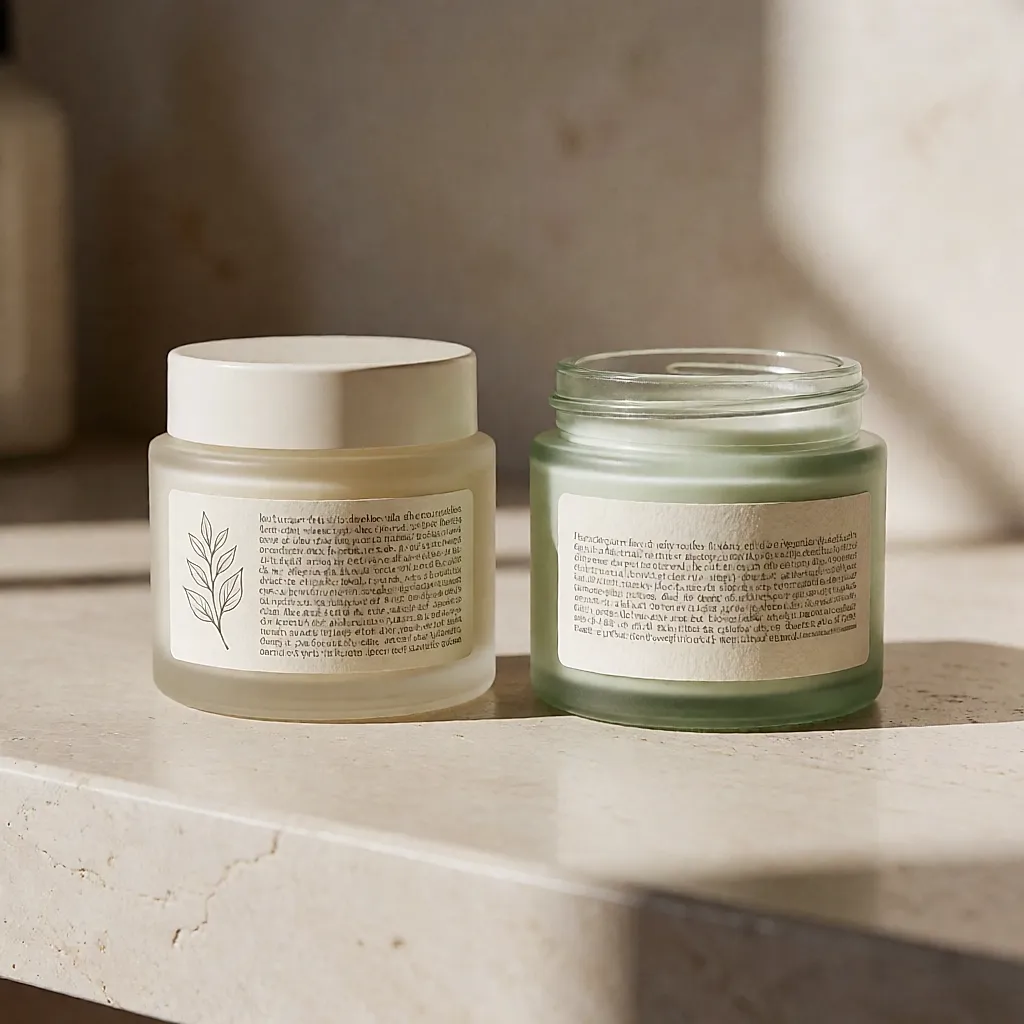
What a label actually guarantees
One of the best-known labels in France is Cosmébio, with two levels. The BIO label is the stricter one: it requires a high percentage of natural-origin ingredients, a large majority of plants from organic farming and a minimum of organic ingredients in the total. The ECO label sits a notch below. The exact thresholds are worth checking in the certifier's charter.
Alongside it is the European COSMOS standard, born from an alliance between Cosmébio, Ecocert, Germany's BDIH and other bodies. Its ORGANIC version raises the bar on the organic share of the total. The German BDIH label has since moved its cosmetics under COSMOS. You'll also come across Natrue, which is more international, and Nature & Progrès, which is demanding on plant content and the origin of materials. In the UK, the Soil Association certifies to the COSMOS standard, so the COSMOS Organic and COSMOS Natural logos are the ones you're most likely to see on British shelves.
One thing to watch: they don't all guarantee the same thing. Some cover composition, others environmental respect, others the absence of animal testing. A green logo doesn't tell you everything — it tells you one precise thing, and you still need to know which.
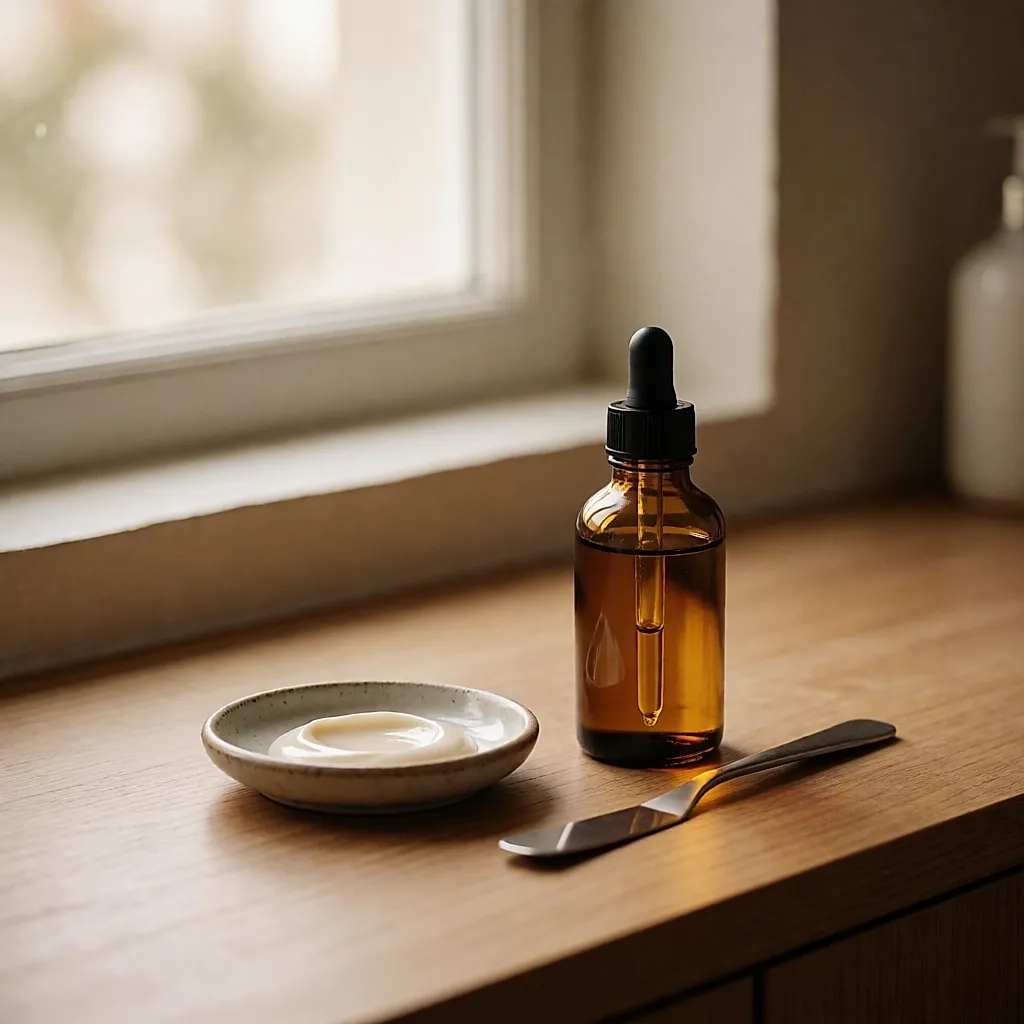
Decoding an INCI list
Ingredients are listed in descending order of concentration, with very low concentrations able to be listed afterwards in a different order. So the first five names give you the essentials of the formula. The rest — preservatives, fragrance, allergens — come at the end, but are still worth a glance.
Not in the mood to learn cosmetic Latin? Two tools can help you decode it: the INCI Beauty app and INCIDecoder.
Before you pay, three quick questions. Do I actually need this product? Is the ingredient list short enough to understand? Is there a refill or a solid format for the same product? Three yeses and you've probably got a good buy on your hands.
What matters more than hunting down ingredients
One thing is certain, though: a synthetic ingredient isn't poison by nature, and a natural essential oil isn't automatically gentle. The real problem is the vagueness — a forty-ingredient formula with only three organic ones, sold as "natural", gives you nothing more than the next product.
Also look at the format (cream, balm, oil), the application and the frequency. A glass bottle used down to the last drop, with clean hands, can do more for your skin than a luxury tube abandoned after a fortnight.
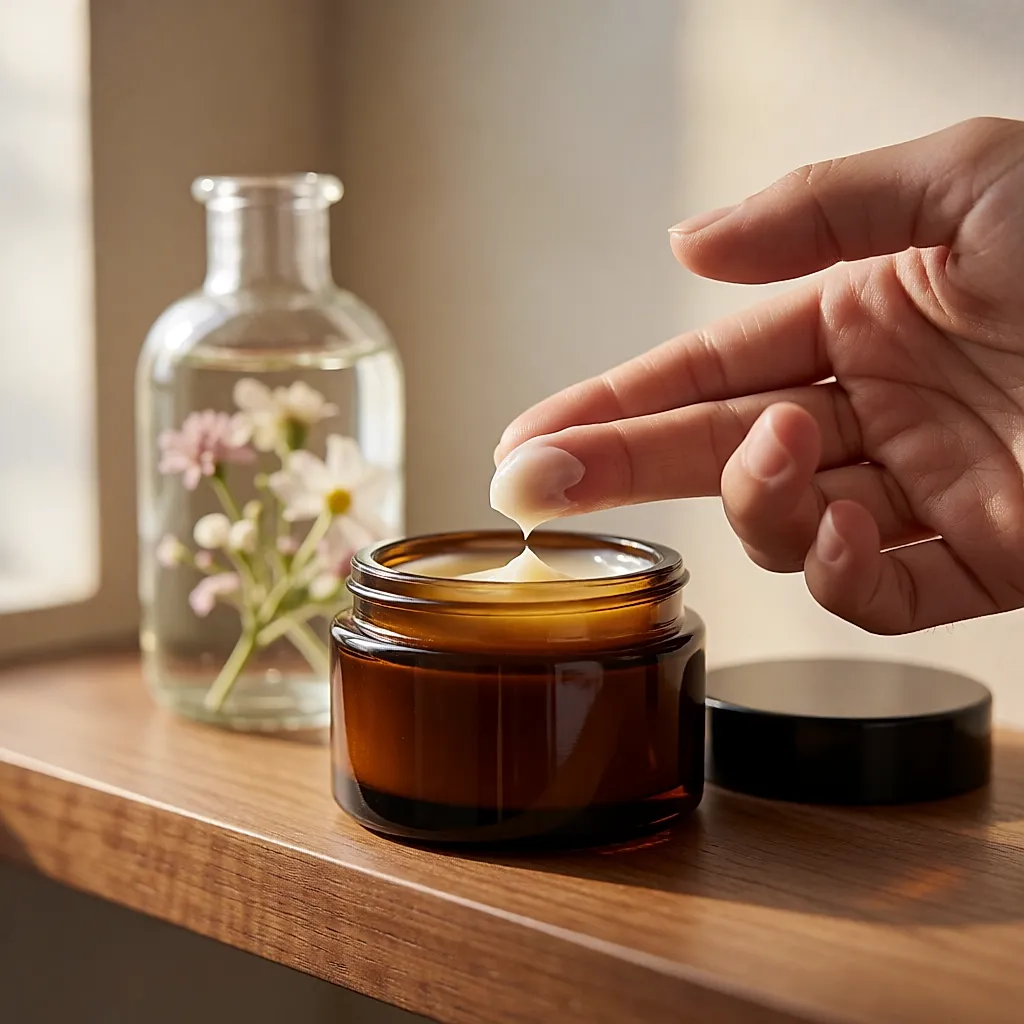
Refills, glass and solid formats: the small changes that count
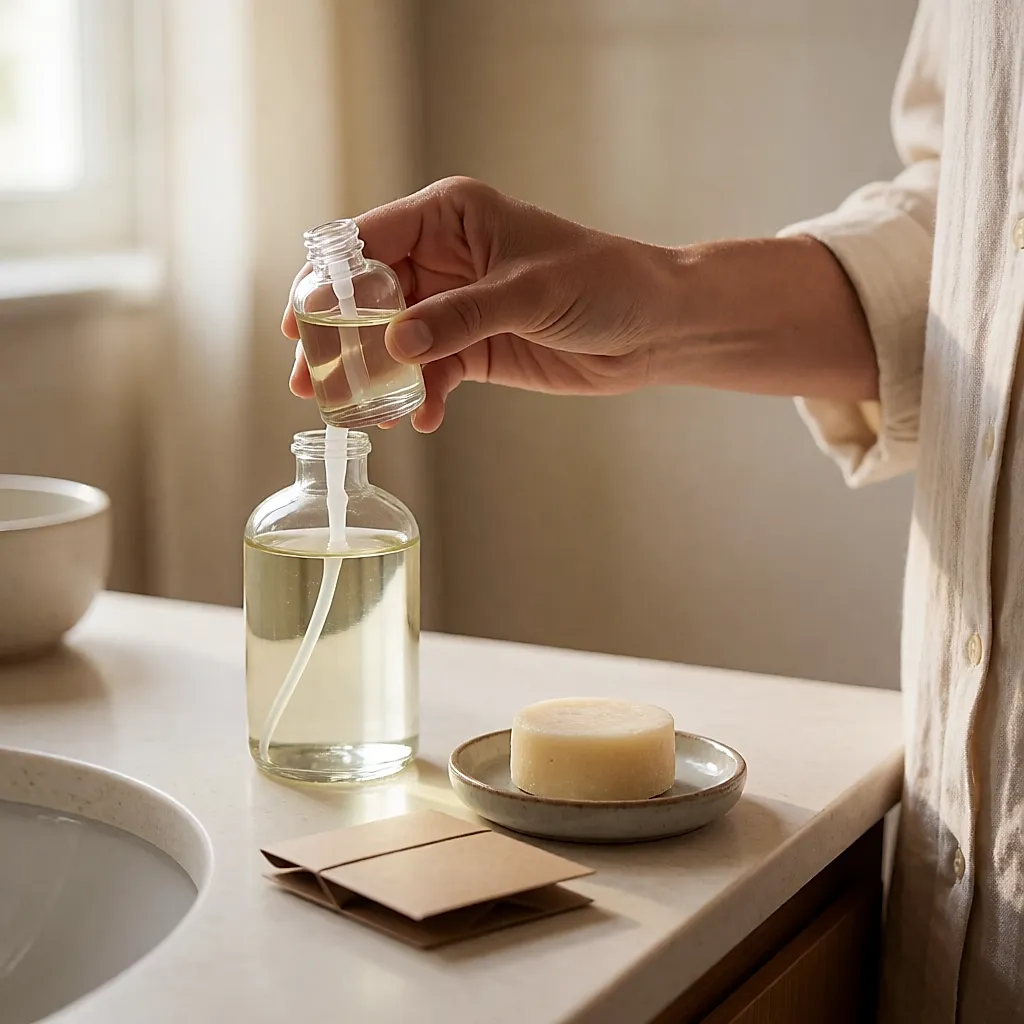
On the end-of-life side, the practical options stay simple. A refill avoids a new bottle when you reuse the original case. A solid shampoo or cleanser weighs less and often does away with plastic packaging. Glass and cardboard are recyclable, subject to the collection facilities available near you. And local manufacturing cuts transport — an argument to check on the packaging, not just in an Instagram story.
Budget
As a rough guide, an organic floral water or plant oil of 50 to 200 ml costs around £5 to £13. A certified 50 ml face cream is more like £10 to £22 in a pharmacy or supermarket, rising to £26 to £52 in a specialist shop. A solid shampoo sits between £5 and £11, an oil serum between £13 and £35.
What drives the price: the cost of organic raw materials, the cost of certification, the container (glass or plastic), the bottle size and the distribution channel. The habit that makes the difference: compare price per millilitre, not the price on the label. Where to buy? Supermarket and pharmacy for entry-level options, health food shops and brand websites for the rest, or a specialist ingredient supplier if you want to formulate your own.

Comments
Your opinion matters: rate the article, react and reply to comments.
Comments are moderated; AI-assisted comments are flagged. Text emoticons (8-), :-), <3…) are automatically shown as images.