
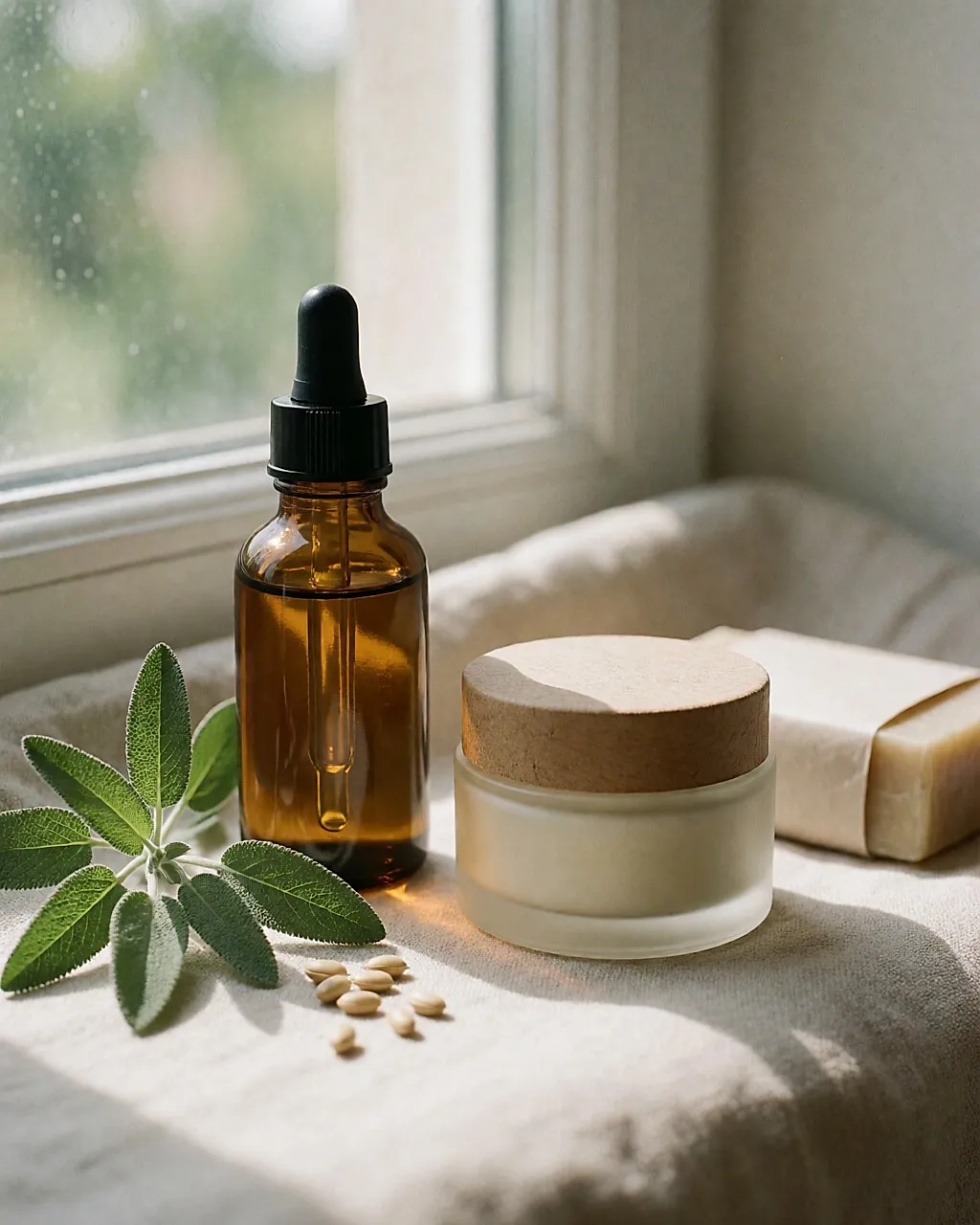
Three women, one shared vision for clean beauty
Gouapa began with a trio. Jeanne, Sarah and Anna launched their organic cosmetics shop with a simple idea: make organic desirable rather than punitive. The name borrows from 'guapa', Spanish for pretty, and from a river in the Central African Republic. A nod that sums up the approach: clean beauty has every right to be glamorous.
At the time, organic still meant austere packaging and a moralising tone. The three founders wanted to reconcile the inner and outer self, and above all not to guilt-trip people who are changing their habits one step at a time. It is an approach that still holds up, because nobody overhauls their entire bathroom cabinet overnight.
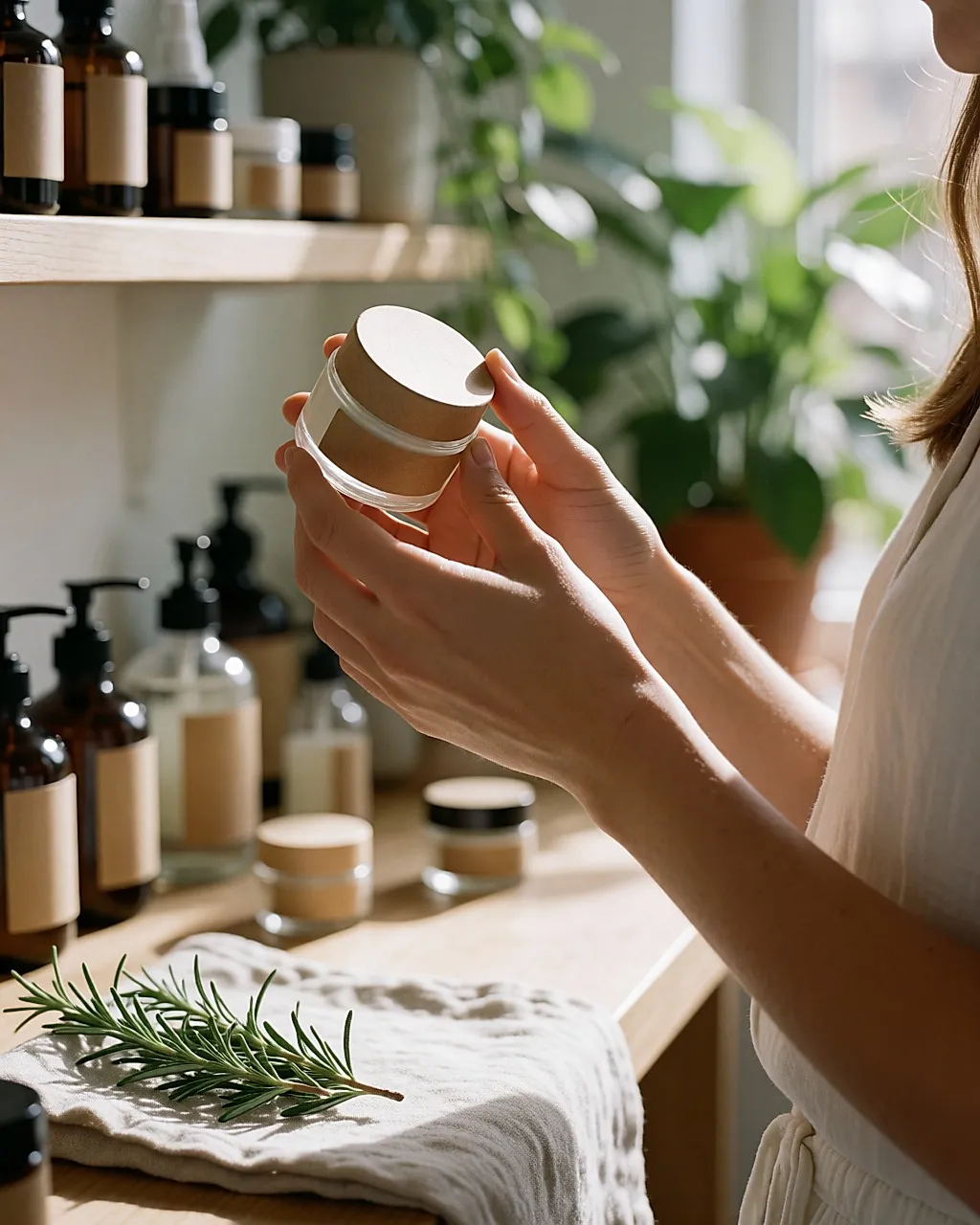
What Gouapa promised, and what you can verify
The website listed face and body products, all certified, formulated without petrochemicals, GMOs or synthetic fragrance, and not tested on animals. On paper, that is a lovely promise. In practice, an organic label does not guarantee everything, and some so-called 'natural' formulas are still very conventional when it comes to the rest of the ingredient list.
Another point to keep in mind: EU law bans animal testing for cosmetics sold in the EU, and the UK has its own ban too. So it is no longer a selling point; it is a given. Organic labels, by contrast, do genuinely regulate the formula: minimum thresholds for natural and organic ingredients, permitted ingredient lists, and tolerated processing methods. But you need to know what each one covers, because Cosmébio, Ecocert and COSMOS Organic do not mean exactly the same thing. The smart move is to read the label — not just the logo.
And be wary of 'no animal-derived ingredients': an organic cosmetic is not automatically vegan. Beeswax, honey or lanolin can quite happily appear in a certified formula.
The step that changes everything: read the INCI list
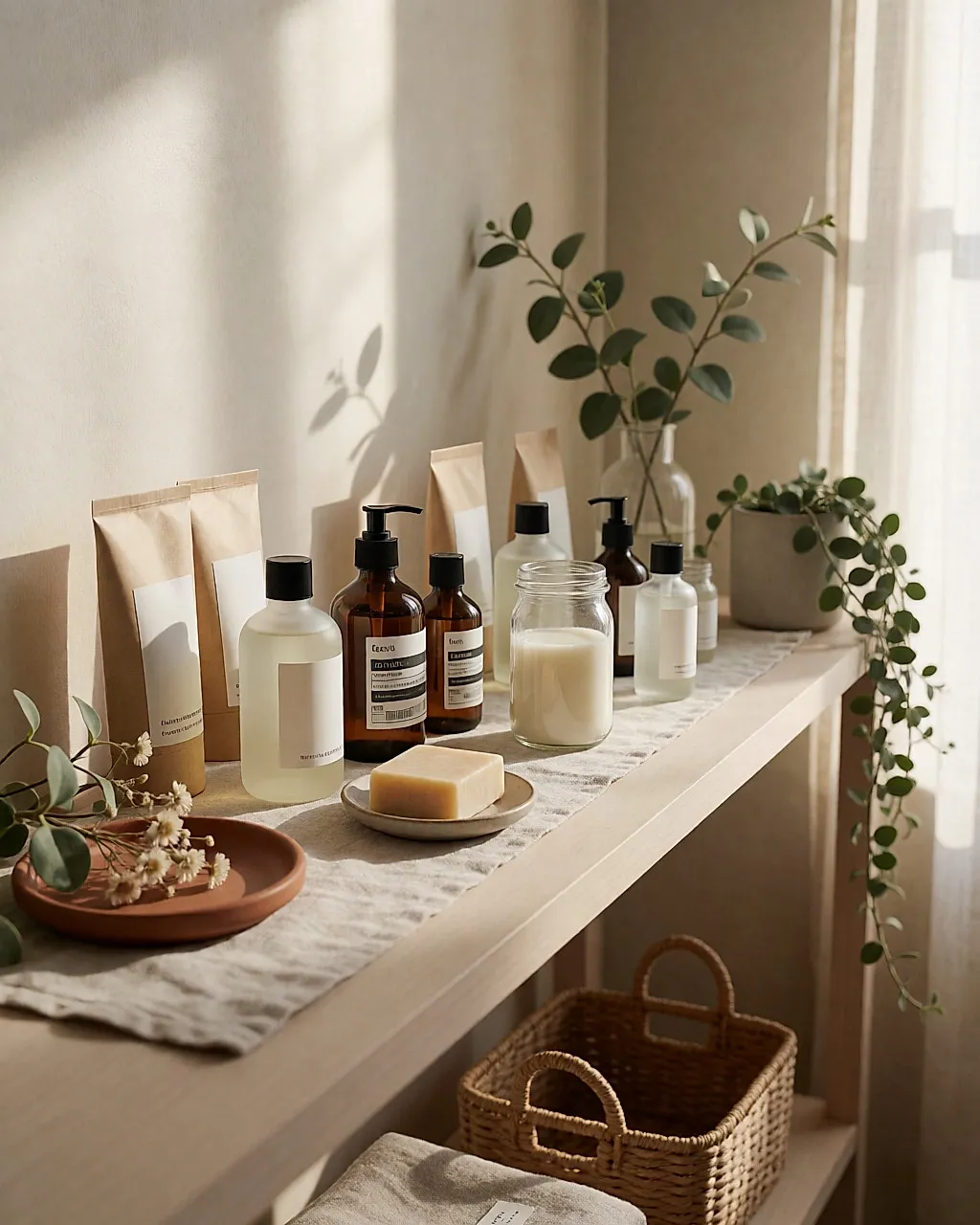
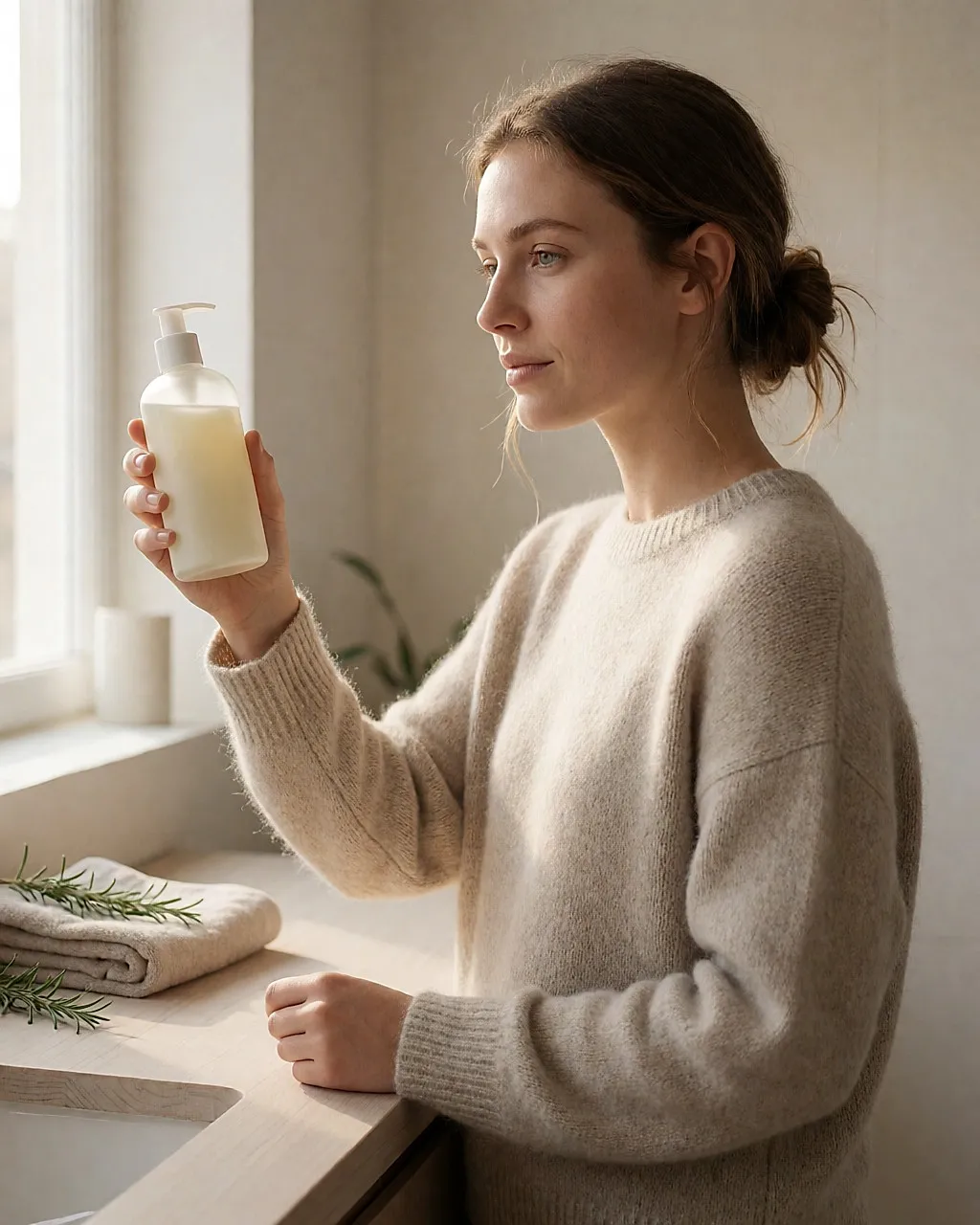
The habit to adopt. In-store, turn the product over and read the INCI list on the back. Ingredients are listed from highest to lowest concentration, which gives you an immediate idea of the actual formulation. If you see 'parfum' with no further detail, there is no way to tell whether it is natural or synthetic. Organic labels often require a minimum proportion of organic ingredients, but the percentage varies from one standard to another. Also look at the packaging: glass, card or refills can reduce waste at end of life.
A simple organic routine, without breaking the bank
You do not need ten bottles to start. A gentle cleanser, a moisturiser, a plant oil and one targeted treatment are enough to build a coherent routine. Pure plant oils — jojoba, argan — remain the best value: one single ingredient, an easy label to verify, and a texture you choose according to your skin, light for combination skin, richer for dry skin.
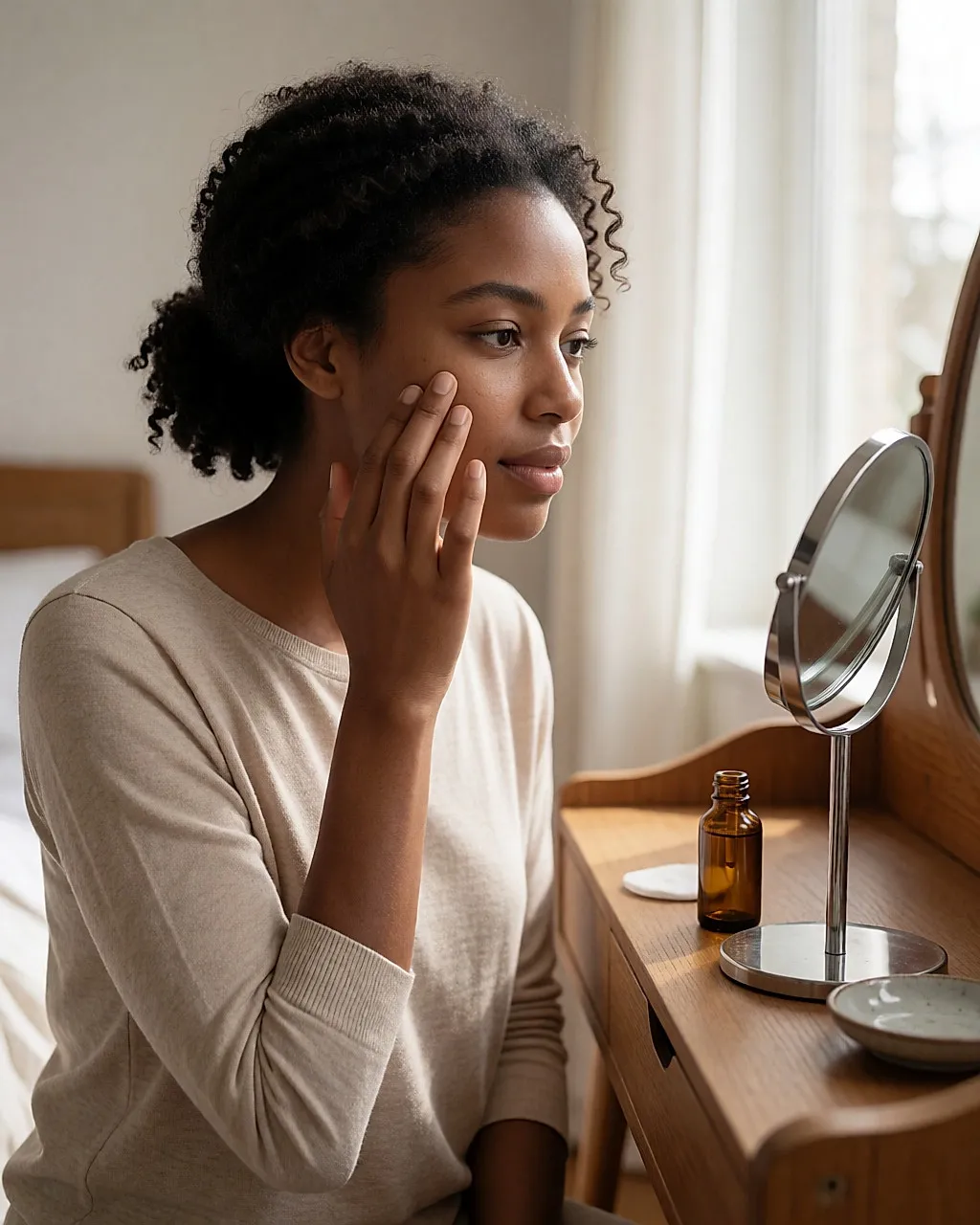
I haven't tested the current Gouapa selection: I based this on label criteria and public product pages. If you order online, check the date the product page was last updated and whether the certificate is shown. That is the minimum before you add anything to your basket.
Budget
In the UK, a complete organic facial routine usually costs between £35 and £80. Expect around £7 to £18 for a cleanser, £9 to £26 for a moisturiser, £17 to £40 for a serum and £7 to £18 for a pure plant oil. Prices rise with certification, active concentration, size and packaging — glass, refill or card. You will find these products in chemists, health-food shops, supermarkets and online. Deals exist, but always compare by litre or gram rather than the shelf price.
Sources
- Soil Association — soilassociation.org
- Cosmébio — cosmebio.org
- COSMOS Standard — cosmos-standard.org
- UK Cosmetics Regulation and EU Regulation (EC) No 1223/2009
- Office for Product Safety and Standards (OPSS) — gov.uk/opss
- Agence BIO (France) — agencebio.org


Comments
Your opinion matters: rate the article, react and reply to comments.
Comments are moderated; AI-assisted comments are flagged. Text emoticons (8-), :-), <3…) are automatically shown as images.