
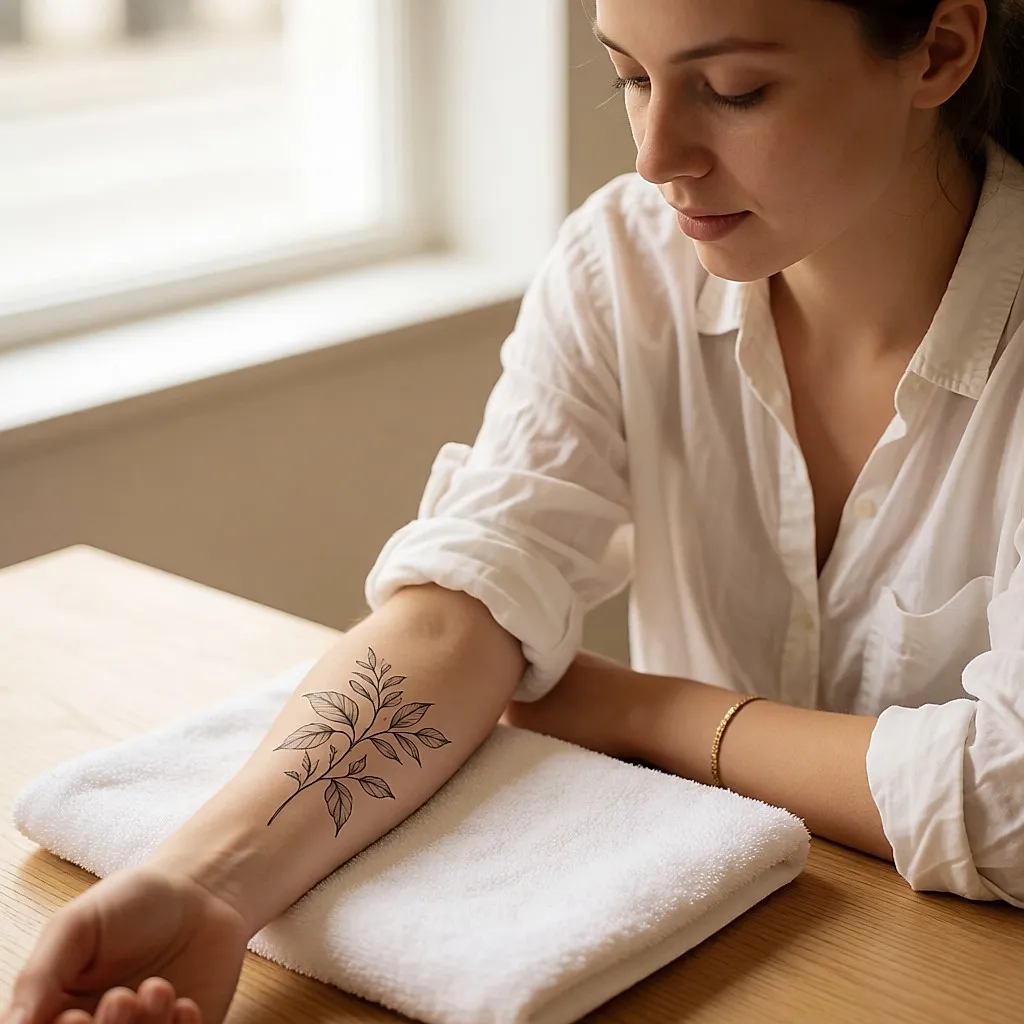
They've said it often enough, and by now we know it: tattoos carry a risk of infection, so they have to be done in spotless conditions — and then watched closely while they heal.

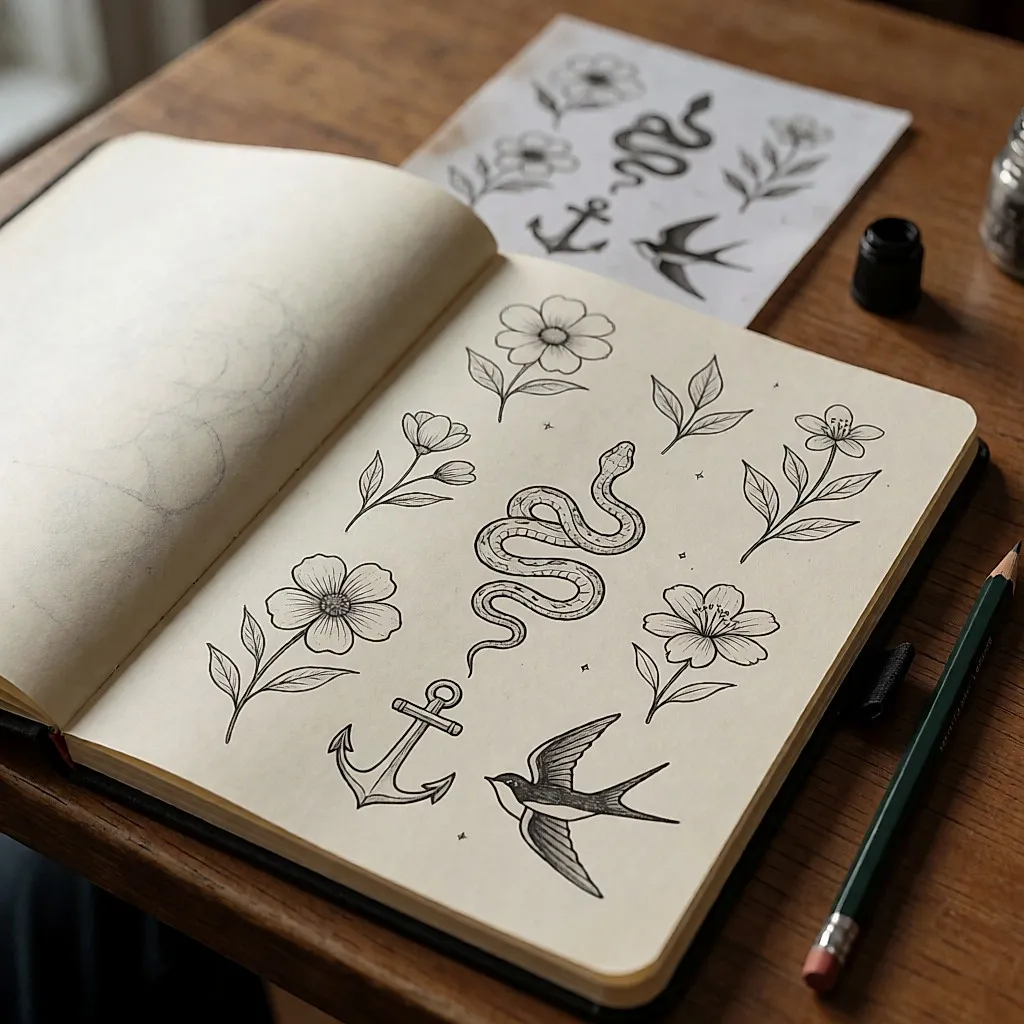
They bloom across our skin, filling the hollows, nooks and curves of the body to set off the nape of the neck, the small of the back, an ankle… yes, tattoos are a modern classic. Men and women alike have fallen for them, they're worn without a hint of taboo, they suit every look and every skin tone — and it makes no difference whether it's for life or whether the thought of the needle still makes you nervous. Let's not forget, though, that a tattoo is no small thing: as with any procedure that involves a needle or an instrument coming into contact with your blood and your flesh, a few precautions are in order.
In the studio
First, trust your gut. You push the door open and the place looks dodgy, cluttered, not especially clean? Just walk out. It goes without saying that a tattoo isn't done in the street, or in a place that was never set up for this kind of work.
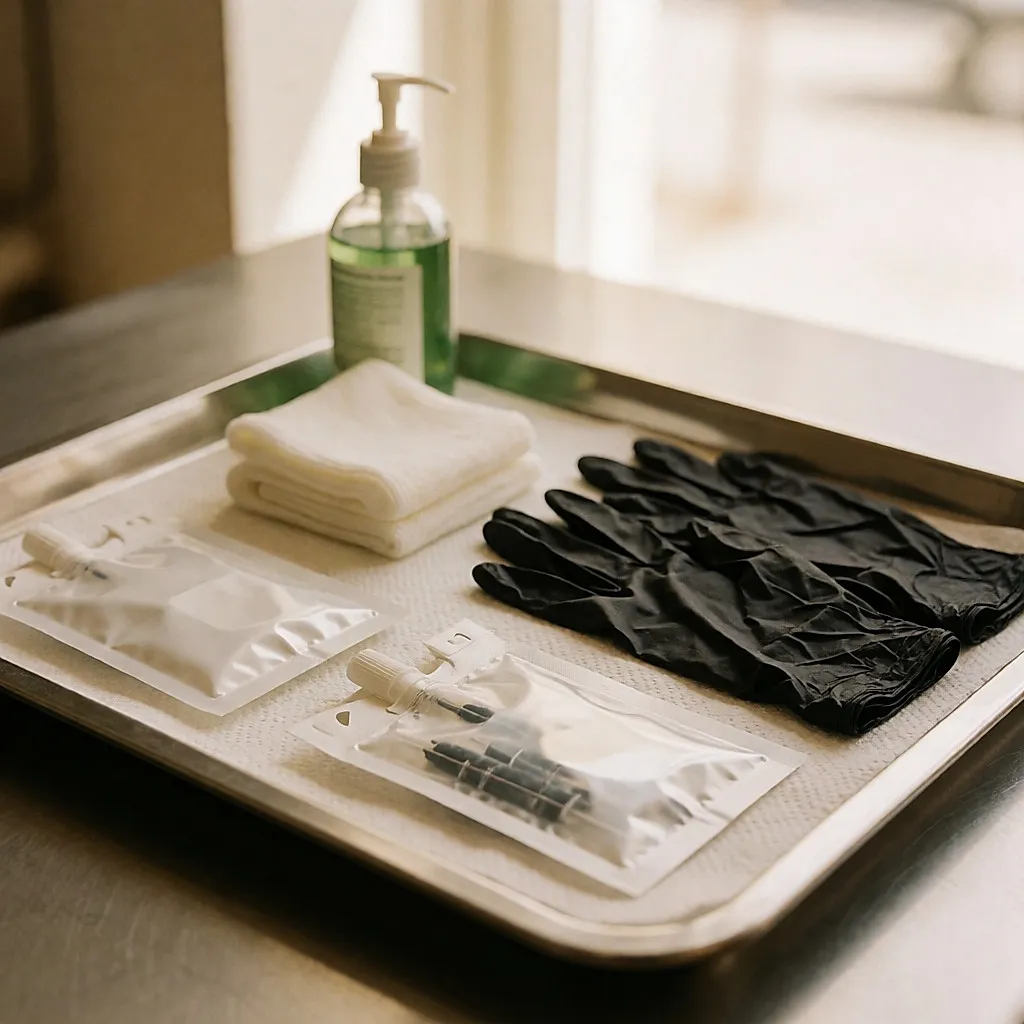
Equally, check that a few basic hygiene rules are being followed: the area where the tattooist works — and tattoos — must be separate from the waiting area and the shop floor, so nothing from outside is carried in.
Any non-disposable equipment should have been through a steriliser before use — and you're perfectly entitled to ask. As for needles, swabs and gloves, they're single-use and sterile, nothing less.
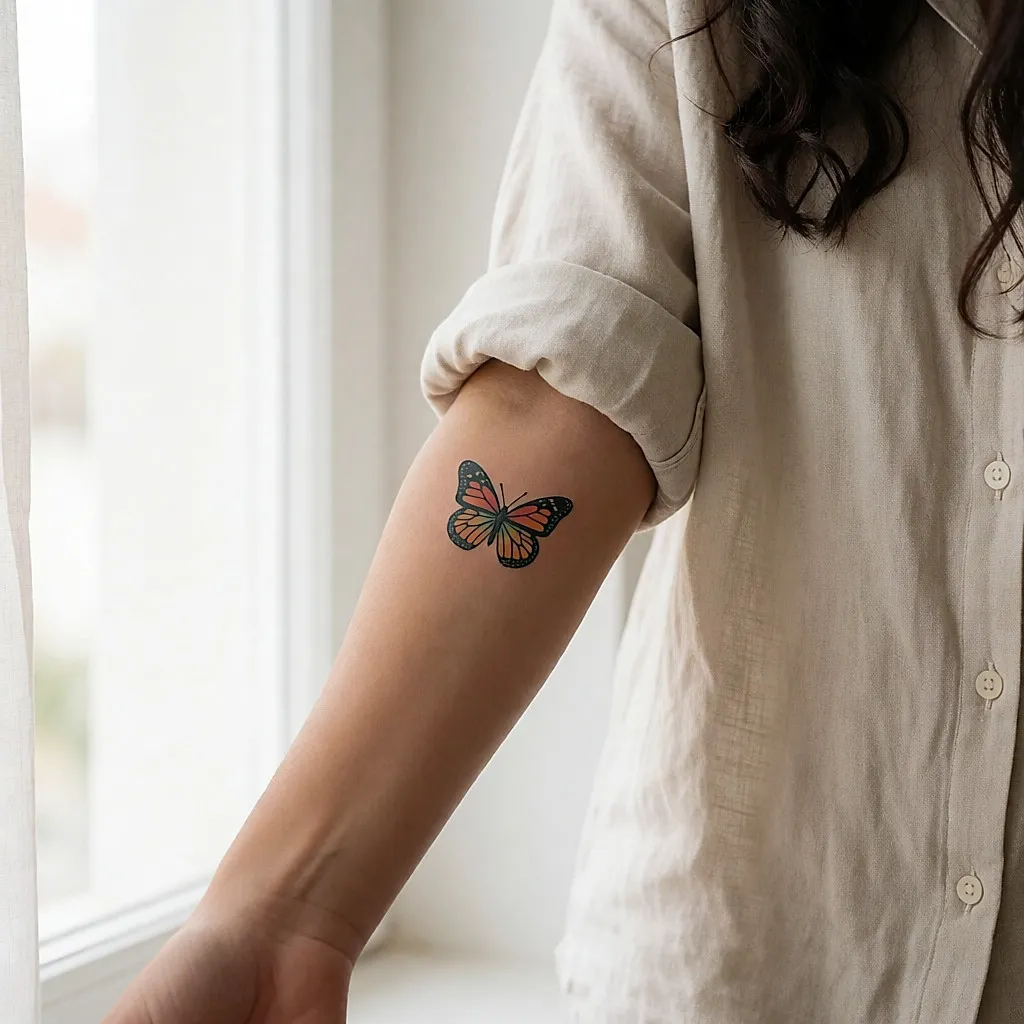
You can also ask for the needle that will be used on you to be taken out of its sterile packaging in front of you: no serious professional will take offence, so speak up if it puts your mind at ease. Before starting, the tattooist should wash their hands and forearms thoroughly, then work in surgical gloves, changing them as the session goes on.
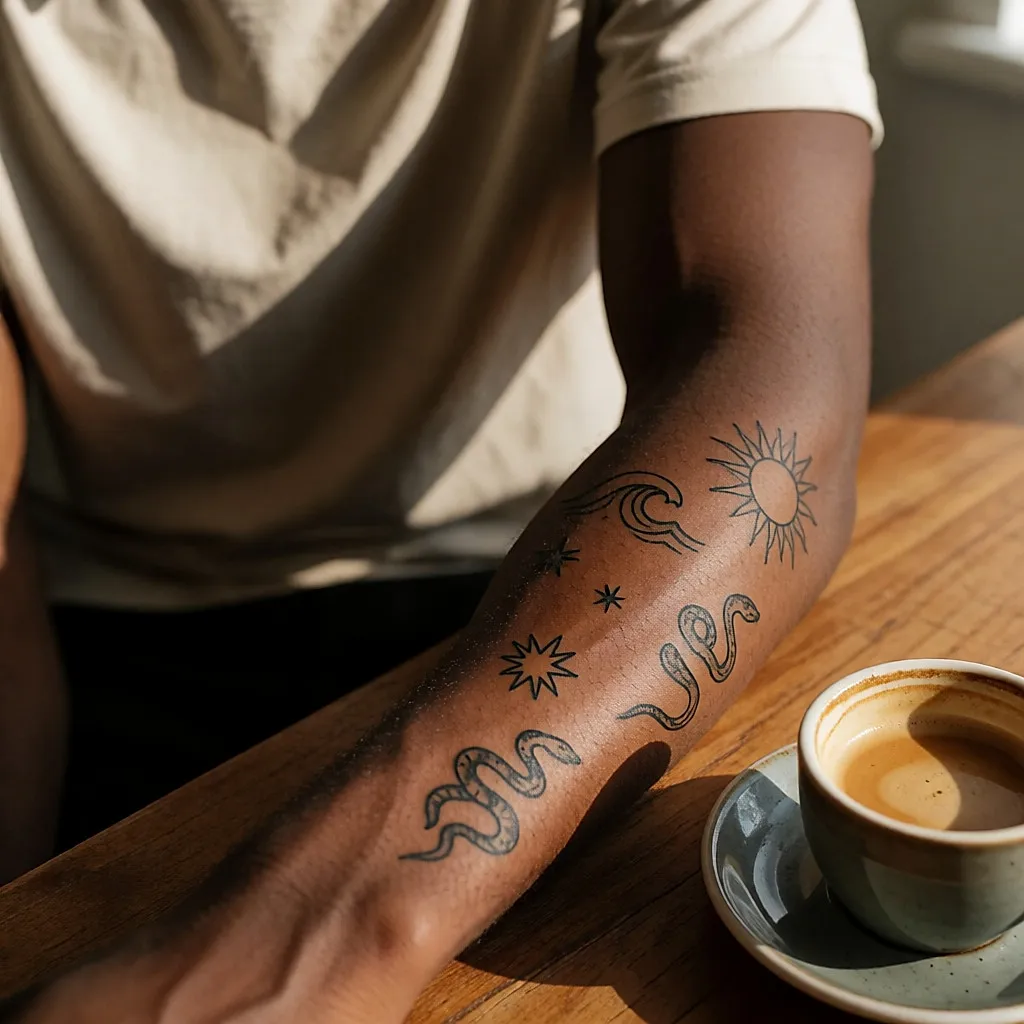
If you've gone ahead and treated yourself to the tattoo of your dreams, the tattooist will usually book you in for a check-up a few days later, to make sure it's healing well. Ask whether that appointment is free or chargeable — it varies from studio to studio.
The one reflex worth keeping: ask to see the needle come out of its sterile packaging in front of you, and don't skip the check-up a few days later. If the area becomes very red, hot or painful while it's healing, it's better to speak to a health professional without delay.
Aftercare at home
Your tattoo will generally take several weeks to heal, and it needs a bit of extra care for the whole of that time.

No sun, no sand, nothing else that could irritate it, sensitise the skin or slow the healing down. Skip tight clothing too, as it can rub against the tattoo. If the scab comes away too early, the pigment — and with it the colour — can come away as well, which would mean a touch-up later on. That's exactly why the safest approach is to follow your tattooist's instructions for protecting the area and, if anything worries you, to ask a health professional.
Some tattooists recommend an ointment to help healing; if so, it's best applied as advised and covered with the dressing. Finally, clean the area gently following your tattooist's instructions, using a mild product, and ask for advice before using an antiseptic repeatedly.
Once your tattoo is partly healed, leave it uncovered and let it breathe.
Info: laser tattoo removal
A tattoo is for life — though that's less and less true, as lasers sometimes give good results. The catch: how well they work varies with the design, the colours and your skin type. We don't all respond the same way to laser treatment.
Laser removal is usually carried out by a dermatologist, or at a specialist skin clinic, and the principle is simple: the laser breaks down the pigment, which the body then clears. One session won't be enough to remove a tattoo, though — and with a deep design, marks or remnants can remain that are hard to shift even after several sessions.
For a tattoo done by a professional — so good quality and fairly deep — expect to need a lot of sessions. It's a fairly painful and expensive technique with real downsides, as you'll have gathered. In England, clinics offering laser tattoo removal have to be registered with the Care Quality Commission, so it's worth checking before you book. Thinking about a tattoo? Think twice.

What it costs
Tattoos are usually priced by the time they take or by the piece. As a rough guide, a small design done in a short session comes in at around £50–£85, a medium piece at roughly £130–£300, and a large project covering a whole back or a full thigh at several hundred pounds — sometimes a good deal more. Prices climb with the tattooist's reputation, the city, the fineness of the design and the number of colours.
For laser removal, expect somewhere in the region of £85–£350 per session, depending on the size and position of the tattoo. Since it often takes several passes, the bill adds up fast: always ask for a quote after an examination, from a dermatologist or clinic.
Sources
- NHS: tattoos — risks, safety and aftercare advice.
- In England, tattoo and piercing businesses must be registered with the local council, and providers of laser tattoo removal must be registered with the Care Quality Commission.
- Assurance Maladie (ameli.fr): French guidance on tattoos and piercings, risks and precautions — a French authority, not a UK one.
- Service-public.fr: French rules for tattooists and piercers, hygiene and public health — likewise a French reference.



Comments
Your opinion matters: rate the article, react and reply to comments.
Comments are moderated; AI-assisted comments are flagged. Text emoticons (8-), :-), <3…) are automatically shown as images.