
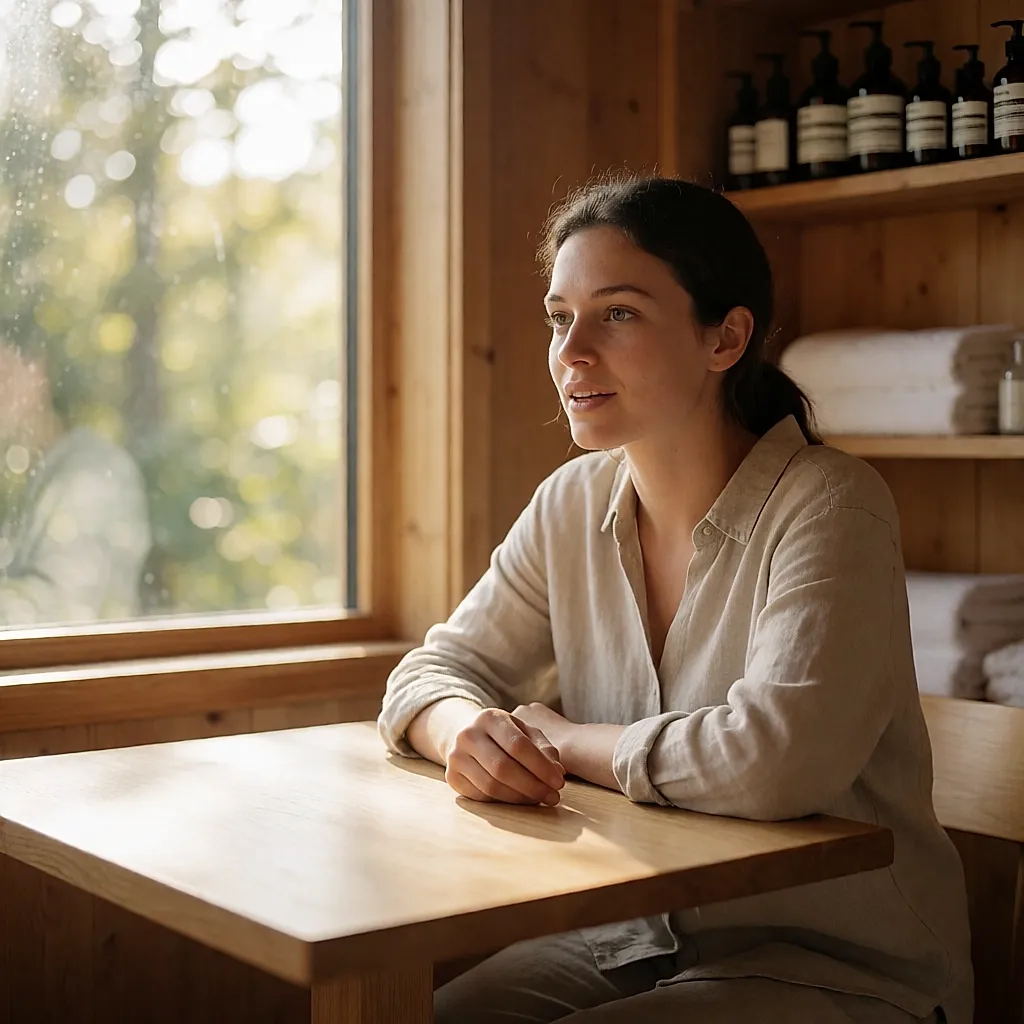
'We only work with natural products.' The voice on the phone is gentle, the promise just as soft, and you hang up certain you've chosen well. Except that two creams can both be labelled 'with aloe vera' and have almost nothing else in common. In a treatment room, what goes on your skin matters as much as the story you're told about it.
What 'organic' really commits to
In cosmetics, 'organic' needs qualifying. Cosmébio and COSMOS are private standards or charters, each with criteria of its own, while Ecocert is a certification body; in the UK, the Soil Association is one of the bodies that certifies to the COSMOS standard. The detail shifts from one framework to the next. Which leaves the only question that really matters: which one?
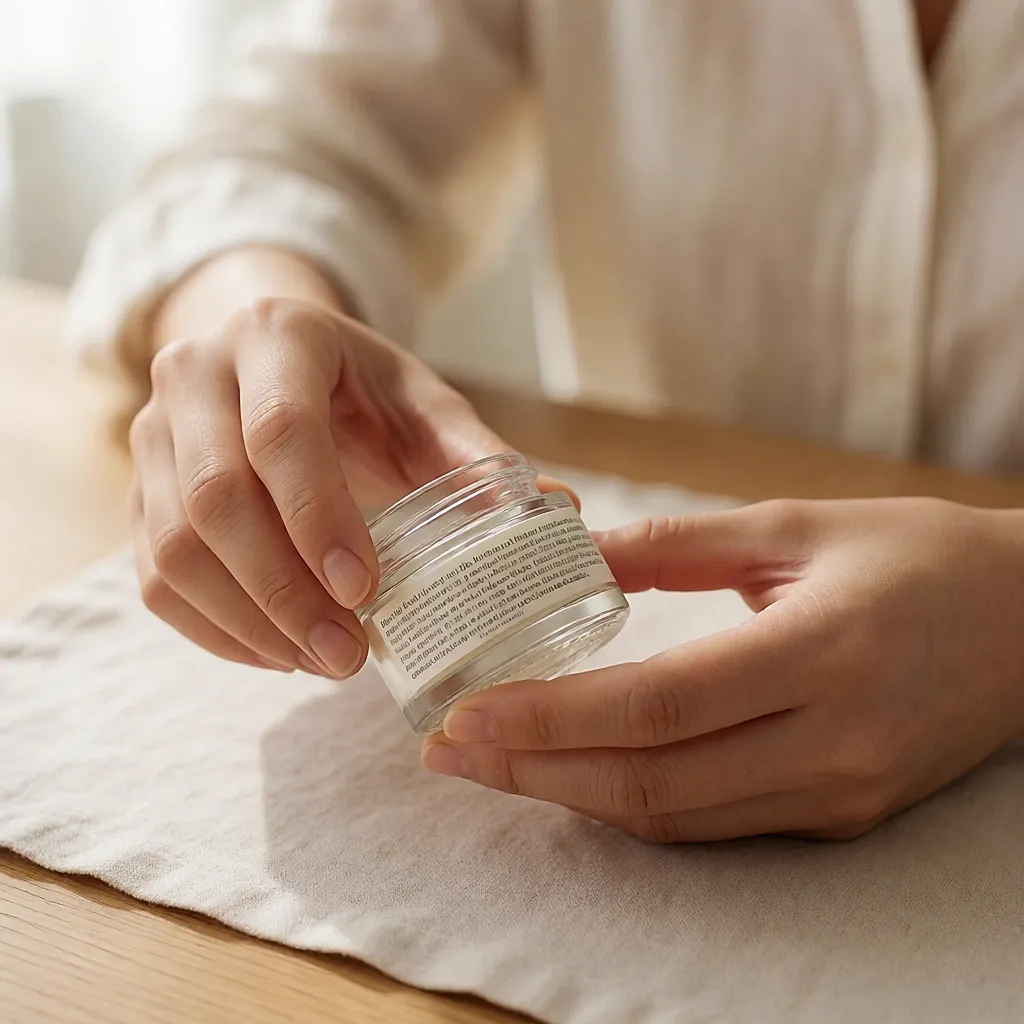
Then there's the matter of whether that label or certification applies to the jar being opened for you. A salon can sell certified products off the shelf and still use a more mainstream range in the treatment room. That isn't a crime, but you're entitled to know it before you lie down. 'Which products are you using for the treatment I'm booking?' — the answer will tell you more than ten pages of the website.
Five minutes of questions that change the appointment
The running order first. What's going to happen, in what order and for how long? A proper treatment opens with a few minutes of conversation: skin type, how reactive it is, known allergies, the areas you'd rather they avoided. If you're put straight on the couch without a single question, you have your answer.

Who's doing it, next? A qualified beauty therapist, a practitioner trained in-house by the brand, a recent career changer: any of them might do a lovely job, but the hands won't feel the same. The name of the treatment says nothing about the person performing it.
Then there's the question we all forget: what if it isn't going the way you hoped? Pressure that's too firm, a scent you can't bear, a texture that drags — you should be able to say so without awkwardness, and without the rest of the appointment passing in icy silence. It's your appointment, not an exam to sit through.
A word, finally, for the situations that need more care. Pregnant, breastfeeding, on medication, skin that flares easily: say so when you book, not once your head is on the pillow. Some essential oils are not as harmless as they sound, and 'natural' doesn't mean no precautions. If your skin is genuinely a concern, the right first stop is your GP or a pharmacist.
Your script for that first call
- Which certification — and does it cover the products used in the treatment room?
- How long does the hands-on part last, massage included?
- Is there time for a consultation before we start?
- What would you suggest I use at home afterwards?
A treatment is a service before it's a bottle
This is where 'natural' stops being a shop-window line. What you're entitled to expect from a treatment room comes down to a short list: clean linen, clean hands, equipment disinfected between clients, and the steps explained before anything starts. Nothing spectacular — just the basics. And the technique matters more than the label: a texture chosen for your skin, pressure that suits you, a product left on for as long as it should be.
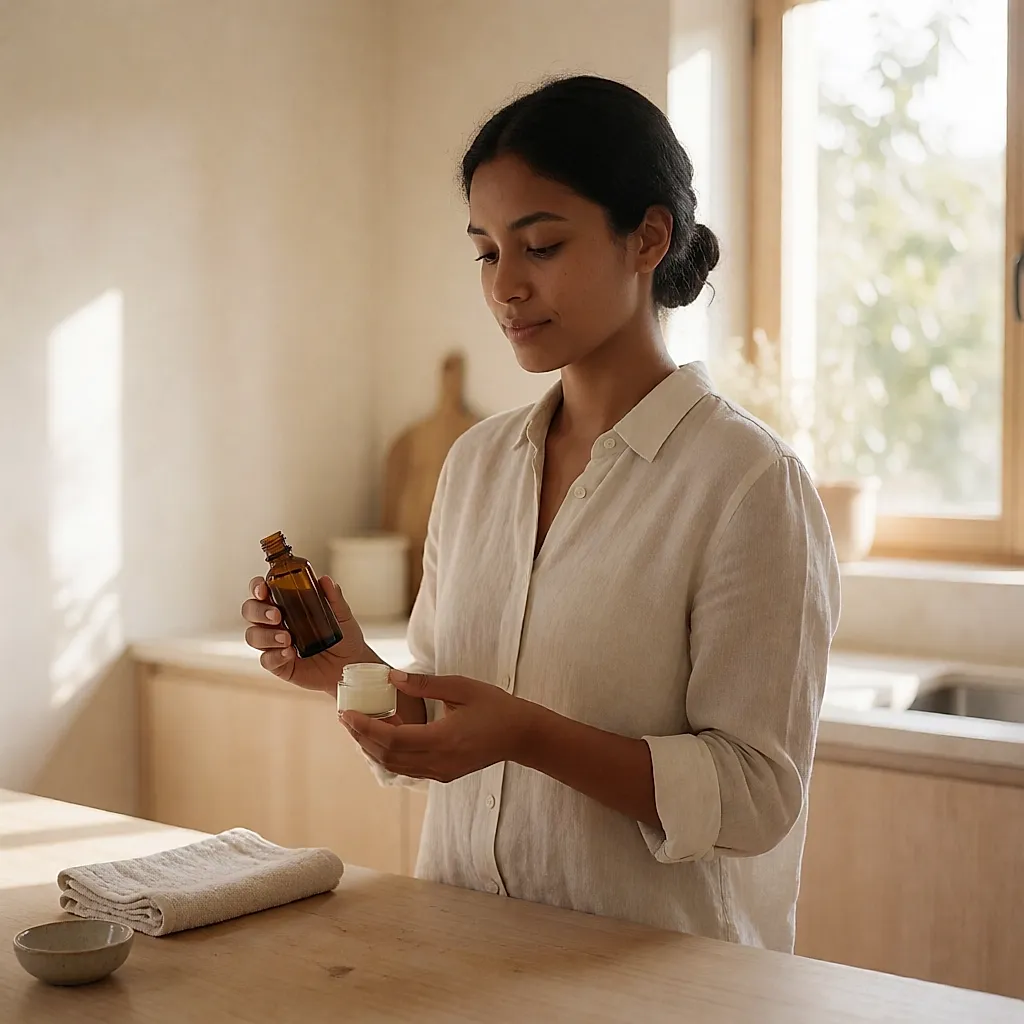
Duration deserves to be set out clearly too. The mood of the moment is the ritual treatment, with its scent, its slow hands, its minutes that stretch out — charming, as long as it holds up. Treatments advertised as 90 minutes do sometimes turn into 40 minutes of actual work and a lot of settling in once you're there. Ask how long the hands-on part lasts, massage and application included.
On the way out, you should leave with two or three pointers for home: what was applied, how to keep things going, what's best avoided in the hours afterwards. If the only answer is 'our kit', that's a sales pitch, not advice.
What your money is actually buying
At an independent salon in the UK, a facial typically sits somewhere between £50 and £95; an hour-long body massage between £65 and £120; a shorter treatment — scalp, hands, back — between £30 and £55, often offered as an introductory option. Treat these as rough markers rather than official rates: prices move with the city, the real length of the hands-on time, the range being used and the reputation of the place.
As for where to book, you'll find salons specialising in natural cosmetics, hotel spas, chains and, sometimes, practitioners who work from home. Introductory offers are everywhere and say nothing about the hands. The best indicator is still that phone call: a team that talks you through its protocol, gives you a precise duration and makes no grand promises about results is usually the one that will look after you best.


Comments
Your opinion matters: rate the article, react and reply to comments.
Comments are moderated; AI-assisted comments are flagged. Text emoticons (8-), :-), <3…) are automatically shown as images.