
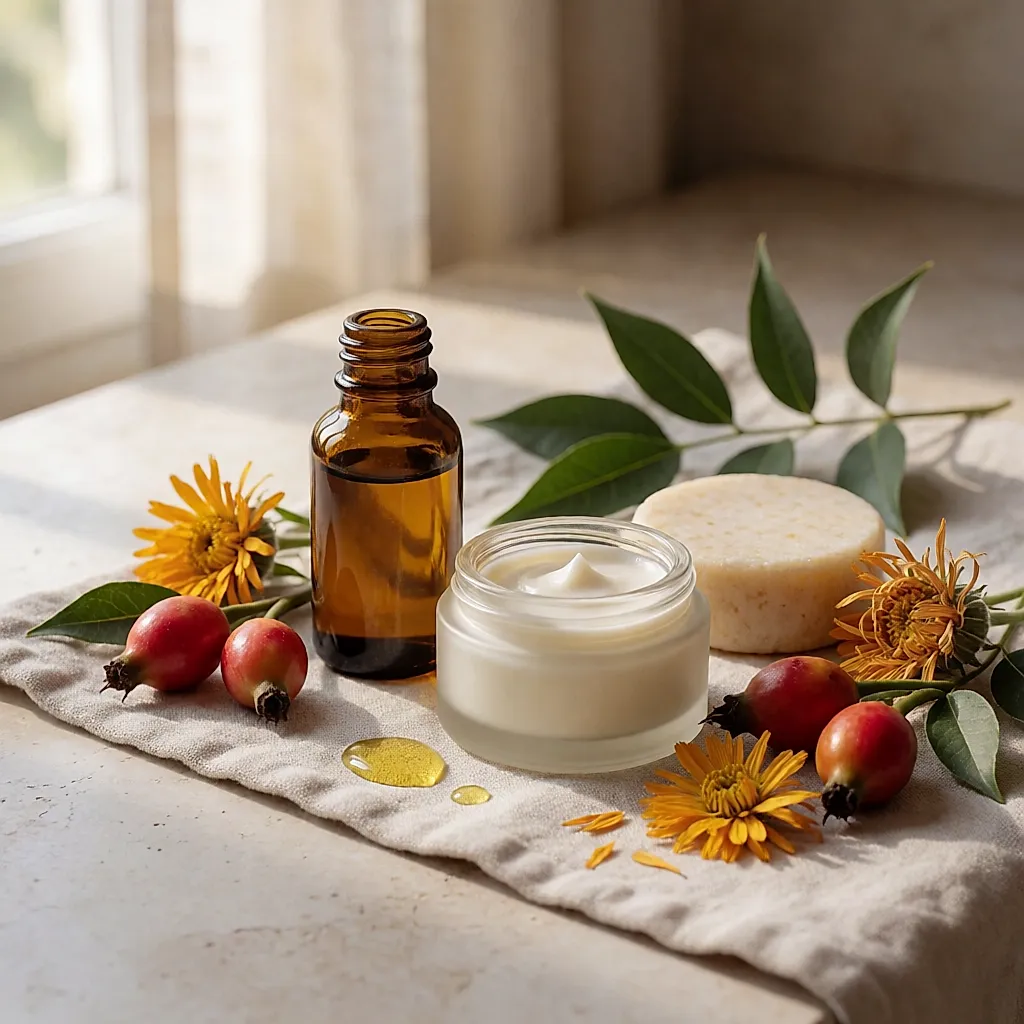
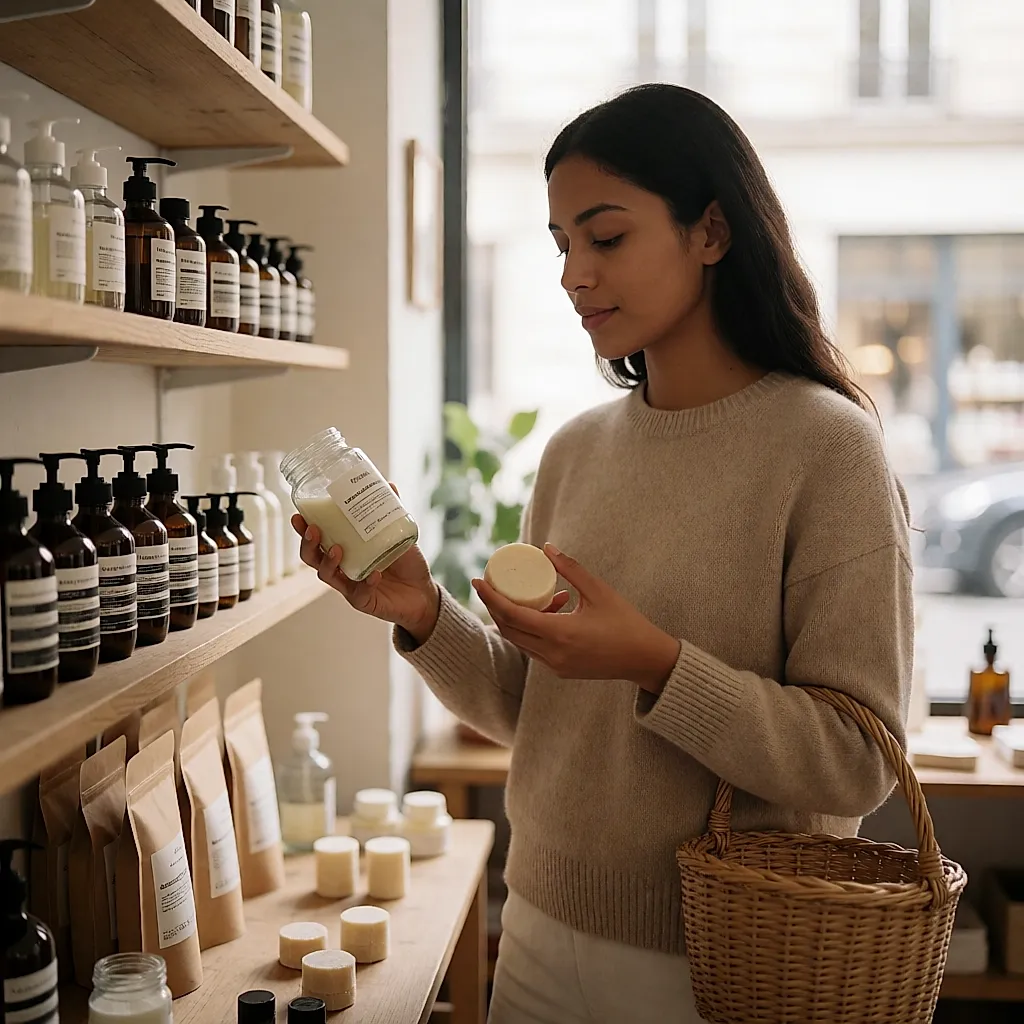
A bottle in each hand, ten minutes in front of the organic shelf, and one question that won't go away: does "natural" actually mean anything on a label? You've probably been there. I have too, and after a good dozen tests one thing stands out: the packaging isn't the deciding factor. The label is.
Natural is still vague, certified is not
In cosmetics, the word "natural" has no official definition of its own. Its use in advertising is still regulated: the EU rules that shaped UK cosmetics law (Regulation (EC) No 1223/2009), the EU claims regulation (No 655/2013) and consumer protection law all require a claim to be truthful, substantiated and not misleading. Brand or not, a bottle can carry the word with a trace of plant extract and plenty of synthetic ingredients, but not without rules. What really carries weight is private certification, checked by independent certifiers. COSMOS ORGANIC, backed by European certifiers including Ecocert, sets a threshold for naturally derived ingredients and a quota for ingredients from organic farming. Cosmébio, the French association, has two levels: Bio and Ecological.
In practice, a certified organic cream is mostly water, and the percentage of organic ingredients on the back is often modest. That makes sense for an emulsion, much less so for an oil.

Texture and technique matter as much as the formula
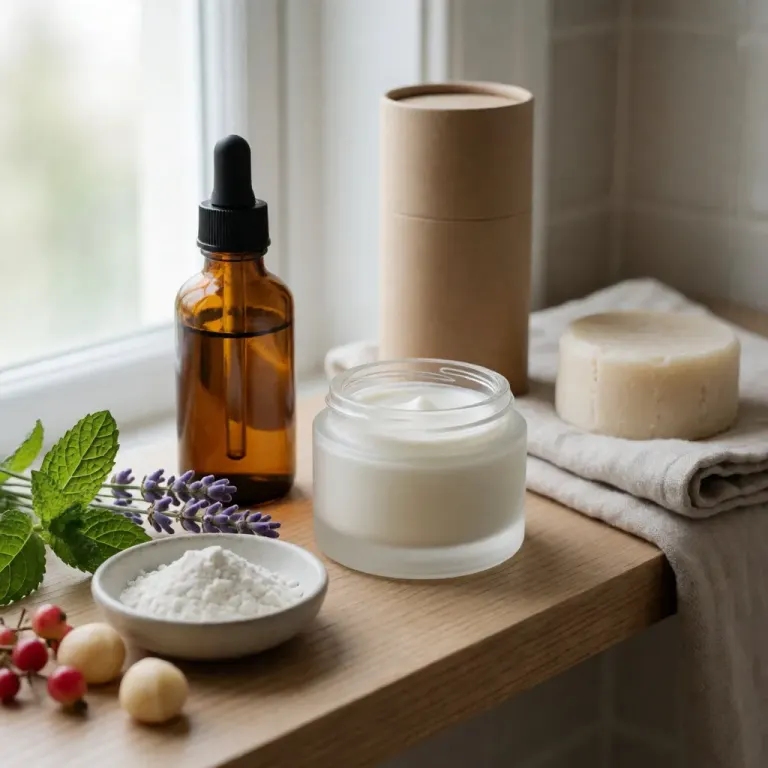
A plant oil such as jojoba or sweet almond is a simple formulation: a few drops warmed between your palms, pressed onto skin that is still damp. The technique makes all the difference. A balm or rich cream, on the other hand, needs less product than you might think — a pea-sized amount is enough for the whole face.
Solid shampoos have come a long way: gentler surfactants, faster rinsing, cardboard or refillable packaging. One condition: allow one to two weeks of adjustment if you're switching from a very foamy shampoo.
Read an INCI list in thirty seconds
Ingredients above 1% are listed in descending order; below 1%, the order is up to the brand. Water at the top is normal. Look instead at the next five: oils, butters and extracts should appear there, not hide at the end of the list. And be wary of formulas that line up a long list of plant extracts at tiny doses.
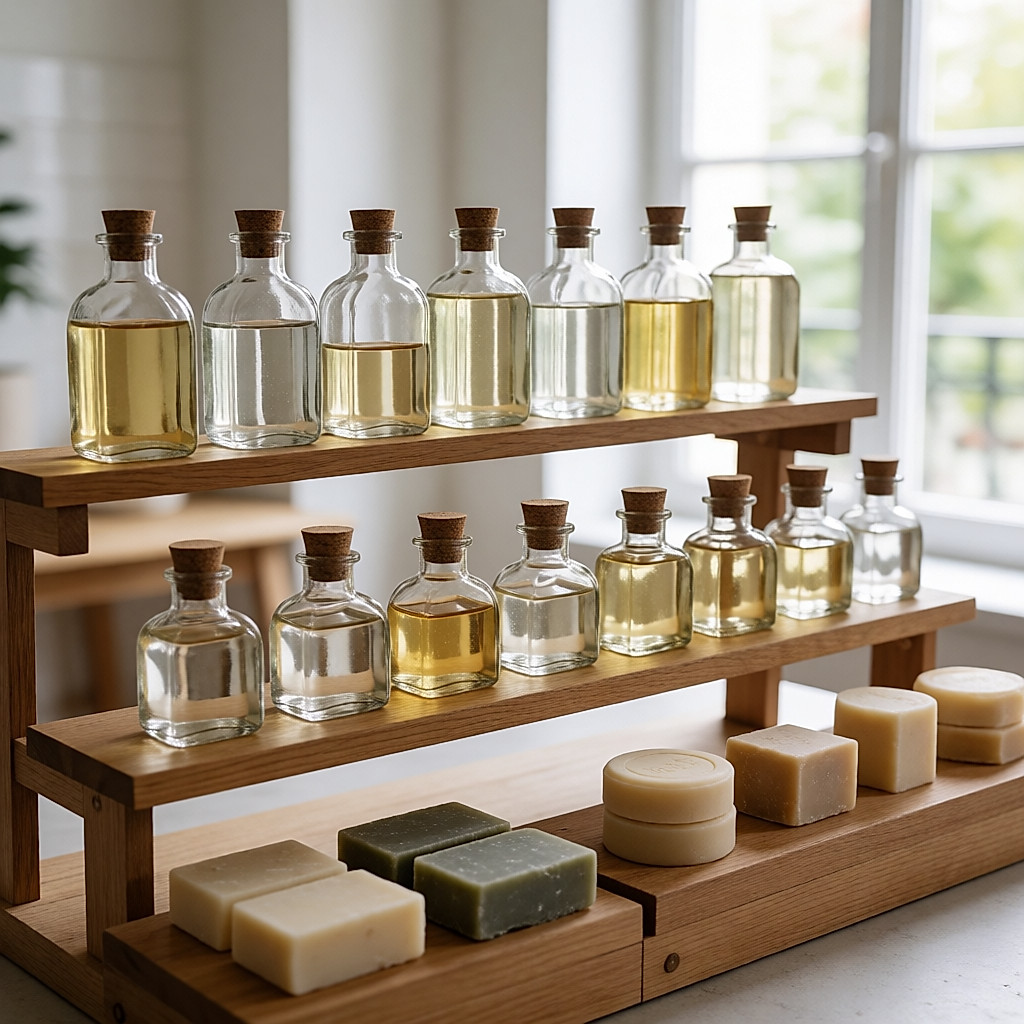
Three profiles, three routines
Dry skin, tightness. Gentle cleansing morning and evening, then a rich cream with plant oils, applied to slightly damp skin. A nourishing cream mask twice a week can easily replace a night treatment.
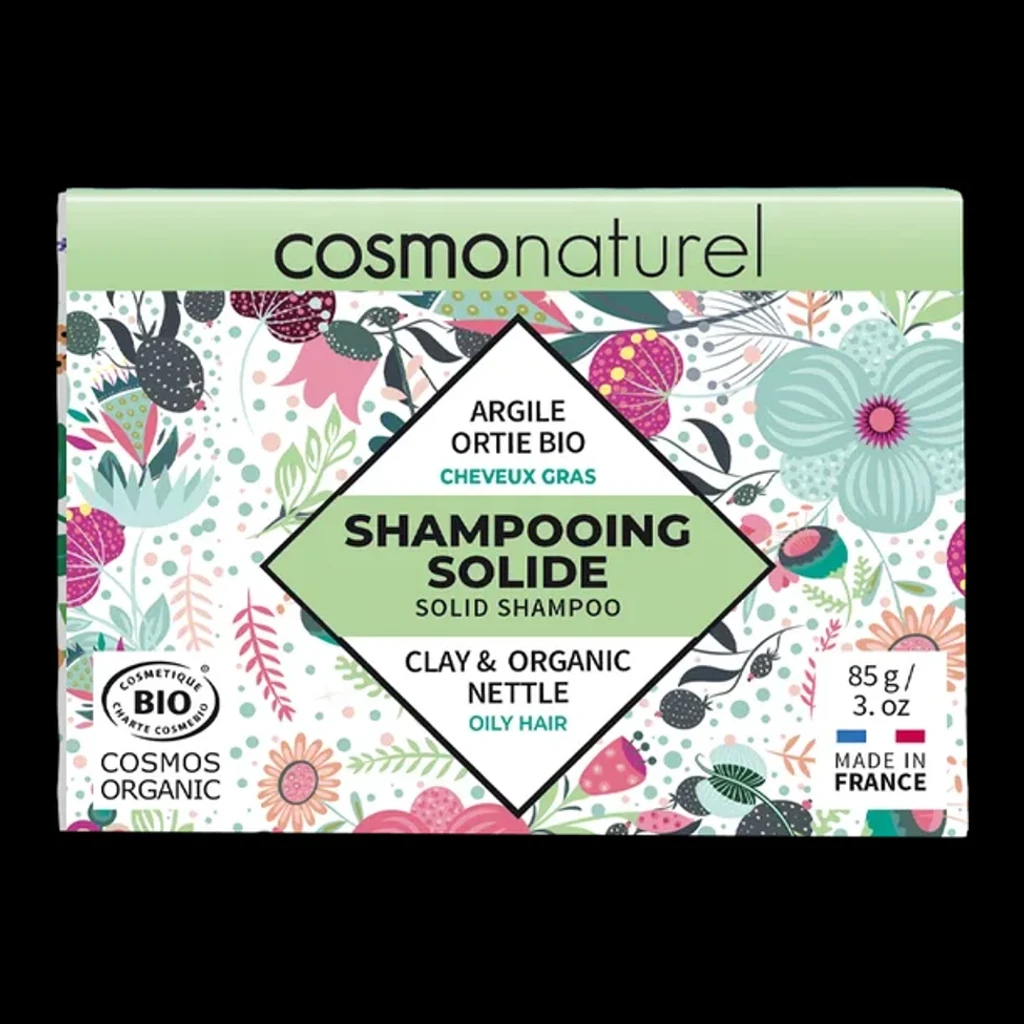
Oily scalp. Gentle shampoo, rinse with lukewarm water, and no conditioner on the roots. A clay solid shampoo does the job, provided you don't let it melt under hot water.
First fine lines. Rosehip, borage and evening primrose oil: these oils are known for being rich in fatty acids. Use as an evening serum, under moisturiser. I haven't measured any results over three weeks, and no one serious will promise you that.
If you take one thing away: start with a single organic plant oil, and see how your skin responds before buying the whole range.
Budget
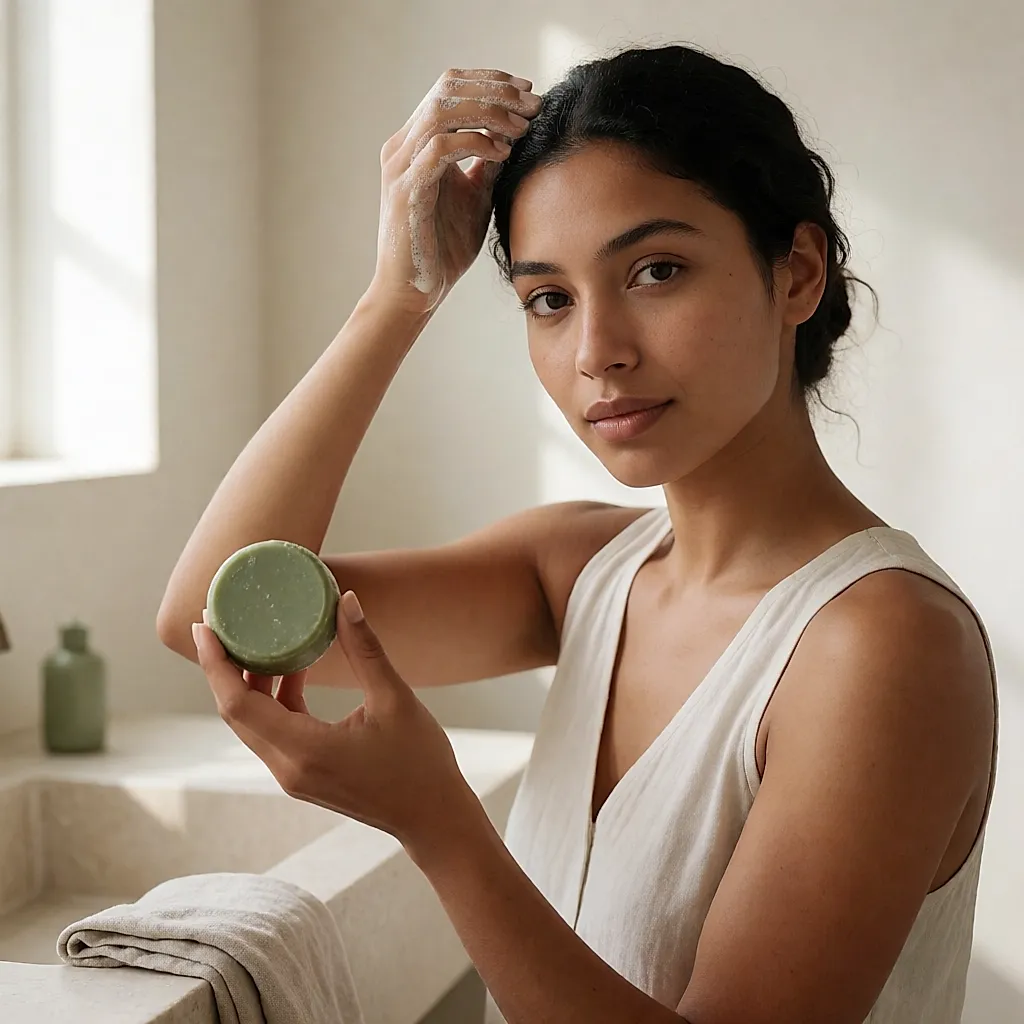
Expect to pay around £5–£12 for a certified solid shampoo, £8–£20 for a 50–100 ml organic plant oil, £15–£35 for an organic face cream and £25–£50 for a targeted treatment such as a serum or cream mask. The differences come from the percentage of organic ingredients, the packaging (glass, refill) and where you buy it.
Where to find them? Supermarkets and chemists for entry-level options, organic shops and online brands for more concentrated formulas. Refills lower the price per gram, though they don't necessarily make the first purchase cheaper.
Sources
- UK Cosmetics Regulation; Regulation (EC) No 1223/2009 on cosmetic products, EUR-Lex.
- Regulation (EU) No 655/2013 on common criteria for cosmetic claims, EUR-Lex.
- COSMOS-standard, cosmos-standard.org.
- Cosmébio, Bio and Ecological charters.
- Ecocert Greenlife, certification body.
- UK Competition and Markets Authority (CMA), guidance on environmental claims.
- DGCCRF (France), practical guidance on environmental claims.
- ADEME, work on environmental labelling of consumer products (France).
Comments
Your opinion matters: rate the article, react and reply to comments.
Comments are moderated; AI-assisted comments are flagged. Text emoticons (8-), :-), <3…) are automatically shown as images.