
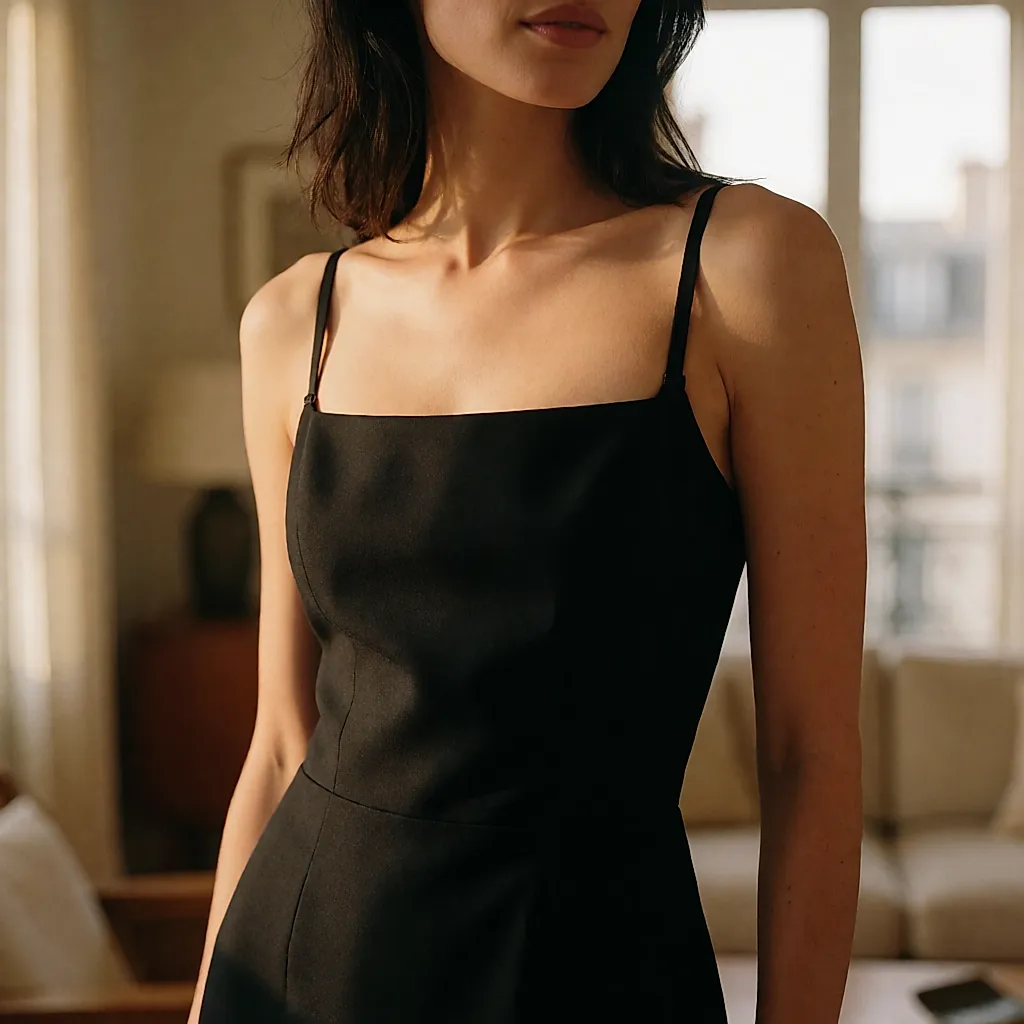
It's 7pm, an invitation has been sitting unanswered for three weeks, and your wardrobe offers nothing between the work jumper and the yoga kit. You know the scene. And let's be honest: getting the dress out isn't always the answer. A well-cut top, a fabric that falls just so, and the whole silhouette changes sides. The catch is finding the right piece — one that holds the evening together without asking to be checked every ten minutes.

The black top: the backbone of your evening wardrobe
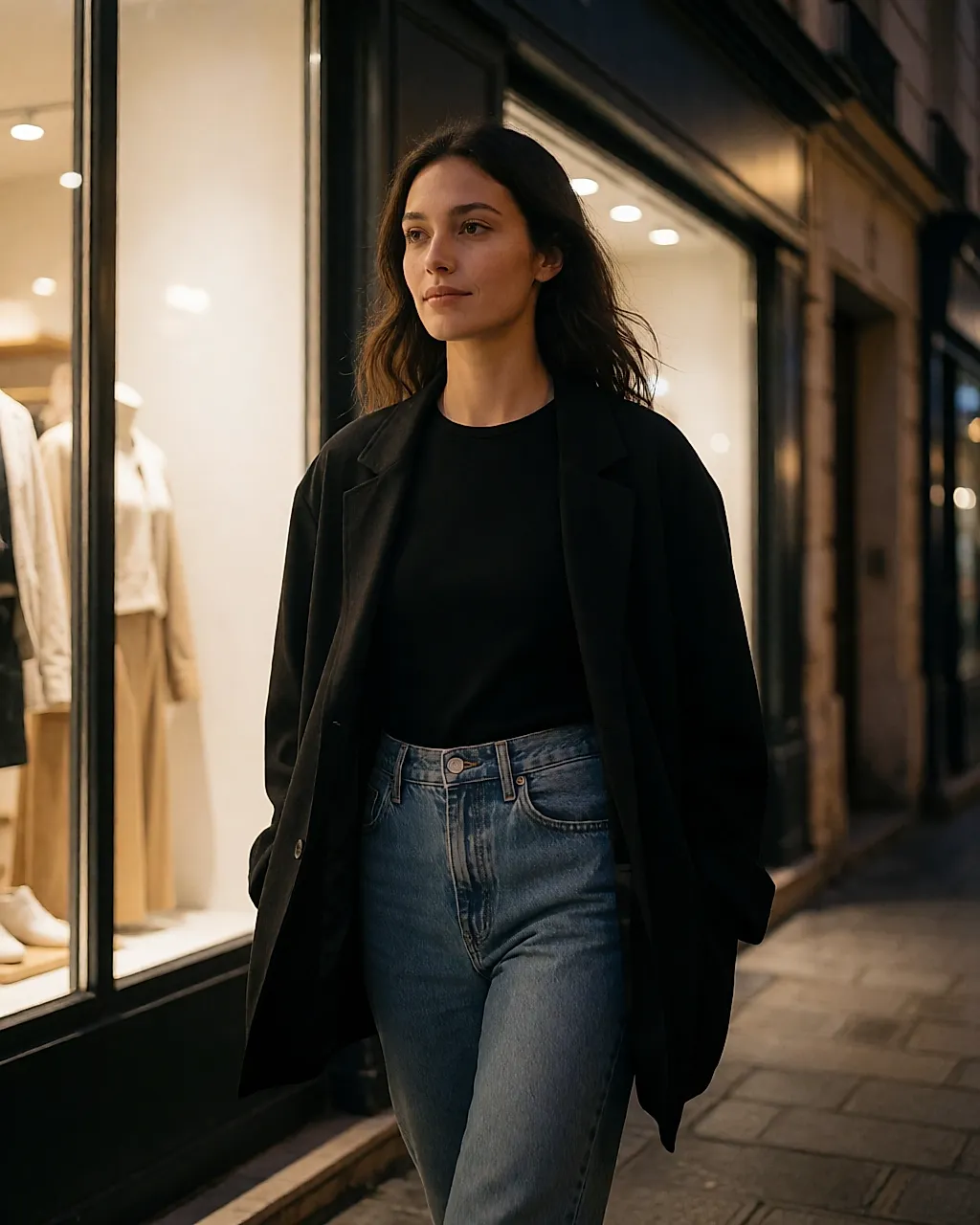
One perfectly cut black top does half the work already. A neckline that gives structure, fine adjustable straps, a clean line across the shoulder: this is the basic you build everything else on. With a sequinned bolero, an oversized tux jacket or raw denim jeans, the look tips without you changing a single piece. Black absorbs the light, lets your skin and your accessories do the talking, and forgives far more than you'd think.

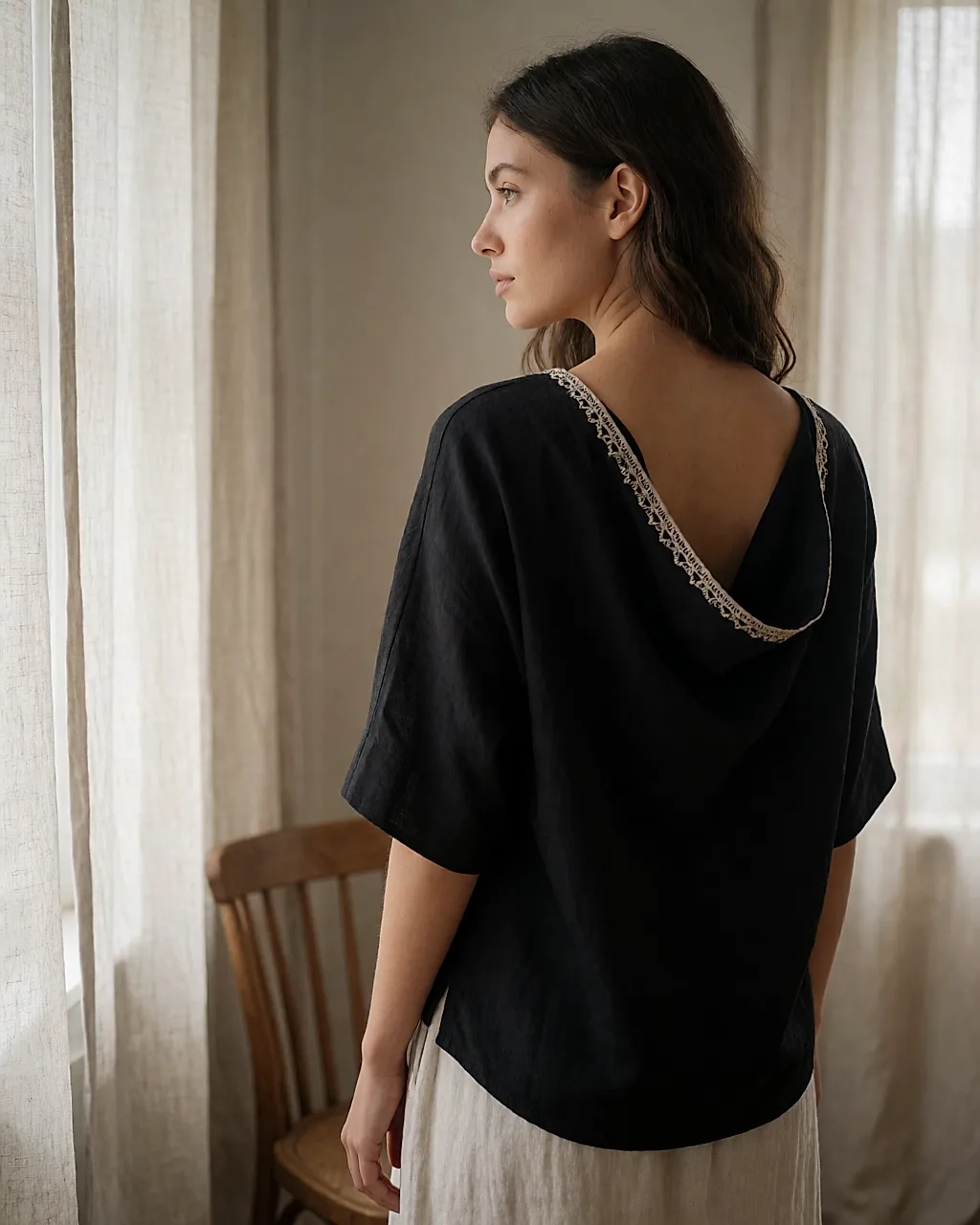
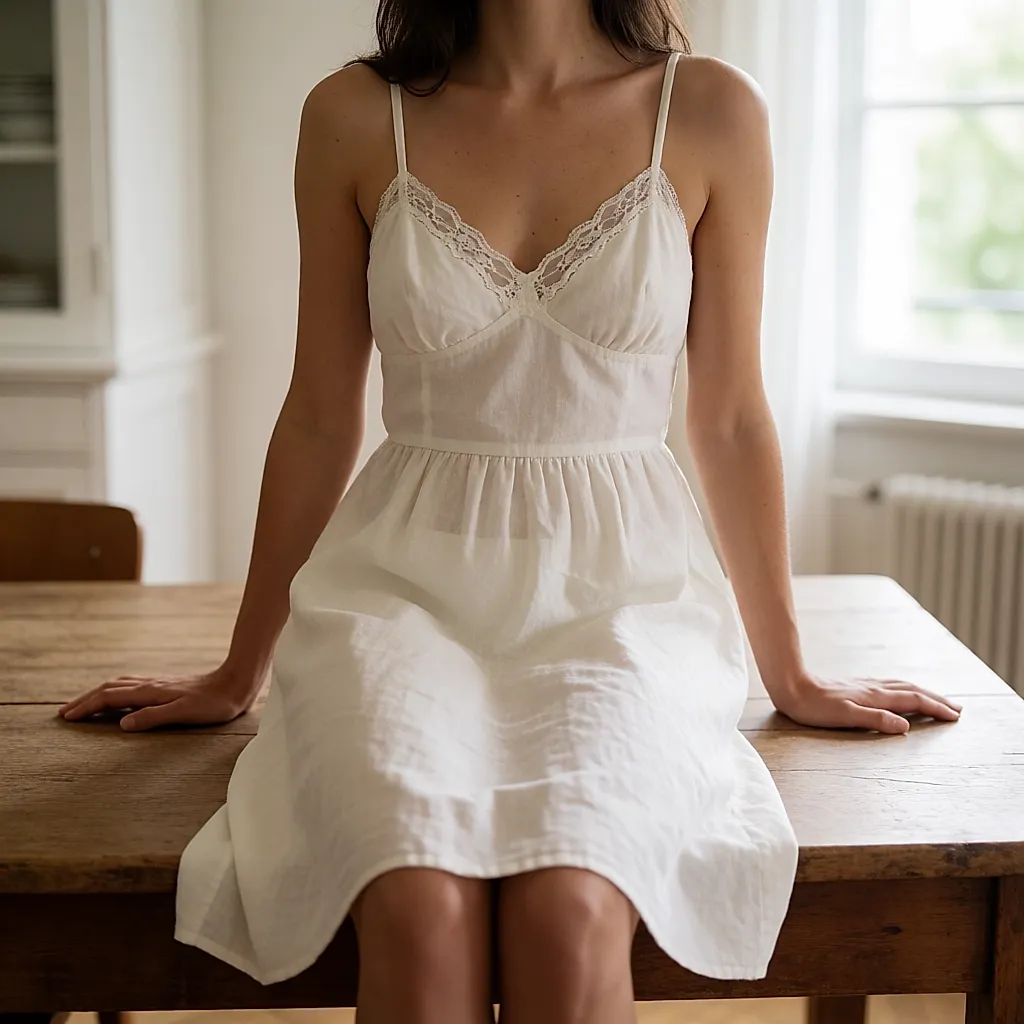
For a dressed-up effect without a dress, look to open backs and draping. An empire line that lifts the silhouette, a tie under the bust, a V neckline: three details that are enough to move a top from daytime into evening. Keen on layering? Wear a sheer, fluid blouse over a cami — it keeps the line light, never stiff.
Blouses, lace and prints: the statement pieces
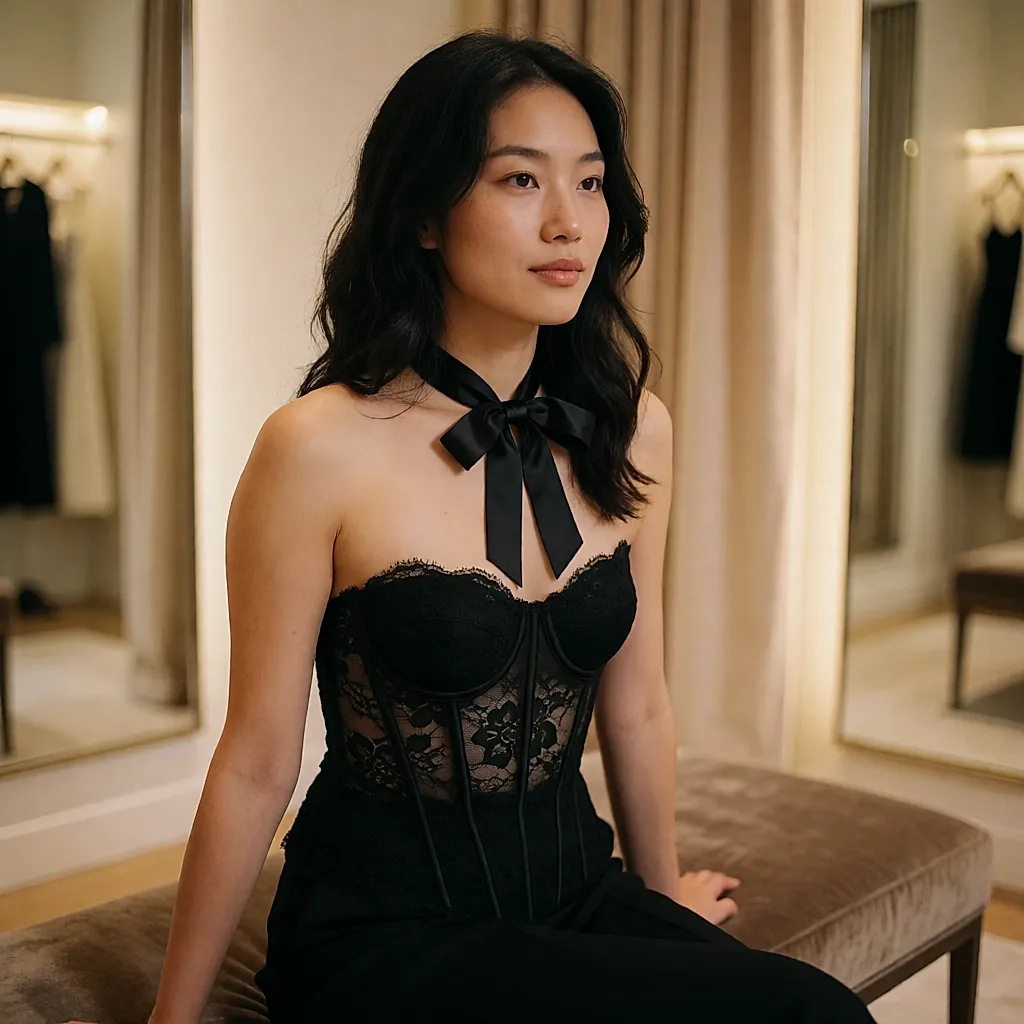
If blouses are your weakness, lace on the sleeves and neckline is still a classic that works day and night: a little flirtatious, very easy to wear. On colour, forget the seasonal rules. Navy or powder pink with black remains a safe bet, and the secret is less about contrast than about texture.
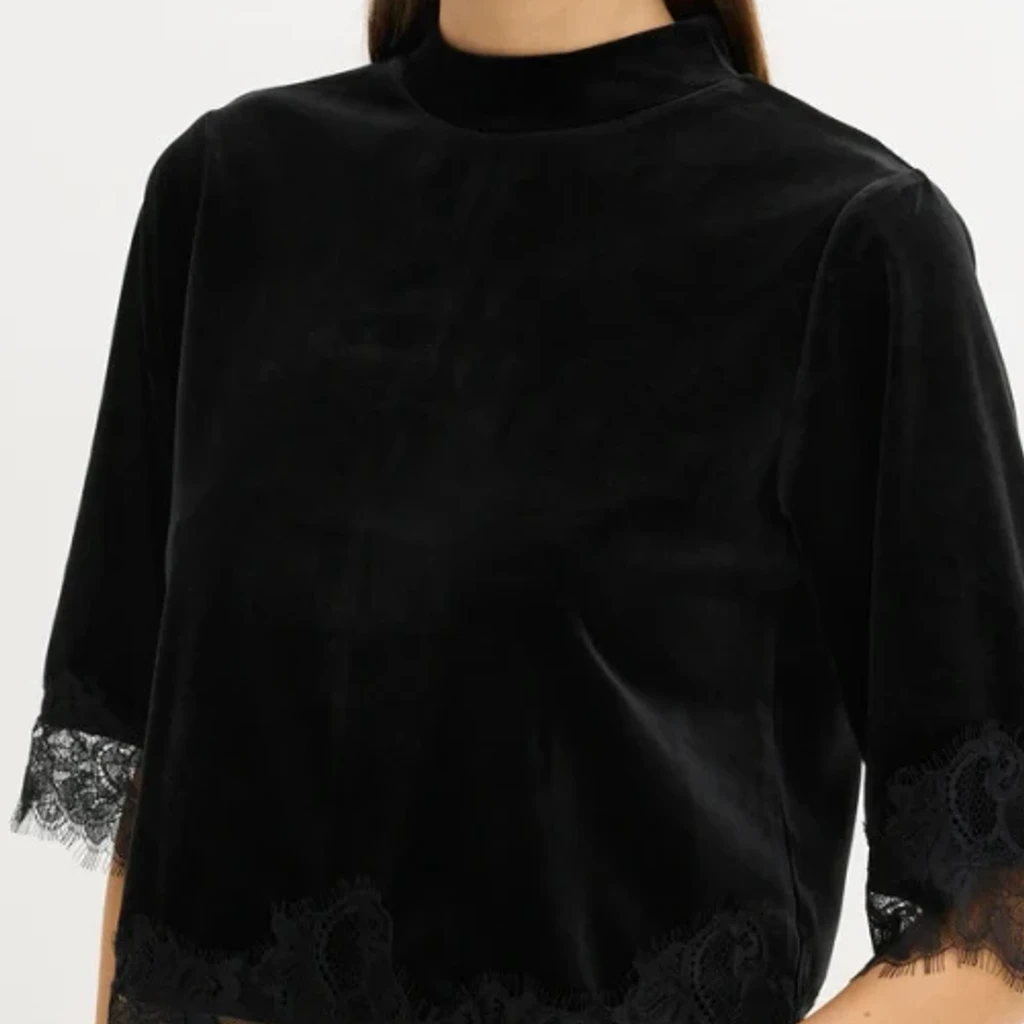
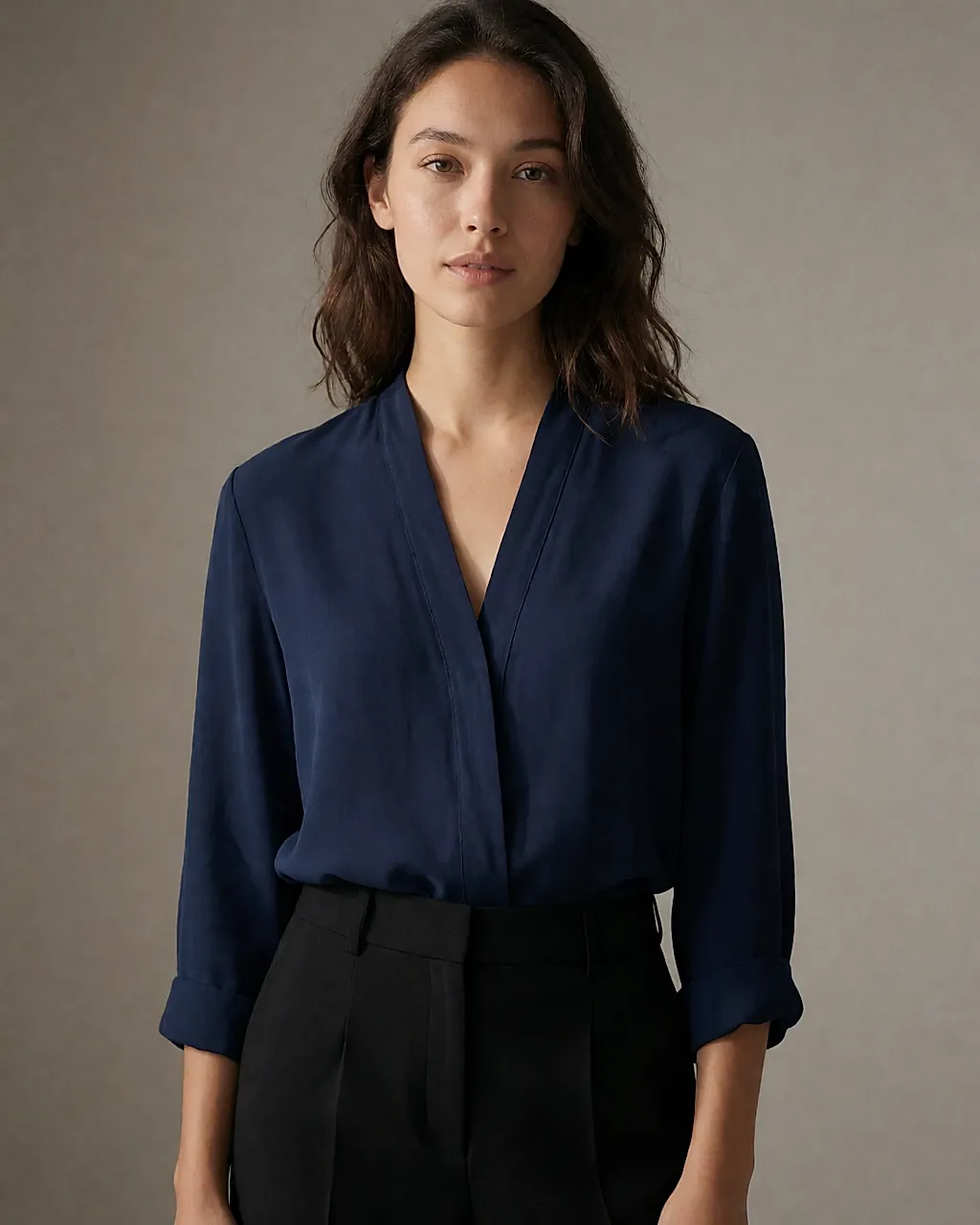
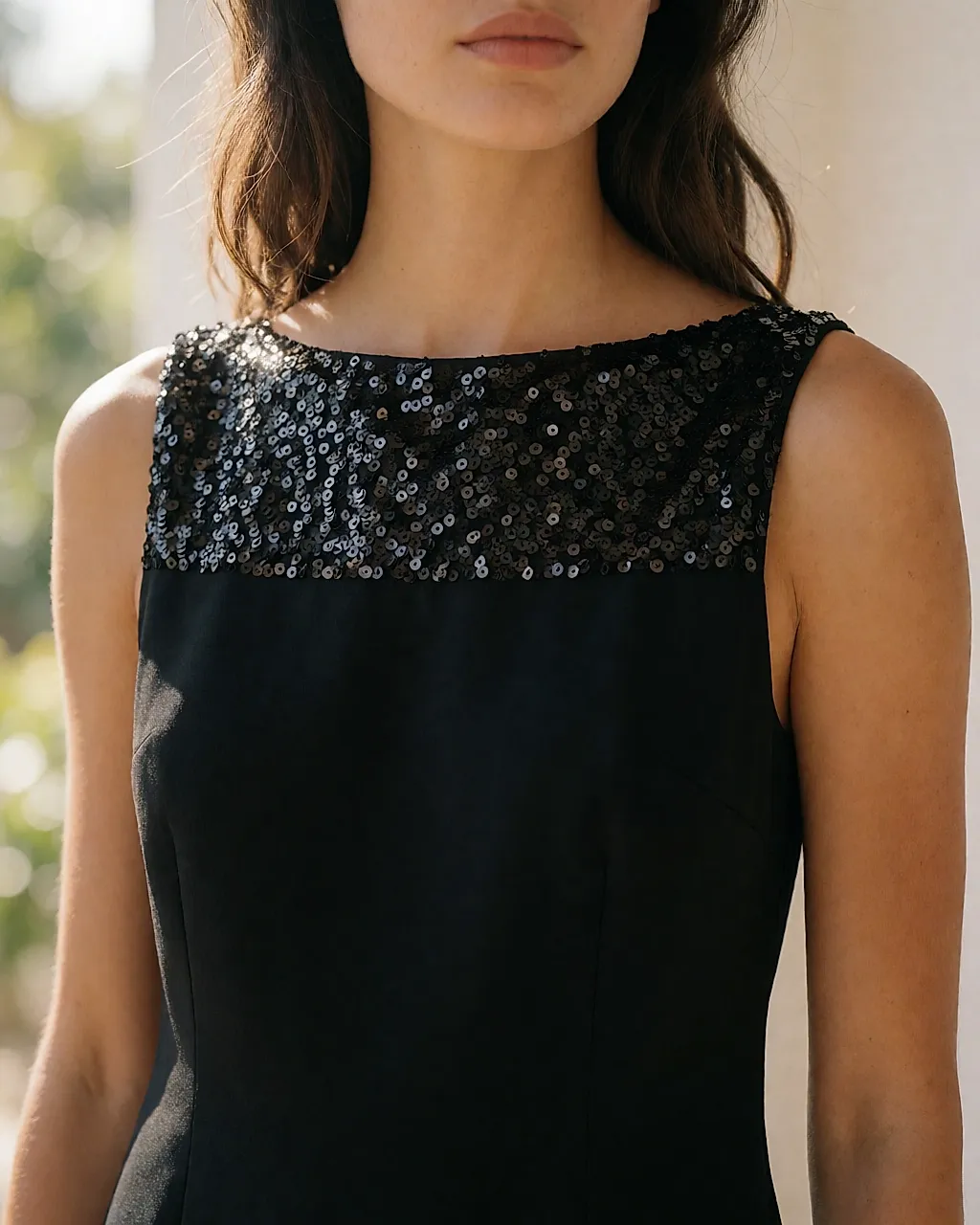
For a genuine statement piece, put your money into the fabric: sequins embroidered in small touches, satin trim, silk crepe. An all-matte black look with a single shiny detail almost always works. Prefer something quieter? An embroidered floral motif at the neckline or an elasticated band at the hip will do the job. The idea to hold on to: one area that catches the eye, not three. Loading up a top that's already busy is the fastest way to lose your silhouette.
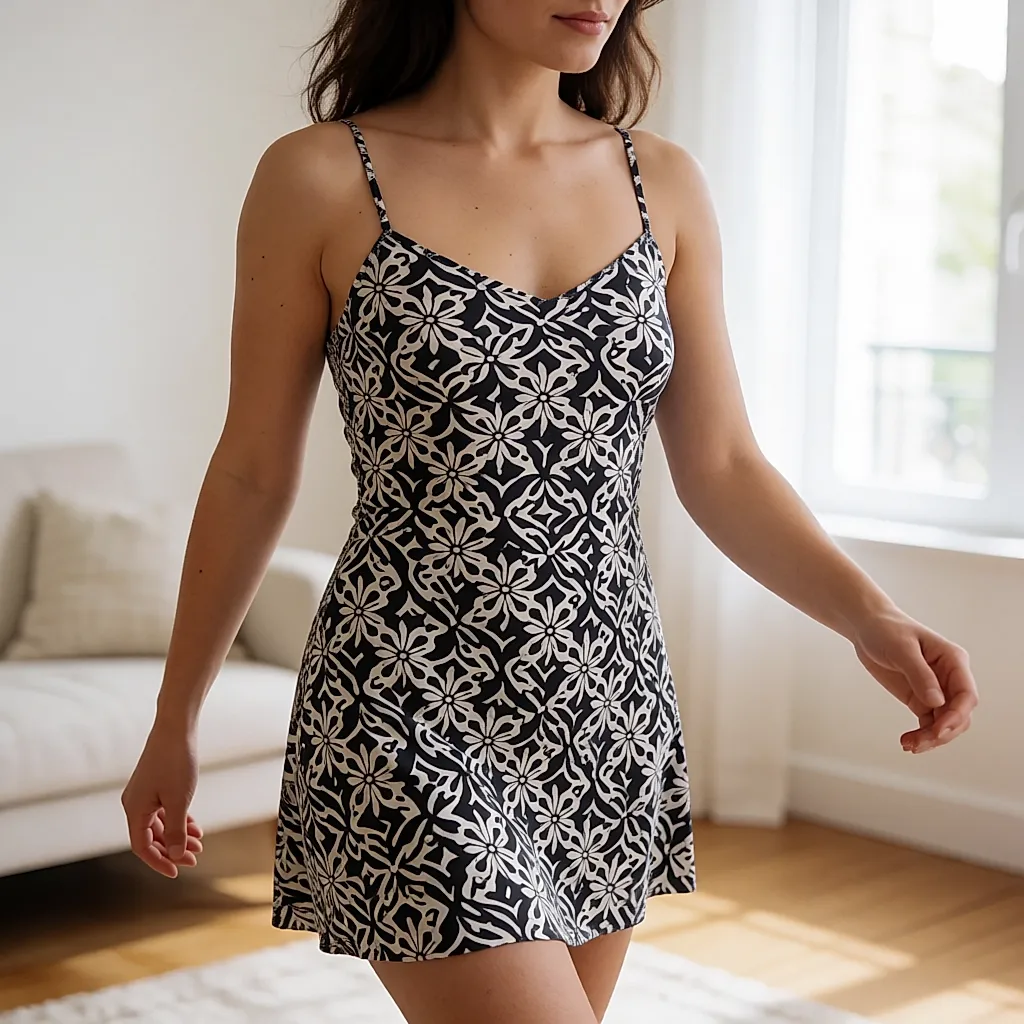
The real test of a going-out top? You should be able to dance, raise your arms and sit down on a low banquette without tugging at the fabric. If you spend the evening readjusting it, it's not the right piece. A good cut never needs babysitting.

Fabrics and labels: what you can actually check
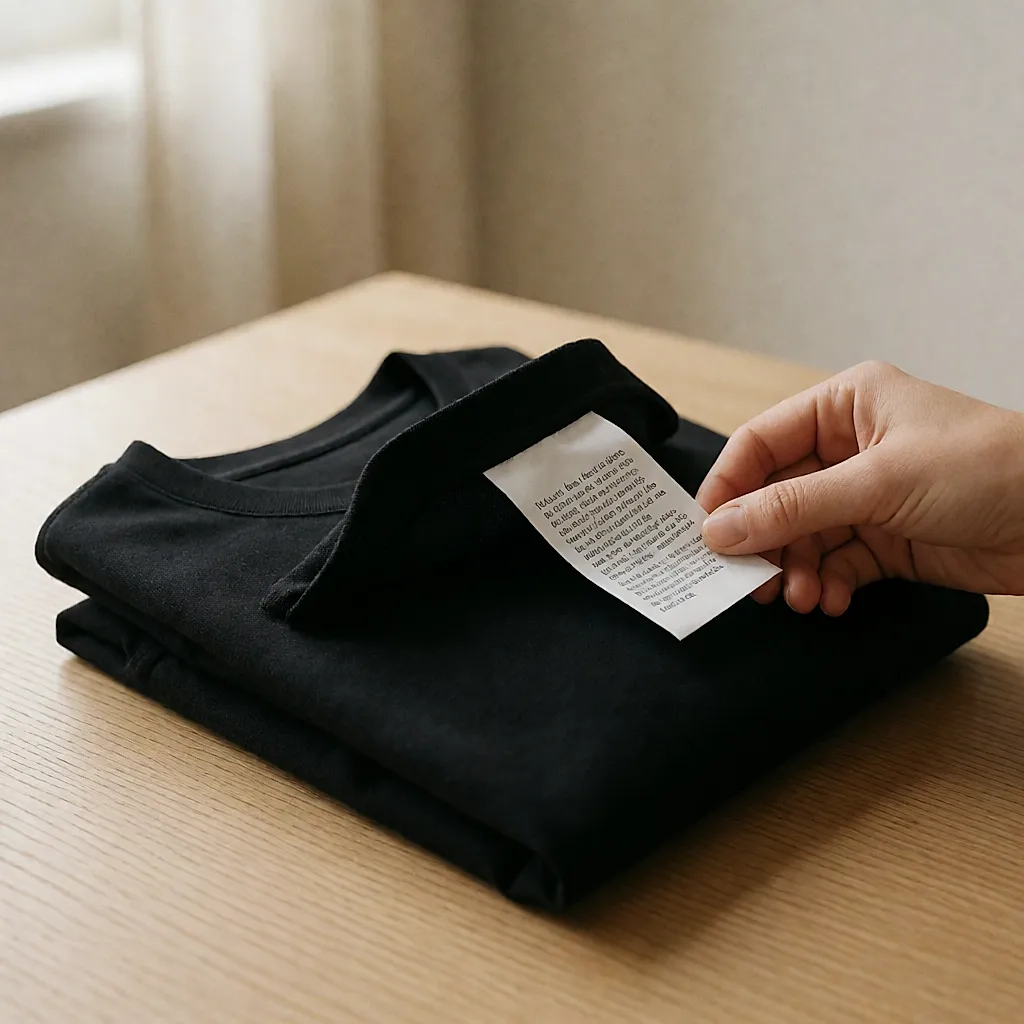
Nobody should be selling you "natural" without proof. Four markers stand up when you read a label:
- GOTS (Global Organic Textile Standard): a traced share of organic cotton, with social criteria and restrictions on chemical substances.
- OEKO-TEX Standard 100: certification based on testing for harmful substances, with limit values for the finished product. Useful for anything that sits against the skin.
- GRS (Global Recycled Standard): covers recycled materials and their traceability.
- Tencel / Lyocell: a cellulose fibre produced in a closed-loop process, fluid and comfortable to wear.
At the end of its life, a cotton or linen top can be mended, passed on, resold. Second-hand is still the simplest way to shift a wardrobe without buying everything new. The trade-off to accept? Cheap polyester costs less, but it holds up less well over a long evening and is hard to recycle. Where you draw the line is up to your budget.
Comfort: the mistake we've all made
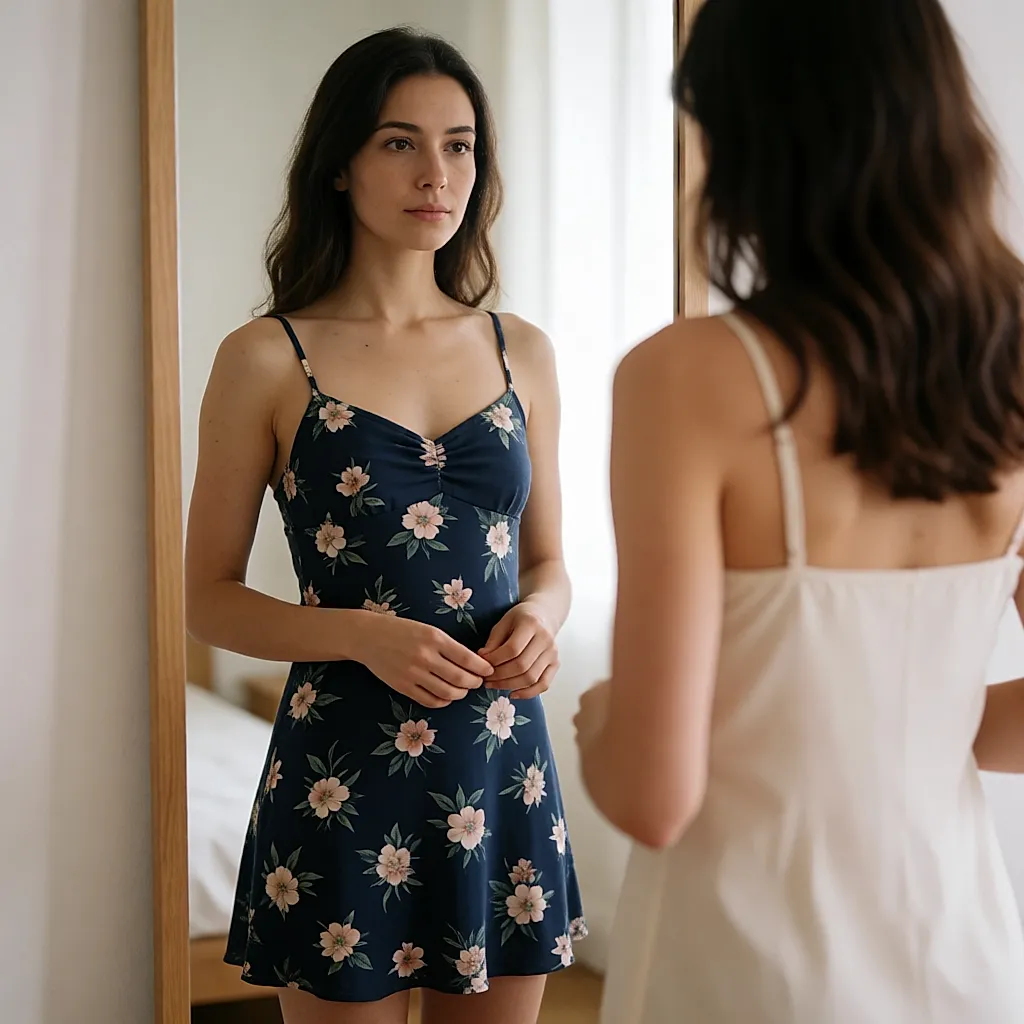
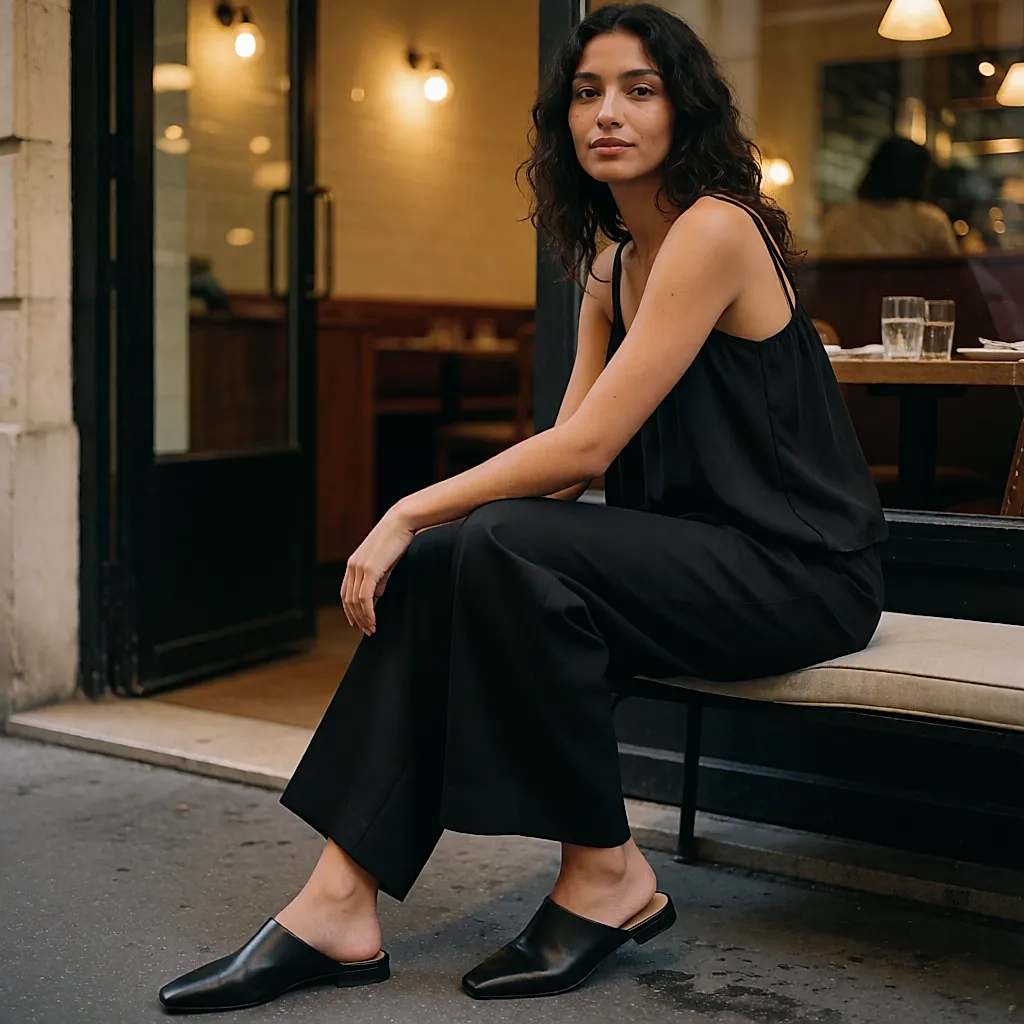
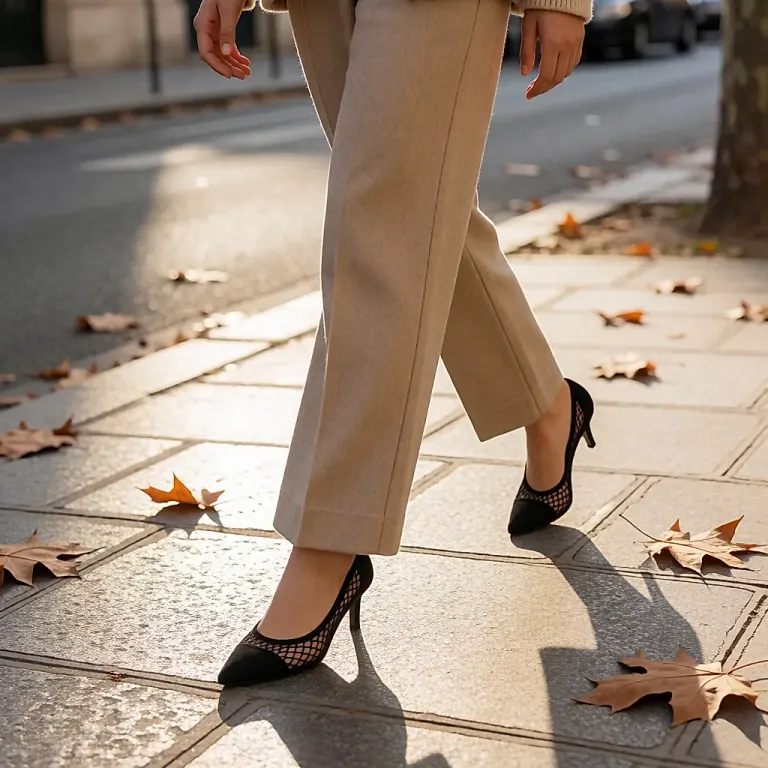
The classic error is going all in on looks and forgetting the rest. Vertiginous heels that end up in your hand, a top so tight every movement turns into a negotiation: we've tried it, never again. Look for adjustable straps, a fabric that agrees to move with you, flat shoes that still look polished — mules, ballet flats. That's the real statement piece: the one that doesn't hold you back.
What you'll pay
As a rough guide, here are the price bands for a going-out top:
- High street and fast fashion: expect £10–£30. A lot of synthetic, variable cut. Fine for a one-off look.
- Mid-range (contemporary high-street labels, online fashion retailers): £35–£100. Cut and fabrics hold up better, often a cotton-elastane blend.
- Designers and premium: £130–£350 and up. Silk, linen, considered finishing.
- Second-hand: £5–£50 depending on the label. The best style-to-price ratio if you'll put in the sorting time.
What moves the price: the fabric (silk and linen at the top, polyester at the bottom), the traceability certification, the finishing, where you shop and the channel you choose. Online, particularly on resale platforms, you'll often find much lower prices at comparable quality. In a shop, you're paying for advice and the chance to try things on. Léna's rule: a top over £80 should earn its keep at least twenty times.
Sources
- GOTS — Global Organic Textile Standard: global-standard.org
- OEKO-TEX: oeko-tex.com
- Textile Exchange (GRS): textileexchange.org
- ADEME (France's environmental agency) — textile impact: ademe.fr
- European Commission — EU strategy for sustainable and circular textiles: ec.europa.eu


Comments
Your opinion matters: rate the article, react and reply to comments.
Comments are moderated; AI-assisted comments are flagged. Text emoticons (8-), :-), <3…) are automatically shown as images.