
Last summer, I caught the sun on my nose. My nose, can you imagine? Not my shoulders, not my back—no, my nose. My children had their sun mist in their bags; I’d left mine on the kitchen table. Since then, I overhaul my holiday bag every June—and believe me, anything that survives that clear-out has earned its place.
The one step that changes everything: SPF stick on the spots you miss
We remember our shoulders. Our nose, lips, cheekbones, parting, scars—much less so. And those are exactly the areas that catch the sun most. The answer is a format we always forget to pack: a pocket-sized high-protection SPF stick. It goes on without touching your hands, doesn’t leak into the bottom of your bag, and can be reapplied every two hours without having to remove all your make-up. Admit it: for the beach, it’s far easier than a bottle leaking among the towels!
In terms of what’s available, SPF 50+ sticks for lips and sensitive areas are easy to find in UK pharmacies and beauty retailers—Anthelios from La Roche-Posay, but also Avène and Bioderma. In truth, the difference is as much about the formula as the SPF rating: chemical-filter formulas often leave less of a mark than a very opaque mineral stick, which can leave that notorious white cast. The downside, when it comes to disposal, is the packaging: most are plastic tubes that can’t be refilled. So choose one and use it right to the end, rather than buying three mini formats on impulse at the till.
Light hydration, without the heavy feel
For the body, Tahitian monoi remains unbeatable on the pleasure-to-price ratio, on one condition: check for the protected designation of origin on the label. It sets out where the coconut oil comes from, how many tiare flowers are used and how long the maceration lasts—markers that separate true monoi from an oil simply fragranced with monoi. They are not the same thing. A glass bottle is prettier than a disposable one and, more importantly, can last several summers.
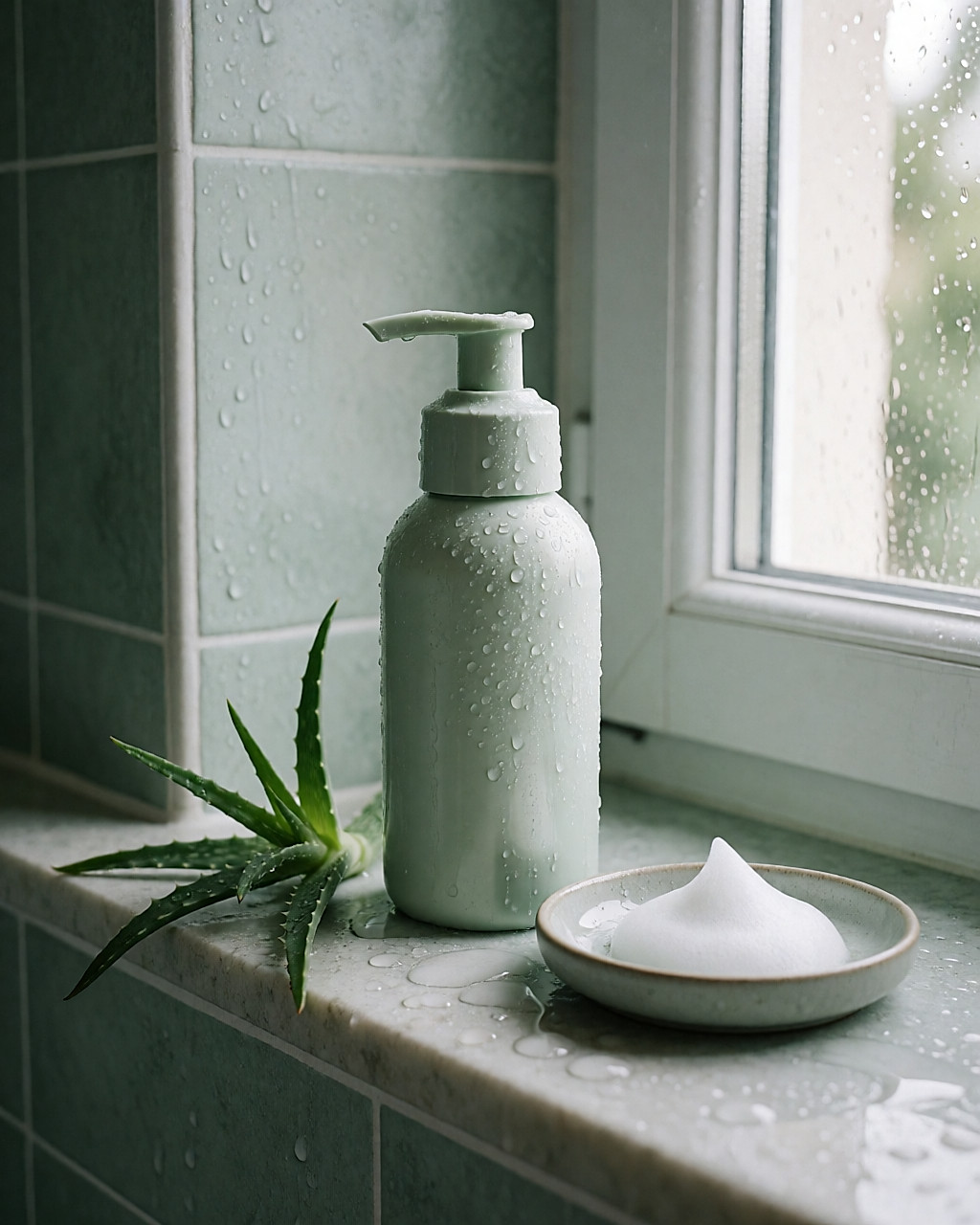
If your skin doesn’t tolerate oils, an organic aloe vera gel does the job very well. In that case, look for the COSMOS Organic mark: this standard sets a minimum percentage of naturally derived ingredients and plants from organic farming. Be aware, though, that a label doesn’t mean ‘risk-free’—just a traceable formula and, often, packaging that’s easier to recycle. And one point can’t be stressed enough: timing matters almost more than the product. After your evening shower, while skin is still damp, the texture absorbs better. The morning after a beach day, apply another layer before you go out, not after.
Complexion: glow, not foundation
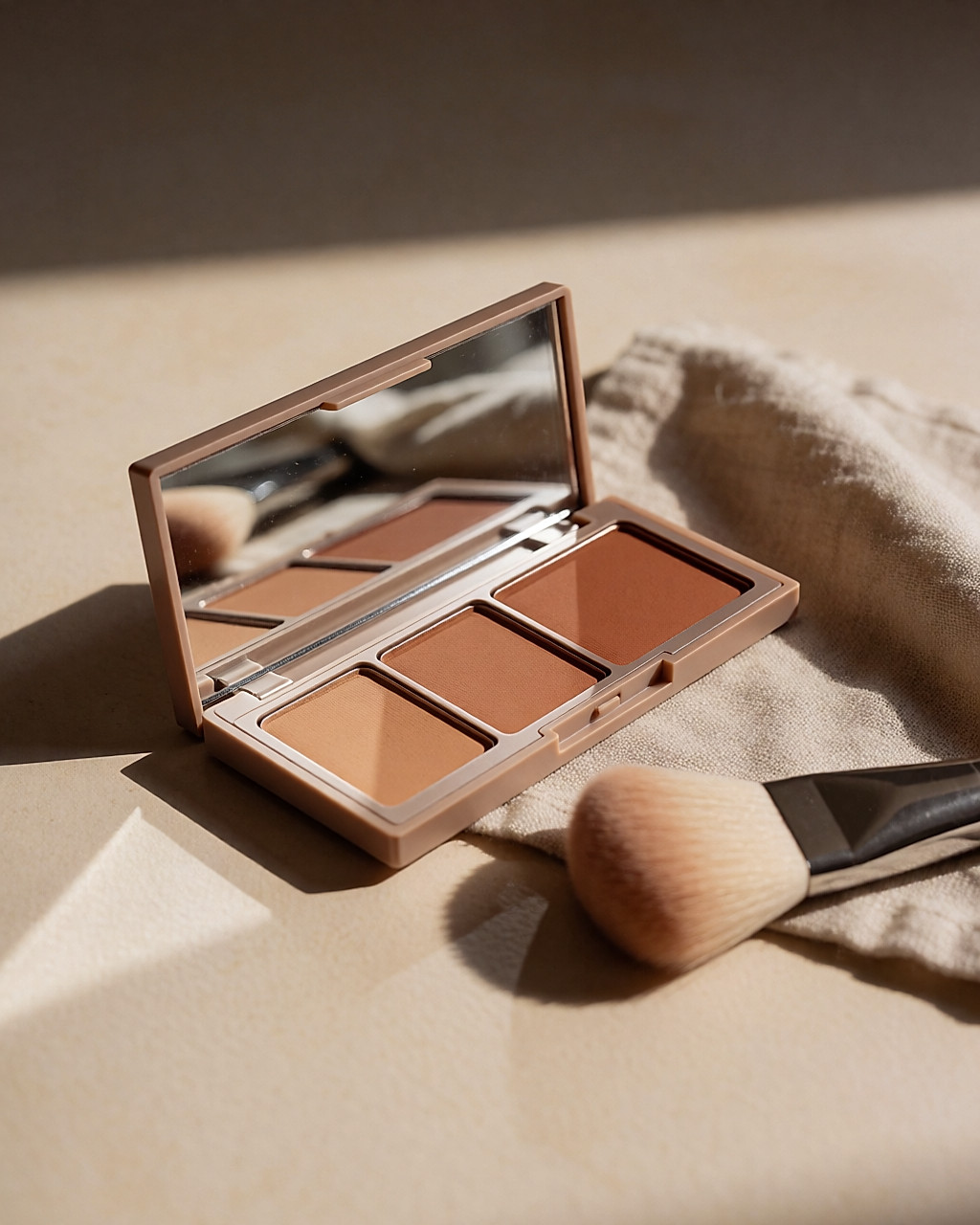
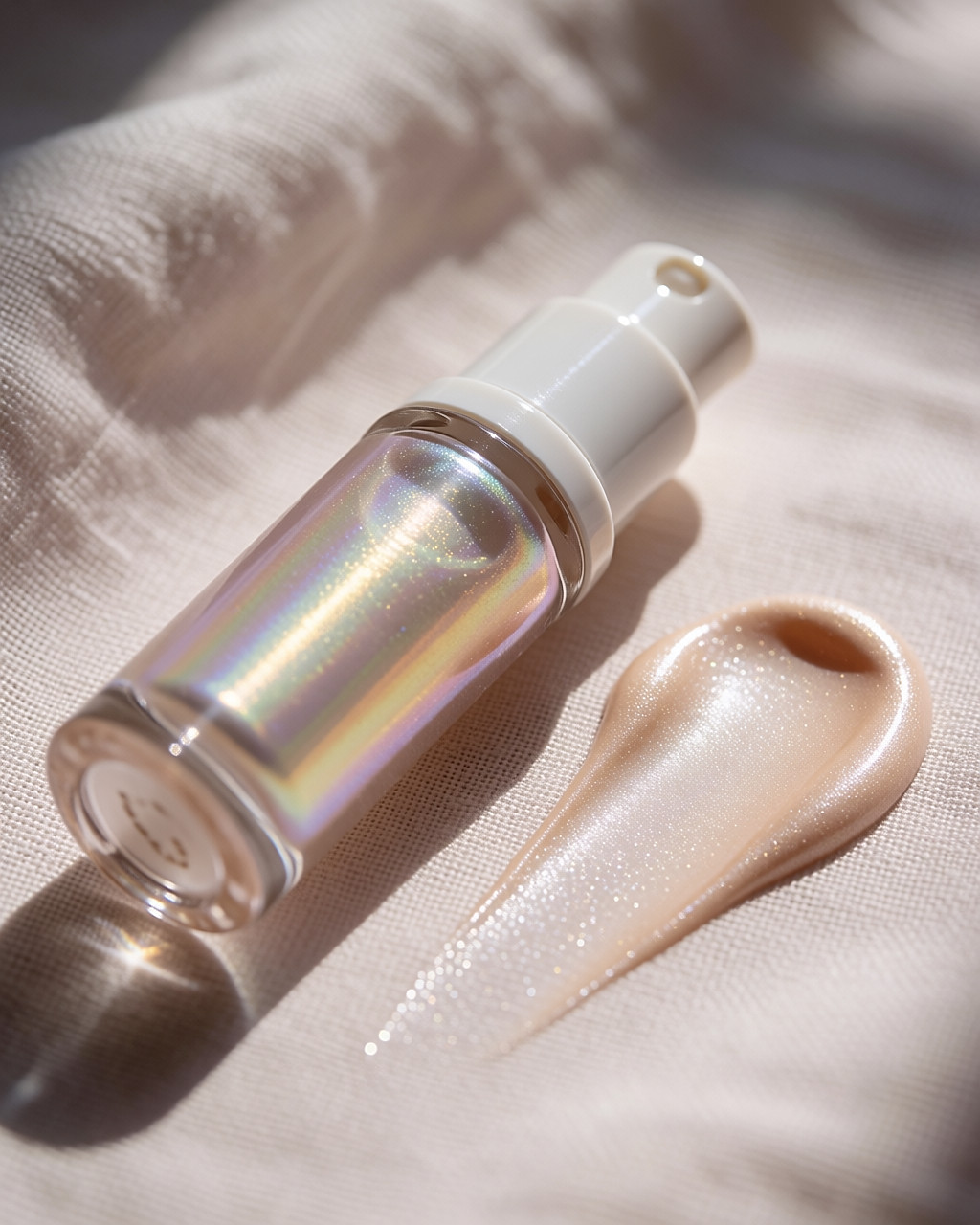
In summer, a layer of foundation rarely lasts the day and ends up settling into lines. Rather than piling it on, opt for a liquid highlighter with a subtle shimmer: a few touches on the tops of your cheekbones, the bridge of your nose and your Cupid’s bow, and your complexion looks awake without a mask-like effect. You can also mix a drop into your moisturiser for a softer, more diffused finish.
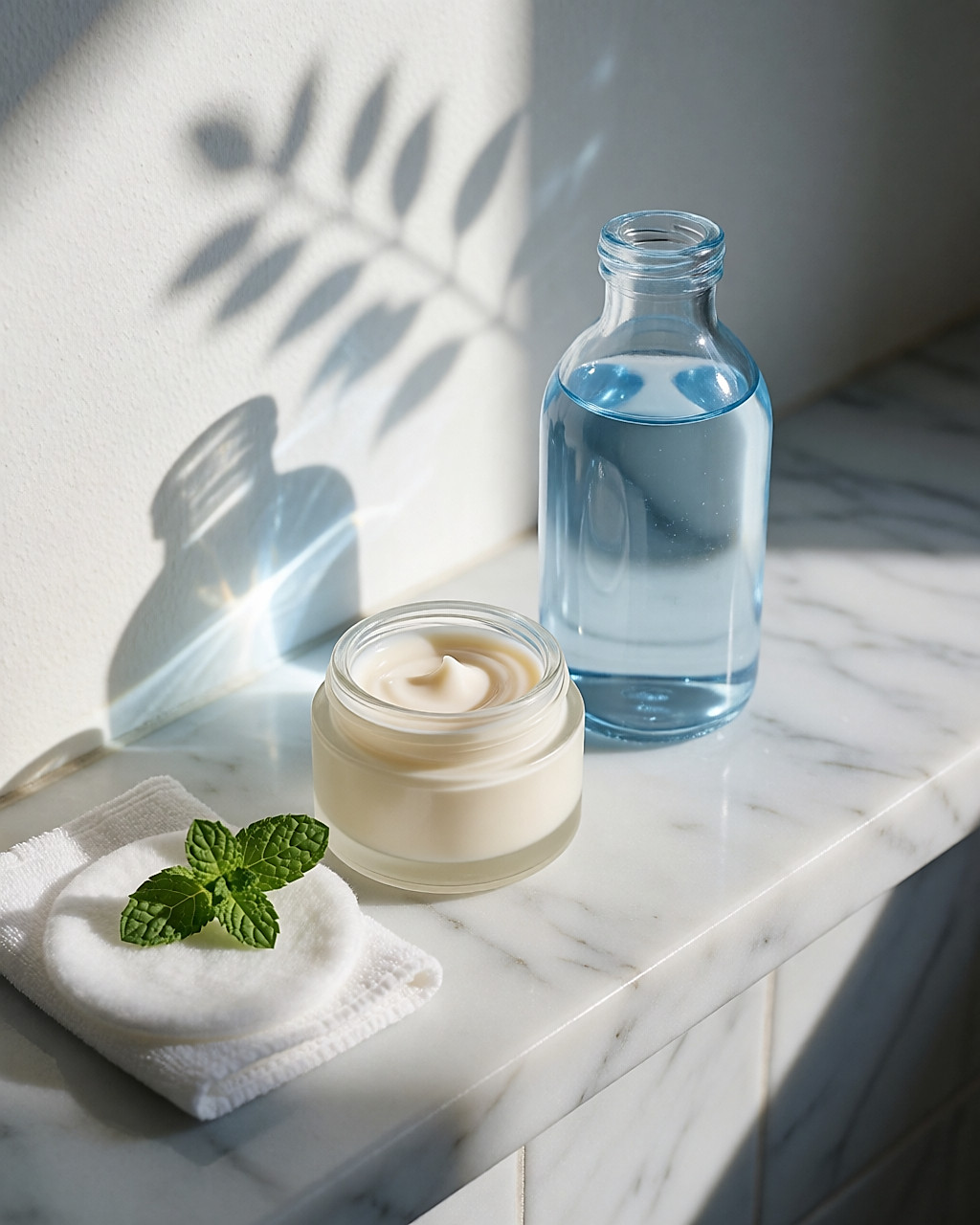
The technique matters: tap with your finger, don’t rub. For the best protection, apply sunscreen as the last step in your skincare routine, before make-up, and avoid rubbing too much. Why do we always forget this? Because we think make-up first and protection second, when reversing the order really does change everything. It’s the kind of detail that costs nothing and prevents a lot of trouble.
Exfoliation: before, never after
Exfoliation prepares skin to absorb moisture, helps self-tan last and allows you to go longer between touch-ups. But be careful: on skin that’s been heated by the sun, it does more harm than good—it intensifies discomfort rather than soothing it. The right time is the day before you go away, then once a week at most. There’s no need to overdo it; your skin will thank you!
A homemade mix of sugar and plant oil works very well and avoids yet another plastic pot. It’s economical, quick, and you can adjust the texture to suit you. Otherwise, choose glass packaging or a refill when the brand offers one: it’s the best compromise between pleasure and sustainability.

Finishing touches: scent and hair
For deodorant, the trend is for solid sticks sold in cardboard, often formulated without bicarbonate of soda—an essential point if you have reactive skin under your arms, as not everyone tolerates it in the same way. Rose or orange blossom versions smell divine, but what really matters is what each ingredient does: clay to absorb moisture, well-measured bicarbonate of soda to neutralise odour, shea butter for comfort. Read the ingredients, not just the name.
On the hair front, forget the lemon juice and sunshine trick that still circulates every summer. Lemon is photosensitising and dries out the hair fibre: it’s not a good idea, even on strong hair. Modern lightening sprays work differently, and the result depends a lot on your starting colour—on blonde hair, it won’t be the same as on brunette. If you really want even lightening, a salon balayage is more predictable than a homemade spray.
I keep my SPF stick in my handbag all year round. On car journeys, it saves the back of my right hand on the steering wheel—an area we never think to protect, yet it takes a real beating. A habit to adopt from the first sunny day.
Budget
- SPF 50+ stick for lips and sensitive areas: expect around £7 to £18 in pharmacies or beauty retailers. The price rises with size, dermo-cosmetic brand and sales channel.
- Tahitian monoi with protected designation of origin: £9 to £26 for 100 to 200 ml. The PDO and glass push up the price; supermarket fragranced versions cost less, but don’t carry the PDO.
- Organic aloe vera gel: £4 to £15 depending on volume and certification.
- Liquid highlighter: £13 to £34 in beauty halls or online; own-brand lines come in well below that.
- Body scrub: £7 to £21 per pot. Homemade comes down to a few pounds.
- Solid deodorant: £4 to £13, often cheaper in a bundle or refill.
Price differences come mainly down to where you buy and certification. In pharmacies, it’s not unusual to come away with a sunscreen sample before investing in a full size—a good way to test the texture without getting it wrong.
Sources
- NHS, sun safety advice.
- Office for Product Safety and Standards (OPSS), guidance on cosmetic products including sunscreens.
- COSMOS-standard, certification for organic and natural cosmetics (Ecocert).
- Monoï de Tahiti protected designation of origin specification.
- La Roche-Posay, Anthelios range (official site).
- Which?, sunscreen product tests.



Comments
Your opinion matters: rate the article, react and reply to comments.
Comments are moderated; AI-assisted comments are flagged. Text emoticons (8-), :-), <3…) are automatically shown as images.