

You pop in for a birthday present and walk out with a name you'll remember and a sudden urge to come back. The shop is no longer just the place where last season's collection is quietly shifted: it tells stories, hands out advice, mends things — and sometimes serves tea. The real question is what you actually get out of it, and what is simply well-lit set dressing.
Good advice, and the art of saying no politely
There's the assistant who trails you three rails behind, and the one who asks your size before your name. The second is a luxury few algorithms have managed to match: she knows that a narrow shoulder can't be fixed by wishful thinking, that this skirt sits high on the waist, that the coat hangs better a size up. Ten minutes of conversation, one changing room, and you leave with something that fits — not a parcel to send back on Monday morning.
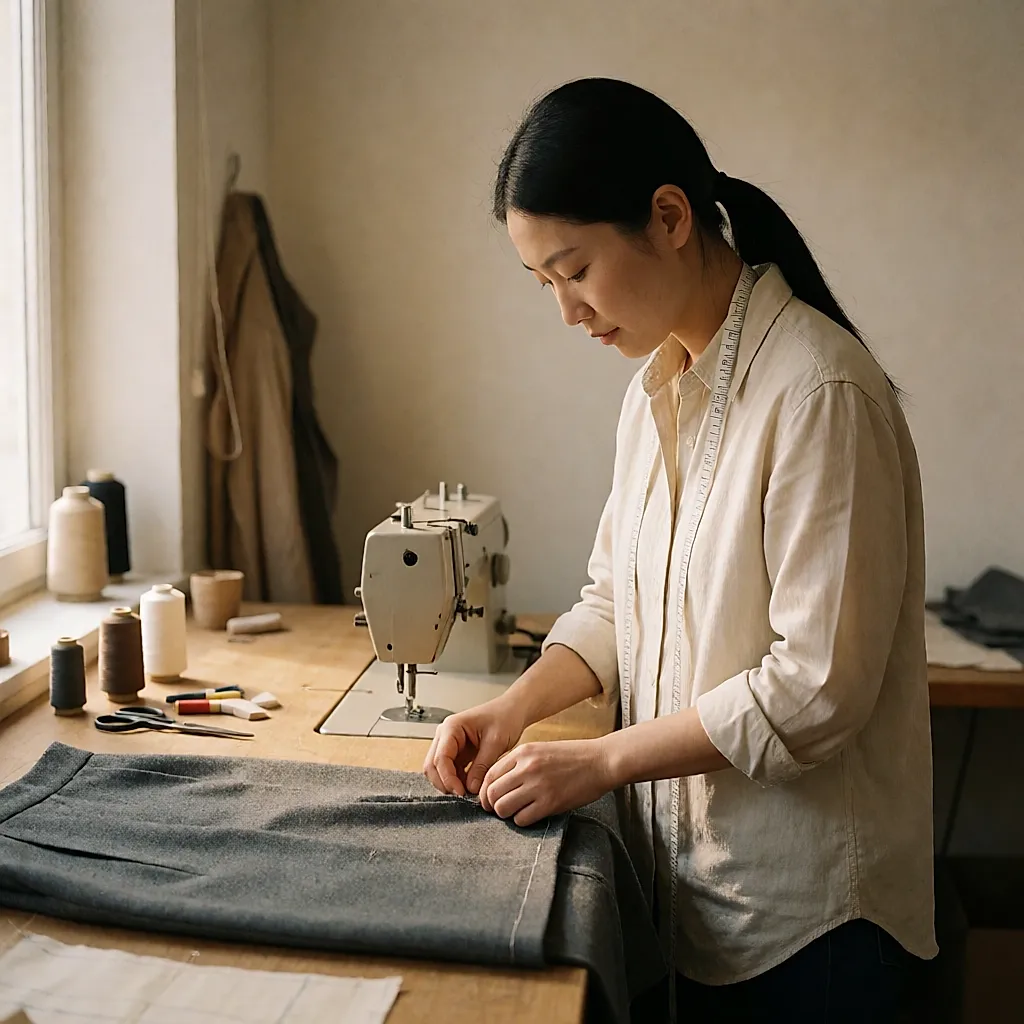
The real sign that a shop takes advice seriously is what happens after the till. A hem taken up, a seam reinforced, a belt shortened: some places install a proper alterations desk rather than a token counter. Three questions before you pay — is it done on site, how many days does it take, at what price — and you'll know whether the service is genuine or just a nice line printed on a label.
You're there for the workbench, not the till
The second shift: the shop becomes somewhere you drop into with no intention of buying. Aesop, for instance, has made the sink a signature feature — you wash your hands, try out textures, and sometimes leave with a sample and a bit of advice. At Sézane, the stores it calls "appartements" can host workshops and meet-ups depending on the city; elsewhere you might walk into an exhibition, a visiting cobbler or a decent coffee shop, none of which was on the agenda.
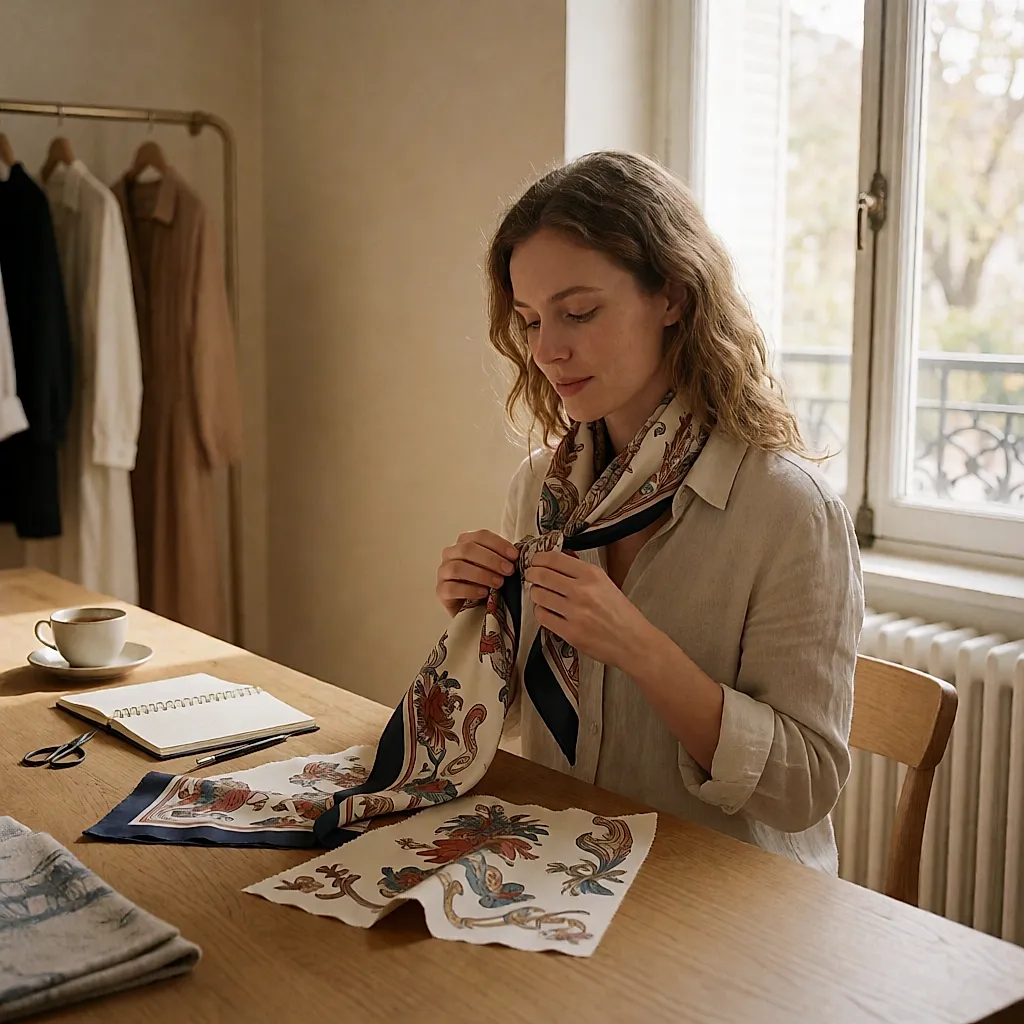
What do you actually get out of it? A skill. How to tie a scarf, how to feed a pair of leather shoes, how to spot a wool that will see you through winters. These sessions are often free or a token fee, sometimes by booking, and they have a quiet virtue: they teach you to keep what you already own going. The flip side is that a workshop is also a powerful loyalty tool — you go in for the demonstration and come out with a list of addresses and a piece you're thinking about.
The set dressing: what works, what just sparkles
Let's be honest: a good part of the charm comes down to staging. Well-placed mirrors, warm light, the right music — a changing room can flatter you more than your bathroom mirror first thing. Hence the reflex worth keeping: before you commit, step outside with the piece in daylight, or ask to stand by the window. You'll see straight away whether that green keeps its promises away from the set.

The other half of the story is the genuine services, and it pays to learn to tell one from the other. An in-house alterations service, a partner cobbler, a drop-off point for second-hand pieces: useful, lasting, often low-key. A champagne bar upstairs, a dried-flower wall and nobody to tell you whether the cut comes up large: charming, but it isn't advice. Set dressing doesn't come home with you.
A good time to ask for advice: a Tuesday morning or early afternoon midweek, and you'll often have the assistant to yourself. Ask what she herself wears from the collection, and whether alterations are done in the shop's own workroom — that's often the question that gets you an honest answer.
Budget
Service has a price, and it's gentler than you'd think. A simple hem usually comes in at somewhere between £10 and £25, depending on the city, the fabric and the lining; taking in a waist or adjusting the fit, more like £15 to £40. Some brands offer free alterations on pieces bought from them: ask, because it's rarely advertised. In-store workshops and events are frequently free, occasionally charged when materials are supplied — expect a modest fee, sometimes around £30, for a knitting or embroidery class.
Where to find these services: in the brand's own shop, at an independent seamstress's (often cheaper and just as careful), at a market stall or local alterations shop, at a cobbler for leather and soles. And for care, restraint is the best calculation: repair, alter, buy second-hand in the right size. A piece you keep for five years often costs less per wear than one you wear three times — the bill just doesn't show up at the till.
So the shop has found its voice again, sometimes for the best, sometimes to sell you beautifully lit emptiness. Choose your addresses the way you choose your friends: the ones that tell you the truth about sizing, that mend, that remember your name from one visit to the next. The rest, you can nod to through the window and owe them nothing.


Comments
Your opinion matters: rate the article, react and reply to comments.
Comments are moderated; AI-assisted comments are flagged. Text emoticons (8-), :-), <3…) are automatically shown as images.