
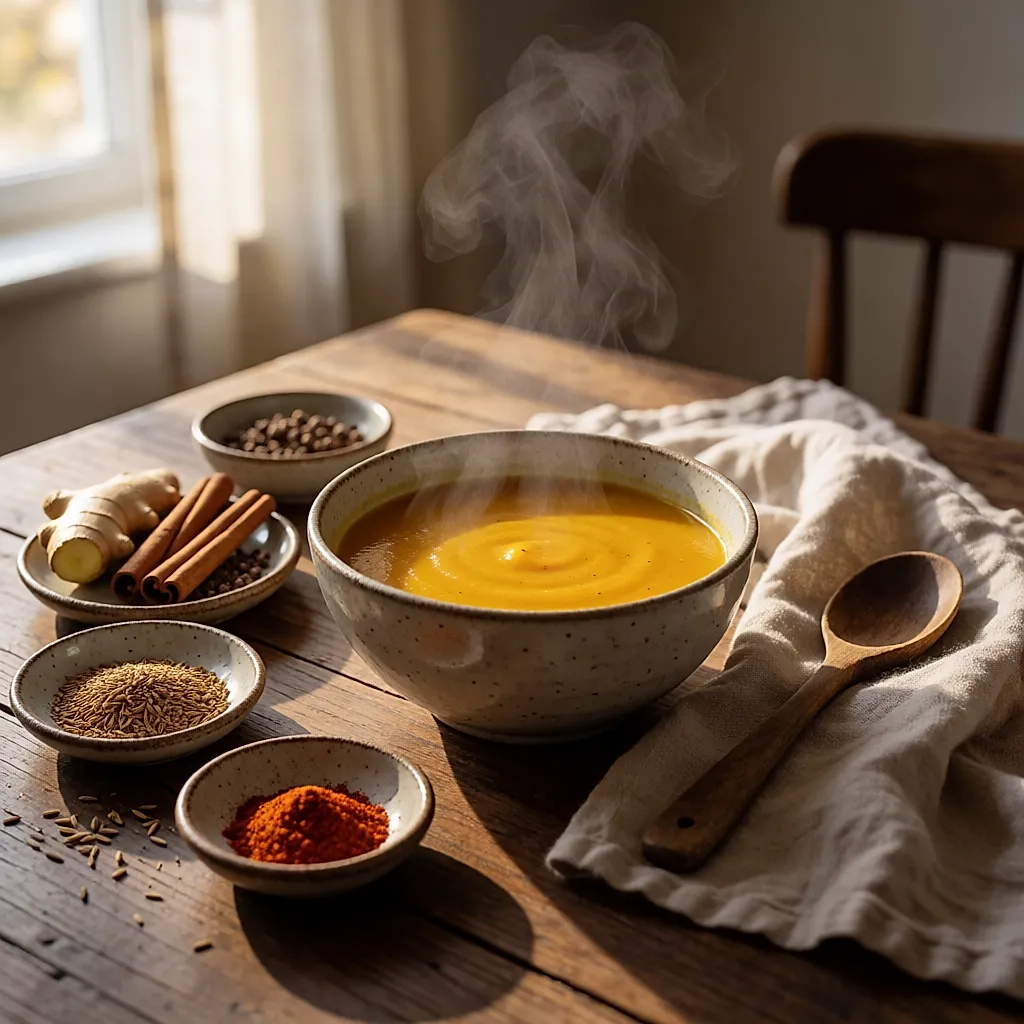
The sweet paprika has been sleeping at the back of the cupboard since last year, and the squash soup wants flavour right now. So we add salt. Then taste. Then add more salt. And the dish ends up salty without really being flavoured.
Salt doesn't create flavour, it stages it
That's its strength, and its little trick. Salt makes certain aromas more pronounced, rounds things off, softens bitterness – and when a dish lacks flavour, it can keep up the illusion for a couple of spoonfuls. The World Health Organization recommends adults keep below 5g of salt a day, about 2g of sodium, including the hidden salt in processed foods.
Should we cut it out altogether? No, and that's not the point. In practice, many of us are above that benchmark, and reducing salt remains a well-documented area of prevention, particularly for people with high blood pressure – a conversation for a healthcare professional, not a cookery article. What we also know is that the palate isn't set in stone: research suggests a preference for salt can decrease over time, but the timescale varies from person to person. The results aren't uniform, but the lead holds.
What spices bring – and what they don't
Let's be clear: no spice replaces salt physiologically. Cumin doesn't provide sodium, and neither does cinnamon. What they do is fill the space – warmth, woody notes, gentle bitterness, roundness – where salt was merely filling a hole. A few studies explore the link between spicy food and a liking for salt; the results are still too limited to turn into a method. Keep it as a lead, not a recipe.
Every spice has its own geography. Cumin, earthy and warm, loves carrots, beetroot and chickpeas. Ginger brings a fresh bite that wakes up a slightly limp squash soup. Cinnamon wraps itself around root vegetables, but it quickly takes over: a hint is enough, otherwise your dinner smells like Christmas in October. Sweet paprika adds colour and roundness without heat. Long pepper, rarer, leaves a long, woody warmth that lingers on the palate – add it in small touches; it doesn't forgive excess.
The move that matters is at the end of cooking
Adding all the spices at the start is practical and often good: in the fat, they open up and meld. Adding them at the end of cooking, however, changes the whole profile of the dish – the flavours stay bright, the vegetable keeps its own voice. For whole spices, a few seconds dry in a hot pan before grinding is enough to wake them up. Don't burn them: bitterness sets in quickly and can't be undone.

For quantities, think of a kitchen guide rather than a rule: one level teaspoon for four people, then taste and adjust. Too little and the spice is merely decorative; too much and it overwhelms everything else, until all you can taste is cinnamon! And don't forget the free allies: a squeeze of lemon, a spoonful of cider vinegar, fresh herbs chopped just before serving. Acidity often does the job we expected salt to do.
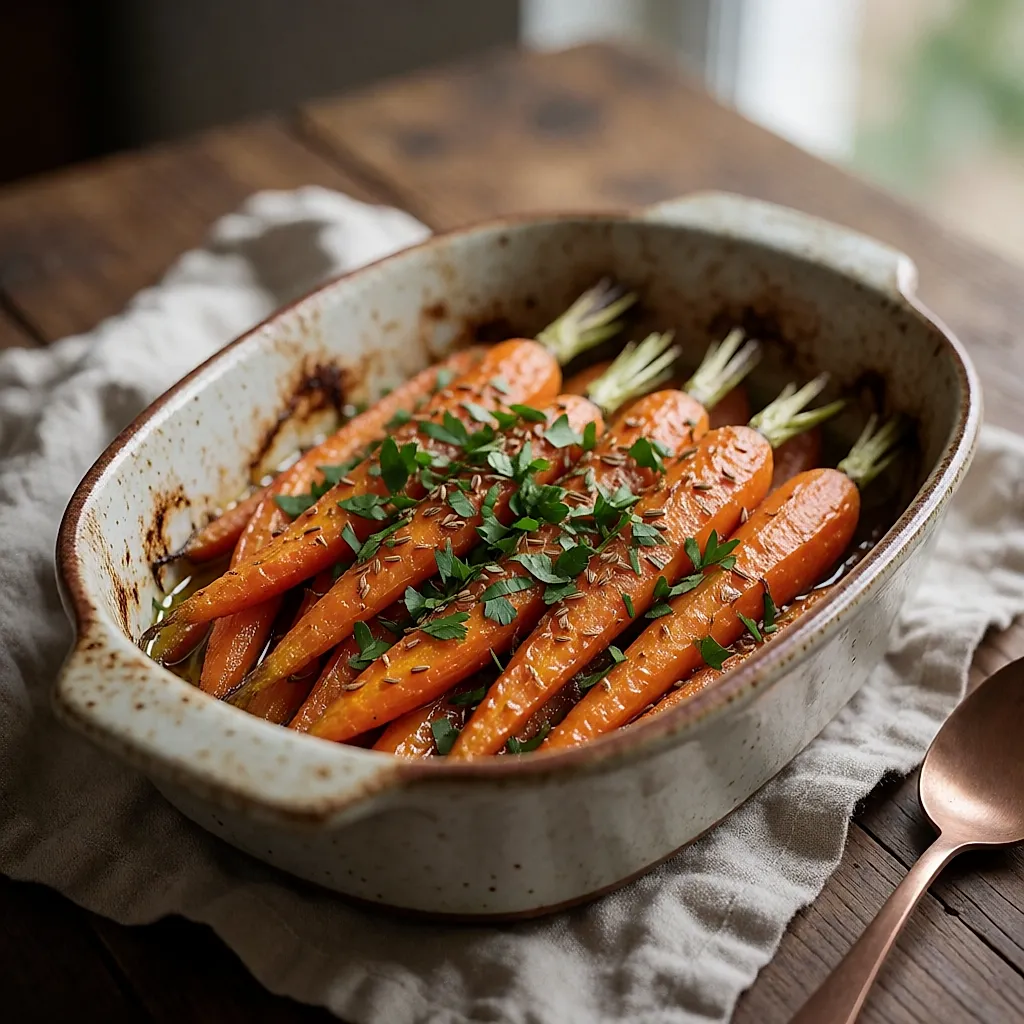
A few pairings to try this week. Cumin on roasted carrots, with a drizzle of olive oil and parsley. Freshly grated ginger in squash soup, added off the heat. A pinch of cinnamon on sweet potatoes. Sweet paprika in a split pea broth. Ground long pepper on a celery soup. In every case, taste before you salt, and give the spices a minute to settle.
What to cut back on, what to keep
The trade-off comes down to two columns. On the lighter side: pasta and vegetable cooking water, stock cubes, shop-bought sauces, ready meals. In the UK, a large proportion of the salt we eat comes from processed foods and bread, not just the salt cellar we tend to blame. Reading labels is therefore more worthwhile than hiding the salt at the back of a drawer.
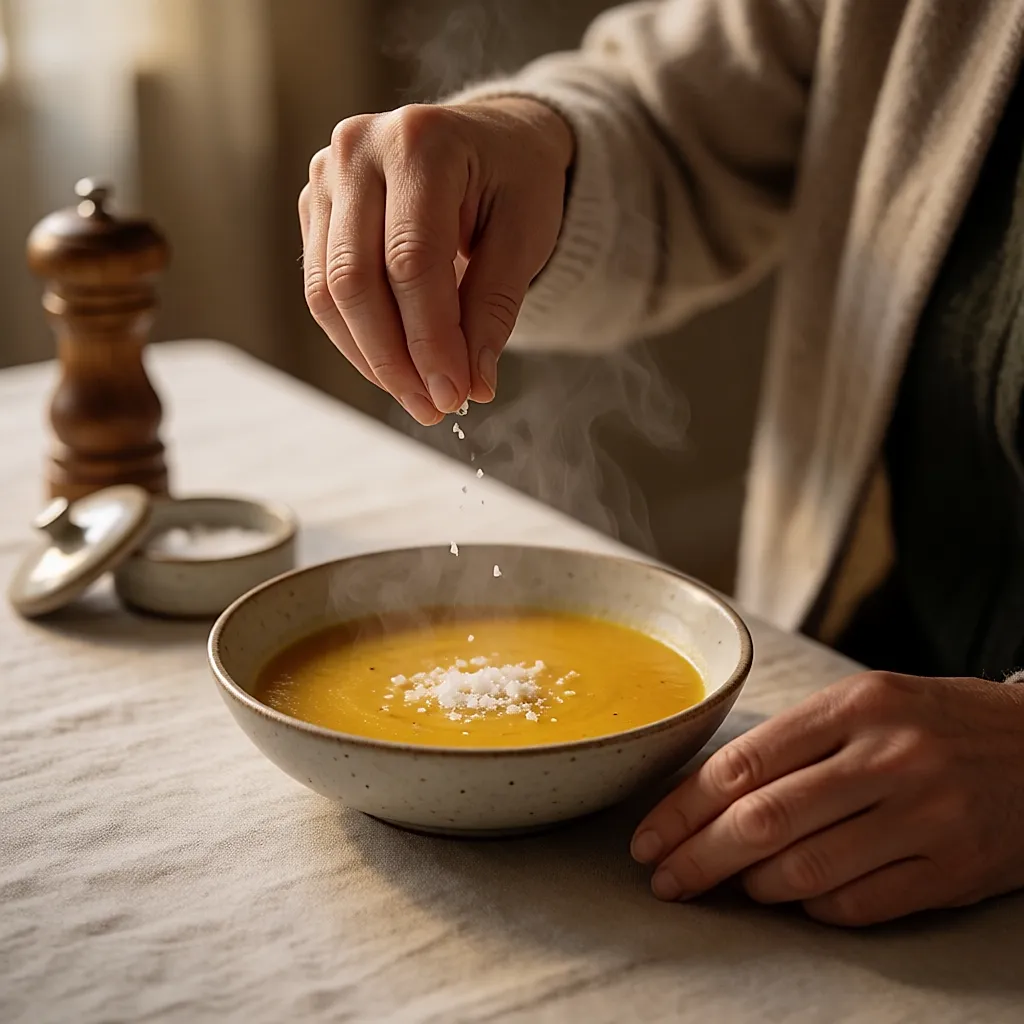
On the keep side: a finishing salt. A few flakes of sea salt added to the plate at the last moment, and the salt hits the palate first – which often means you can use less in the cooking. There's nothing magic about it, just flavour. We also keep freshly ground pepper, herbs, spices bought in small quantities so they don't grow old in their jar, and the time to really taste.
Sunday-night soup doesn't have to be bland to be gentle. It needs an aroma that arrives in time, and a hand that's a little less heavy on the salt shaker. Over time, many people find that the salt they used to add now tastes a little too salty – an encouraging observation, but not a guarantee, because the timescale varies from person to person.
Sources
- World Health Organization — Salt reduction, fact sheet.
Comments
Your opinion matters: rate the article, react and reply to comments.
Comments are moderated; AI-assisted comments are flagged. Text emoticons (8-), :-), <3…) are automatically shown as images.