
Between drinks with friends, shared ice creams with the family and meals that stretch into the evening, there is no shortage of chances to treat yourself. This morning your jeans fasten a little less easily, and the scales don't seem willing to negotiate. Nothing serious — and above all, nothing irreversible. What you're seeing isn't a verdict, just a signal — and it doesn't justify any punishment.
What we know, and what we don't yet
Holiday periods and richer meals can come with a slight, temporary weight gain for some people. A good part of that variation is water and glycogen stores, in other words sugar stored along with its water. Good news: some of it can gradually subside as your habits return, though no precise timescale is guaranteed. Current evidence suggests what matters isn't when you start, but the trajectory of the months that follow. And very restrictive diets can encourage weight regain later on: gradual changes are better. In practice, the key point is this — prevention comes down to sustainable habits, not to putting your body through an ordeal.

Rebuild your plate
The simplest guide to keep in mind comes down to one image: half the plate vegetables, a quarter protein, a quarter wholegrain carbs. You cut nothing out; you rebalance the proportions. Vary your cooking methods too — steaming, oven-baking, pan-frying, raw — because routine always ends up boring you. A vegetable roasted with a few herbs is nothing like the same vegetable boiled for ten minutes, and that's often the only difference between a plate you enjoy and one you endure.

Vegetables, your foundation
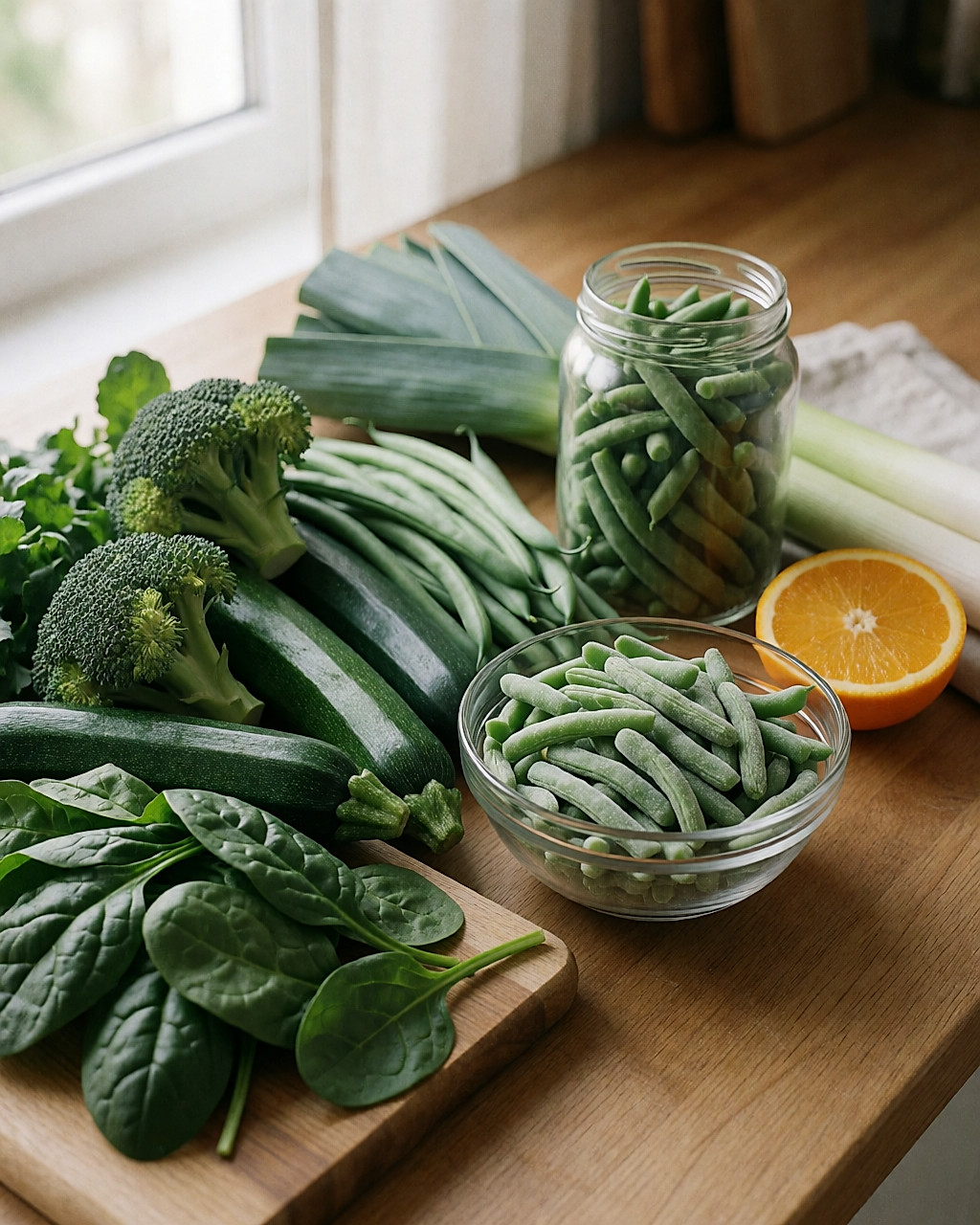
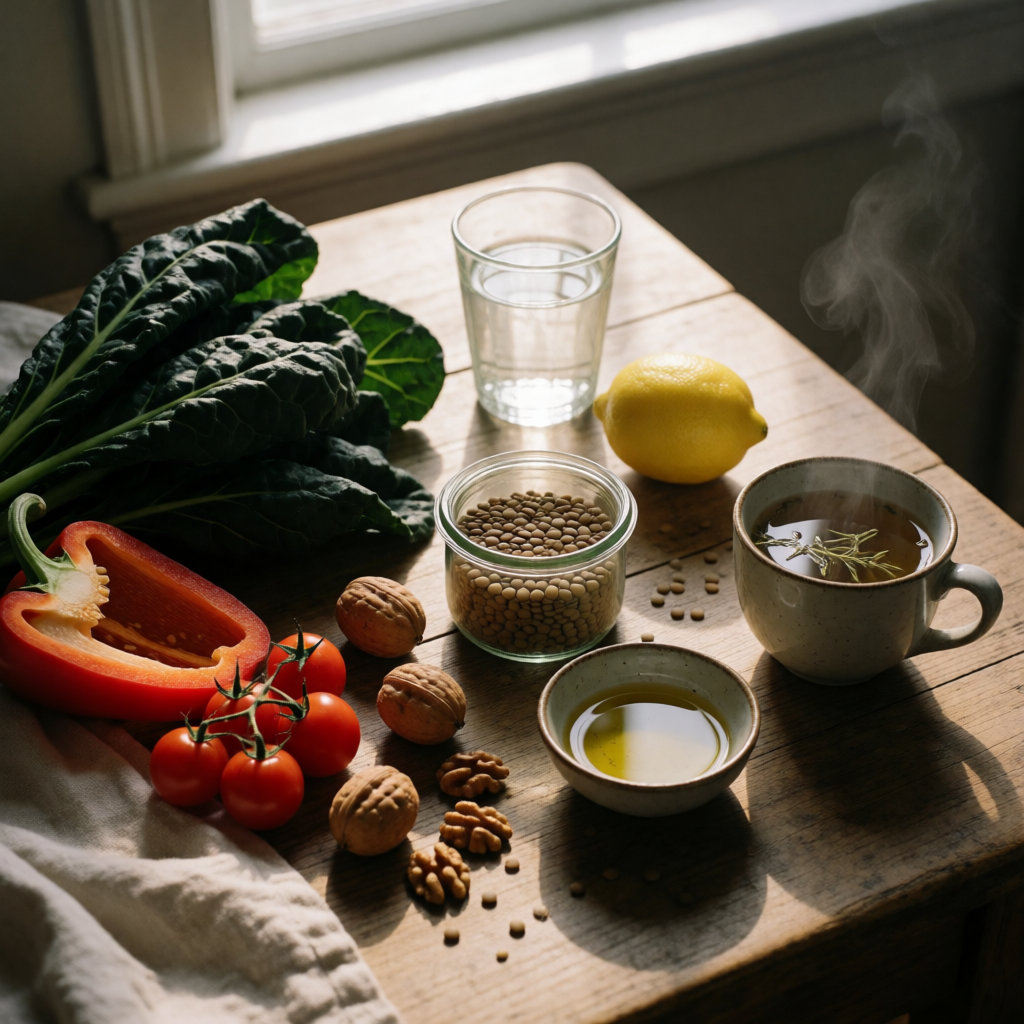
Five portions of fruit and veg a day — that's the 5 A Day message. Green vegetables — spinach, broccoli, courgettes, green beans, leeks — are your allies: rich in fibre, filling, low in energy density. Fresh in season, plain frozen or tinned without added salt: all three are equal nutritionally, and the latter two keep costs down out of season. One citrus fruit a day brings vitamin C and a fresh note — we love that.
Protein: keep it varied
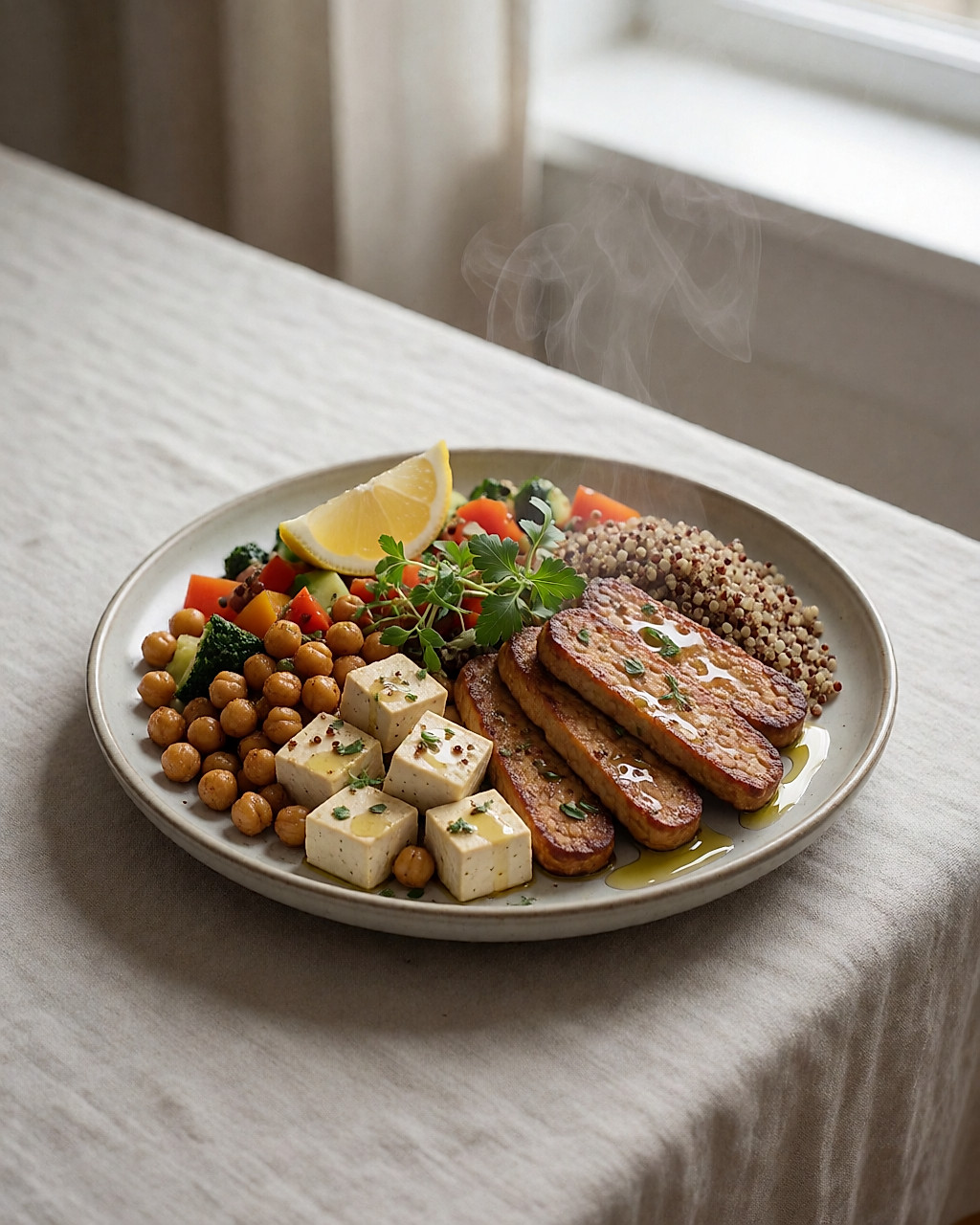
Fish twice a week, including one oily fish — sardines, mackerel, salmon. Poultry, eggs and seafood round out the week. On the plant side, pulses — lentils, chickpeas, kidney beans — deserve at least two meals a week. The trick: pair them with a wholegrain — couscous and chickpeas, rice and lentils, wholemeal bread and hummus. Tofu and tempeh work very well too, pan-fried with a little soy sauce. That way you swap out one or two animal proteins a week, without forcing it.
Seasonings make all the difference
Olive, rapeseed or walnut oil for the good fats, in small amounts. Then the condiments that transform an everyday dish: lemon, vinegar, spices, fresh herbs, gomasio, soy sauce, nutritional yeast. Watch the salt: the current official guideline is 5 g a day, and we often exceed it without realising — particularly through ready meals and bread.
In the evening, keep it light
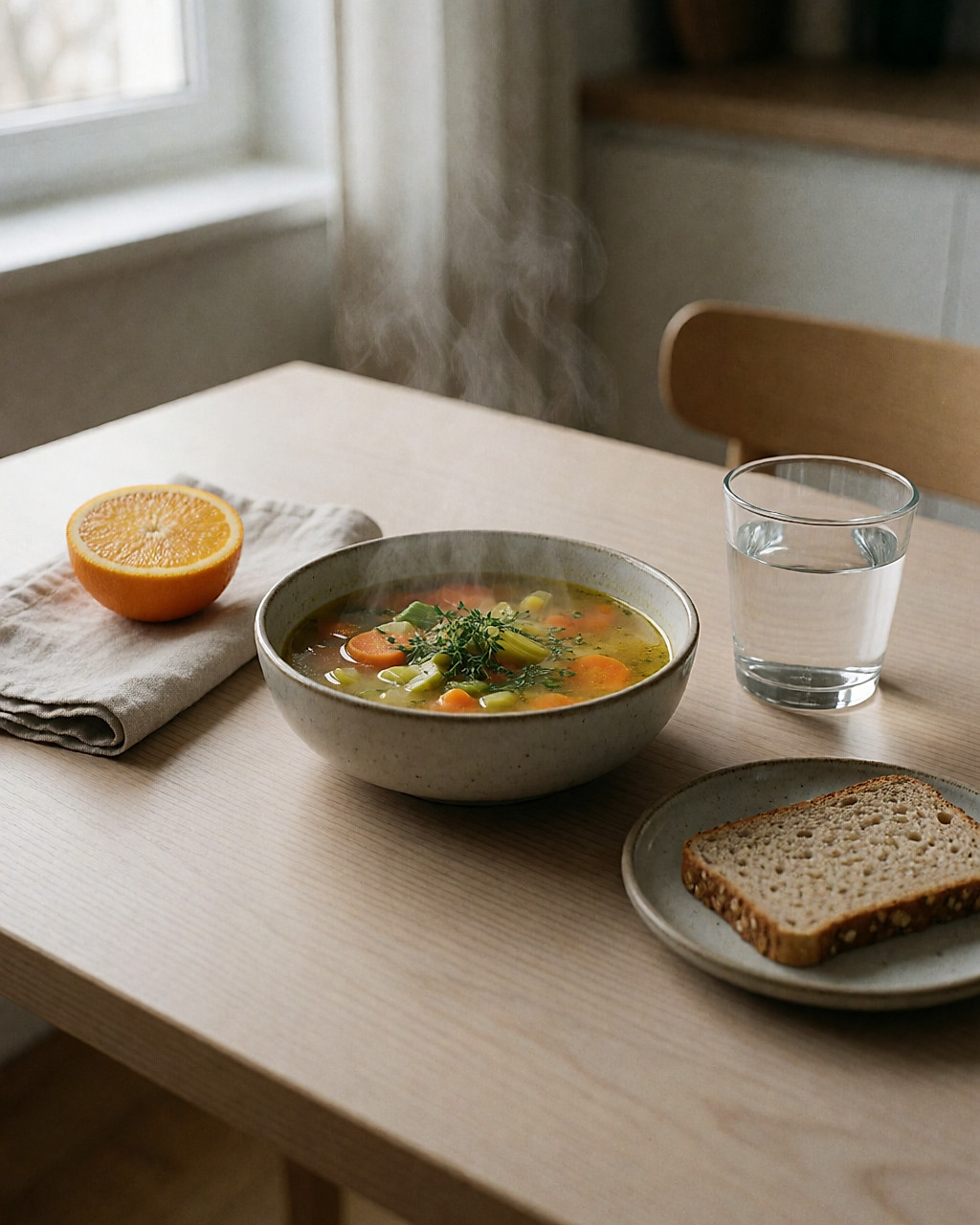
This is the moment to lighten the plate, especially after several weeks of rich meals. Soups, broths, vegetables: water, fibre, vitamins, and a stomach that finally gets to rest. Add a simple protein — an egg, some leftover fish, a slice of toast with cheese. And save alcohol for other occasions: it's a well-documented risk factor, both for weight and for health in general.
Rapid weight loss, fatigue that lingers, meals that become a source of anxiety: this isn't a detail to handle on your own. Talk to a professional — your GP or a dietitian — before starting a strict rebalancing, especially if you take medication or have a history of disordered eating. No advice read in an article replaces individual support.
Eat slowly, move a little, drink
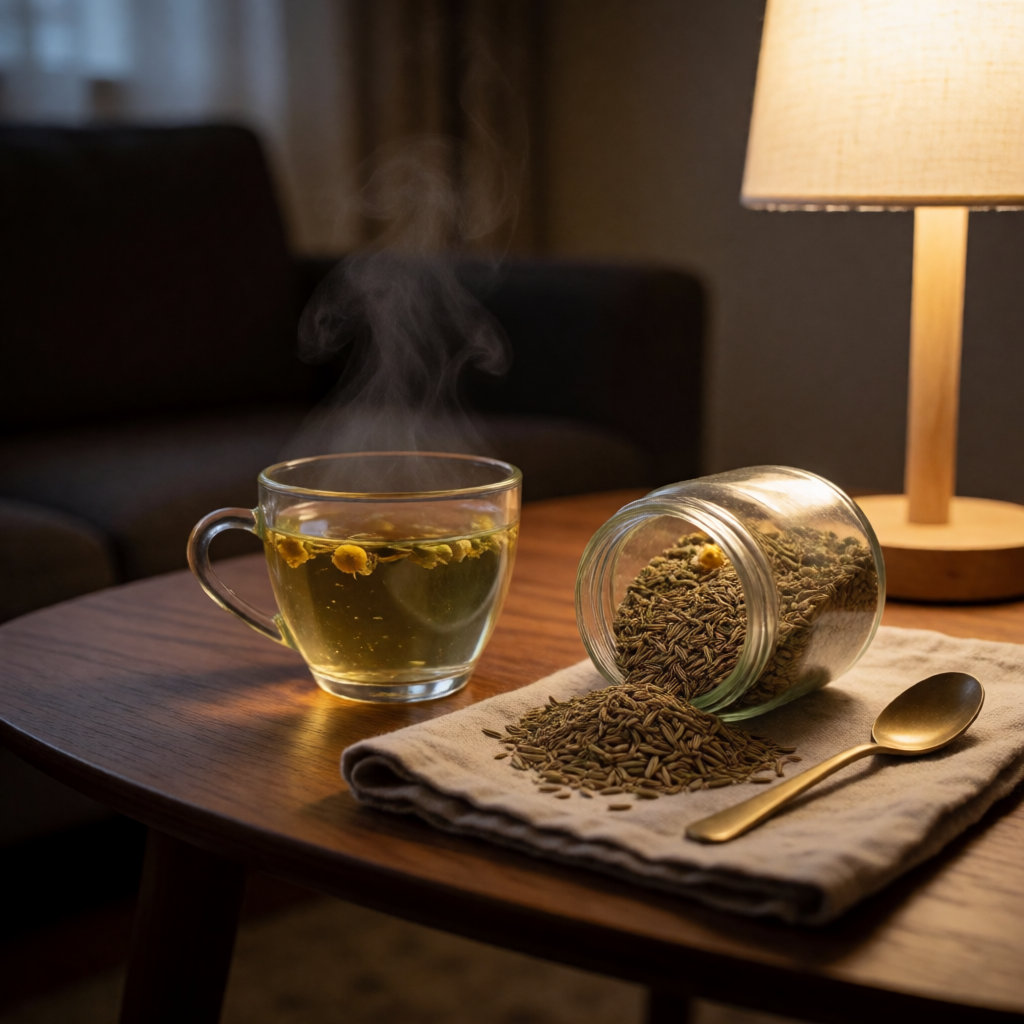
Satiety isn't immediate and varies from person to person; eating slowly helps you notice it better. Screen off, fork down between bites: you eat less without frustration, and digestion is more comfortable. Between meals, if hunger returns, plan a simple snack — a handful of almonds, a piece of fruit, an unsweetened compote, plain yoghurt. For drinks, 1 to 1.5 litres of water a day remains the baseline, with herbal teas or flavoured waters if you fancy some variety.
Sources
- NHS — The Eatwell Guide, accessed 2026.
- World Health Organization — Salt reduction, 2023.

Comments
Your opinion matters: rate the article, react and reply to comments.
Comments are moderated; AI-assisted comments are flagged. Text emoticons (8-), :-), <3…) are automatically shown as images.