

Skincare that suits you
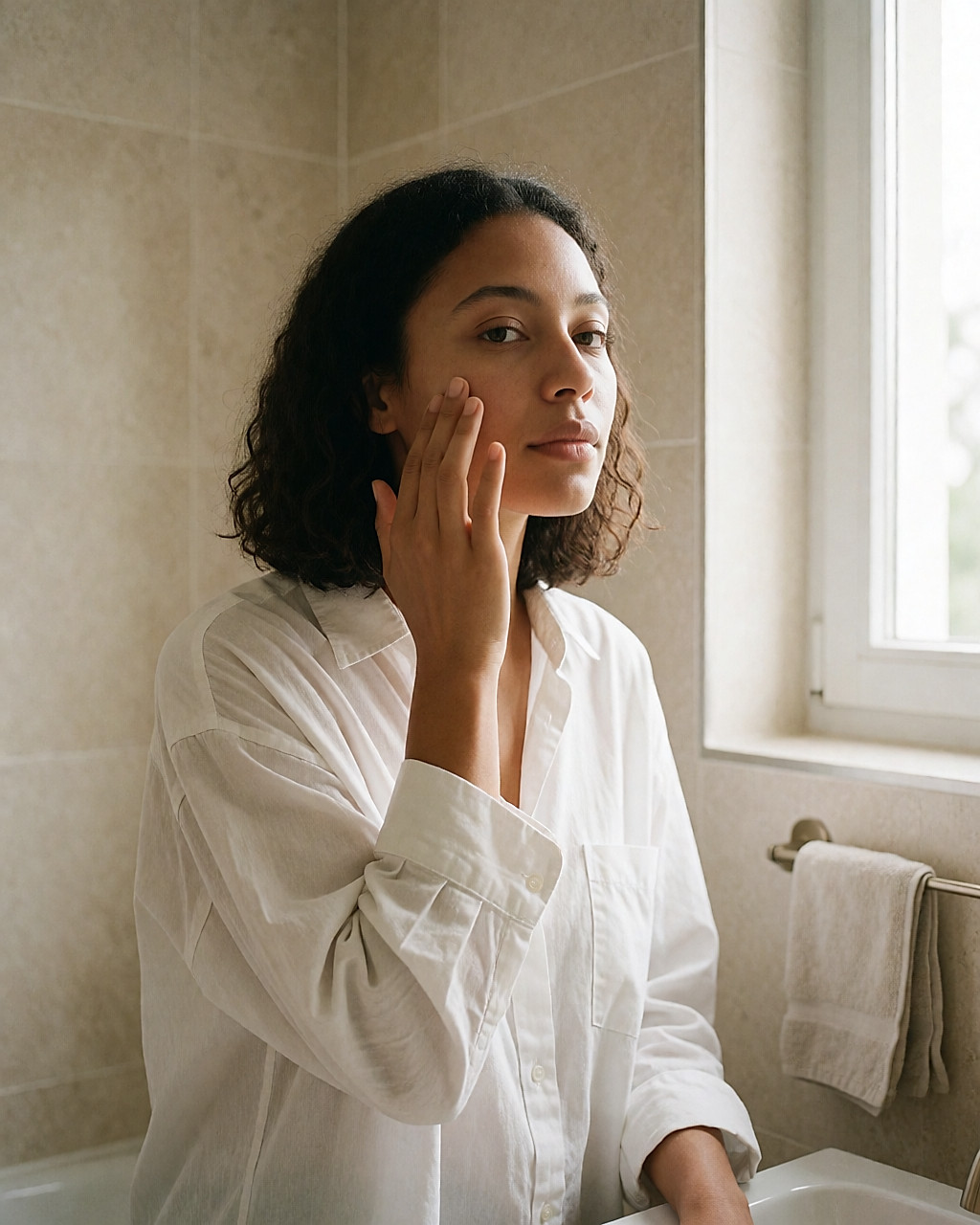
We start with skincare, because it is often our first reflex when we want to look after our skin: finding the right cream.
So yes, anti-ageing cosmetics have their place, but they are not the whole story.
The foundations of healthy skin lie in proper cleansing — twice, ideally, morning and evening, including make-up removal that should never be skipped.
We can never say it enough: skin needs to be freed from dead cells, dust, excess sebum, pollution particles and so on. For that, cleansing is essential in the morning before moisturising and in the evening when you remove your make-up.
The key here is to choose a gentle cleanser suited to your skin type. As a rule, avoid heavily fragranced cleansers, which often irritate skin; cut from your beauty routine anything that tends to sting your eyes or skin; and opt for an extra-gentle cleanser that does not dry or irritate.
When it comes to gentle cleansing and make-up removal, micellar water remains a safe bet: it allows thorough make-up removal and a no-rinse cleanse, since tap water can be drying when it is very hard. Products designed for the shower are often too harsh for the face, and if your water is very hard, micellar water or a cleansing oil followed by a rinse with thermal water can limit tightness — though it is still no substitute for careful make-up removal. If you do like to splash your face with water, a step some people enjoy, finish your cleansing with a generous spritz of thermal water.

Once cleansing is done, move on to moisturising. Choose your products according to your skin type but also your age. Anti-ageing cosmetics can take their place in your beauty routine from the age of 30, unless you notice a few fine lines or other signs of skin ageing before then — not all skin types are equal when it comes to the first wrinkles.
When it comes to ingredients, bear in mind that an organic label relates to the formula, not to effectiveness. The COSMOS standard, for example, requires a minimum percentage of natural and organic ingredients, as well as a list of prohibited ingredients. It guarantees nothing against wrinkles — it guarantees that certain ingredients are avoided, which is not nothing.

And then there are active ingredients that really do something — but they let you know about it. A bit of tingling, peeling, redness in the first few days? That is common, and it is not a sign of effectiveness. Reduce how often you use them, moisturise, and let your skin get used to them.
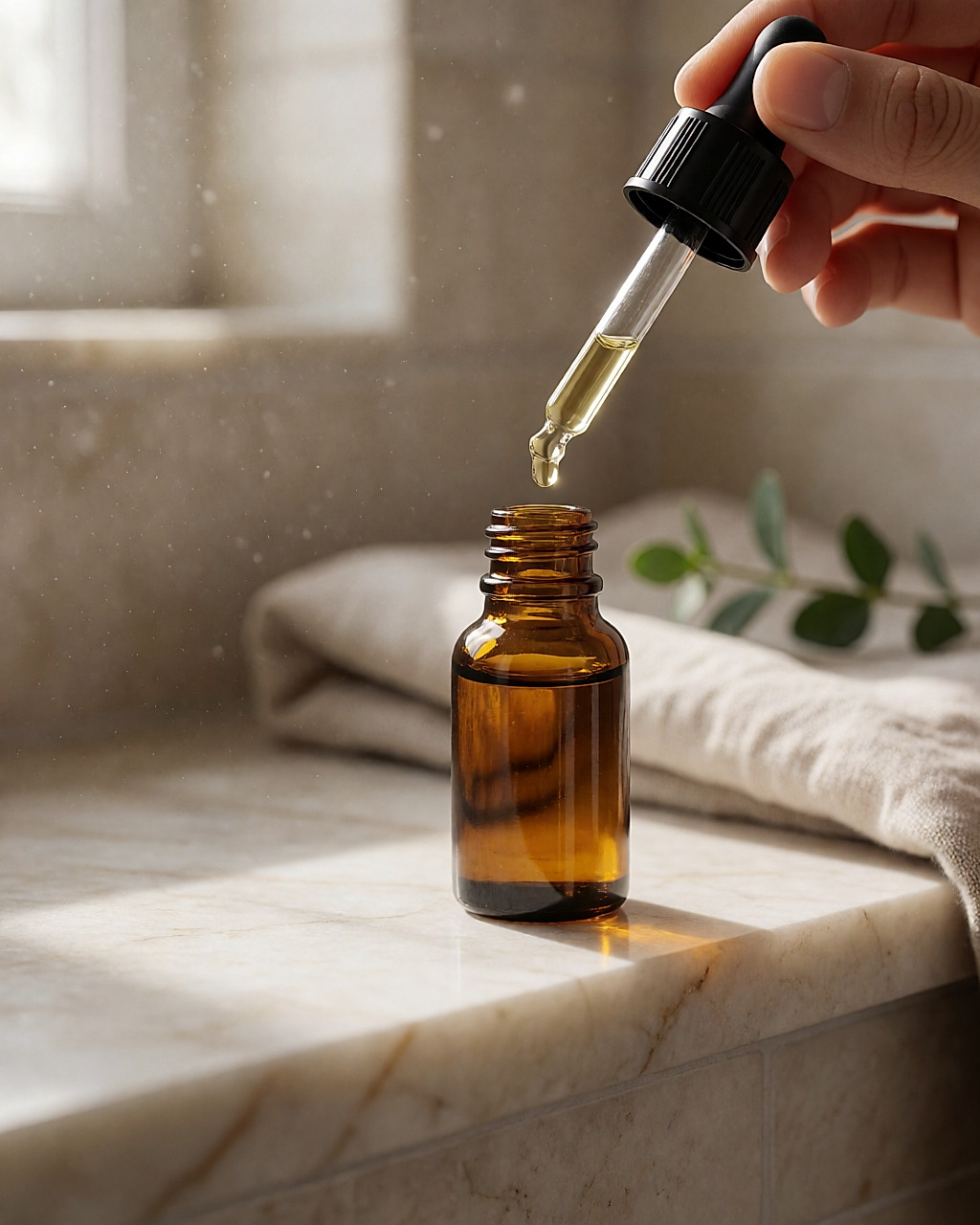
One exception might be eye-area care. This area is particularly delicate and tends to show signs of ageing faster than the rest of the face. So look for a dedicated, deeply hydrating eye product, even if it does not say 'anti-ageing' on the bottle: applied with the pad of your ring finger, it is often enough as long as fine lines have not set in. It does not need an 'anti-ageing' label to be useful! Look at the texture — light and fragrance-free if your eyes water easily.

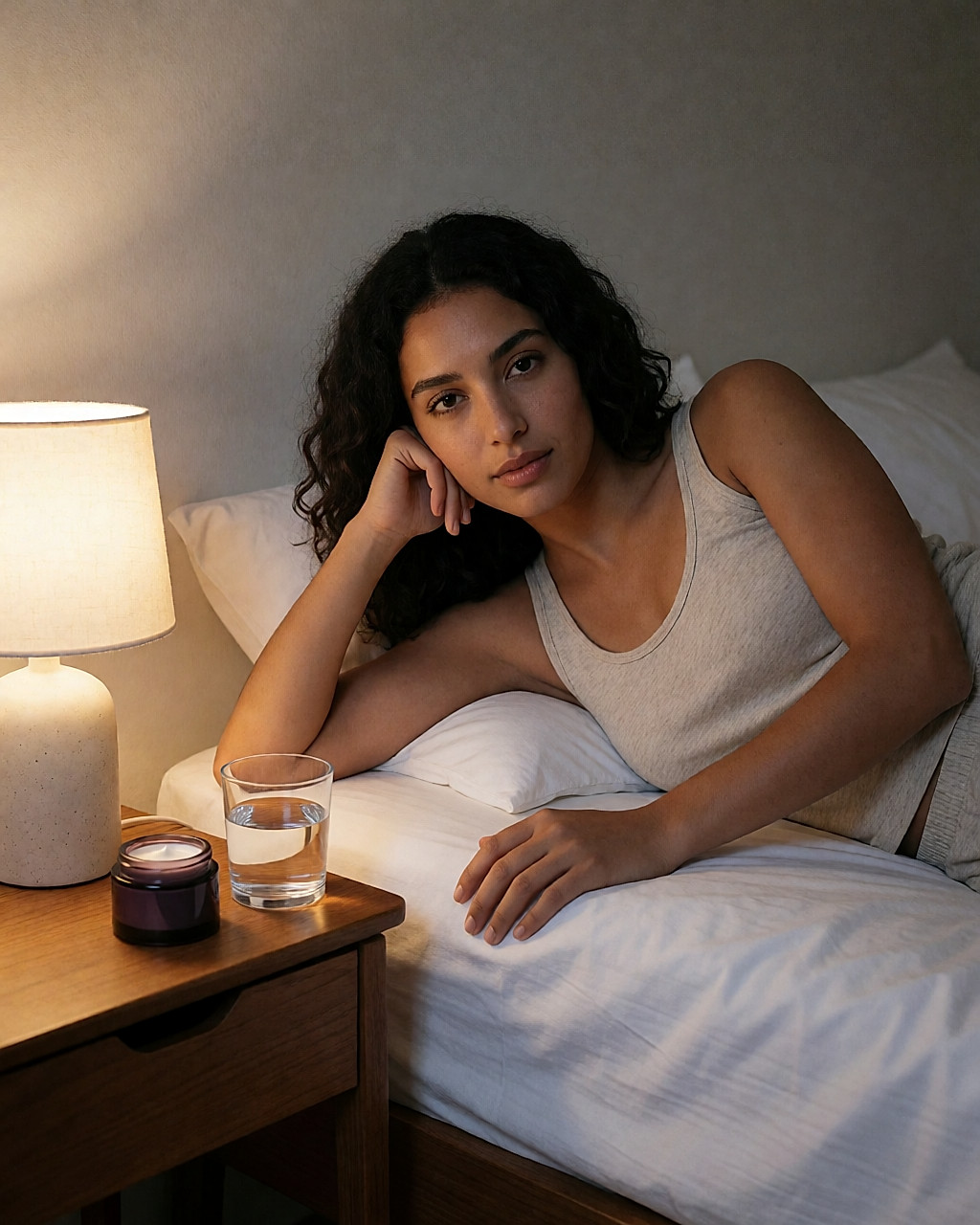
And at 20, 30 or 40, we do not skip night care. Again, choose it according to your skin's needs. Some creams can be used both day and night, which seems a good option when you are 20 and do not have a huge budget to invest in skincare.
And if we stress the importance of night care, it is because skin repairs itself at night. The legend of the 'peak between 11pm and 3am' still circulates: the reality is less precise, but the underlying idea holds. Regular, sufficient sleep shows in your complexion; too little sleep does too.
Enough sleep
As explained above, it is at night, during sleep, that skin renews itself. Just look: a glance in the mirror in the morning after a good night's sleep and your skin is brighter, smoother, softer. And the reverse is just as striking: when we lack sleep, our face seems more hollow, our complexion duller, and spots and blemishes multiply!
You have got it: sleep is essential for beautiful skin. So avoid accumulating late nights and sleep debt over the long term, otherwise your skin could take a real hit.
Exercise for your figure and your skin too
Exercise has a tightening and firming effect on our figure. Physical activity contributes to general wellbeing and good circulation; its direct effect on facial firmness is not established.
Add to that the fact that exertion temporarily changes skin circulation, without guaranteeing a reduction in redness, and contributes to the body's general function — all factors that can help give you a healthy glow. A better-circulated complexion is noticeable. Finally, because exercise helps reduce and release stress, it can lessen its signs on the skin: redness, dryness, blemishes. A few brisk walks each week are already a credible start.
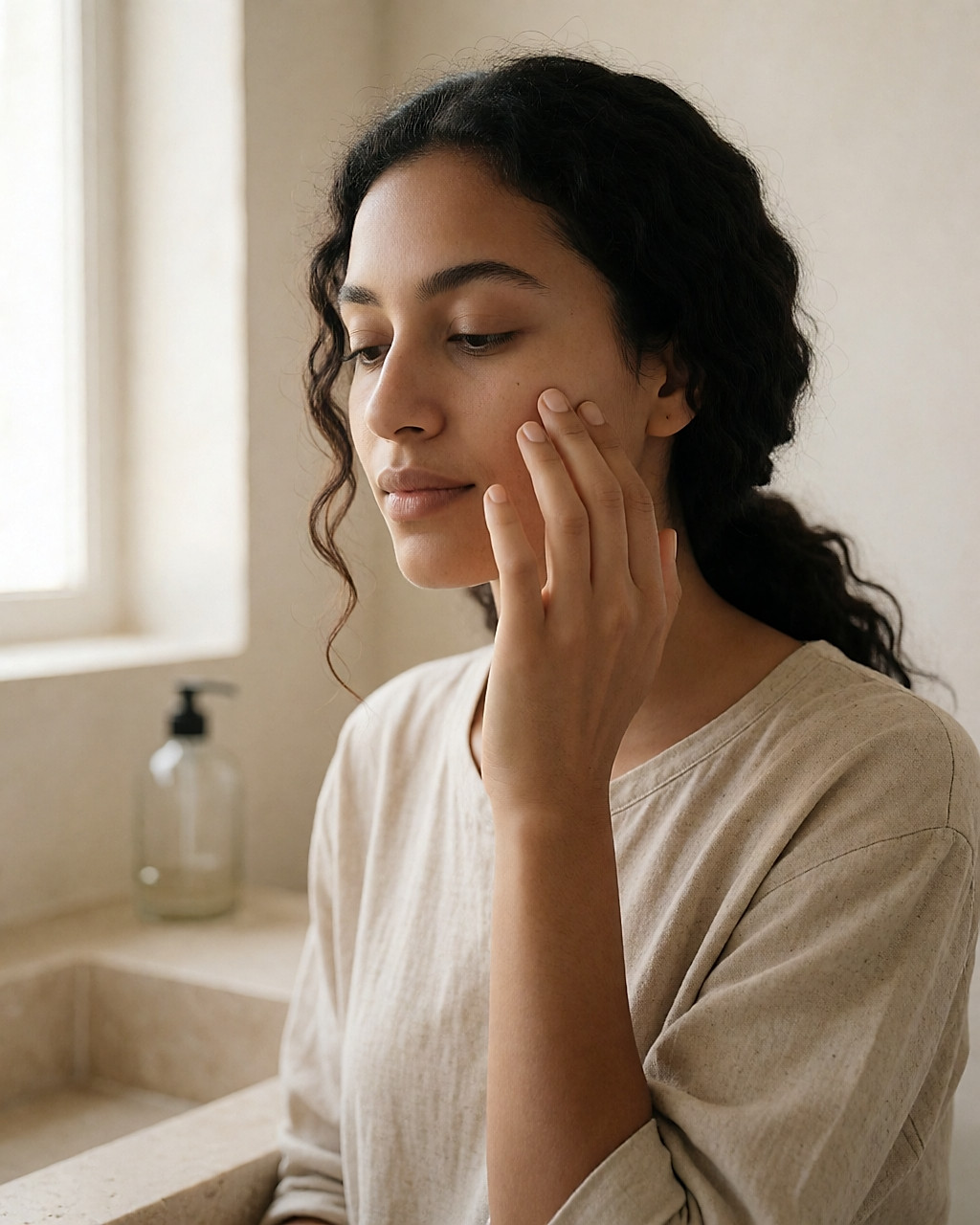
You may have noticed more and more talk about face yoga, which is said to work the many muscles of the face more deeply and so help keep the face looking younger for longer. Worth a try!
Watch out for the sun!
And that goes for you too, if you are only just in your twenties: even if you cannot see the effects straight away, unprotected and prolonged sun exposure always catches up with us eventually — sooner for some than others.
So, to avoid sun-induced dark spots, facial sagging and fine lines, go out well covered: SPF 50 in strong sun, a pair of wraparound sunglasses to protect your eyes and a lip balm with SPF.
Avoid prolonged exposure and do not sunbathe during the strongest hours of the day.
Finally, be aware that there are day creams for daily use with a UV filter, which remains low but can still be useful on days with limited sunshine. Because even when it does not put in an appearance, the sun still penetrates the skin. The step that changes everything is the two-finger rule for face and neck, every morning! It works under make-up too, as long as you let it dry for around 30 seconds before continuing. And remember: what matters is not the brand, it is consistency!

Go easy on anything that speeds up skin ageing
Well, yes: the sun is not the only threat to youthful skin. Alcohol, smoking and pollution also do their work and speed up skin ageing. While the first two can be limited fairly easily, pollution is less controllable. So take the chance to get some fresh air at the beach, in the mountains or in the countryside; pay extra attention when removing make-up; and why not try those increasingly common products that claim to form a barrier against pollution?
Choose antioxidant foods
As is well known, antioxidants help protect cells from oxidative stress; their effects on skin ageing remain to be clarified. Among the main antioxidants found in certain foods are vitamins C and E, beta-carotene and polyphenols (tannins, flavonoids and so on). You will find them in green tea, red grapes, tomatoes, walnuts, carrots, berries, red peppers, oranges and flaxseeds.
In general, fruit and vegetables can be eaten almost without moderation and should be as varied as possible, as they are rich in vitamins and minerals.
In fact, we can only advise you to adopt a balanced and varied diet to make sure you are giving your body — and therefore your skin — all the essential elements it needs.
Budget
It is impossible to give an exact price, as the differences between brands are so wide, but in the UK, for basic products — cleanser, moisturiser, eye cream — expect around £8 to £20 per product in pharmacies or supermarkets, and £20 to £50 for more technical skincare brands. A decent SPF 50 face sun cream is usually between £10 and £25. The price varies according to the concentration of active ingredients, the presence of UV filters, the label (organic, vegan) and the distribution channel. Pharmacies and beauty retailers remain the best places to ask questions and pick up samples before investing.
Sources
- COSMOS standard (cosmos-standard.org) — for understanding what an organic label does and does not guarantee in cosmetics.
- NHS (nhs.uk) — advice on sun exposure and protecting your skin.


Comments
Your opinion matters: rate the article, react and reply to comments.
Comments are moderated; AI-assisted comments are flagged. Text emoticons (8-), :-), <3…) are automatically shown as images.