

It's a question that keeps coming back, in the comments, on the beauty forum and in my own bathroom mirror. And it's hard to feel confident when a spot is the first thing anyone notices. So today we're talking about good skin — or, more precisely, about how to improve the skin you've already got and keep it looking good for longer. The right habits, the right moves, the right foods, a few sensible beauty reflexes: good skin often comes down to small, simple things that add up, and it would be a shame to ignore them. Here are our 10 tips for feeding, hydrating, oxygenating, stimulating and protecting your skin.
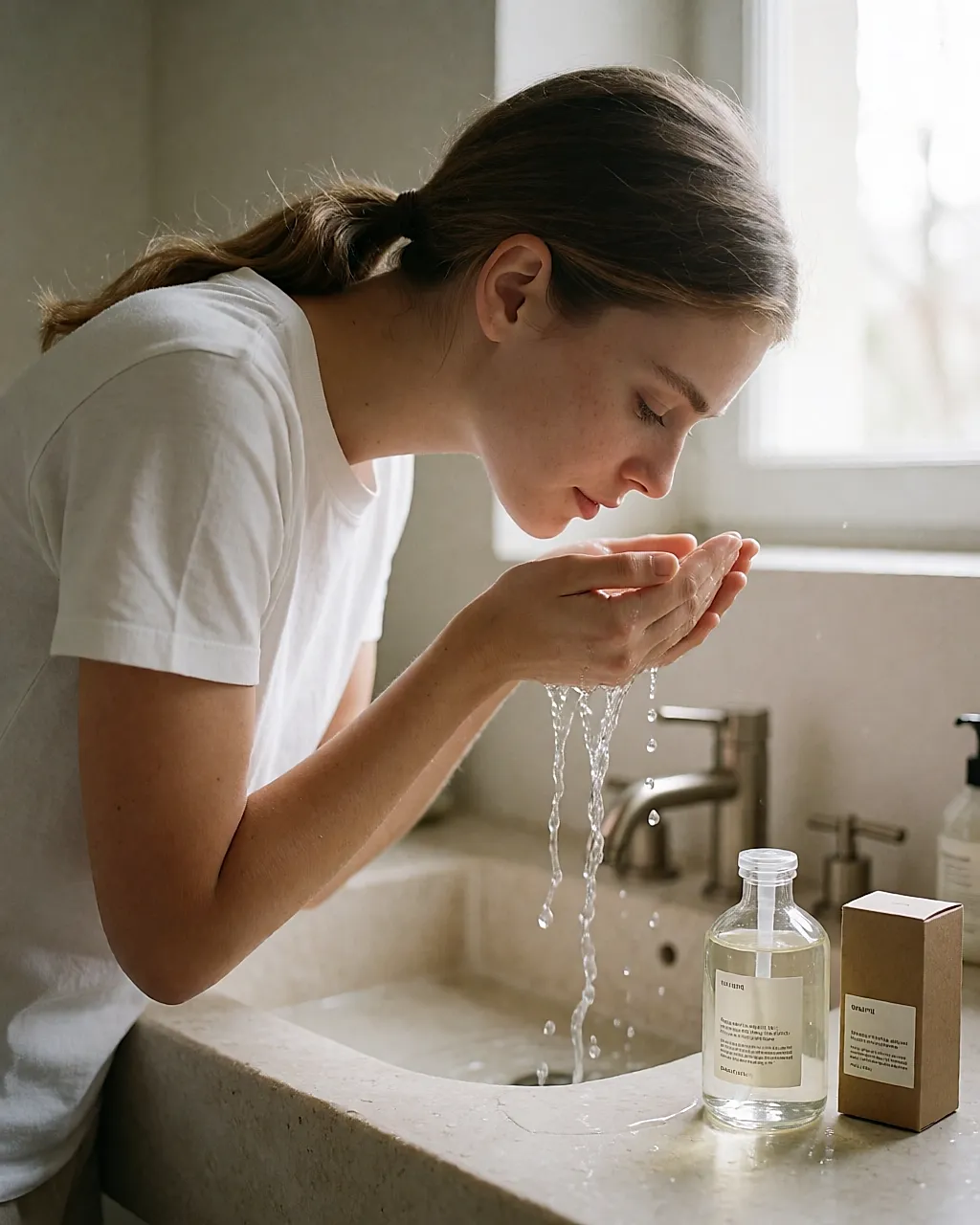
Cleanse morning and night
This one should be non-negotiable: every evening before bed and every morning before you moisturise, take off your make-up and/or cleanse to shift every trace of make-up, pollution and dust, plus any excess oil. That way you limit blocked pores and let your skin breathe — more or less a prerequisite for good skin. Do watch out for cleansers that strip too much, though: they end up irritating the skin barrier, and a gentle product is usually all you need. And if you'd rather go lighter on packaging, check the size, whether refills are available and whether the container is glass or card rather than a single-use plastic bottle.
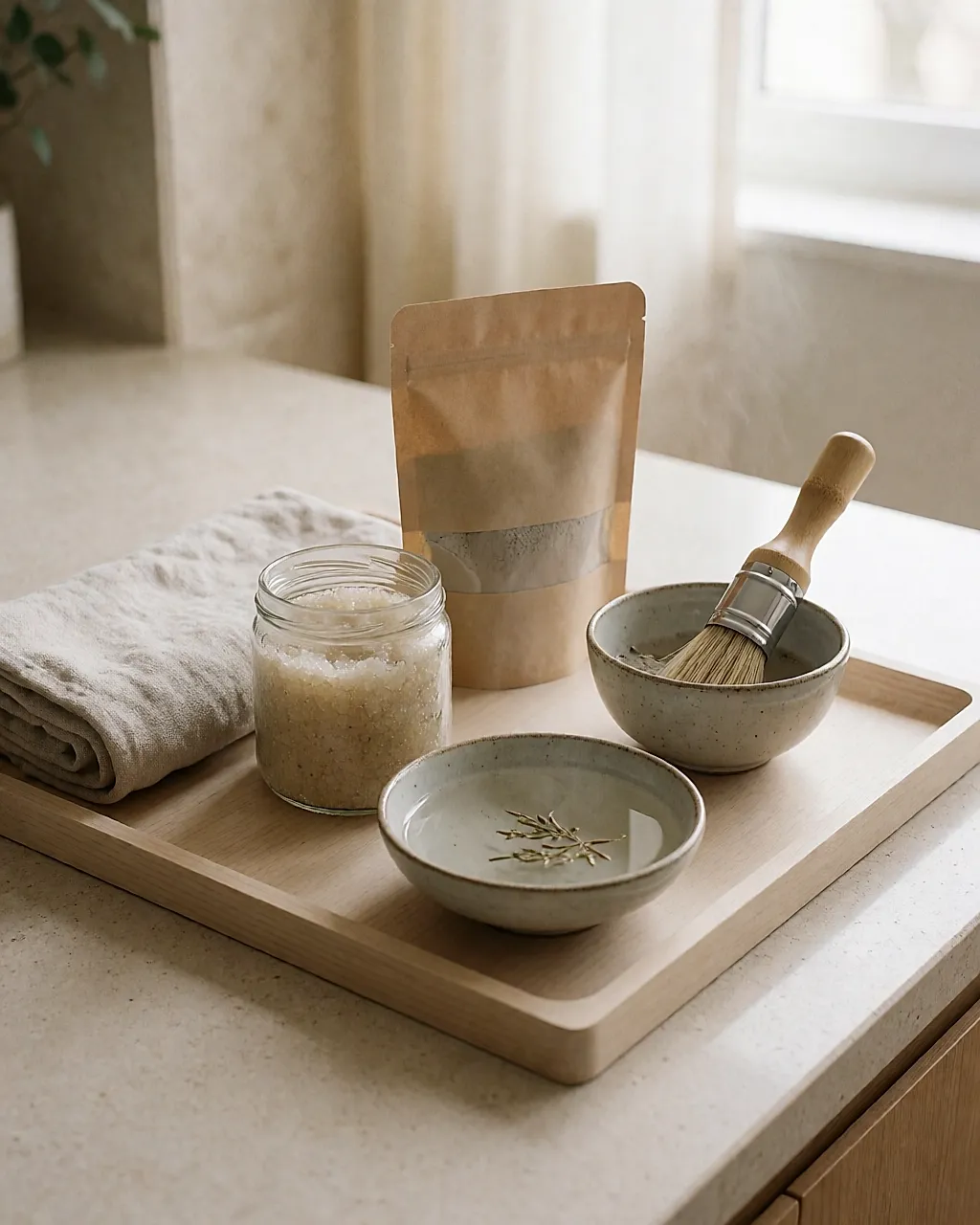
One or two scrubs a week, followed by a mask
A beauty ritual that helps skin renew itself. A scrub lifts dead cells and smooths the surface; a mask then soothes skin after a treatment that can be slightly irritating, and gives it a deeper treat. Aim for once or twice a week, depending on your skin type. Sensitive and reactive skin, for instance, should stick to once.
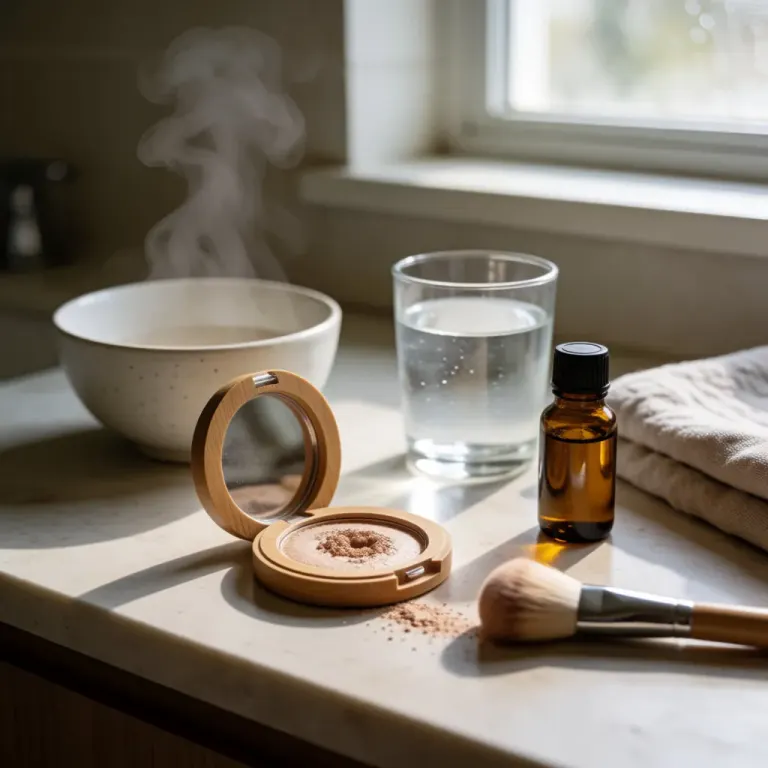
A steam bath before you scrub is an option too: steam softens sebum and dead cells, which may make cleansing easier. Add a few drops of essential oil (chosen for your skin's needs) to the water and you can enjoy the scent while you steam. A word of caution: if you're pregnant, asthmatic, prone to allergies or have reactive skin, don't use essential oils without checking with a healthcare professional first — and don't treat them as a remedy.
A few hygiene rules worth keeping
Dry your skin with a clean towel. Always.
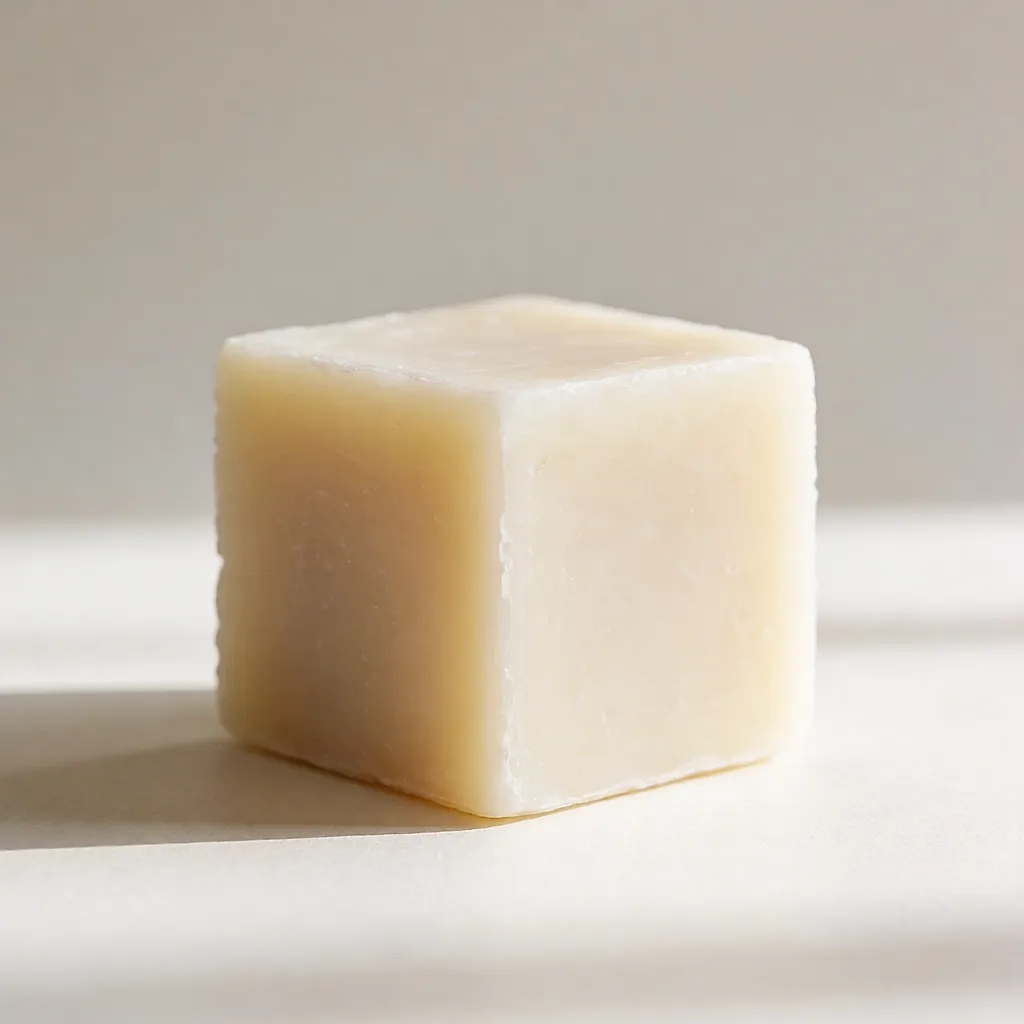
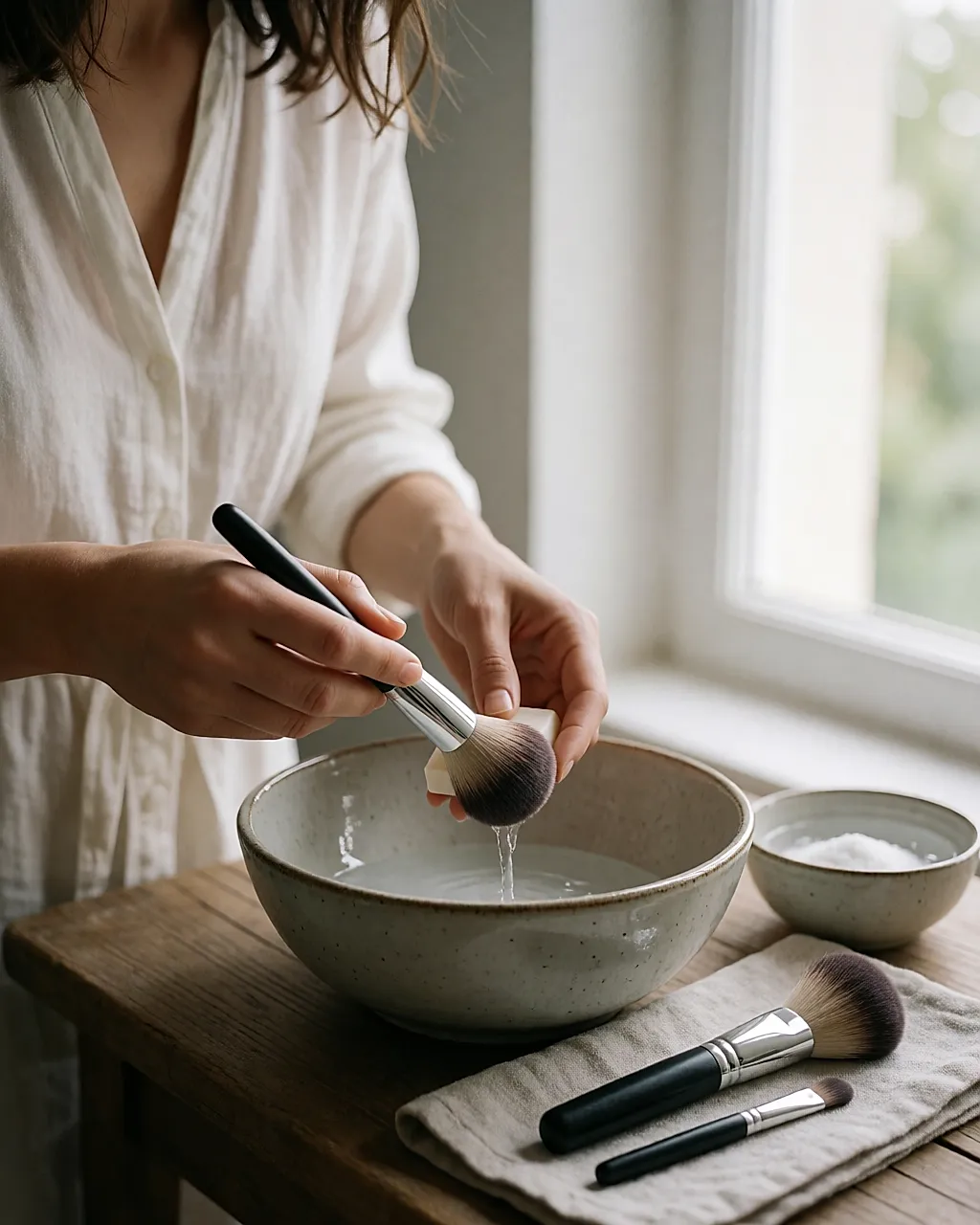
Wash make-up sponges and brushes regularly, with Marseille soap, or leave them to soak in a basin of water with a few tablespoons of bicarbonate of soda to help loosen make-up residue.
And never pick at a spot: squeezing it makes things worse, and you risk infection and a mark that takes far longer to fade than the spot would have done.
Hydrate inside and out
Invest in a moisturiser you apply every day to hydrate, protect and make skin more supple. It's the one product you really can't skip if you want good skin, and it can temporarily improve how skin looks. Choose one with a UV filter and so much the better.
Hydrate from the inside, too: around 1.5 litres of water a day, to hydrate cells, muscles and tissues — though needs vary with activity, temperature and your general health. That deeper hydration matters just as much as a good day cream.
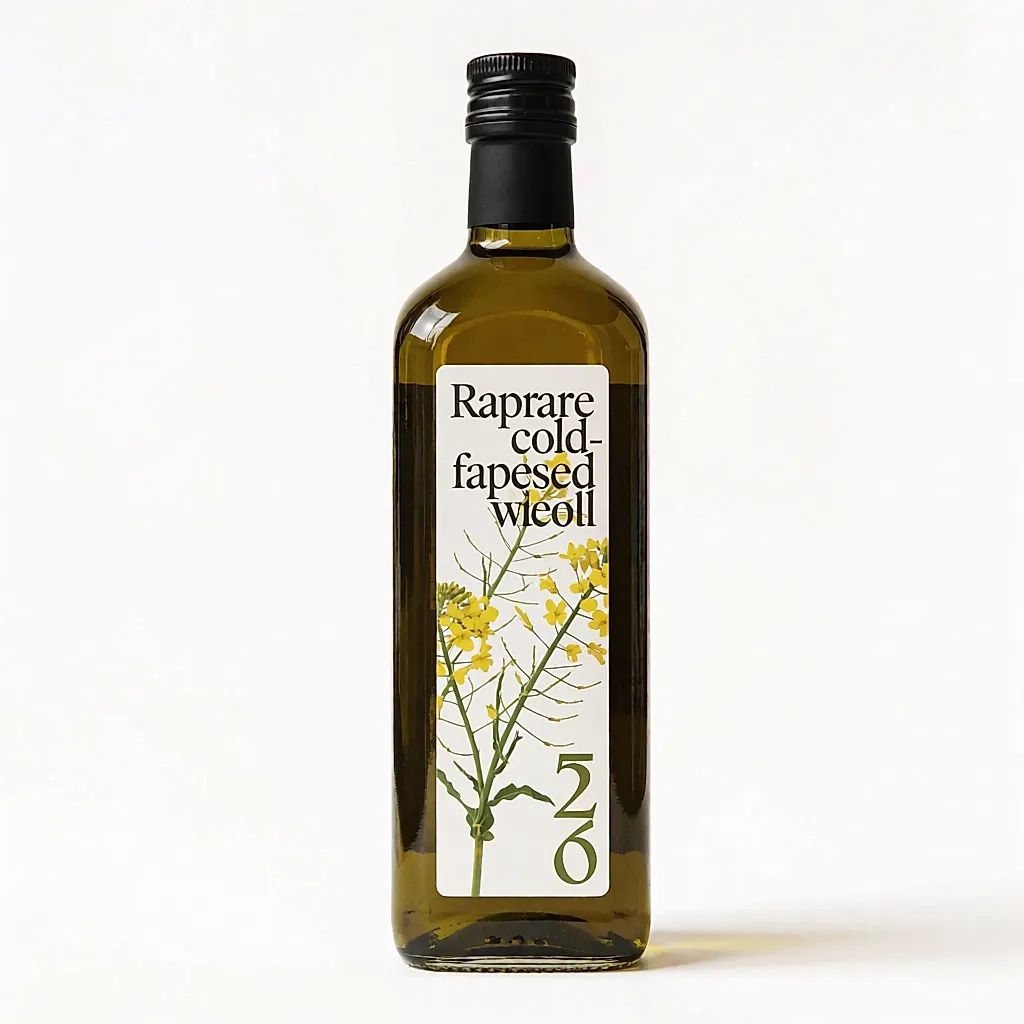
And to feed your skin, a tablespoon or two of plant oil a day does the job: rapeseed, olive, walnut. Their unsaturated fatty acids are nourishing, and you can just as easily drizzle them over your food.

Cut back on alcohol and give up smoking
Ever caught sight of your face after a heavy night? That's what alcohol and tobacco do to your skin. Smoking also speeds up skin ageing and can leave your complexion looking dull.

Fresh air and a little massage
Nothing beats a good dose of fresh air and time outdoors to oxygenate your cells and bring a bit of colour to your cheeks. Whenever you get the chance, choose to be outside: a walk by the sea, in the countryside, up a hill.

One small trick to firm skin and boost circulation in the face: apply your products with a light massage, using your fingers and palms. It feels lovely, it's relaxing and it gets things moving.
Load up on natural antioxidants
Some foods are a proper little tonic for your skin, because they're naturally rich in antioxidants. Among them: carrots, tomatoes, red grapes, apricots, blackberries, blueberries, blackcurrants, apples, cranberries. Broadly speaking, though, all fruit and vegetables are rich in substances with antioxidant power or other benefits for skin.
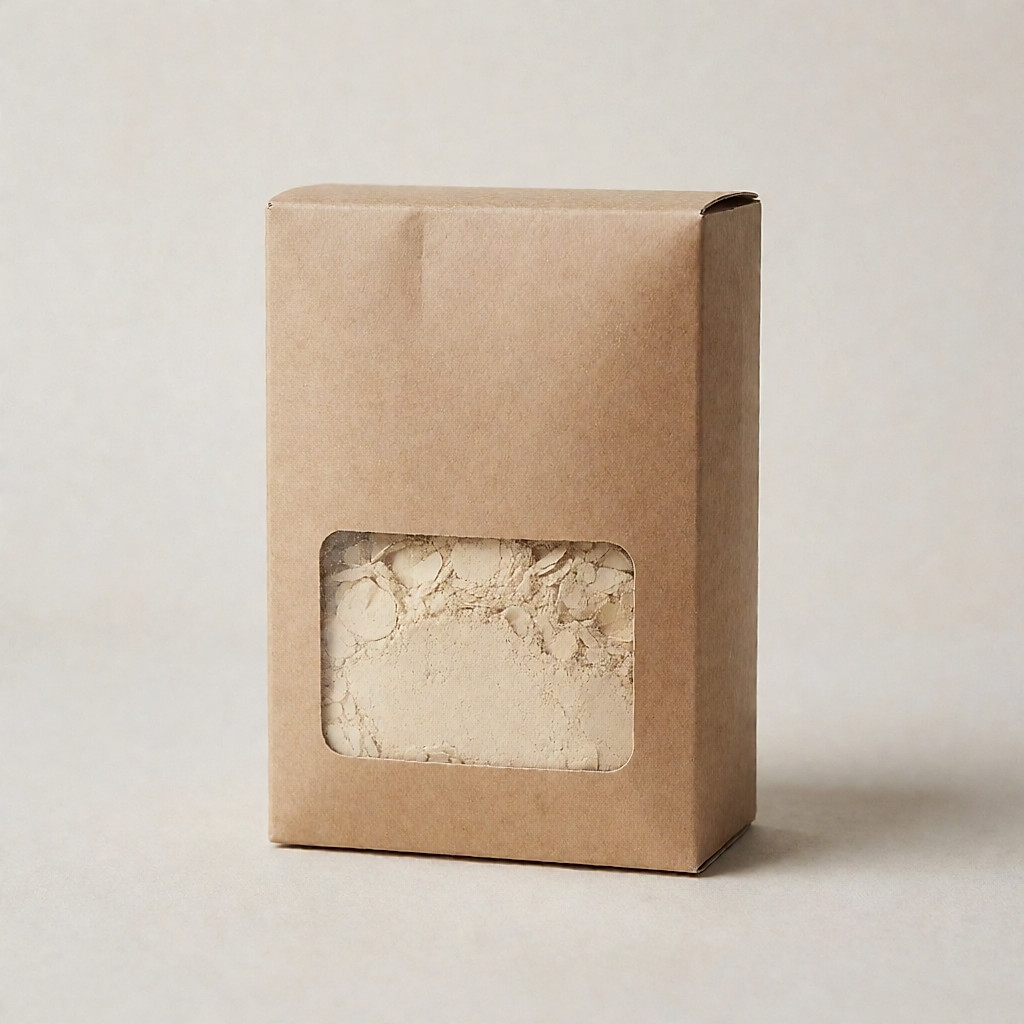
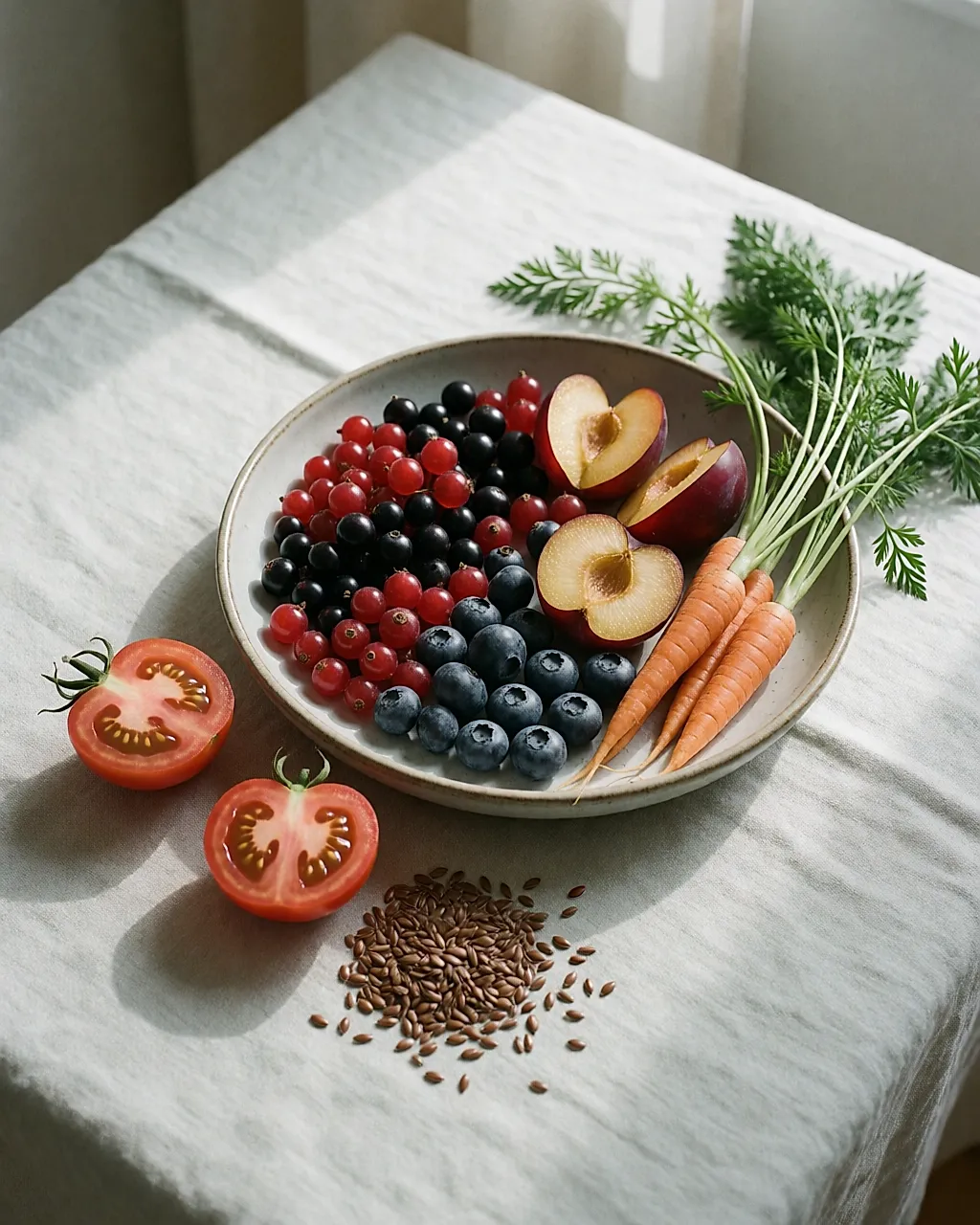
Brewer's yeast, borage and evening primrose oils and flaxseed are also said to be good friends to the skin.
Protect your skin from the sun. Always.
Yes, sun is lovely, you get a tan, and at the time your skin even seems to look better. But sun is often followed by spots, pigmentation — or worse.

So if you want to keep good skin, protect it from the sun every single day, with a high-factor sunscreen.
Some people try a course of supplements said to support melanin production, starting a month before a holiday, before sun exposure or before the sunny season if you're lucky enough to live somewhere warm. But their effectiveness isn't proven, and they never replace sun protection. It's best to get medical advice before taking any.
Sleep is when skin repairs itself
There's nothing like proper nights of sleep to keep — or get back — a rested look, luminous skin and visibly better condition. Sleep literally repairs skin, rests it and helps cells renew. So a late night or a run of short nights now and then is fine, but day to day make good nights the priority, with regular bedtimes and enough sleep.

A trip to the dermatologist
Acne that won't settle, a patch that's been there far too long, redness spreading across your face, a mole that's changed shape...? See a dermatologist: they know skin best, and they can advise you and treat you.

Want more advice on looking after your skin? Read next: how to work out your skin type, and our pick of colour correctors for a more even complexion.
Worth the extra minute: in the evening, massage your face with your fingertips, working from the centre outwards. It wakes up your circulation, it's relaxing and it helps skin take up your products better.
Budget
As for what to spend: expect roughly £5–£18 for a gentle cleanser or micellar water, £15–£45 for a day moisturiser (with or without a UV filter), £8–£25 for a scrub or a mask, and £10–£30 for a high-factor facial sunscreen. Prices vary with size, ingredients and where you shop — pharmacy and supermarket own-brand ranges are often a good middle ground, and refills bring the cost down over time.
Sources
- NHS — sun safety, sunscreen and protecting your skin.
- NHS — keeping skin clean and healthy.
- Better Health / NHS Smokefree — how smoking affects your skin and complexion.
Food supplements do not replace a varied, balanced diet and a healthy lifestyle.


Comments
Your opinion matters: rate the article, react and reply to comments.
Comments are moderated; AI-assisted comments are flagged. Text emoticons (8-), :-), <3…) are automatically shown as images.